
Publication date: 3 December 2026
DOI: https://doi.org/10.14324/111.9781806552290
Number of illustrations: 51

The Glades of Embobut
Histories of crisis, prosperity and the future of a contested forest
Samuel Lunn-Rockliffe (Author), Joseph Kimutai Cheptorus (Author), Timothy Kipkeu Kiprutto (Author)
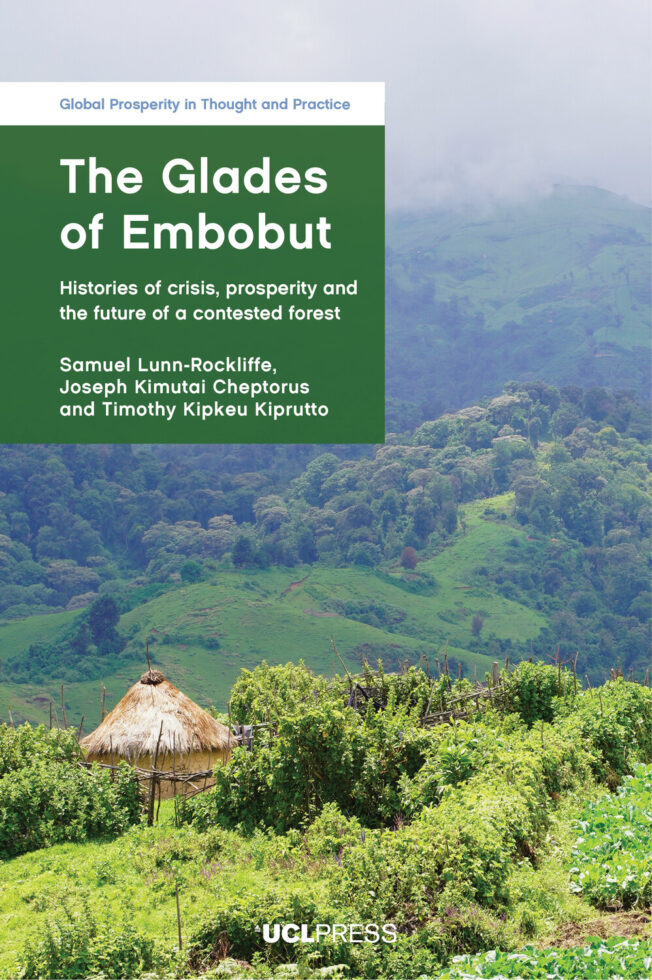
The Embobut Forest, western Kenya, is beset by a series of pernicious challenges. Degraded forest ecosystems, biodiversity loss, violent evictions, population growth and the adverse impacts of climate change all underwrite a persistent sense of regional crisis and failed prosperity. Conservationists blame local populations for forest destruction, while community activists emphasise experiences of livelihood loss and marginalisation produced through the imposition of unjust conservation boundaries. Proposed solutions are equally contested. Calls to restore the forest to an imagined natural state devoid of human presence sit in tension with activist efforts to revive idealised Indigenous lifeways grounded in environmental stewardship.
The Glades of Embobut challenges these narratives by situating Embobut as a landscape in constant transformation, shaped through ongoing efforts by communities and policymakers to rework ecological, economic and political relationships in pursuit of regional prosperity. It demonstrates how existing forms of socioecological well-being emerge primarily from local knowledge and everyday practice rather than externally conceived development models, and how these processes unfold without fixed end points. Any imagining of forest futures must therefore accommodate the open-ended nature of daily life, where new social and ecological relationships emerge in ways that diverge from the idealised forest environments envisioned by both conservationist and activist thinking.
Related titles
Environment and Post-Soviet Transformation in Kazakhstan’s Aral Sea Region
William Wheeler,
25 October 2021

Conservation of Natural and Cultural Heritage in Kenya
Anne-Marie Deisser, Mugwima Njuguna,
07 October 2016
The Glades of Embobut
Histories of crisis, prosperity and the future of a contested forest
Series: Global Prosperity in Thought and Practice
Publication date: December 3, 2026
Open Access PDF ISBN: 9781806552290
Paperback ISBN: 9781806552283
Hardback ISBN: 9781806552276
Trim size (hardback): 23.4cm x 15.6cm
Trim size (paperback): 23.4cm x 15.6cm
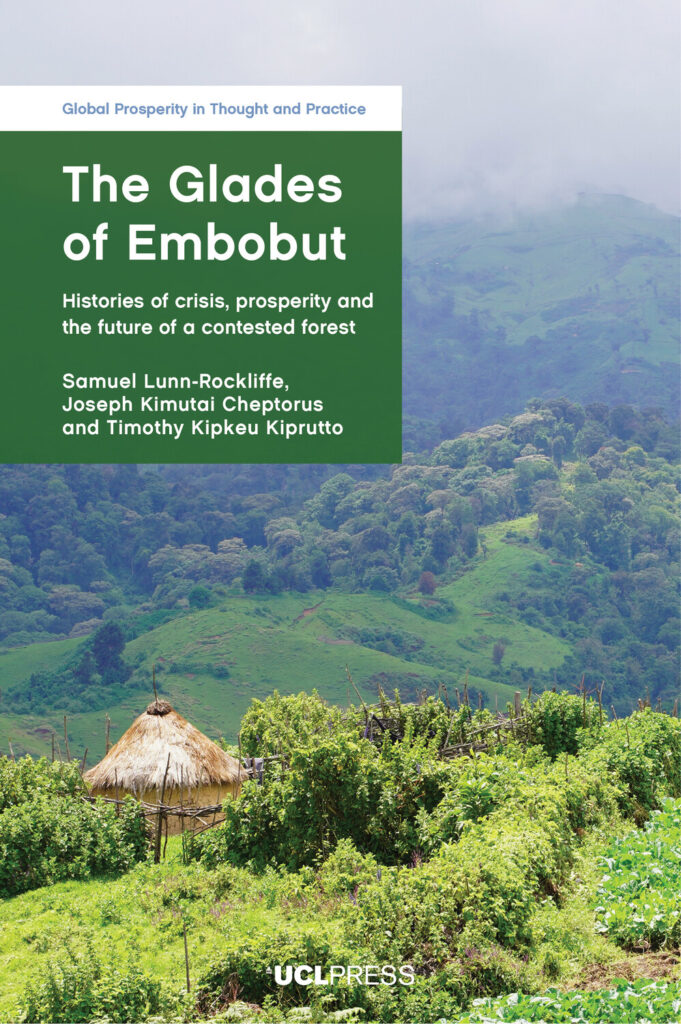
The Embobut Forest, western Kenya, is beset by a series of pernicious challenges. Degraded forest ecosystems, biodiversity loss, violent evictions, population growth and the adverse impacts of climate change all underwrite a persistent sense of regional crisis and failed prosperity. Conservationists blame local populations for forest destruction, while community activists emphasise experiences of livelihood loss and marginalisation produced through the imposition of unjust conservation boundaries. Proposed solutions are equally contested. Calls to restore the forest to an imagined natural state devoid of human presence sit in tension with activist efforts to revive idealised Indigenous lifeways grounded in environmental stewardship.
The Glades of Embobut challenges these narratives by situating Embobut as a landscape in constant transformation, shaped through ongoing efforts by communities and policymakers to rework ecological, economic and political relationships in pursuit of regional prosperity. It demonstrates how existing forms of socioecological well-being emerge primarily from local knowledge and everyday practice rather than externally conceived development models, and how these processes unfold without fixed end points. Any imagining of forest futures must therefore accommodate the open-ended nature of daily life, where new social and ecological relationships emerge in ways that diverge from the idealised forest environments envisioned by both conservationist and activist thinking.