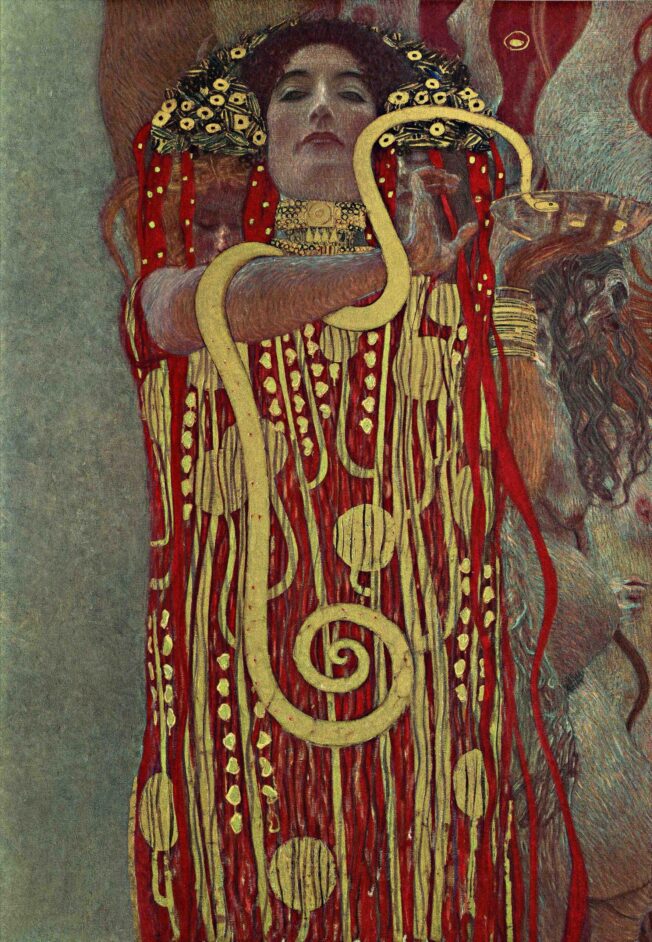

Publication date: 15 April 2020
DOI: https://doi.org/10.14324/111.9781787357716
Number of pages: 240
Number of illustrations: 7

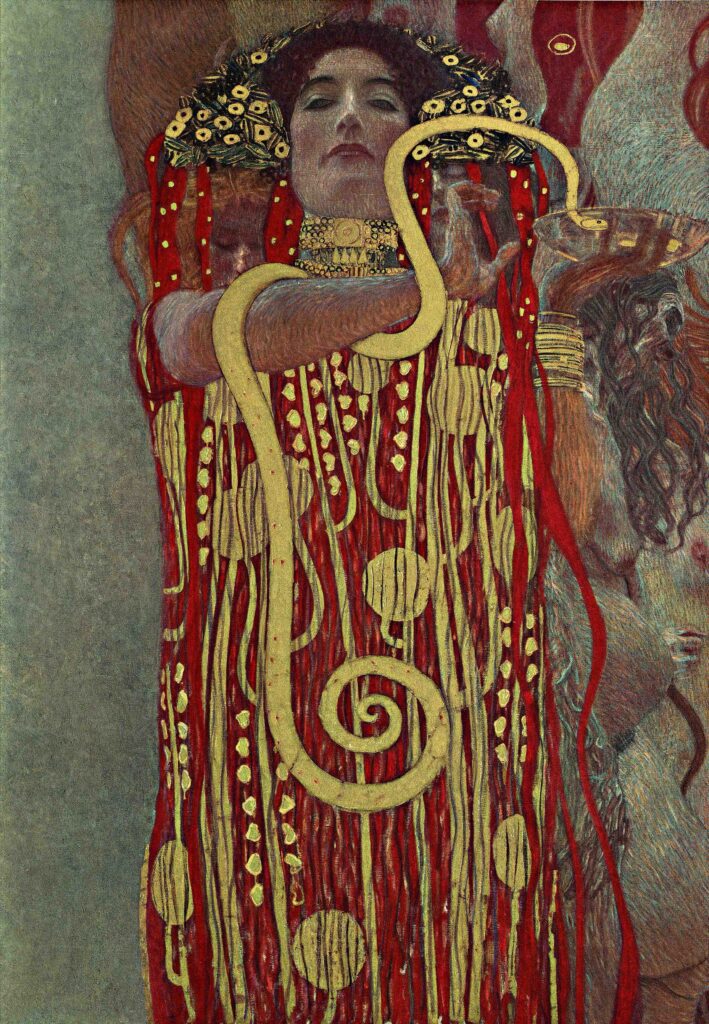
Medical Humanity and Inhumanity in the German-Speaking World
Mererid Puw Davies (Editor), Sonu Shamdasani (Editor)
Series: FRINGE
Medical Humanity and Inhumanity in the German-Speaking World is the first volume dedicated to exploring the interface of medicine, the human and the humane in the German-speaking lands.
The volume tracks the designation and making through medicine of the human and inhuman, and the humane and inhumane, from the Middle Ages to the present day. Eight individual chapters undertake explorations into ways in which theories and practices of medicine in the German-speaking world have come to define the human, and highlight how such theories and practices have consolidated, or undermined, notions of humane behaviour. Cultural analysis is central to this investigation, foregrounding the reflection, refraction and indeed creation of these theories and practices in literature, life-writing and other discourses and media.Contributors bring to bear perspectives from literary studies, film studies, critical theory, cultural studies, history, and the history of medicine and psychiatry. Thus, this collection is historical in the most expansive sense, for it debates not only what historical accounts bring to our understanding of this topic. It encompasses too investigation of life-writing, documentary, and theory and literary works to bring to light elusive, paradoxical, underexplored – yet vital – issues in history and culture.
Related titles



Comparative Perspectives on the Rise of the Brazilian Novel
Ana Cláudia Suriani da Silva, Sandra Guardini Vasconcelos,
14 May 2020

Jennie Gamlin, Sahra Gibbon, Paola M. Sesia, Lina Berrío,
12 March 2020




Cancer and the Politics of Care
Linda Rae Bennett, Lenore Manderson, Belinda Spagnoletti,
13 February 2023
Anneleen Masschelein, Florian Mussgnug, Jennifer Rushworth,
25 November 2021








Urban Informality and the Built Environment
Nerea Amorós Elorduy, Nikhilesh Sinha, Colin Marx,
12 March 2024




Medical Humanity and Inhumanity in the German-Speaking World
Series: FRINGE
Publication date: April 15, 2020
Open Access PDF ISBN: 9781787357716
Paperback ISBN: 9781787357723
Hardback ISBN: 9781787357730
Trim size (hardback): 23.4cm x 15.6cm
Trim size (paperback): 23.4cm x 15.6cm
Page count (hardback): 240
Medical Humanity and Inhumanity in the German-Speaking World is the first volume dedicated to exploring the interface of medicine, the human and the humane in the German-speaking lands.
The volume tracks the designation and making through medicine of the human and inhuman, and the humane and inhumane, from the Middle Ages to the present day. Eight individual chapters undertake explorations into ways in which theories and practices of medicine in the German-speaking world have come to define the human, and highlight how such theories and practices have consolidated, or undermined, notions of humane behaviour. Cultural analysis is central to this investigation, foregrounding the reflection, refraction and indeed creation of these theories and practices in literature, life-writing and other discourses and media.Contributors bring to bear perspectives from literary studies, film studies, critical theory, cultural studies, history, and the history of medicine and psychiatry. Thus, this collection is historical in the most expansive sense, for it debates not only what historical accounts bring to our understanding of this topic. It encompasses too investigation of life-writing, documentary, and theory and literary works to bring to light elusive, paradoxical, underexplored – yet vital – issues in history and culture.
‘A thought-provoking anthology of essays that are very well related to one another, something that many anthologies lack. The volume (which also includes chapters by Thomas Wilks on novels by Wilhelm Genazino and by Ernest Schonfield on Kerstin Hensel’s novel La¨ rchenau) demonstrates how fruitful collaborations within the medical humanities can be.’ Social History of Medicine