We are currently upgrading our shopping cart; in the interim all orders are being diverted to Waterstones. If you would like to redeem a promotional code, or are an author wanting to place an order, please email us.
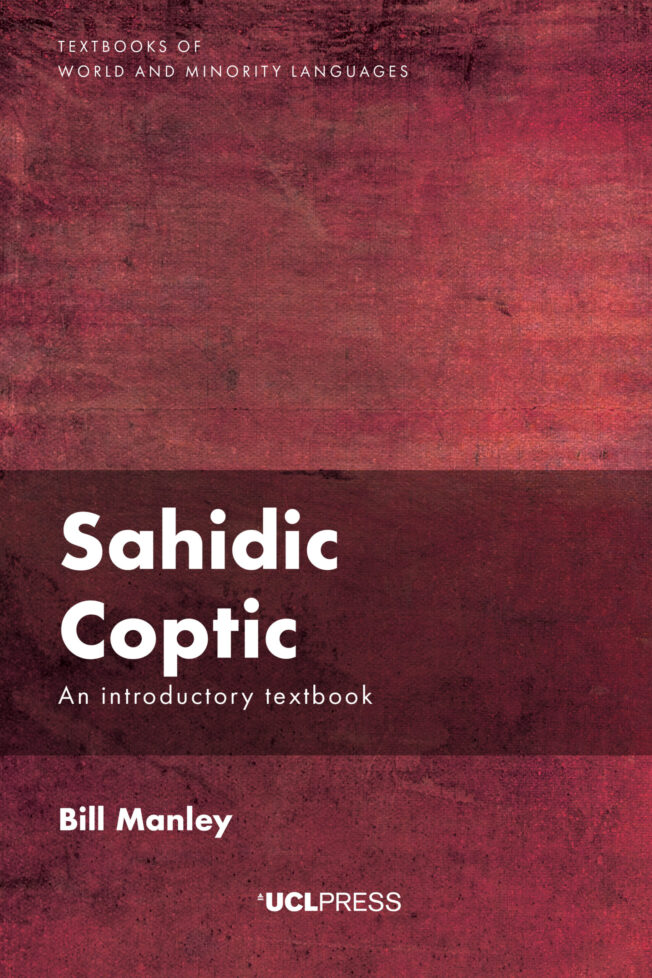
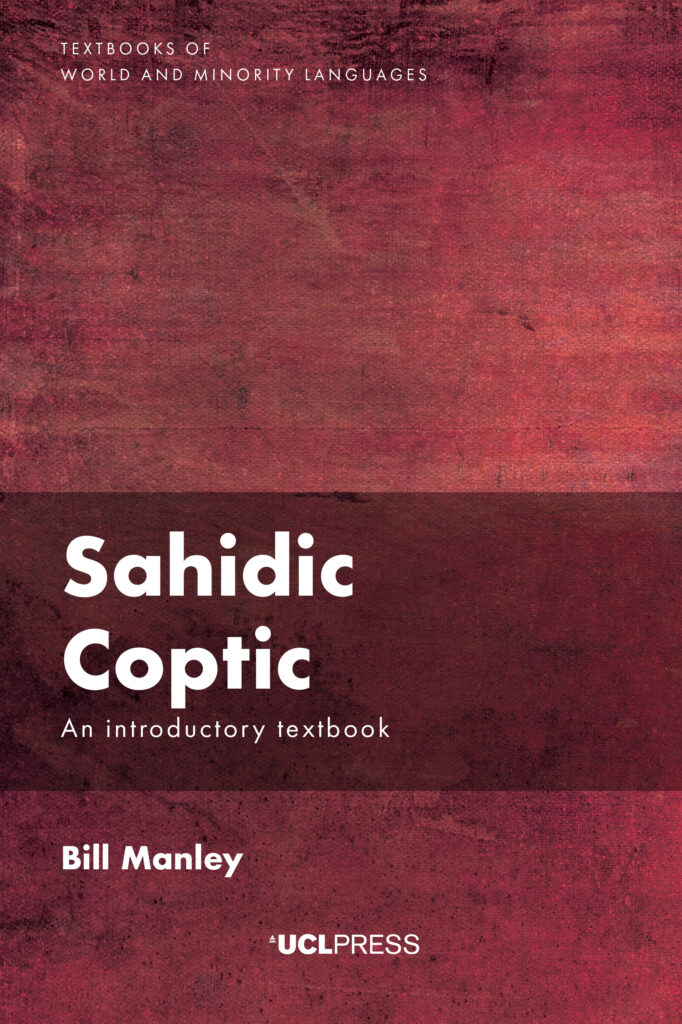
Sahidic Coptic was the literary language of Late Antique Egypt during the years 350–800 and the final phase of Ancient Egyptian as a living language, bringing an end to four millennia of written history. Sahidic Coptic texts are among our most detailed written sources regarding: the end of ancient Egypt; Byzantine imperial rule; the early Bible; the development of Christian orthodoxy; Christianity in Africa; religious assimilation and persecution; the origin of mediaeval monasticism; and the rise of Islam.
This concise textbook teaches beginner students the grammar of documents written in Sahidic Coptic, and provides the historical and cultural context required for reading primary sources through informal as well as more formal and religious texts.
There are 20 language lessons followed by 7 chapters of sample reading and a detailed vocabulary list.
Sahidic Coptic was the literary language of Late Antique Egypt during the years 350–800 and the final phase of Ancient Egyptian as a living language, bringing an end to four millennia of written history. Sahidic Coptic texts are among our most detailed written sources regarding: the end of ancient Egypt; Byzantine imperial rule; the early Bible; the development of Christian orthodoxy; Christianity in Africa; religious assimilation and persecution; the origin of mediaeval monasticism; and the rise of Islam.
This concise textbook teaches beginner students the grammar of documents written in Sahidic Coptic, and provides the historical and cultural context required for reading primary sources through informal as well as more formal and religious texts.
There are 20 language lessons followed by 7 chapters of sample reading and a detailed vocabulary list.
A refreshingly learner-centred guide to reading the latest phase of the ancient Egyptian language. Its clear explanations use meaningful descriptions of grammatical phenomena without overwhelming the reader, while still allowing teachers the flexibility to introduce more formal linguistic terminology where appropriate. The book focuses on the essential structures and vocabulary needed to begin reading authentic Coptic texts, yet it does not shy away from raising thought-provoking points that invite deeper reflection on the language and its speakers’ place in history. Such a user-friendly and intellectually stimulating resource will be welcomed by self-taught beginners and classroom learners alike.
Dr Glenn Godenho, Senior Lecturer in Egyptology, University of Liverpool
Bill Manley (Author)
Bill Manley is Co-Director of Complutense Egyptology in Madrid, Honorary President of the educational charity Egyptology Scotland and the author of several best-selling books on Ancient Egypt. He previously taught Egyptology and Coptic at the Universities of London, Glasgow and Liverpool, and was Senior Curator for Ancient Egypt at National Museums Scotland.
Sign up to our newsletter
Don't miss out! Subscribe to the UCL Press newsletter for the latest open access books, journal CfPs, news and views from our authors and much more!