
Publication date: 4 June 2026
DOI: https://doi.org/10.14324/111.9781806550951
Number of illustrations: 5

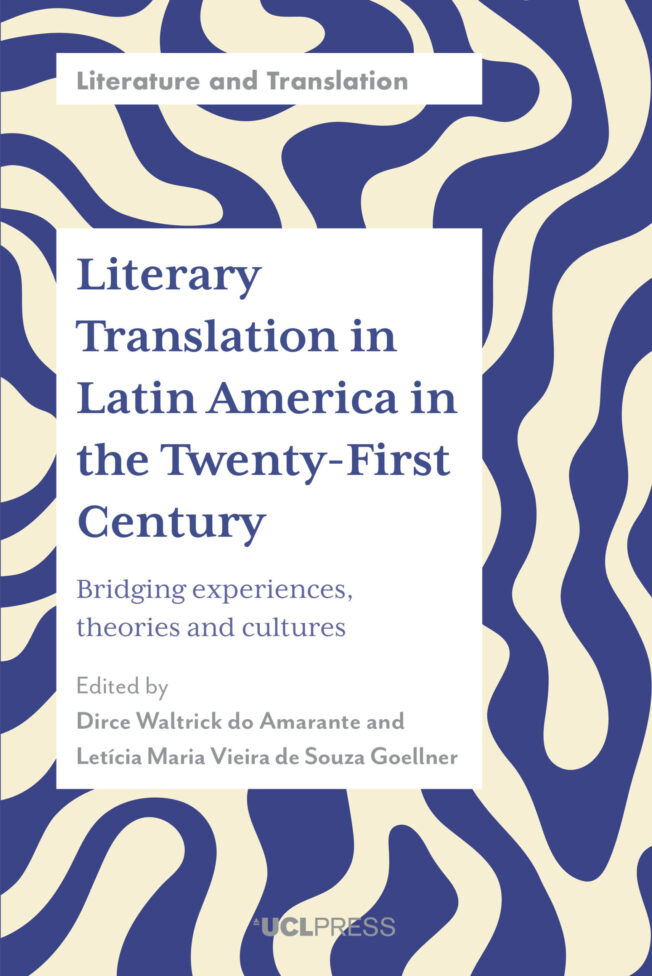
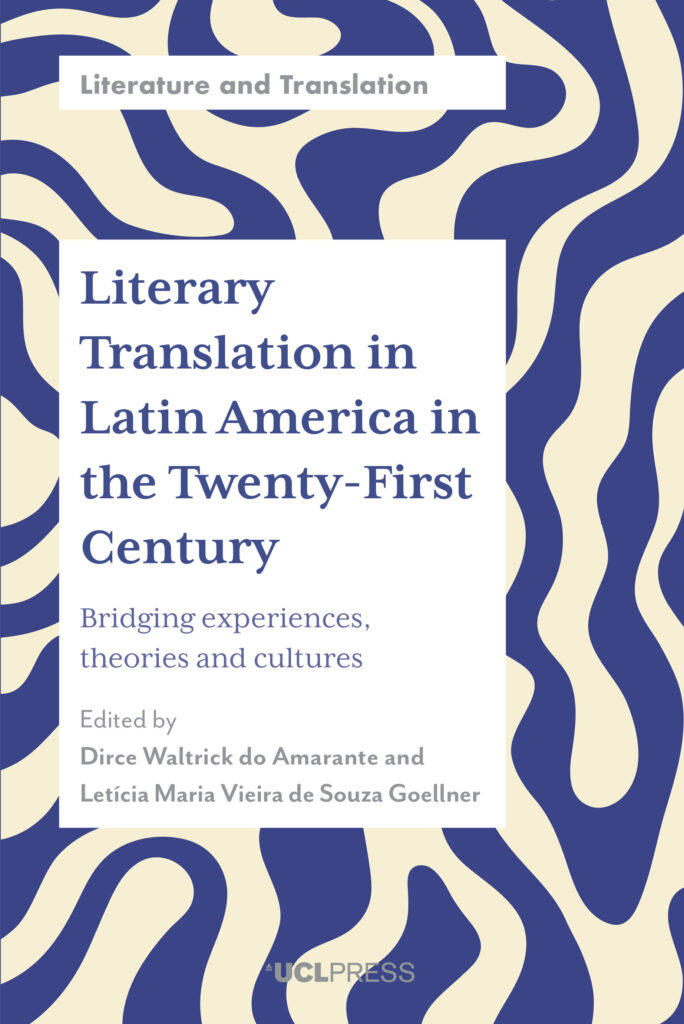
Literary Translation in Latin America in the Twenty-First Century
Bridging experiences, theories and cultures
Dirce Waltrick do Amarante (Editor), Letícia Maria Vieira de Souza Goellner (Editor)
Series: Literature and Translation
Literary Translation in Latin America in the Twenty-First Century provides an in-depth exploration of the current landscape of literary translation studies and translation practices across Latin America. The unparalleled linguistic diversity of Latin America, with nearly 500 languages spoken, makes translation a vital aspect of daily life, which in turn fosters a dynamic field of literary experimentation, attracting intense scholarly inquiry unique to the region. This rich linguistic mosaic includes the colonial legacies of Spanish and Portuguese; European languages that persist in Brazil, such as East Pomeranian; African languages such as Kimbundu and Yoruba, incorporated into standard Portuguese and used in religious practices; as well as indigenous languages including Quechua and Guarani. Furthermore, in a region where Spanish and Portuguese are predominant, translation is pivotal not only for facilitating internal communication, but also for engaging with global cultures.
This volume argues that translation in Latin America is not only an academic exercise but a vital, everyday practice that facilitates dialogue within the region, as well as with the wider world. It emphasises that the practice of translators, and the methods of scholars are not limited to established theories, but require innovative practices and methods to explore lesser-known traditions, and to merge orthodox studies with the cultural insights of Indigenous peoples.
Literary Translation in Latin America in the Twenty-First Century
Dirce Waltrick do Amarante, Letícia Maria Vieira de Souza Goellner,
04 June 2026
Translation Studies before ‘Translation Studies’
Kathryn Batchelor, Iryna Odrekhivska,
15 January 2026
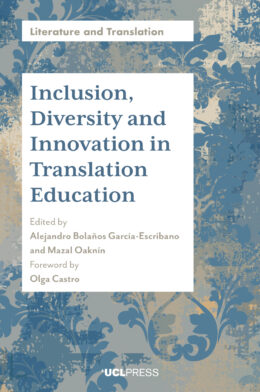
Inclusion, Diversity and Innovation in Translation Education
Alejandro Bolaños García-Escribano, Mazal Oaknín, Olga Castro,
01 October 2024
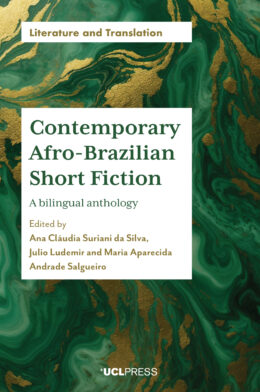
Contemporary Afro-Brazilian Short Fiction
Ana Cláudia Suriani da Silva, Julio Ludemir, Maria Aparecida Andrade Salgueiro,
03 September 2024
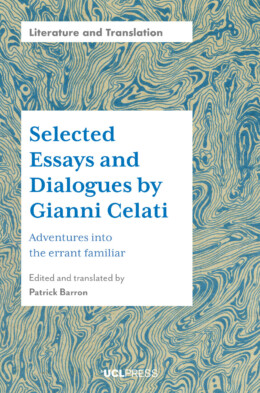

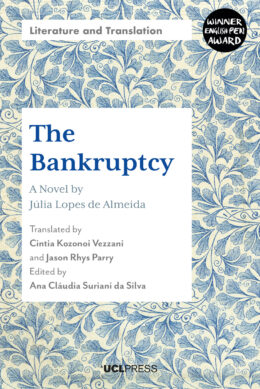
Júlia Lopes de Almeida, Ana Cláudia Suriani da Silva, Cintia Kozonoi Vezzani, Jason Rhys Parry,
17 July 2023

Literary Translation in Latin America in the Twenty-First Century
Bridging experiences, theories and cultures
Series: Literature and Translation
Publication date: June 4, 2026
Open Access PDF ISBN: 9781806550951
Paperback ISBN: 9781806550944
Hardback ISBN: 9781806550937
Trim size (hardback): 23.4cm x 15.6cm
Trim size (paperback): 23.4cm x 15.6cm
Literary Translation in Latin America in the Twenty-First Century provides an in-depth exploration of the current landscape of literary translation studies and translation practices across Latin America. The unparalleled linguistic diversity of Latin America, with nearly 500 languages spoken, makes translation a vital aspect of daily life, which in turn fosters a dynamic field of literary experimentation, attracting intense scholarly inquiry unique to the region. This rich linguistic mosaic includes the colonial legacies of Spanish and Portuguese; European languages that persist in Brazil, such as East Pomeranian; African languages such as Kimbundu and Yoruba, incorporated into standard Portuguese and used in religious practices; as well as indigenous languages including Quechua and Guarani. Furthermore, in a region where Spanish and Portuguese are predominant, translation is pivotal not only for facilitating internal communication, but also for engaging with global cultures.
This volume argues that translation in Latin America is not only an academic exercise but a vital, everyday practice that facilitates dialogue within the region, as well as with the wider world. It emphasises that the practice of translators, and the methods of scholars are not limited to established theories, but require innovative practices and methods to explore lesser-known traditions, and to merge orthodox studies with the cultural insights of Indigenous peoples.