
Publication date: 15 October 2026
DOI: https://doi.org/10.14324/111.9781806551538
Number of illustrations: 50

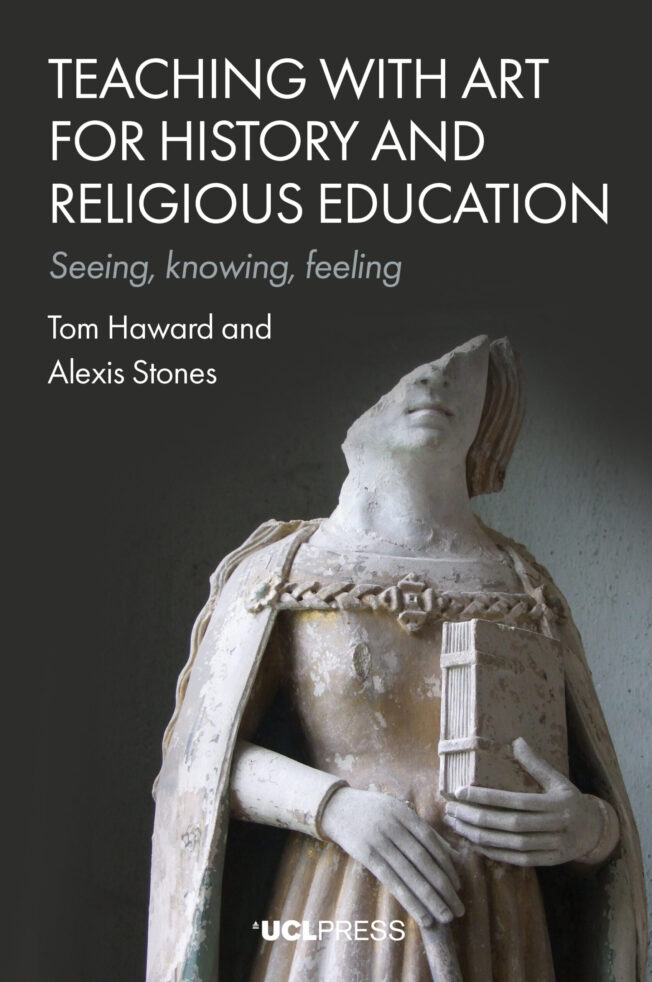
Teaching with Art for History and Religious Education
Seeing, knowing, feeling
Tom Haward (Author), Alexis Stones (Author)
In an age where our emerging global society is increasingly visual, Teaching with Art for History and Religious Education invites a fresh approach to the use of artwork and other visual materials when teaching about religion, history and the stories of art. Visual sources can be illuminating, paradoxical, subversive and disruptive; they can stimulate new ways of thinking about how we understand the past, faith and belief, and what this means for us in the present.
Drawing on new research and practice in schools, museums, galleries and public spaces, the book explores how visual sources are experienced by young people and educators. Images are considered as routes for investigating contested pasts, truth claims and traditions, or as provocations and protest. Theory and practice are woven into chapters to support the use of art in education and foster its potential for interdisciplinary approaches to Religious Education and History. A manifesto for using art in the curriculum offers principles for how visual culture can act as a key pivot for student learning, while a section on the ethics of teaching with images helps teachers through tricky conversations. Throughout the book educators are invited to use visual sources not as mere adjuncts to text, but as unique, rich, complex, engaging and distinct forms of knowledge in their own right.

How Alex Bloom Built Radical Democratic Secondary Education in Post-war London
Michael Fielding, Mark Erickson,
15 September 2026
Creating a Framework for Developing Sessional Teachers in Higher Education
Neil Sutherland, Alex Standen,
24 August 2026
Bringing Powerful Knowledge into Classrooms
Mark Hardman, Marie Nilsberth, Mikko Puustinen,
02 July 2026

Clive Young, Nataša Perović, Leo Havemann, Karen Shackleford-Cesare,
14 April 2026

Reading Randomised Controlled Trials
Robert Savage, Amy Fox, Anneka Dawson, Helen Gray, Clare Huxley,
03 March 2025
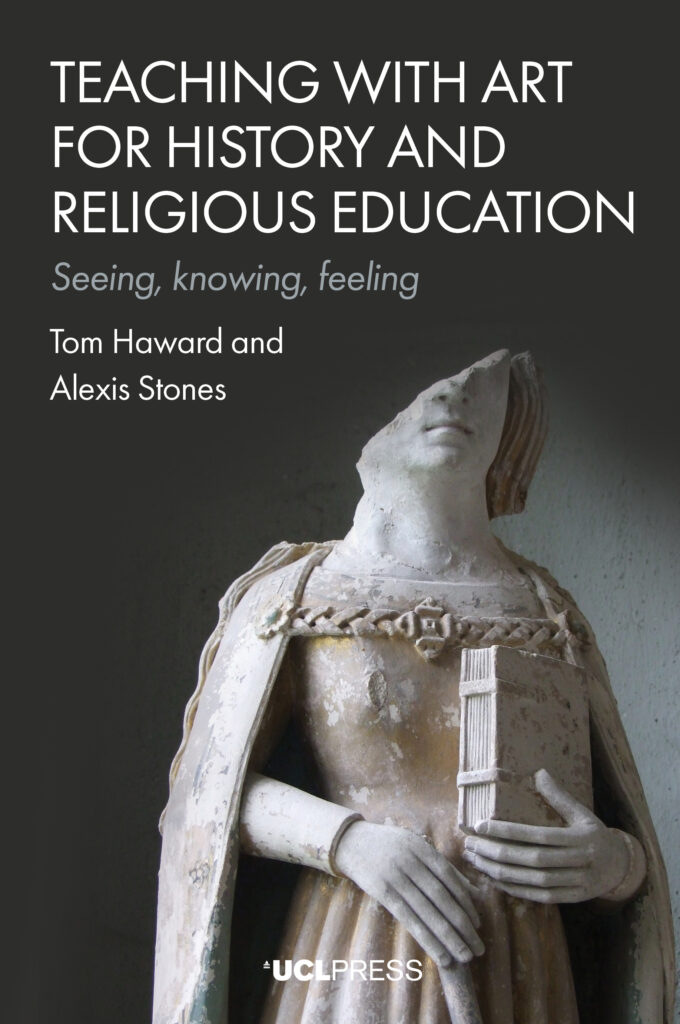
Teaching with Art for History and Religious Education
Seeing, knowing, feeling
Publication date: October 15, 2026
Open Access PDF ISBN: 9781806551538
Paperback ISBN: 9781806551521
Hardback ISBN: 9781806551514
Trim size (hardback): 23.4cm x 15.6cm
Trim size (paperback): 23.4cm x 15.6cm
In an age where our emerging global society is increasingly visual, Teaching with Art for History and Religious Education invites a fresh approach to the use of artwork and other visual materials when teaching about religion, history and the stories of art. Visual sources can be illuminating, paradoxical, subversive and disruptive; they can stimulate new ways of thinking about how we understand the past, faith and belief, and what this means for us in the present.
Drawing on new research and practice in schools, museums, galleries and public spaces, the book explores how visual sources are experienced by young people and educators. Images are considered as routes for investigating contested pasts, truth claims and traditions, or as provocations and protest. Theory and practice are woven into chapters to support the use of art in education and foster its potential for interdisciplinary approaches to Religious Education and History. A manifesto for using art in the curriculum offers principles for how visual culture can act as a key pivot for student learning, while a section on the ethics of teaching with images helps teachers through tricky conversations. Throughout the book educators are invited to use visual sources not as mere adjuncts to text, but as unique, rich, complex, engaging and distinct forms of knowledge in their own right.