
Publication date: 11 January 2027
DOI: https://doi.org/10.14324/111.9781800086371
Number of illustrations: 48

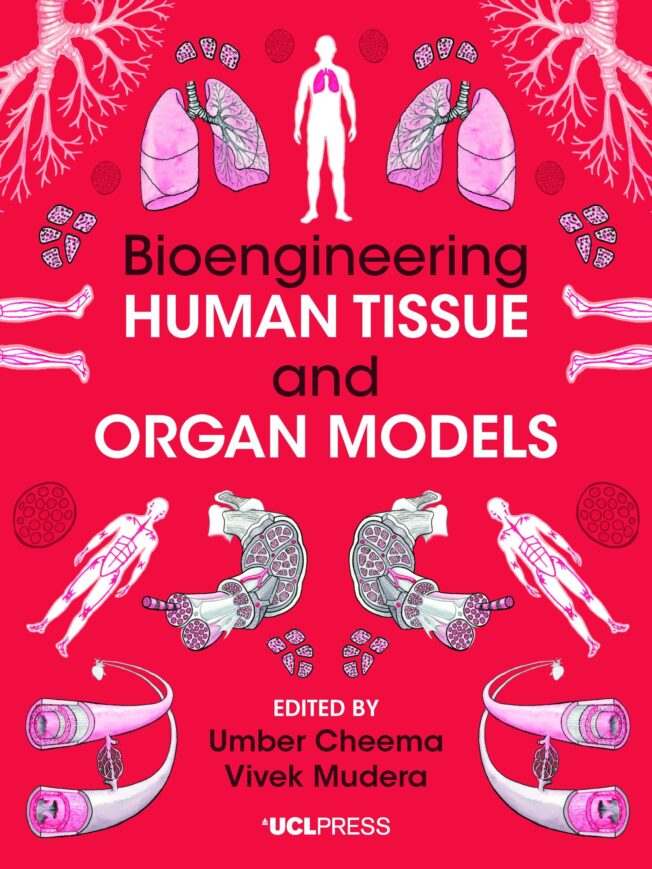
Bioengineering Human Tissue and Organ Models
Umber Cheema (Editor), Vivek Mudera (Editor)
Tissue engineering, and the overlapping field of regenerative medicine, are rapidly growing areas of innovation, research and development. This student-friendly textbook introduces the field of bioengineering human tissue. It gives an overview of the current human tissue models available, current methods and technical advancements.
Each chapter focuses on a particular organ or tissue model and is written by experts at the cutting-edge of research and discovery. Chapters are enriched with hand-drawn illustrations of organs and tissues, highlighting disease features.
As well as clinical applications, the potential use of 3D engineering tissue models to replace animal models is a key driver of current research. Bioengineering Human Tissue and Organ Models compares these models and their use in drug testing and disease modelling, providing students with an understanding of the benefits of using bioengineered samples.
Related titles
Textbook of Plastic and Reconstructive Surgery
Deepak K. Kalaskar B.Tech PhD, Professor Peter E. Butler MD, FRCSI, FRCS, FRCS (Plast), Shadi Ghali,
02 August 2016
Bioengineering Human Tissue and Organ Models
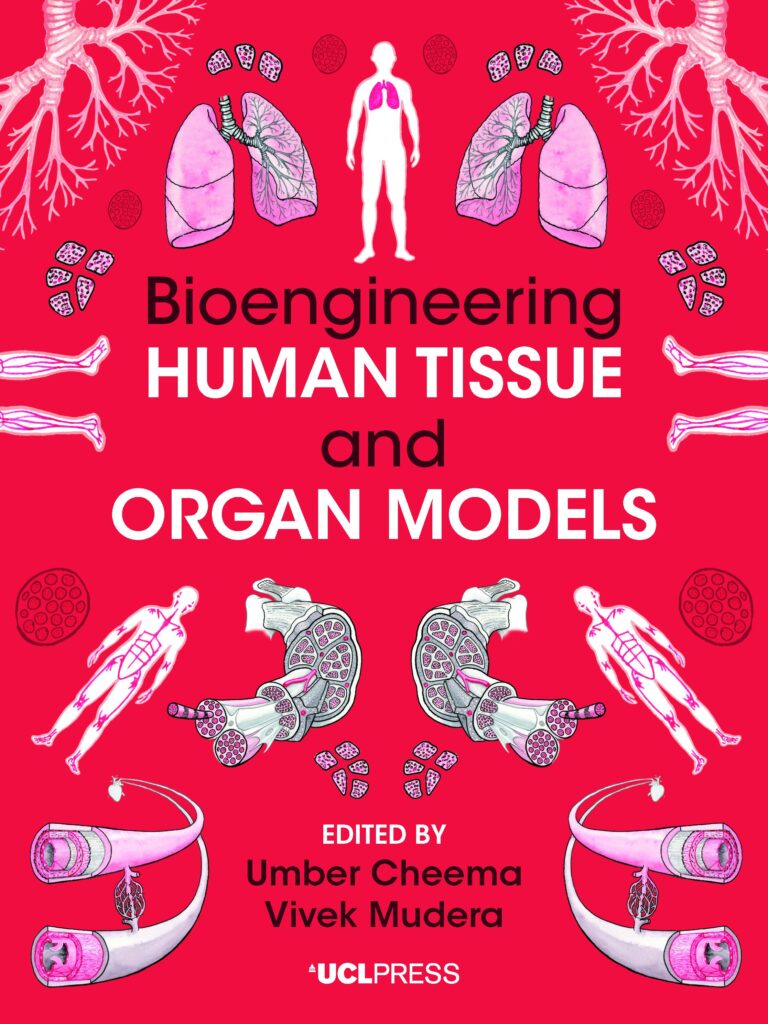
Publication date: January 11, 2027
Open Access PDF ISBN: 9781800086371
Paperback ISBN: 9781800086364
Hardback ISBN: 9781806552672
Trim size (hardback): 24.6cm x 18.9cm
Trim size (paperback): 24.6cm x 18.9cm
Tissue engineering, and the overlapping field of regenerative medicine, are rapidly growing areas of innovation, research and development. This student-friendly textbook introduces the field of bioengineering human tissue. It gives an overview of the current human tissue models available, current methods and technical advancements.
Each chapter focuses on a particular organ or tissue model and is written by experts at the cutting-edge of research and discovery. Chapters are enriched with hand-drawn illustrations of organs and tissues, highlighting disease features.
As well as clinical applications, the potential use of 3D engineering tissue models to replace animal models is a key driver of current research. Bioengineering Human Tissue and Organ Models compares these models and their use in drug testing and disease modelling, providing students with an understanding of the benefits of using bioengineered samples.
‘This book provides a wonderful resource for students and academics seeking an understanding of bioengineered human tissue and organ models, which have become central in tissue engineering and regenerative medicine. It is organised in chapters covering specific organs or tissues, making it easy to navigate and read. This book will become a go-to reference text for teaching and learning about bioengineered biomimetic tissue models.’
Elena García-Gareta, University of Zaragoza, Spain.
‘This is a great guide and reference text for engineering human tissue and organ models. Each chapter is accessible, following the same format- beginning with an overview and diagrammatic representation of the structure and function of the tissue, followed by specific diseases associated with each tissue type. Current animal and in vitro models are presented together with a critical appraisal of methods, and, handily, future perspectives. An invaluable source of information for those at the start, or middle, of their tissue engineering journey.’
Nazia Mehrban, University of Bath, UK
‘This textbook brings together outstanding researchers from the fields of tissue engineering and regenerative medicine to deliver an authoritative and accessible resource for students. Each chapter provides evidence of advancements in bioengineering a specific tissue or organ. This allows the reader to directly compare tissues and organs at their own pace. The accompanying illustrations are beautiful, detailing tissue specific details which enhance the chapters. This is an excellent overview for students at every stage, from advanced undergraduates to PhD researchers. I will be recommending it.’
Rui L. Reis, University of Minho, Portugal
‘Bioengineering Human Tissue and Organ Models is an outstanding and timely resource for researchers and students advancing the field of human tissue and organ bioengineering. By seamlessly integrating foundational principles with cutting-edge approaches, this book provides an essential roadmap for developing increasingly sophisticated and physiologically relevant models of human biology. It is an invaluable resource that will inspire and equip the next generation of bioengineers to drive innovation in biomedical research and regenerative medicine.’
Lucy Di Silvio, KCL, UK
‘From bone and cartilage to complex organ systems, this volume connects tissue engineering with the practical challenges of modelling human biology. Umber Cheema and Vivek Mudera bring together expert perspectives on models for studying disease, testing drugs and advancing regenerative medicine. Its breadth and focus on human tissues make it a valuable introduction for students and a useful resource for researchers exploring how engineered models can reduce reliance on animal experimentation.’
Håvard J. Haugen, University of Oslo, Norway
‘This is an excellent overview for students at every stage, from advanced undergraduates to PhD researchers. I will be recommending it.’
Rui L. Reis, University of Minho, Portugal
‘An invaluable resource that will inspire and equip the next generation of bioengineers to drive innovation in biomedical research and regenerative medicine.’
Lucy Di Silvio, King’s College London, UK
‘A go-to reference text for teaching and learning about bioengineered biomimetic tissue models.’
Elena García-Gareta, University of Zaragoza, Spain