
Publication date: 28 October 2024
DOI: https://doi.org/10.14324/111.9781787354234
Number of illustrations: 22

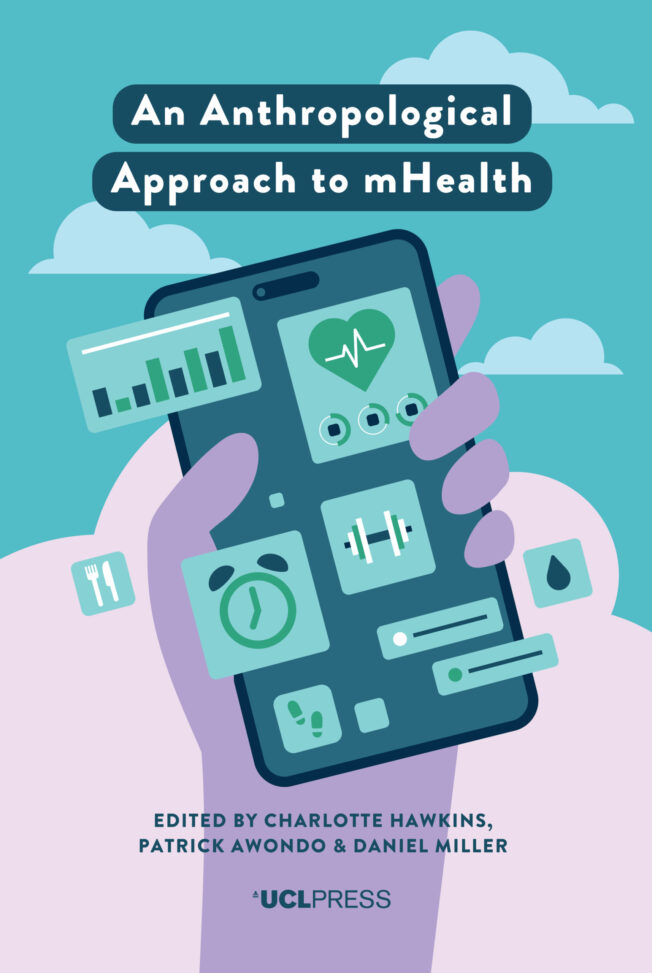
An Anthropological Approach to mHealth
Charlotte Hawkins (Editor), Patrick Awondo (Editor), Daniel Miller (Editor)
Series: Ageing with Smartphones
This book proposes a radically different anthropological approach to the development and dissemination of mobile health (mHealth), a rapidly growing sector in healthcare. An Anthropological Approach to mHealth is based on ten 16-month ethnographies in settings across Asia, Africa, Europe and Latin America that showed how conventional health apps may be irrelevant particularly for older people. Instead, the studies found that many people use their mobile and smartphones for health purposes to a surprising extent. They take the communicative apps they have become comfortable with, such as LINE, WeChat and WhatsApp, and are highly creative in turning them into their own health apps. These are the practices from which this book seeks to learn, in what we call a ‘smart-from-below’ approach.
This body of research also provided many additional insights, including the consequences of googling for health information, the role of the smartphone in specific settings such as an oncology clinic in Chile or tele-psychotherapy in Uganda, and the lessons learnt during Covid-19 around the problems in self-tracking. Overall, the authors show how an anthropological approach situated in the observation of everyday life can be the foundation for an alternative but highly promising perspective on the future of mHealth.
Related titles
How the World Changed Social Media
Daniel Miller, Elisabetta Costa, Dr Nell Haynes, Tom McDonald, Razvan Nicolescu, Dr Jolynna Sinanan, Juliano Spyer, Shriram Venkatraman, Xinyuan Wang,
29 February 2016

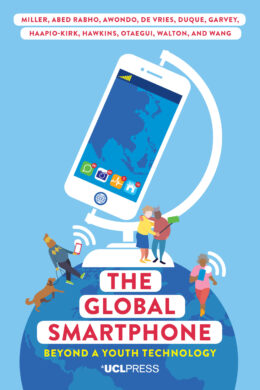
Daniel Miller, Laila Abed Rabho, Patrick Awondo, Maya de Vries, Marília Duque, Pauline Garvey, Laura Haapio-Kirk, Charlotte Hawkins, Alfonso Otaegui, Shireen Walton, Xinyuan Wang,
06 May 2021
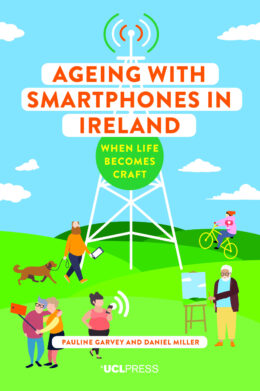
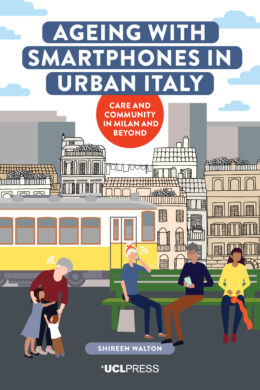
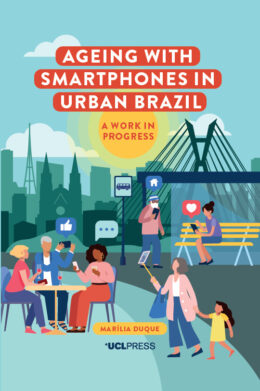

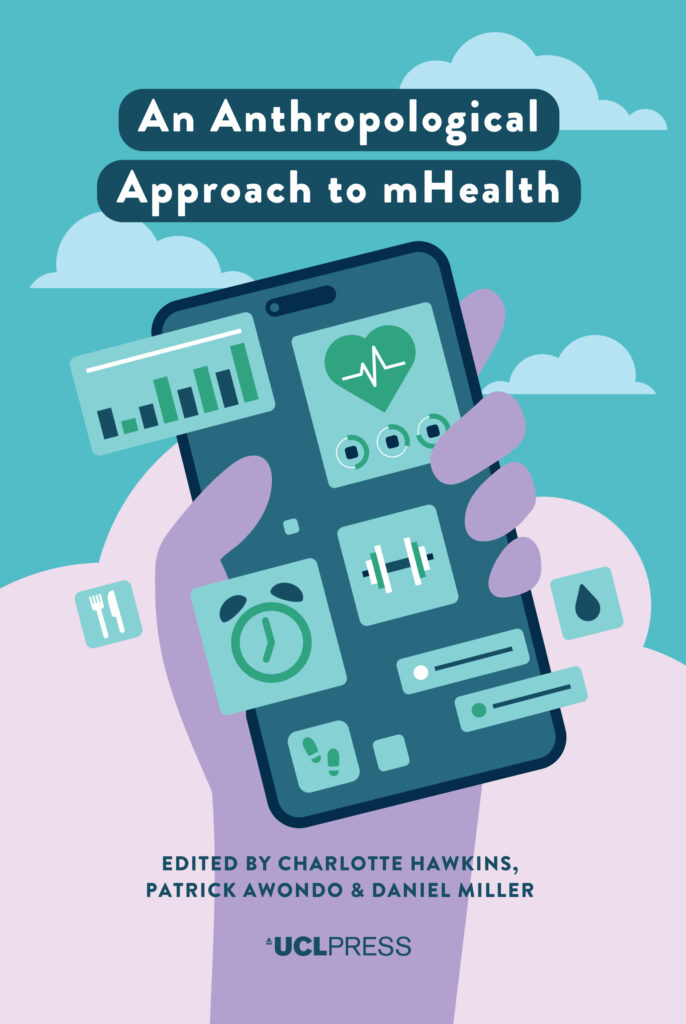
An Anthropological Approach to mHealth
Series: Ageing with Smartphones
Publication date: October 28, 2024
Open Access PDF ISBN: 9781787354234
Paperback ISBN: 9781787354241
Hardback ISBN: 9781787354258
Trim size (hardback): 23.4cm x 15.6cm
Trim size (paperback): 23.4cm x 15.6cm
This book proposes a radically different anthropological approach to the development and dissemination of mobile health (mHealth), a rapidly growing sector in healthcare. An Anthropological Approach to mHealth is based on ten 16-month ethnographies in settings across Asia, Africa, Europe and Latin America that showed how conventional health apps may be irrelevant particularly for older people. Instead, the studies found that many people use their mobile and smartphones for health purposes to a surprising extent. They take the communicative apps they have become comfortable with, such as LINE, WeChat and WhatsApp, and are highly creative in turning them into their own health apps. These are the practices from which this book seeks to learn, in what we call a ‘smart-from-below’ approach.
This body of research also provided many additional insights, including the consequences of googling for health information, the role of the smartphone in specific settings such as an oncology clinic in Chile or tele-psychotherapy in Uganda, and the lessons learnt during Covid-19 around the problems in self-tracking. Overall, the authors show how an anthropological approach situated in the observation of everyday life can be the foundation for an alternative but highly promising perspective on the future of mHealth.