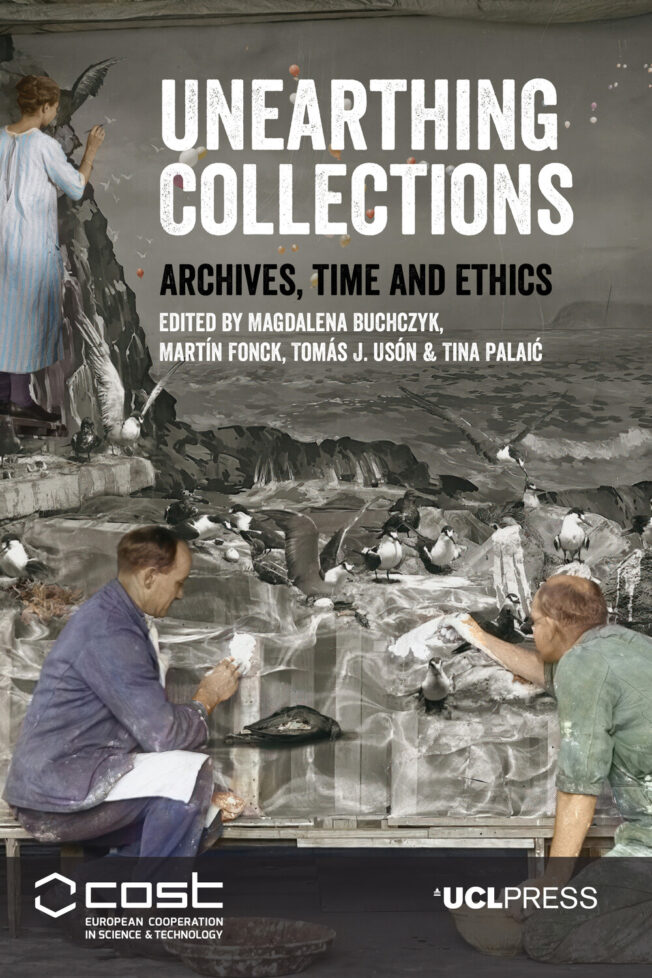

Unearthing Collections
Archives, time and ethics
Magdalena Buchczyk (Editor), Martín Fonck (Editor), Tomás J. Usón (Editor), Tina Palaić (Editor)
Unearthing Collections invites readers to reconsider the ethics of collections and archives through the lens of temporality. Drawing on case studies that range from community protests over glacial sampling to the ethical dilemmas of housing human remains in museum collections and acquiring ephemeral political art, the authors interrogate the urgent challenges of collecting, displaying and preserving traces.
The book is framed around the concept of ‘unearthing’, the process of revealing hidden truths, excavating layers of history, and uncovering the unknown. It explores how the pursuit of knowledge often comes at the cost of displacement, exploitation, commodification, and the enduring legacies of imperialism and colonialism.
Alongside critique of the extractive practices that shaped many collections and archives, the book proposes a shift towards ‘re-earthing’, a practice that reconfigures how we understand and engage with knowledge about traces. As a critical approach, re-earthing acknowledges the messy, entangled nature of traces of the past, rejecting attempts to purify or control them in collections and archives, so they may evolve into new forms of knowledge. This innovative perspective challenges scholars, archivists, artists, and collection practitioners to rethink their approach to time and trace, urging them to disrupt dominant chronologies and cultivate new ethical approaches for working with collections and archives.
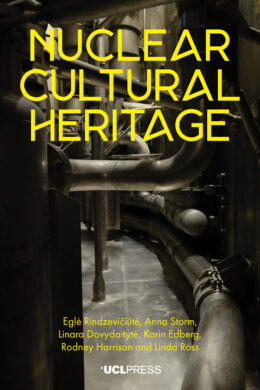
Eglė Rindzevičiūtė, Anna Storm, Linara Dovydaitytė, Karin Edberg, Rodney Harrison, Linda Ross,
01 April 2027
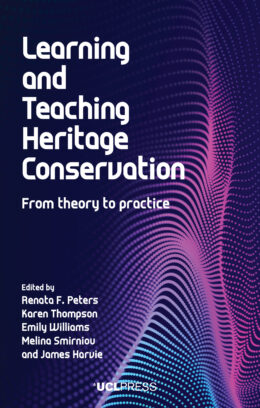
Learning and Teaching Heritage Conservation
Renata F. Peters, Karen Thompson, Emily Williams, Melina Smirniou, James Harvie,
01 March 2027
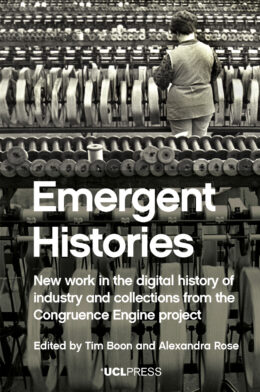

Toby Butler, Felix Driver, Barbara Brayshay, Chris Church, Jeremy Iles, Oli Mould, Saskia Papadakis,
12 November 2026
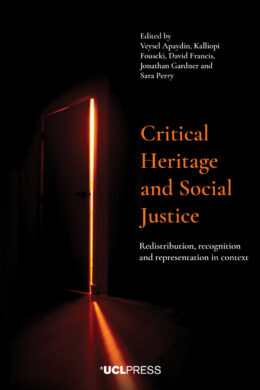
Critical Heritage and Social Justice
Veysel Apaydin, Kalliopi Fouseki, David Francis, Jonathan Gardner, Sara Perry,
05 March 2026
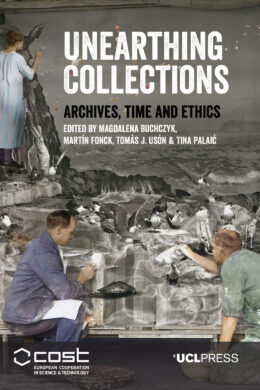
Magdalena Buchczyk, Martín Fonck, Tomás J. Usón, Tina Palaić,
24 November 2025

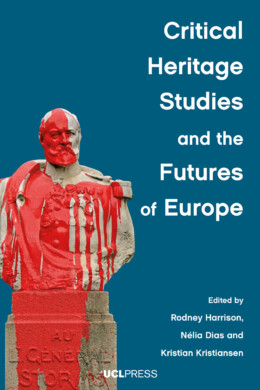
Critical Heritage Studies and the Futures of Europe
Rodney Harrison, Nélia Dias, Kristian Kristiansen,
24 October 2023
Unearthing Collections
Archives, time and ethics
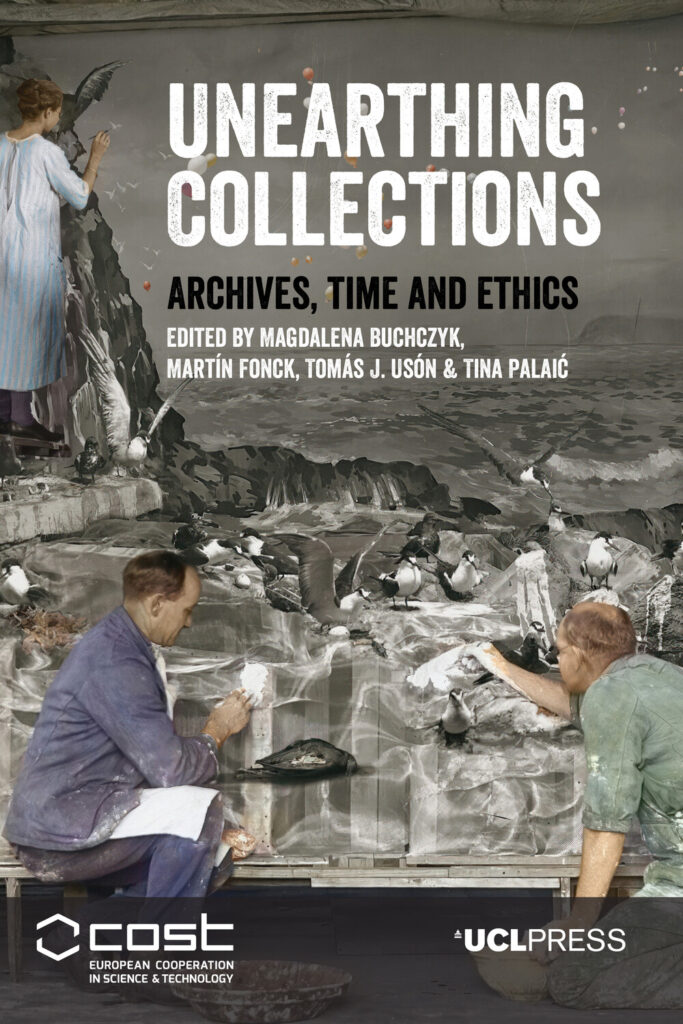
Unearthing Collections invites readers to reconsider the ethics of collections and archives through the lens of temporality. Drawing on case studies that range from community protests over glacial sampling to the ethical dilemmas of housing human remains in museum collections and acquiring ephemeral political art, the authors interrogate the urgent challenges of collecting, displaying and preserving traces.
The book is framed around the concept of ‘unearthing’, the process of revealing hidden truths, excavating layers of history, and uncovering the unknown. It explores how the pursuit of knowledge often comes at the cost of displacement, exploitation, commodification, and the enduring legacies of imperialism and colonialism.
Alongside critique of the extractive practices that shaped many collections and archives, the book proposes a shift towards ‘re-earthing’, a practice that reconfigures how we understand and engage with knowledge about traces. As a critical approach, re-earthing acknowledges the messy, entangled nature of traces of the past, rejecting attempts to purify or control them in collections and archives, so they may evolve into new forms of knowledge. This innovative perspective challenges scholars, archivists, artists, and collection practitioners to rethink their approach to time and trace, urging them to disrupt dominant chronologies and cultivate new ethical approaches for working with collections and archives.