We are currently upgrading our shopping cart; in the interim all orders are being diverted to Waterstones. If you would like to redeem a promotional code, or are an author wanting to place an order, please email us.
Home » Books » Anthropology » Epidemiological Change and Chronic Disease in Sub-Saharan Africa
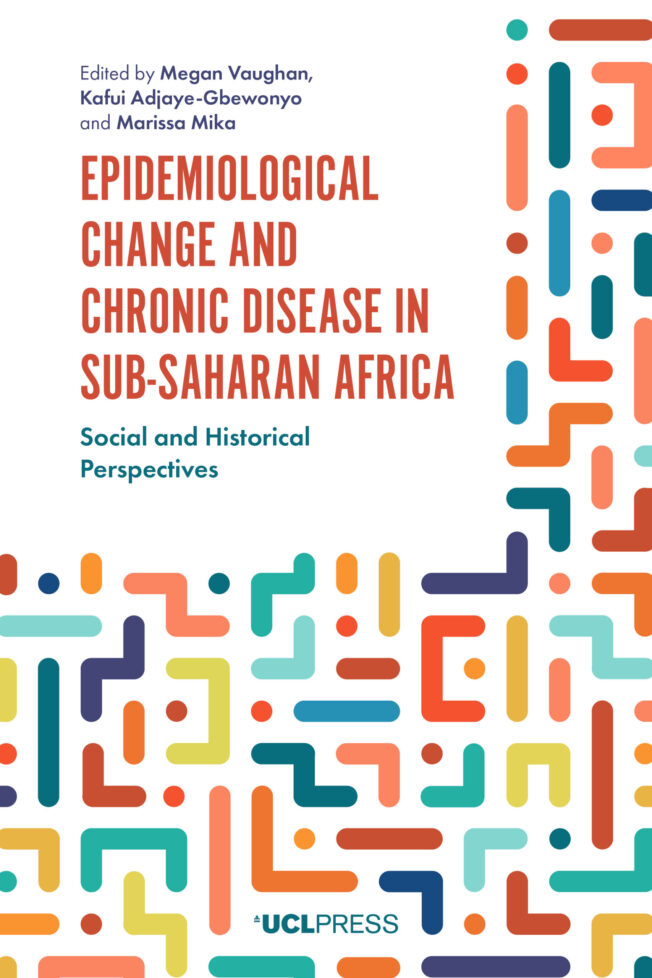
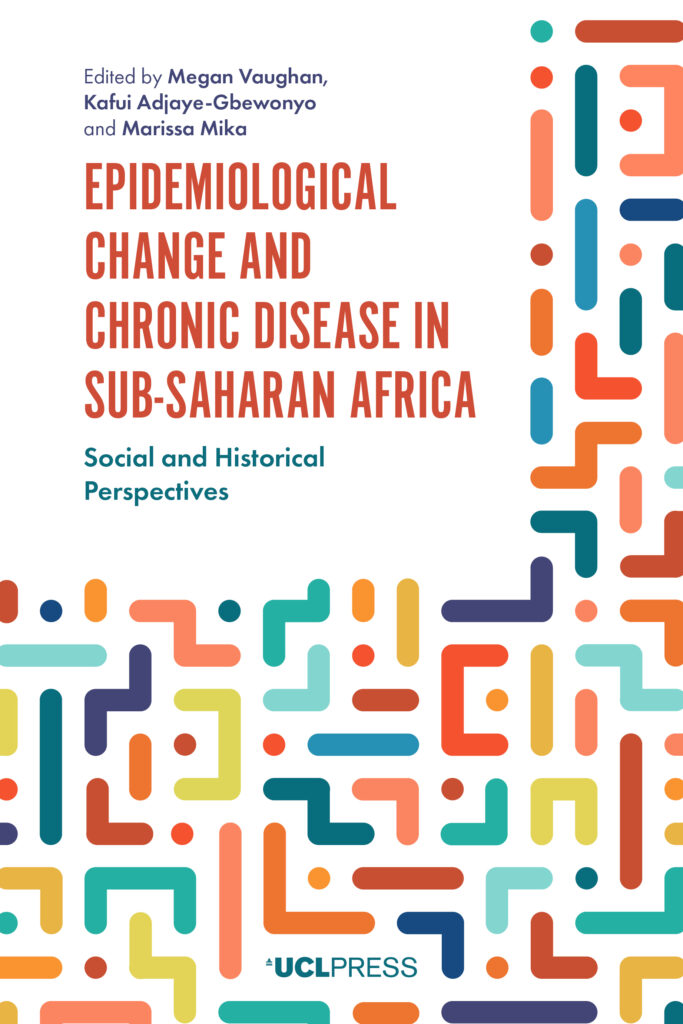
Epidemiological Change and Chronic Disease in Sub-Saharan Africa offers new and critical perspectives on the causes and consequences of recent epidemiological changes in sub-Saharan Africa, particularly on the increasing incidence of so-called ‘non-communicable’ and chronic conditions. Historians, social anthropologists, public health experts and social epidemiologists present important insights from a number of African perspectives and locations to present an incisive critique of ‘epidemiological transition’ theory and suggest alternative understandings of the epidemiological change on the continent.
Arranged in three parts, ‘Temporalities: Beyond Transition’, ‘Numbers and Categories’ and ‘Local Biologies and Knowledge Systems’, the chapters cover a broad range of subjects and themes, including the trajectory of maternal mortality in East Africa, the African smoking epidemic, the history of sugar consumption in South Africa, causality between infectious and non-communicable diseases in Ghana and Belize, the complex relationships between adult hypertension and paediatric HIV in Botswana, and stories of cancer patients and their families as they pursue treatment and care in Kenya.
In all, the volume provides insights drawn from historical perspectives and from the African social and clinical experience to offer new perspectives on the changing epidemiology of sub-Saharan Africa that go beyond theories of ‘transition’. It will be of value to students and researchers in Global Health, Medical Anthropology and Public Health, and to readers with an interest in African Studies.
Epidemiological Change and Chronic Disease in Sub-Saharan Africa offers new and critical perspectives on the causes and consequences of recent epidemiological changes in sub-Saharan Africa, particularly on the increasing incidence of so-called ‘non-communicable’ and chronic conditions. Historians, social anthropologists, public health experts and social epidemiologists present important insights from a number of African perspectives and locations to present an incisive critique of ‘epidemiological transition’ theory and suggest alternative understandings of the epidemiological change on the continent.
Arranged in three parts, ‘Temporalities: Beyond Transition’, ‘Numbers and Categories’ and ‘Local Biologies and Knowledge Systems’, the chapters cover a broad range of subjects and themes, including the trajectory of maternal mortality in East Africa, the African smoking epidemic, the history of sugar consumption in South Africa, causality between infectious and non-communicable diseases in Ghana and Belize, the complex relationships between adult hypertension and paediatric HIV in Botswana, and stories of cancer patients and their families as they pursue treatment and care in Kenya.
In all, the volume provides insights drawn from historical perspectives and from the African social and clinical experience to offer new perspectives on the changing epidemiology of sub-Saharan Africa that go beyond theories of ‘transition’. It will be of value to students and researchers in Global Health, Medical Anthropology and Public Health, and to readers with an interest in African Studies.
Megan Vaughan (Editor)
Megan Vaughan is Professor of African History and Health at UCL, having previously held posts in Cambridge, Oxford and the City University New York. She is a historian and anthropologist who has worked extensively on health, nutrition, agriculture and environment in east/central and southern Africa and on the history of colonial medicine and psychiatry. She currently heads a Wellcome Trust funded research programme in the history of chronic disease in sub-Saharan Africa.
Kafui Adjaye-Gbewonyo (Editor)
Kafui Adjaye-Gbewonyo is a social epidemiologist with an interest in social and contextual determinants of health and chronic disease in the Africa region. She is currently Senior Lecturer in Public Health at the University of Greenwich.
Marissa Mika (Editor)
Marissa Mika is a historian and ethnographer who works on issues where politics, science, technology, medicine intersect in contemporary Africa. She is completing a book on the history of cancer research in Uganda.
Sign up to our newsletter
Don't miss out! Subscribe to the UCL Press newsletter for the latest open access books, journal CfPs, news and views from our authors and much more!