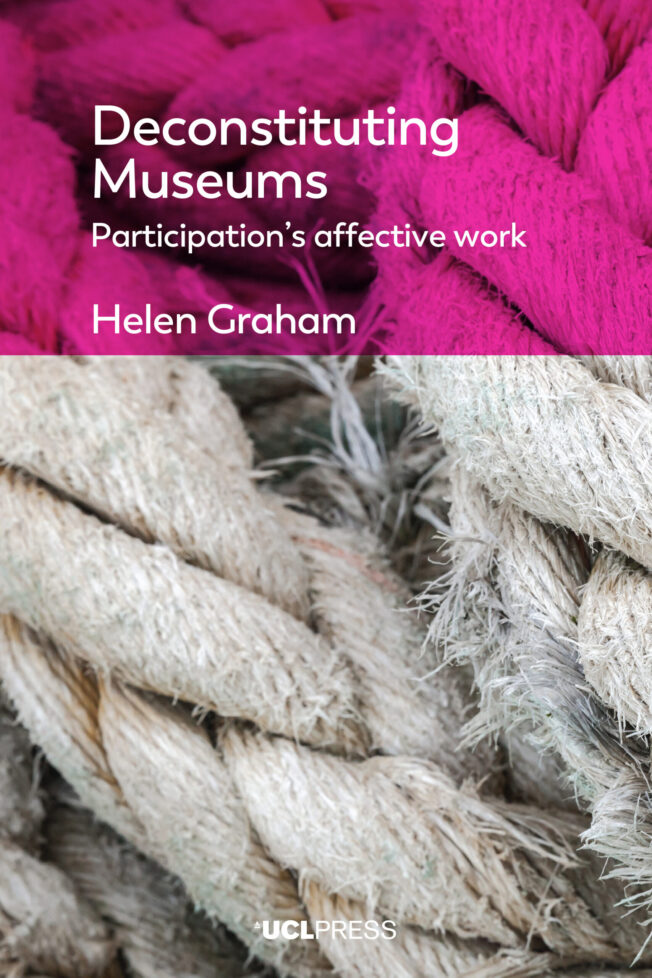

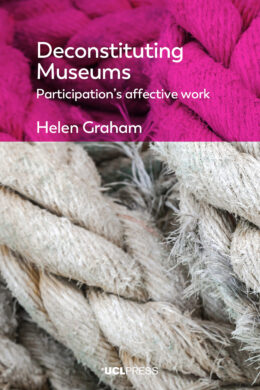
Deconstituting Museums
Participation's affective work
Helen Graham (Author)
Over the past 30 years, museums have turned to participation in the hope that direct involvement of non-museum staff would serve their claims to be accessible, inclusive, representative and diverse. And yet, adding participation to museums has often generated conflict, disappointment and anger.
Deconstituting Museums argues that the difficulties produced by adding participatory practice arise from political incompatibility. In the representational liberal logics that underpin museum decision-making, trustees and professionals make decisions ‘on behalf of’ future generations and the public. This is a political infrastructure the book names ‘museum constitution’. Conversely, participation arises from ideas and practices from direct and horizontal political traditions, drawing those who act as facilitators into new relationships and expanding political imaginations.
Through sustained engagement with theories of affect, materialism, and feminist and decolonial praxis, Helen Graham identifies techniques for deconstituting museums. She uses experimental writing as a method to turn away from the desire to right institutional wrongs and towards relational and directly negotiated ways of organising. In doing so she locates participation not as engagement but as a mode of governance that is enabled by, and enables, variant political ontologies. This is an alternative named ‘participatory worlding’. The affective work of facilitating participation has long tugged at and frayed museums’ constitutional liberal logics. Deconstituting Museums envisages how participation and its affects might be activated in reworking the politics of heritage.
Eglė Rindzevičiūtė, Anna Storm, Linara Dovydaitytė, Karin Edberg, Rodney Harrison, Linda Ross,
01 April 2027
Second World War Archaeology at the Edge of Living Memory
Gabriel Moshenska, Jennifer McKinnon,
01 April 2027
Learning and Teaching Heritage Conservation
Renata F. Peters, Karen Thompson, Emily Williams, Melina Smirniou, James Harvie,
01 March 2027
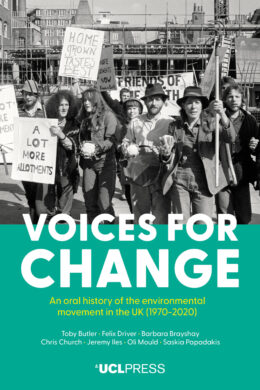
Toby Butler, Felix Driver, Barbara Brayshay, Chris Church, Jeremy Iles, Oli Mould, Saskia Papadakis,
12 November 2026
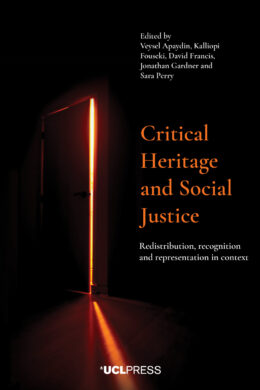
Critical Heritage and Social Justice
Veysel Apaydin, Kalliopi Fouseki, David Francis, Jonathan Gardner, Sara Perry,
05 March 2026
Magdalena Buchczyk, Martín Fonck, Tomás J. Usón, Tina Palaić,
24 November 2025
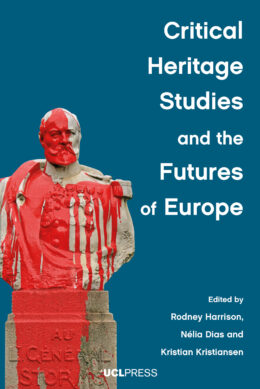
Critical Heritage Studies and the Futures of Europe
Rodney Harrison, Nélia Dias, Kristian Kristiansen,
24 October 2023
Deconstituting Museums
Participation's affective work
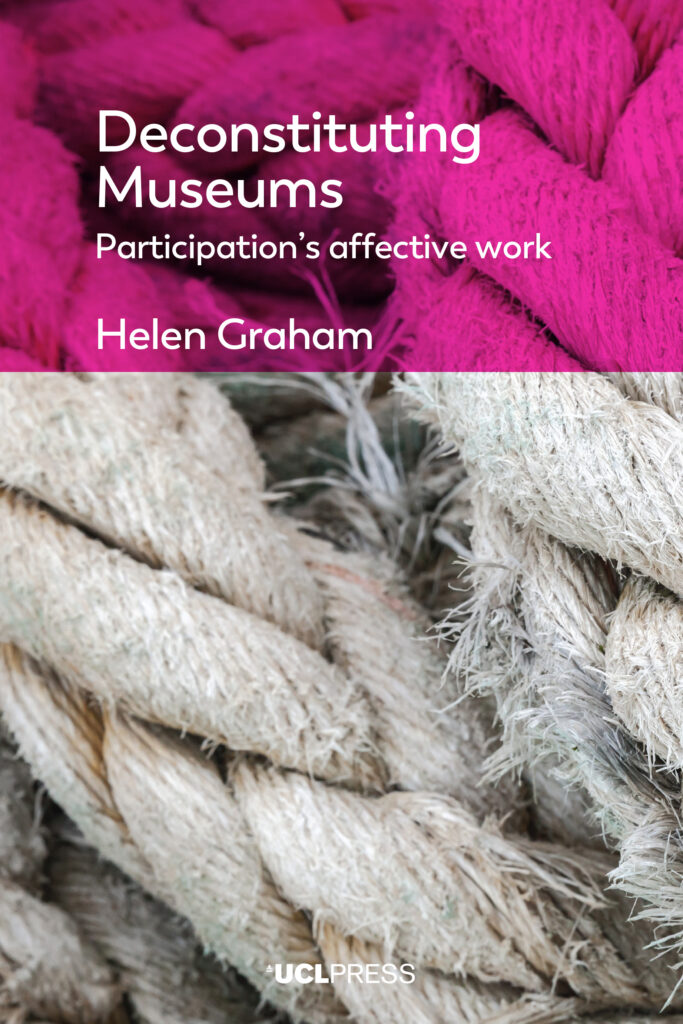
Publication date: September 10, 2025
Open Access PDF ISBN: 9781800089136
Paperback ISBN: 9781800089129
Hardback ISBN: 9781800089112
Trim size (hardback): 23.4cm x 15.6cm
Trim size (paperback): 23.4cm x 15.6cm

Over the past 30 years, museums have turned to participation in the hope that direct involvement of non-museum staff would serve their claims to be accessible, inclusive, representative and diverse. And yet, adding participation to museums has often generated conflict, disappointment and anger.
Deconstituting Museums argues that the difficulties produced by adding participatory practice arise from political incompatibility. In the representational liberal logics that underpin museum decision-making, trustees and professionals make decisions ‘on behalf of’ future generations and the public. This is a political infrastructure the book names ‘museum constitution’. Conversely, participation arises from ideas and practices from direct and horizontal political traditions, drawing those who act as facilitators into new relationships and expanding political imaginations.
Through sustained engagement with theories of affect, materialism, and feminist and decolonial praxis, Helen Graham identifies techniques for deconstituting museums. She uses experimental writing as a method to turn away from the desire to right institutional wrongs and towards relational and directly negotiated ways of organising. In doing so she locates participation not as engagement but as a mode of governance that is enabled by, and enables, variant political ontologies. This is an alternative named ‘participatory worlding’. The affective work of facilitating participation has long tugged at and frayed museums’ constitutional liberal logics. Deconstituting Museums envisages how participation and its affects might be activated in reworking the politics of heritage.