
Publication date: 27 October 2026
DOI: https://doi.org/10.14324/111.9781800086456
Number of illustrations: 20

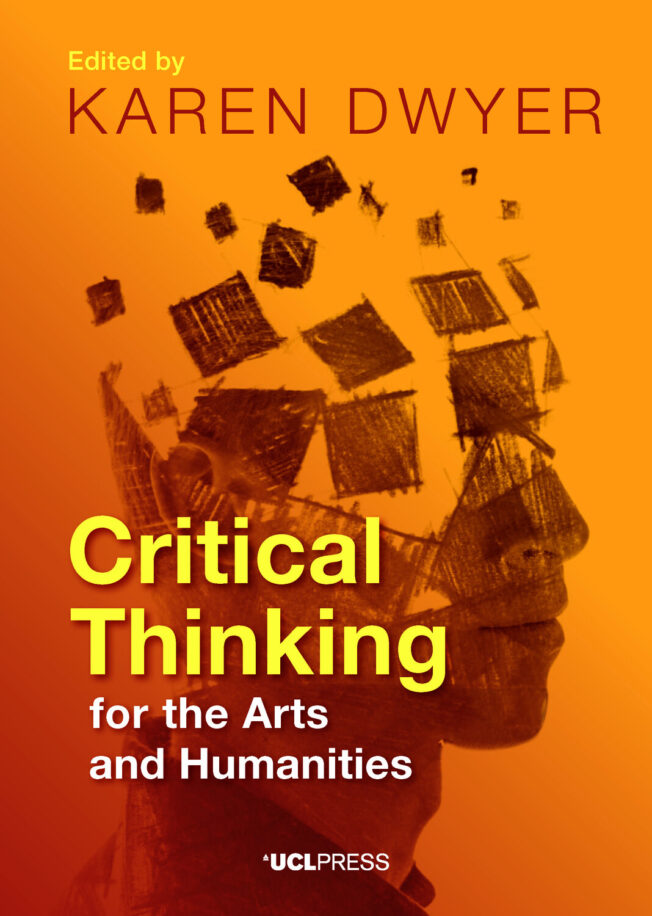
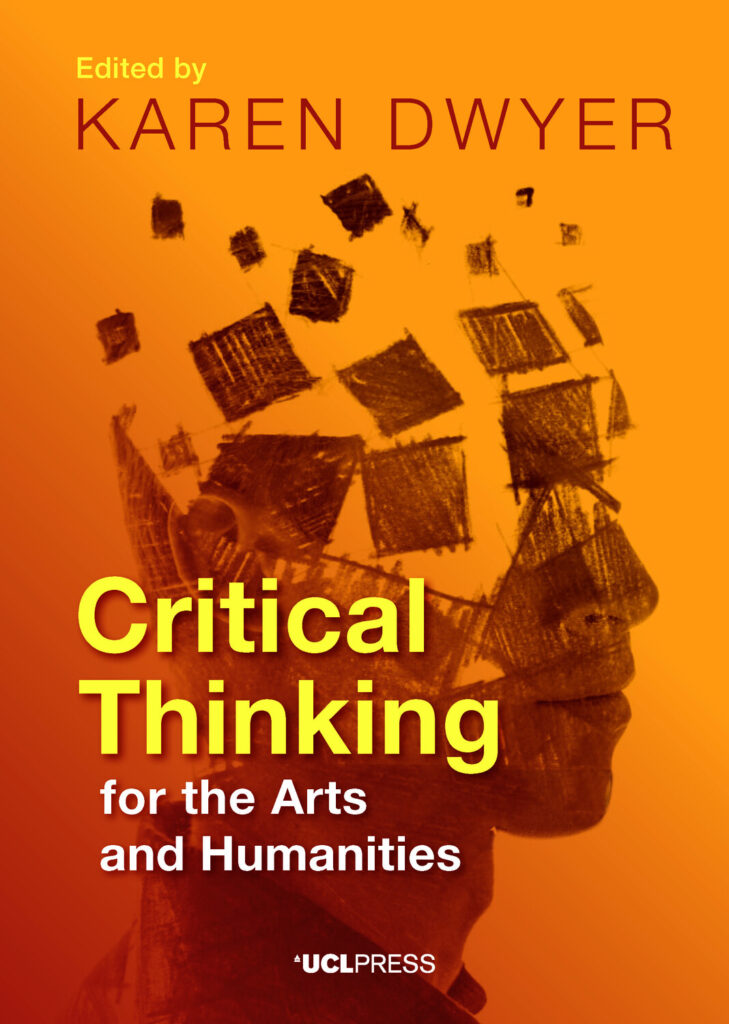
Critical Thinking for the Arts and Humanities
Karen Dwyer (Editor)
This textbook provides a multi-disciplinary introduction to critical thinking skills as applied to the arts and humanities. Fifteen case studies, each based on research conducted at UCL, illustrate critical thinking skills within a specific discipline, guiding students through the research process and offering inspiration and example for wider research design and practice. The case studies are introduced by a summary of the main concepts and skills, and the research methodologies applied. Accompanying exercises provide opportunities to apply the skills illustrated in the study to real-world contexts.
Critical Thinking for the Arts and Humanities avoids promoting a view of critical thinking as a set of generic skills that apply across academia. Instead, it encourages students to understand the skills they will be expected to demonstrate in their own study of the arts and humanities. Approaches to knowledge vary across academic disciplines – and this book equips students with the ability to think critically in their own work.
Related titles
Medical Humanity and Inhumanity in the German-Speaking World
Mererid Puw Davies, Sonu Shamdasani,
15 April 2020
Anneleen Masschelein, Florian Mussgnug, Jennifer Rushworth,
25 November 2021
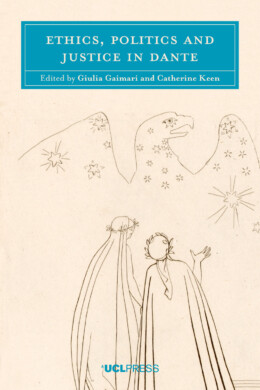
Comparative Perspectives on the Rise of the Brazilian Novel
Ana Cláudia Suriani da Silva, Sandra Guardini Vasconcelos,
14 May 2020
Critical Thinking for the Arts and Humanities
Publication date: October 27, 2026
Open Access PDF ISBN: 9781800086456
Paperback ISBN: 9781800086432
Hardback ISBN: 9781806551170
Trim size (hardback): 24.6cm x 18.9cm
Trim size (paperback): 24.6cm x 18.9cm
This textbook provides a multi-disciplinary introduction to critical thinking skills as applied to the arts and humanities. Fifteen case studies, each based on research conducted at UCL, illustrate critical thinking skills within a specific discipline, guiding students through the research process and offering inspiration and example for wider research design and practice. The case studies are introduced by a summary of the main concepts and skills, and the research methodologies applied. Accompanying exercises provide opportunities to apply the skills illustrated in the study to real-world contexts.
Critical Thinking for the Arts and Humanities avoids promoting a view of critical thinking as a set of generic skills that apply across academia. Instead, it encourages students to understand the skills they will be expected to demonstrate in their own study of the arts and humanities. Approaches to knowledge vary across academic disciplines – and this book equips students with the ability to think critically in their own work.
Critical Thinking for the Arts and Humanities is an excellent text which plugs a significant gap in the market. The text uses a collection of published articles as a vehicle for the reader’s development of essential critical thinking skills.
The integration of case studies and student activities is a standout strength of the book, which covers a wide range of disciplines, from ancient oratory to film studies. The accompanying activities expertly consolidate critical thinking skills, ensuring that students can practice close reading and methodological analysis. The book is structured in a way which will facilitate self-study, but it is also exceptionally well-suited for seminar work. Critical Thinking for the Arts and Humanities will be an indispensable core text for a range of degree programmes in the field.
John Gordon, University of Edinburgh, UK
Critical thinking may be the foundation of higher education and research, yet few academics take the time to explain its processes, purposes, and applications in depth. Karen Dwyer’s excellent volume does exactly that. By crystallising how critical thinking is understood and practised across a range of disciplines in the arts and humanities, it demonstrates both the diversity and adaptability of critical inquiry. Drawing on rich case studies and practical examples, the book breaks down critical thinking into its key components whilst showing how these can be applied in different contexts. I envisage this book being used in teaching and learning across undergraduate and postgraduate programmes, both as a core text for developing critical thinking skills and as a resource for educators seeking new ways to embed critical inquiry in their curriculum. Spanning 15 chapters, from art history to ethics and medical anthropology, this interdisciplinary collection of essays offers fresh perspectives, methods, and approaches for students and academics alike. An invaluable guide for anyone seeking to understand not only what critical thinking is, but what it can become.
Ceren Özpınar, University of Brighton, UK