
Publication date: 15 May 2023
DOI: https://doi.org/10.14324/111.9781800084353
Number of illustrations: 81

St Peter-On-The-Wall
Landscape and heritage on the Essex coast
Johanna Dale (Editor)
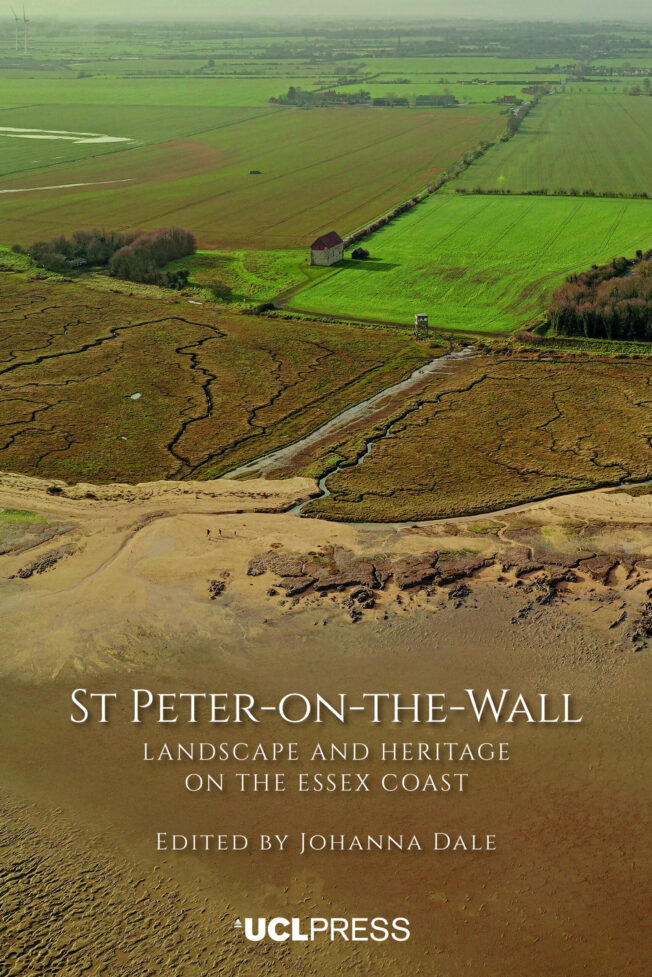
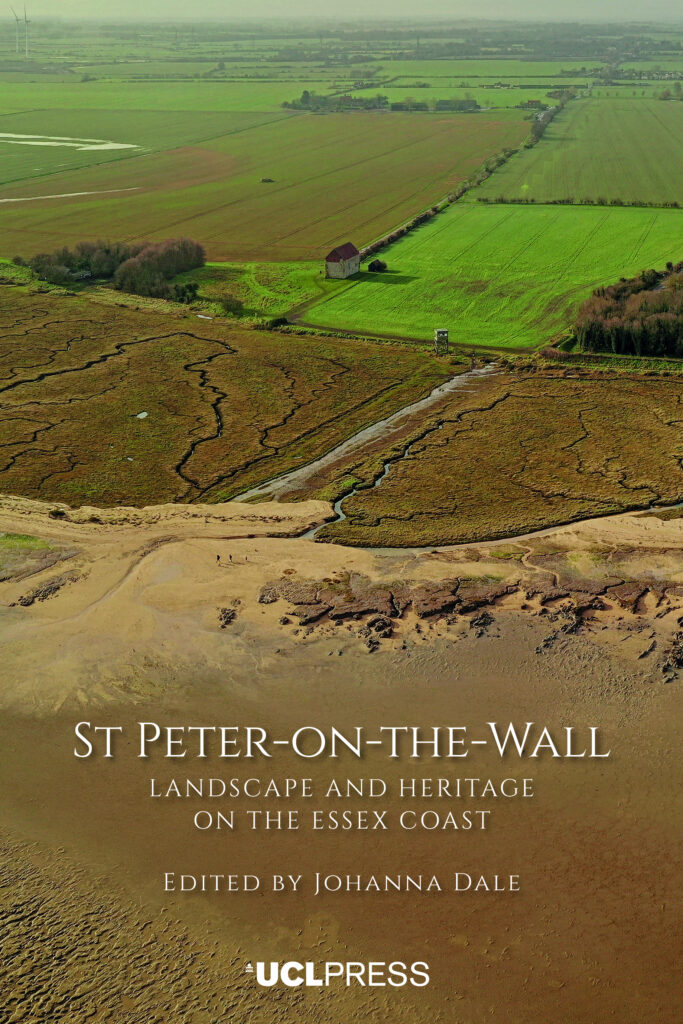
The Chapel of St Peter-on-the-Wall, built on the ruins of a Roman fort, dates from the mid-seventh century and is one of the oldest largely intact churches in England. It stands in splendid isolation on the shoreline at the mouth of the Blackwater Estuary in Essex, where the land meets and interpenetrates with the sea and the sky. This book brings together contributors from across the arts, humanities and social sciences to uncover the pre-modern contexts and modern resonances of this medieval building and its landscape setting.
The impetus for this collection was the recently published designs for a new nuclear power station at Bradwell on Sea, which, if built, would have a significant impact on the chapel and its landscape setting. St Peter-on-the-Wall highlights the multiple ways in which the chapel and landscape are historically and archaeologically significant, while also drawing attention to the modern importance of Bradwell as a place of Christian worship, of sanctuary and of cultural production. In analysing the significance of the chapel and surrounding landscape over more than a thousand years, this collection additionally contributes to wider debates about the relationship between space and place, and particularly the interfaces between both medieval and modern cultures and also heritage and the natural environment.
Related titles
St Peter-On-The-Wall
Landscape and heritage on the Essex coast
Publication date: May 15, 2023
Open Access PDF ISBN: 9781800084353
Paperback ISBN: 9781800084360
Hardback ISBN: 9781800084377
Trim size (hardback): 23.4cm x 15.6cm
Trim size (paperback): 23.4cm x 15.6cm
The Chapel of St Peter-on-the-Wall, built on the ruins of a Roman fort, dates from the mid-seventh century and is one of the oldest largely intact churches in England. It stands in splendid isolation on the shoreline at the mouth of the Blackwater Estuary in Essex, where the land meets and interpenetrates with the sea and the sky. This book brings together contributors from across the arts, humanities and social sciences to uncover the pre-modern contexts and modern resonances of this medieval building and its landscape setting.
The impetus for this collection was the recently published designs for a new nuclear power station at Bradwell on Sea, which, if built, would have a significant impact on the chapel and its landscape setting. St Peter-on-the-Wall highlights the multiple ways in which the chapel and landscape are historically and archaeologically significant, while also drawing attention to the modern importance of Bradwell as a place of Christian worship, of sanctuary and of cultural production. In analysing the significance of the chapel and surrounding landscape over more than a thousand years, this collection additionally contributes to wider debates about the relationship between space and place, and particularly the interfaces between both medieval and modern cultures and also heritage and the natural environment.
‘A major contribution to the historical record, and is beautifully edited, and handsomely produced. It would be great to see this book in every public library in Essex, so if you live near one do order it for their shelves.’
The New English Landscape
‘Dale has expertly marshalled a series of expert contributors to what is an attractive, wideranging and hugely informative volume. The chapter by Kevin Bruce and Christopher Thornton (Ch. 7) does a thorough job in charting the missing medieval centuries, exploring evolving lands, owners, farms and fisheries, to which St Peter-on-the-Wall will have been a quiet, neglected witness.’ Medieval Settlement Research (MSR)
‘Without doubt, Johanna Dale and her contributors have amply succeeded in demonstrating the history of St Peter’s chapel and its surrounding landscape and have hinted at possible environmental threats should Bradwell B be constructed in the years ahead.’
Landscape History
‘This rich interdisciplinary volume considers the longue duree landscape of the Dengie Peninsula, Essex… Through a close and fruitful reading of the primary sources, Barbara Yorke revisits the social, political and religious circumstances of its foundation, while David Andrews’ careful analysis of the building itself distinguishes its original features from the later effects of deconstruction and reconstruction.’
Medieval Archaeology
‘The editor and her contributors are to be congratulated for producing a stimulating book full of interest; each chapter is well worth a read and the whole is greater than the sum of its parts. It provides an essential reference point for our understanding of the Bradwell landscape and something of a model for how the historic environment can be used as the foundation for an appreciation of the complexity of other landscapes elsewhere.’
Essex Journal