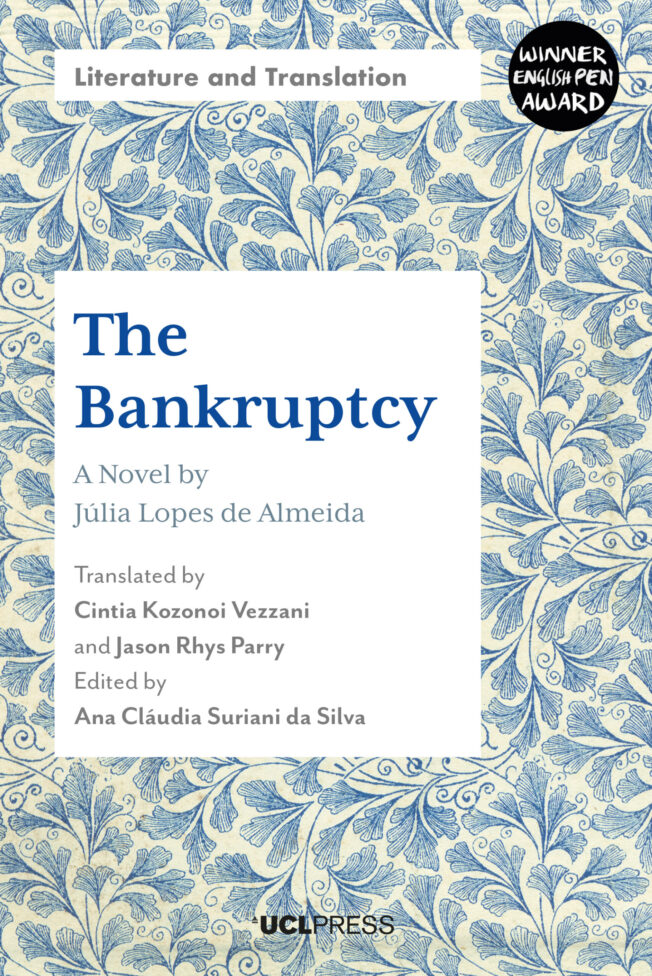

Publication date: 17 July 2023
DOI: https://doi.org/10.14324/111.9781800085664
Number of illustrations: 6

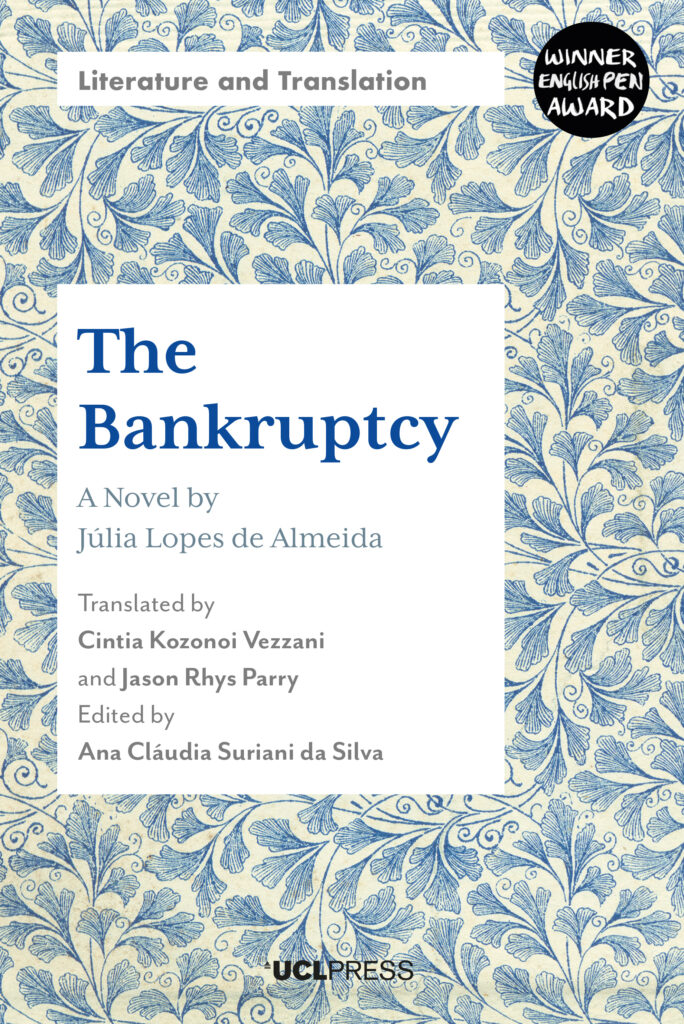
The Bankruptcy
A Novel by Júlia Lopes de Almeida
Júlia Lopes de Almeida (Author), Ana Cláudia Suriani da Silva (Editor), Cintia Kozonoi Vezzani (Translator), Jason Rhys Parry (Translator)
Series: Literature and Translation
Set in the early years of the Old Republic after the abolition of slavery, Júlia Lopes de Almeida’s The Bankruptcy depicts the rise and fall of a wealthy coffee exporter against a kaleidoscopic background of glamour, poverty, seduction, and financial speculation. The novel introduces readers to a turbulent period in Brazilian history seething with new ideas about democracy, women’s emancipation, and the role of religion in society. Originally published in 1901, its prescient critiques of financial capitalism and the patriarchal family remain relevant today.
In her lifetime, Júlia Lopes de Almeida was compared to Machado de Assis, the most important Brazilian writer of the nineteenth century. She was also considered for the inaugural list of members of the Brazilian Academy of Letters, but was excluded because of her gender. In the decades after her death, her work was largely forgotten. This publication, a winner of the English PEN award, marks the first novel-length translation of Almeida’s writing into English, including an Introduction to the novel and a Translators’ preface, and accompanies a general rediscovery of her extraordinary body of work in Brazil.
Related titles

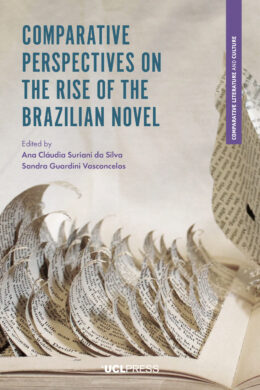
Comparative Perspectives on the Rise of the Brazilian Novel
Ana Cláudia Suriani da Silva, Sandra Guardini Vasconcelos,
14 May 2020
The Bankruptcy
A Novel by Júlia Lopes de Almeida
Series: Literature and Translation
Publication date: July 17, 2023
Open Access PDF ISBN: 9781800085664
Paperback ISBN: 9781800085671
Hardback ISBN: 9781800085688
Trim size (hardback): 23.4cm x 15.6cm
Trim size (paperback): 23.4cm x 15.6cm
Set in the early years of the Old Republic after the abolition of slavery, Júlia Lopes de Almeida’s The Bankruptcy depicts the rise and fall of a wealthy coffee exporter against a kaleidoscopic background of glamour, poverty, seduction, and financial speculation. The novel introduces readers to a turbulent period in Brazilian history seething with new ideas about democracy, women’s emancipation, and the role of religion in society. Originally published in 1901, its prescient critiques of financial capitalism and the patriarchal family remain relevant today.
In her lifetime, Júlia Lopes de Almeida was compared to Machado de Assis, the most important Brazilian writer of the nineteenth century. She was also considered for the inaugural list of members of the Brazilian Academy of Letters, but was excluded because of her gender. In the decades after her death, her work was largely forgotten. This publication, a winner of the English PEN award, marks the first novel-length translation of Almeida’s writing into English, including an Introduction to the novel and a Translators’ preface, and accompanies a general rediscovery of her extraordinary body of work in Brazil.