
Publication date: 21 August 2025
DOI: https://doi.org/10.14324/111.9781800088856
Number of illustrations: 117

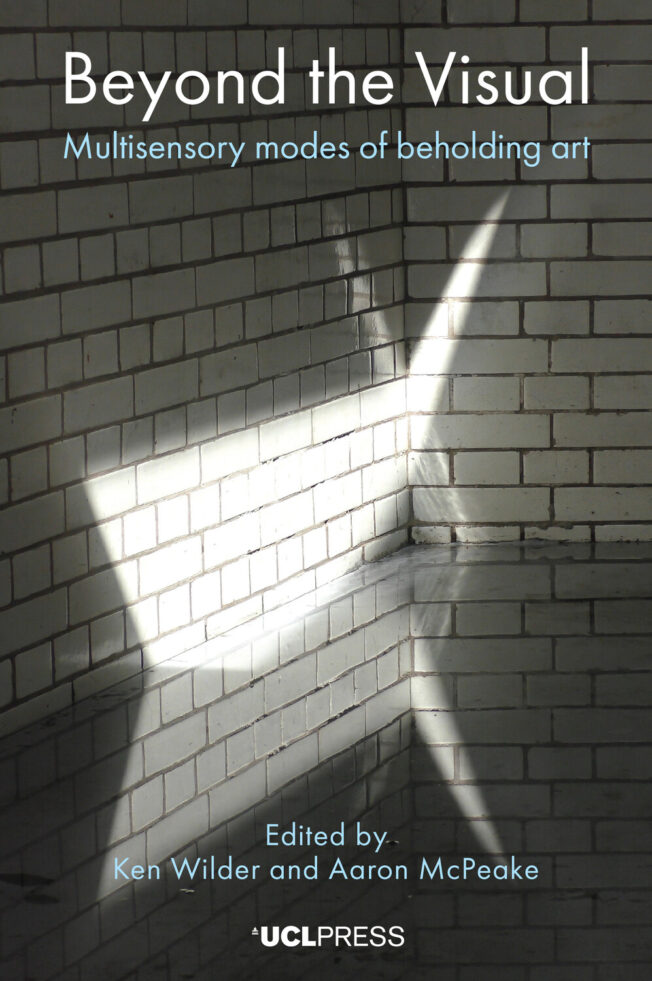
Beyond the Visual
Multisensory modes of beholding art
Ken Wilder (Editor), Aaron McPeake (Editor)
Beyond the Visual broadens the discussion of multisensory ways of beholding contemporary art, with a particular emphasis on modes that transcend a dependency upon sight. A central premise is that a shift in the aesthetic engagement afforded by hybrid forms of contemporary art has the potential to open up new sensory and cognitive engagements for blind and partially blind people. This is a subject that has rarely been addressed within the literature on contemporary arts or disability studies.
Bringing together leading international scholars and artists in the emerging field of ‘blindness arts’, including blind and partially blind artists, curators, advocates for inclusive practices and models of audio description, cognitive psychologists, and theorists of installation, performance and sound art, the book offers a detailed consideration of exemplars of such multisensory engagement, pre-eminently in works by blind or partially blind artists. In so doing, the book not only shifts the discussion on access and inclusivity – reconceiving access as integral to the creative process – but argues that this has the potential to enrich the experience of art for all beholders, moving beyond an often-unexamined reliance on vision.
Related titles
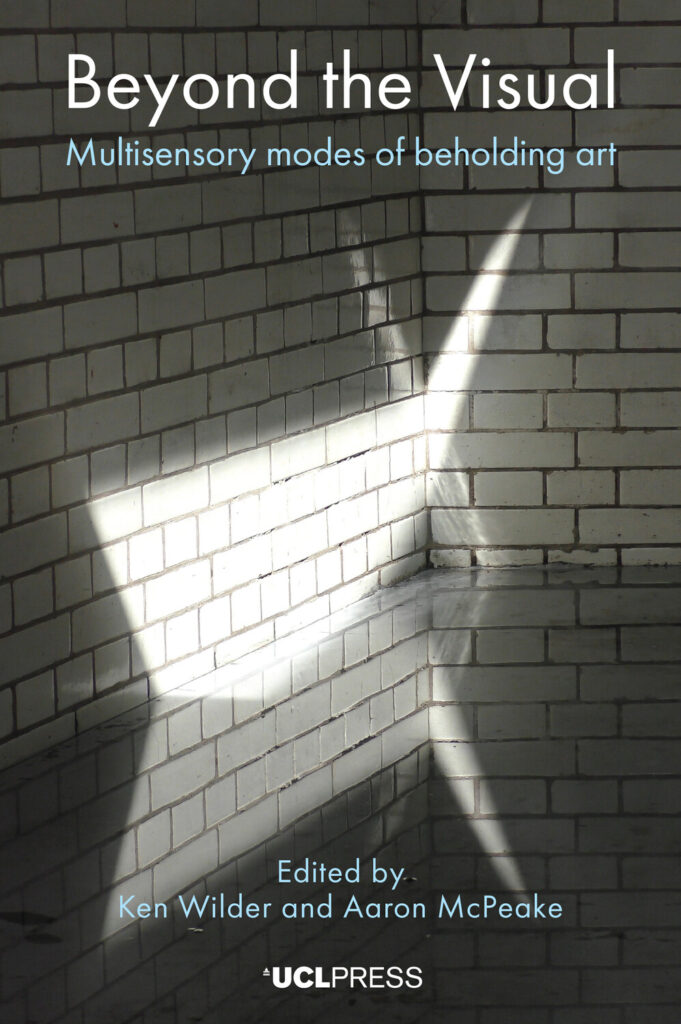
Beyond the Visual
Multisensory modes of beholding art
Publication date: August 21, 2025
Open Access PDF ISBN: 9781800088856
Paperback ISBN: 9781800088849
Hardback ISBN: 9781800088832
Trim size (hardback): 23.4cm x 15.6cm
Trim size (paperback): 23.4cm x 15.6cm
Beyond the Visual broadens the discussion of multisensory ways of beholding contemporary art, with a particular emphasis on modes that transcend a dependency upon sight. A central premise is that a shift in the aesthetic engagement afforded by hybrid forms of contemporary art has the potential to open up new sensory and cognitive engagements for blind and partially blind people. This is a subject that has rarely been addressed within the literature on contemporary arts or disability studies.
Bringing together leading international scholars and artists in the emerging field of ‘blindness arts’, including blind and partially blind artists, curators, advocates for inclusive practices and models of audio description, cognitive psychologists, and theorists of installation, performance and sound art, the book offers a detailed consideration of exemplars of such multisensory engagement, pre-eminently in works by blind or partially blind artists. In so doing, the book not only shifts the discussion on access and inclusivity – reconceiving access as integral to the creative process – but argues that this has the potential to enrich the experience of art for all beholders, moving beyond an often-unexamined reliance on vision.
‘It is often difficult to find the right language to talk about things that haven’t been talked about enough. This publication meets that challenge head on. It will shine a light on the relationship between blindness and art practice, a subject long deserving of far greater consideration; but beyond that, it has the potential to impact on a wider discussion about art and the way we experience it, reminding us that the best so-called “visual art” must always be much more than visual.’
Godfrey Worsdale OBE, Director of the Henry Moore Foundation
‘As a severely sight impaired person who loves ‘the arts’ in all their richness, this book challenges the intersection between a range of established, but outdated, views about sight loss and who can and cannot appreciate or make art. While some of the arguments have been rehearsed elsewhere, this book marks the first really coherent approach to setting out just what visually impaired and blind people bring to art as a way of exploring the world, and art that can be appreciated beyond the visual. It powerfully sets out the net contribution of sight loss to human creative endeavour and the experience of appreciating that output that I can relate to.’
Anna Tylor, Chair of Trustees, RNIB