
Publication date: 1 February 2027
DOI: https://doi.org/10.14324/111.9781806552450
Number of illustrations: 34

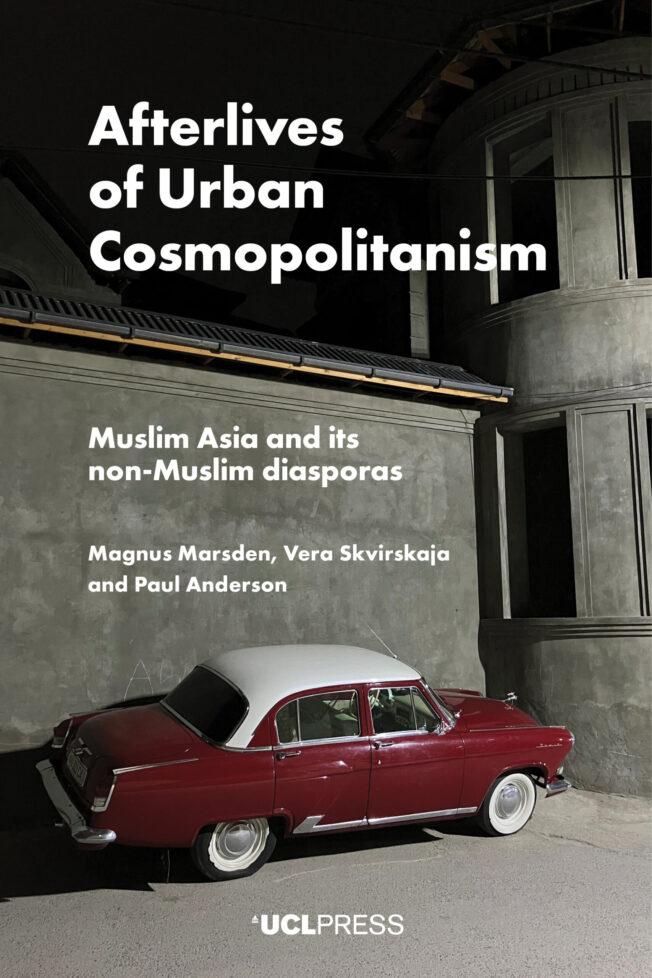
Afterlives of Urban Cosmopolitanism
Muslim Asia and its non-Muslim diasporas
Magnus Marsden (Author), Vera Skvirskaja (Author), Paul Anderson (Author)
For centuries, the territories that currently form Afghanistan, Syria, and Uzbekistan were home to a diverse range of religious groups, including Jews, Christians, Sikhs, and Hindus. These groups and others played a critical role in the region’s social, cultural, and economic dynamics, particular in the fields of trade, commerce and artisanship. Over the course of the twentieth century, they came to be classified officially by the region’s states as ‘minorities’. The rising importance of nationalism and political Islam, alongside the Bolshevik revolution and global geopolitical events, led some of these communities to occupy an ever more perilous place in the region. By the end of the twentieth century, wars, and ethnic conflicts led many thousands to leave Asia and establish diaspora communities in Europe, North America, and elsewhere.
Afterlives of Urban Cosmopolitanism charts the history of these communities in Muslim Asia and explores their migratory trajectories. Rather than emphasising the declining significance of non-Muslims to the region, however, this unique book illuminates how even in the context of diaspora many communities have continued to maintain relations with their countries of origin and with Muslims from them living in the diaspora. The book is informed by in-depth fieldwork conducted in Muslim Asia and amongst the region’s diasporas in contexts as diverse as Bukhara, Samarkand, Tashkent, Aleppo, Kabul, and London, New York, and Vienna.
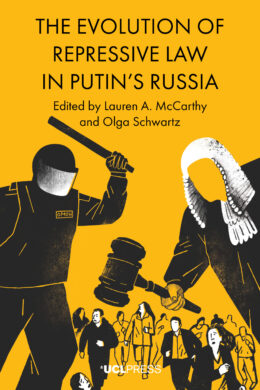

Loretta Lees, Japonica Brown-Saracino, Stefano Portelli, Kenton Card,
01 March 2027
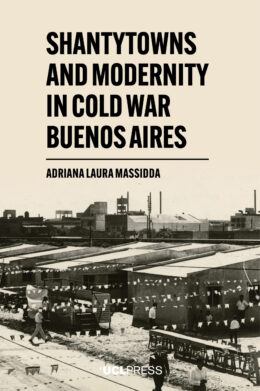
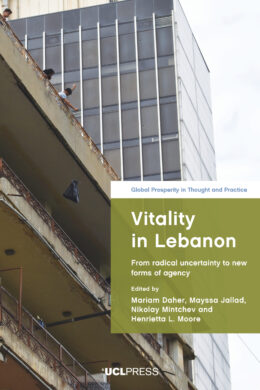
Mariam Daher, Mayssa Jallad, Nikolay Mintchev, Henrietta L. Moore,
25 February 2027
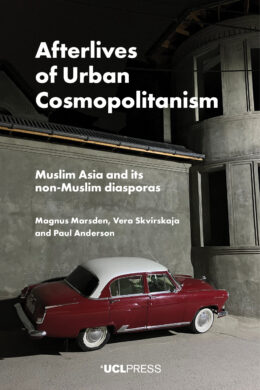
Afterlives of Urban Cosmopolitanism
Magnus Marsden, Vera Skvirskaja, Paul Anderson,
01 February 2027
Methods for Studying Online Extremism and Terrorism
Sandy Schumann, Isabelle van der Vegt, Ryan Scrivens,
01 February 2027
Who are the Humans behind Human Rights?
Agnieszka Kubal, Beáta Huszka, Hanna Oliinyk, Denis Shedov,
01 February 2027
Comics and Race in Latin America
James Scorer, María Elena Bedoya, Abeyamí Ortega Domínguez, Peter Wade,
07 December 2026
Samuel Lunn-Rockliffe, Joseph Kimutai Cheptorus, Timothy Kipkeu Kiprutto,
03 December 2026



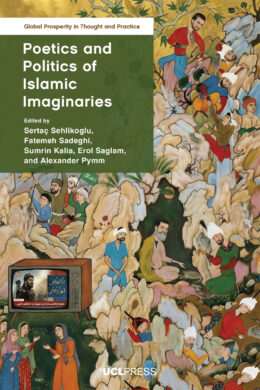
Poetics and Politics of Islamic Imaginaries
Sertaç Sehlikoglu, Fatemeh Sadeghi, Sumrin Kalia, Erol Saglam, Alexander Pymm,
01 October 2026
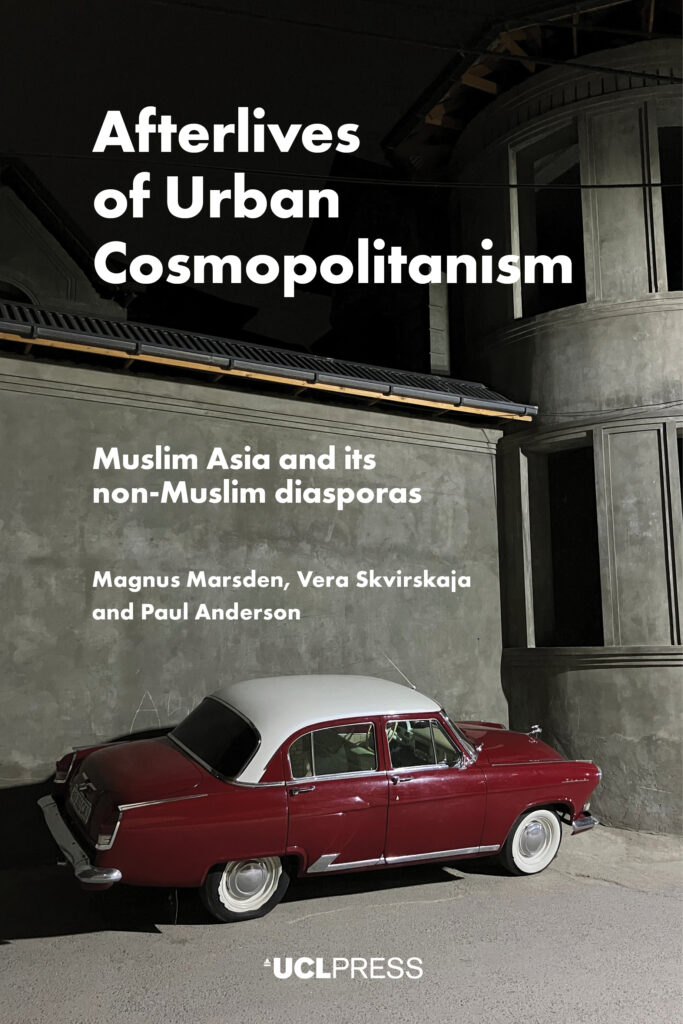
Afterlives of Urban Cosmopolitanism
Muslim Asia and its non-Muslim diasporas
Publication date: February 1, 2027
Open Access PDF ISBN: 9781806552450
Paperback ISBN: 9781806552443
Hardback ISBN: 9781806552436
Trim size (hardback): 23.4cm x 15.6cm
Trim size (paperback): 23.4cm x 15.6cm
For centuries, the territories that currently form Afghanistan, Syria, and Uzbekistan were home to a diverse range of religious groups, including Jews, Christians, Sikhs, and Hindus. These groups and others played a critical role in the region’s social, cultural, and economic dynamics, particular in the fields of trade, commerce and artisanship. Over the course of the twentieth century, they came to be classified officially by the region’s states as ‘minorities’. The rising importance of nationalism and political Islam, alongside the Bolshevik revolution and global geopolitical events, led some of these communities to occupy an ever more perilous place in the region. By the end of the twentieth century, wars, and ethnic conflicts led many thousands to leave Asia and establish diaspora communities in Europe, North America, and elsewhere.
Afterlives of Urban Cosmopolitanism charts the history of these communities in Muslim Asia and explores their migratory trajectories. Rather than emphasising the declining significance of non-Muslims to the region, however, this unique book illuminates how even in the context of diaspora many communities have continued to maintain relations with their countries of origin and with Muslims from them living in the diaspora. The book is informed by in-depth fieldwork conducted in Muslim Asia and amongst the region’s diasporas in contexts as diverse as Bukhara, Samarkand, Tashkent, Aleppo, Kabul, and London, New York, and Vienna.