We are currently upgrading our shopping cart; in the interim all orders are being diverted to Waterstones. If you would like to redeem a promotional code, or are an author wanting to place an order, please email us.
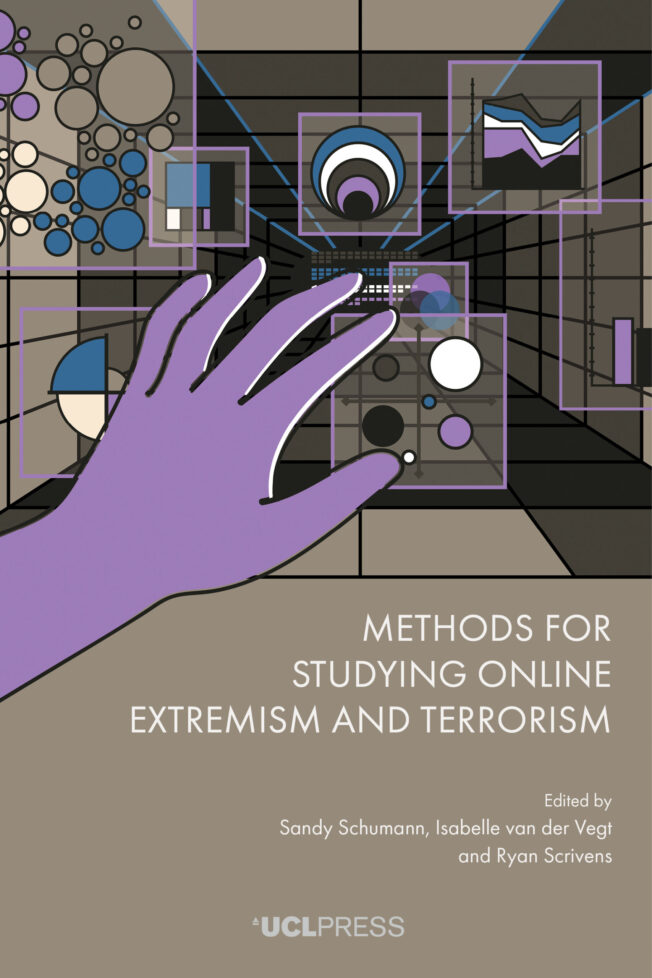
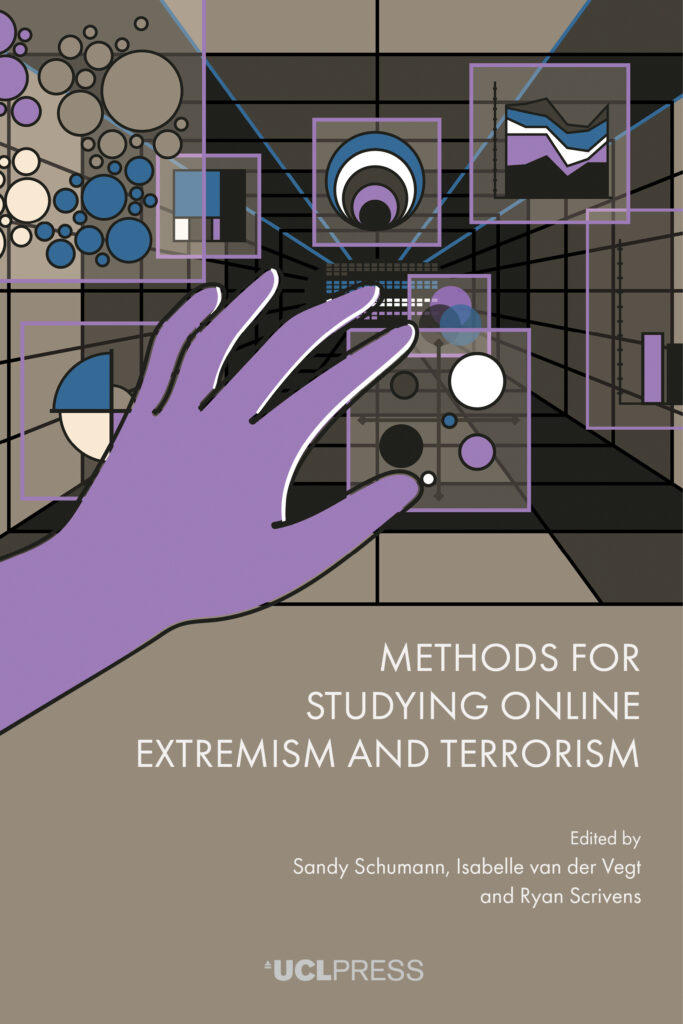
Methods for Studying Online Extremism and Terrorism is a resource for scholars, students and practitioners from a wide range of backgrounds who conduct research that documents how extremism and terrorism is manifested, facilitated or can be prevented online. Bringing together an international, multidisciplinary group of contributors, the book aims to foster sustained reflections on methods in this field.
The volume highlights three cross-cutting methodological challenges: ensuring data quality, establishing causality and enhancing reproducibility/replicability. It discusses how these challenges are best addressed in order to strengthen the robustness and practical relevance of empirical evidence. Additionally, the book enables readers to diversify their methods toolbox to combine approaches in mixed methods research that facilitates innovative and impactful insights. Considering quantitative, qualitative and computational techniques, nine commonly used methods for studying online extremism and terrorism are presented in accessible, practical guides. The latter demonstrate what each design or data collection strategy offers to the field and how they can be implemented, drawing on concrete examples from the literature.
Methods for Studying Online Extremism and Terrorism is a resource for scholars, students and practitioners from a wide range of backgrounds who conduct research that documents how extremism and terrorism is manifested, facilitated or can be prevented online. Bringing together an international, multidisciplinary group of contributors, the book aims to foster sustained reflections on methods in this field.
The volume highlights three cross-cutting methodological challenges: ensuring data quality, establishing causality and enhancing reproducibility/replicability. It discusses how these challenges are best addressed in order to strengthen the robustness and practical relevance of empirical evidence. Additionally, the book enables readers to diversify their methods toolbox to combine approaches in mixed methods research that facilitates innovative and impactful insights. Considering quantitative, qualitative and computational techniques, nine commonly used methods for studying online extremism and terrorism are presented in accessible, practical guides. The latter demonstrate what each design or data collection strategy offers to the field and how they can be implemented, drawing on concrete examples from the literature.
Sandy Schumann (Editor)
Sandy Schumann is Lecturer at the Department of Security and Crime Science at University College London. She received her PhD in Social Psychology from Université Libre de Bruxelles and completed postdoctoral research at the Centre for the Study of Intergroup Conflict at the University of Oxford. Her present research examines the interplay between (social) media/information/technology and hate/(violent) extremism/radicalisation in different permutations. She takes an interdisciplinary approach and works in the borderlands of communication science, social psychology and terrorism studies. Sandy is also passionate about meta-research, capturing and improving research practices in extremism and terrorism studies.
Isabelle van der Vegt (Editor)
Isabelle van der Vegt is Assistant Professor at the Department of Sociology at Utrecht University. She obtained her PhD in Security and Crime Science from University College London and worked as a scientific project manager for the Research and Documentation Centre (WODC) of the Dutch Ministry of Justice and Security. Isabelle’s research focuses on understanding extremism, hate and threats of violence online. In doing so, she combines social scientific and computational methods to analyse large-scale online data. Isabelle is also interested in improving research transparency within and beyond the field of criminology.
Ryan Scrivens (Editor)
Ryan Scrivens is Associate Professor in the School of Criminal Justice at Michigan State University. He is the recipient of the 2022 Early Career Impact Award from the American Society of Criminology’s Division on Terrorism and Bias Crimes. He is also the recipient of the 2025 Rising Star Research Award from the College of Social Science at Michigan State University. He conducts problem-oriented interdisciplinary research with a focus on terrorists’ and extremists' use of the Internet, right-wing terrorism and extremism, and hate crime.
Sign up to our newsletter
Don't miss out! Subscribe to the UCL Press newsletter for the latest open access books, journal CfPs, news and views from our authors and much more!