New Sensory Approaches to the Past shortlisted for the EAA Book Prize 2026

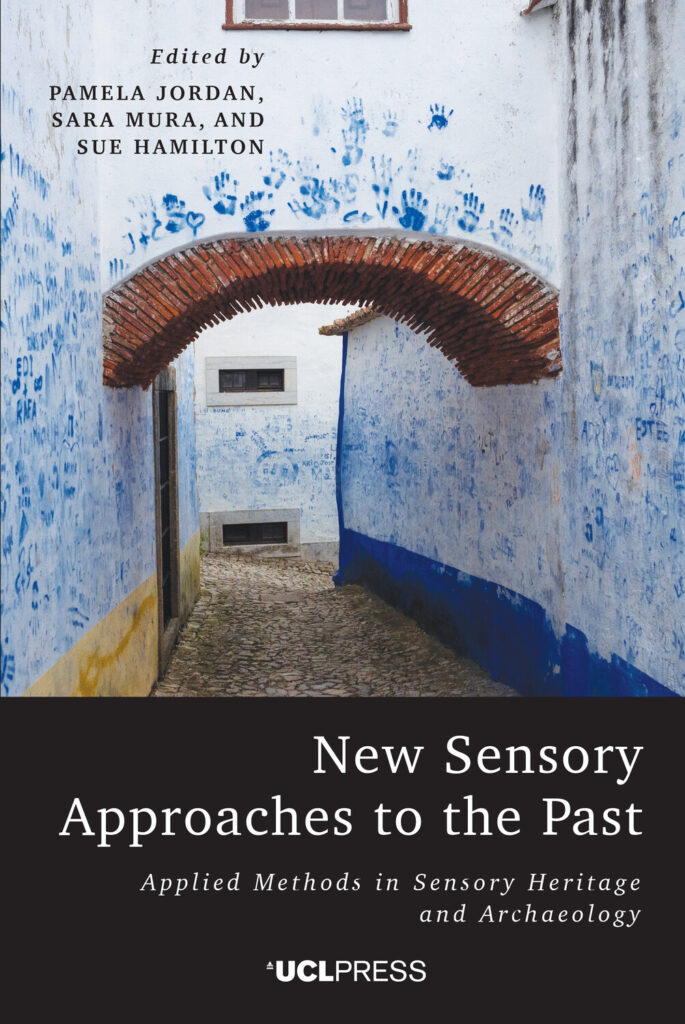
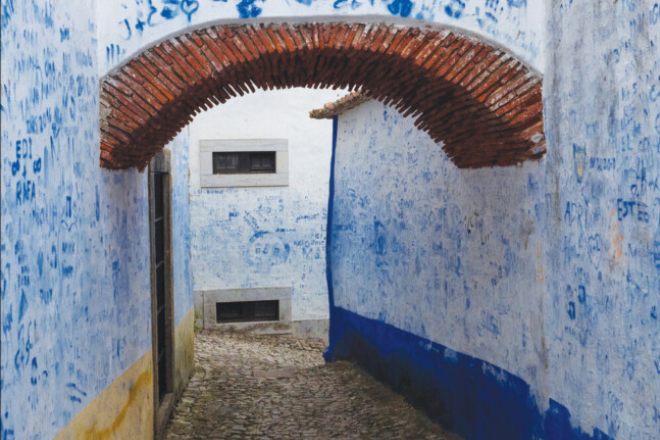
A narrow cobblestone alleyway with white walls covered in blue graffiti and a red brick archway overhead, as featured on the cover of New Sensory Approaches to the Past.

We are delighted to announce that New Sensory Approaches to the Past: Applied Methods in Sensory Heritage and Archaeology, edited by Pamela Jordan, Sara Mura and Sue Hamilton, has been shortlisted for the 2026 European Association of Archaeologists (EAA) Book Prize.

Awarded annually, the EAA Book Prize recognises exceptional recent publications by EAA members. This year’s prize attracted a highly competitive field, with a selection of seven titles shortlisted.

The winner will be announced at the Opening Ceremony of the 32nd Annual Meeting of the European Association of Archaeologists, which will take place in Athens later this year.

Shortlisting for the prize reflects the originality, scholarly quality and wider contribution of New Sensory Approaches to the Past. Bringing together an international range of contributors, the volume explores how people in the past experienced their worlds through the senses, offering innovative approaches that challenge the predominantly visual focus of traditional archaeological research.

Through case studies spanning diverse periods and geographies, the book demonstrates how attention to sound, smell, movement and embodied experience can open up new perspectives on cultural environments and lived experience. Its interdisciplinary scope highlights the value of integrating methods and insights from across archaeology and beyond.

Published open access by UCL Press, the book is freely available to read online, ensuring its research can reach and inform readers across the world.

We warmly congratulate the editors and contributors on this well-deserved recognition and look forward to the announcement of the 2026 prize winner in Athens.

History Day 2025 reading list

Senate House, part of the University of London, viewed from Store Street, Bloomsbury, London

To celebrate History Day 2025 at London’s Senate House this week, we’ve put together a reading list of essential open access books in history.

If you’re attending, Pat Gordon-Smith, our commissioning editor, will be there to talk you through our extensive list of published and forthcoming titles, and answer questions about how to publish your next open access book with UCL Press.

Join the UCL Press mailing list to find out more about the latest open access titles, or visit our stand!

History

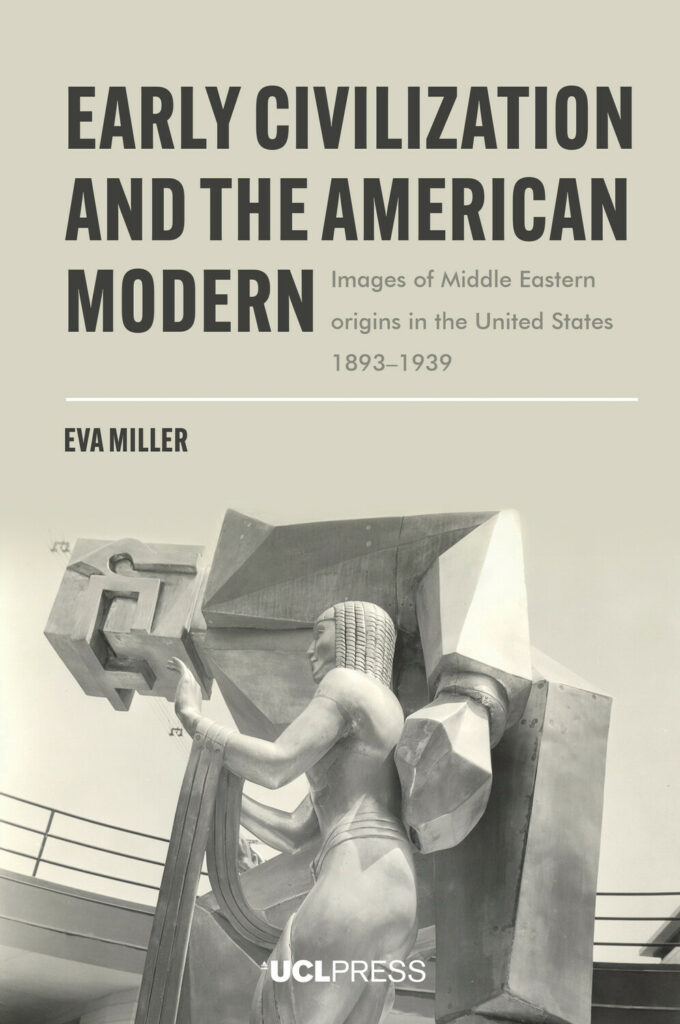
The cover of the book ‘Early Civilization and the American Modern: Images of Middle Eastern Origins in the United States 1893–1939’ by Eva Miller features a grayscale photograph of a stylized human figure sculpture within an architectural structure. The background shows a clear sky and the corner of another building, suggesting an outdoor setting. The title and author’s name are prominently displayed in white text against the dark backdrop, with the UCL Press logo at the bottom.
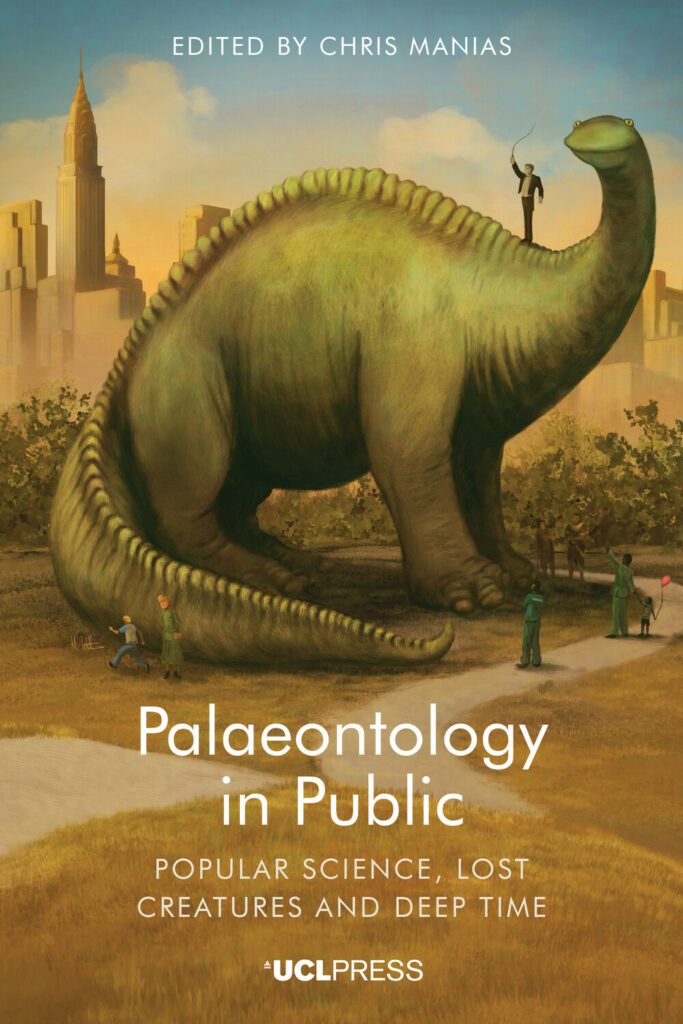
The image depicts the cover of a book titled 'Palaeontology in Public: Popular Science, Deep Time, Creatures and Lost Worlds' which is edited by Chris Manias. It features an illustration of a large green sauropod dinosaur in a modern city park surrounded by people, with a cityscape and tall buildings, including one resembling the Empire State Building, in the background.

Museums and Heritage

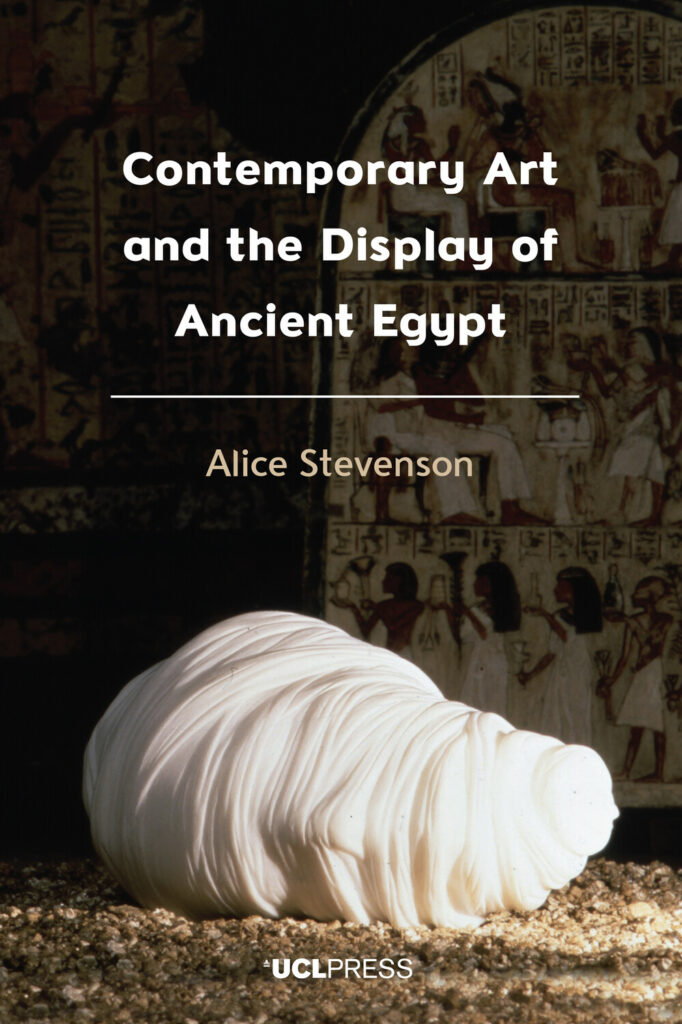
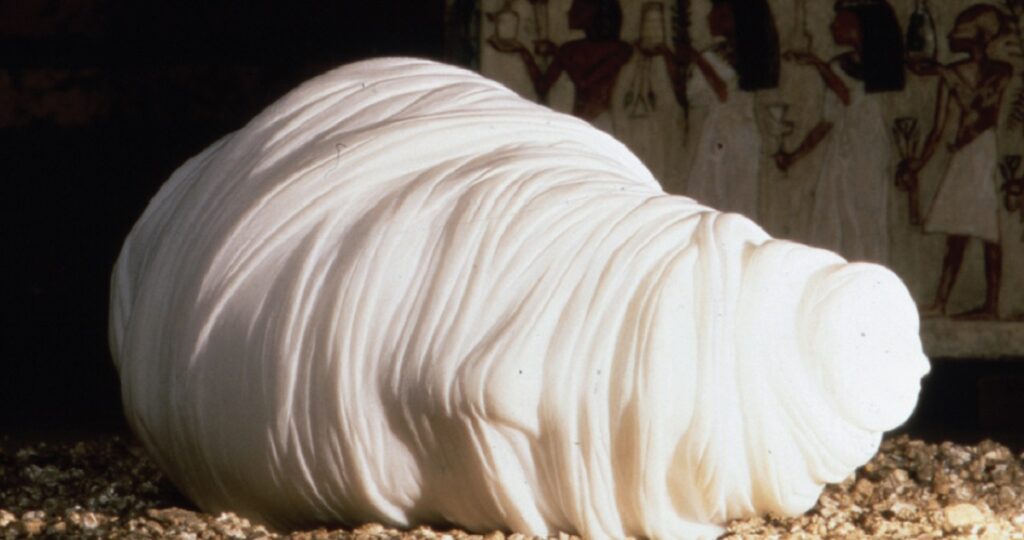
The image displays the cover of the book ‘Contemporary Art and the Display of Ancient Egypt’ by Alice Stevenson. The cover features an ancient Egyptian wall painting in the background with figures in traditional attire, and a modern white sculpture in the foreground.

Teaching History

Discover object-based learning: Workshop and book launch with Thomas Kador

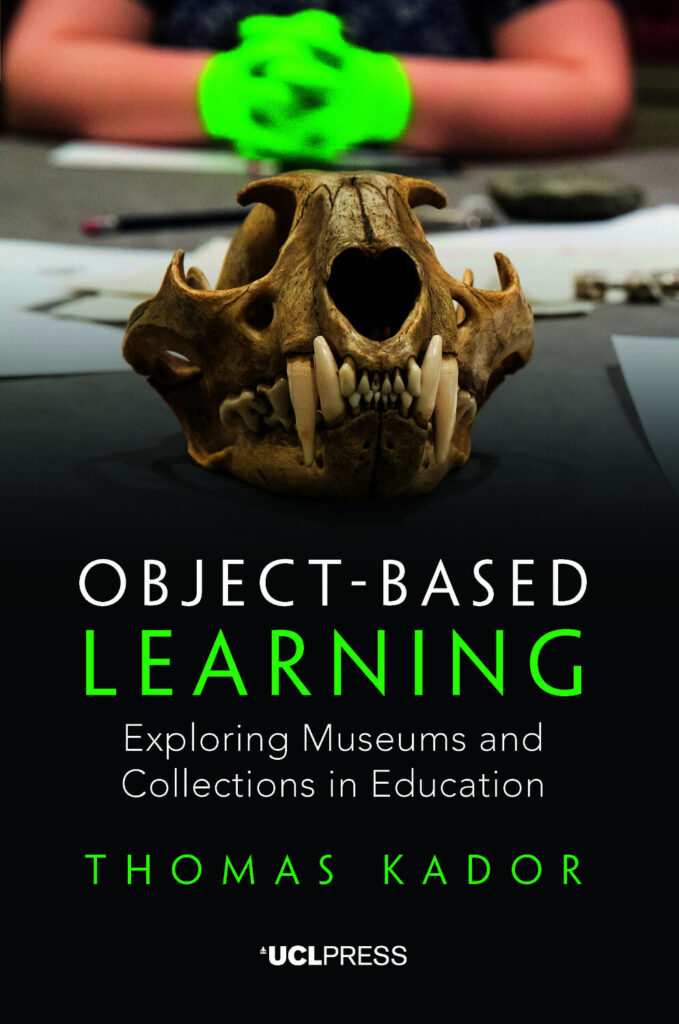
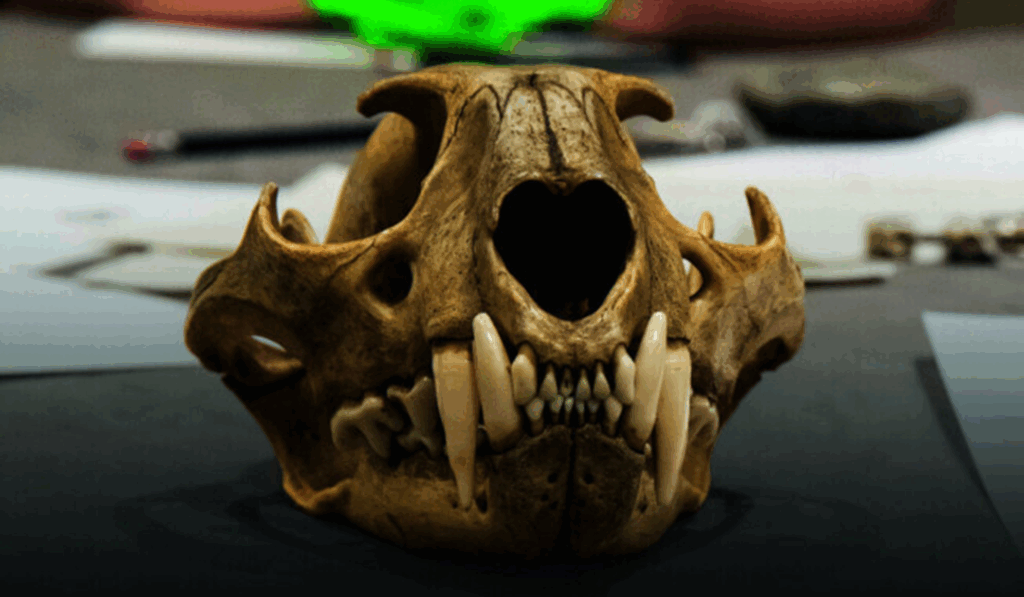
Animal skull with prominent canines on a tabletop.

Join Thomas Kador, author of the new textbook Object-based Learning: Exploring Museums and Collections in Education for an afternoon and evening of events and activities, centring on UCL’s museums and their unique collections.

To mark the publication of Thomas Kador’s Object-based Learning: Exploring Museums and Collections in Education, that author is hosting an Object-based Learning (OBL) workshop followed by a reception and book launch.

The workshop will take place at UCL Institute of Advanced Studies, and provides an opportunity to encounter and explore some of the objects that are featured in the book as well as a range of other OBL activities.

This will be followed by a reception and book launch at the Grant Museum of Zoology, introduced by Professor Helen Chatterjee.

While this book will be freely downloadable from early September (via the link below), paper copies will be available for purchase on the day. https://uclpress.co.uk/book/object-based-learning/

Schedule

2.30-4.30pm: OBL workshop at the IAS (and the UCL Art Museum), ground floor, South Wing
Explore some of the objects discussed in the book and participate in a range of object-based activities, facilitated by the book’s author and colleagues from UCL Museums and Collections. 

5.45pm: Book launch and wine reception at the Grant Museum of Zoology
Enjoy a glass of wine, beer or non-alcoholic alternative, meet some more of the specimens discussed in the book and join some conversations about the book in the surroundings of UCL’s recently refurbished Grant Museum.

You can choose to attend one or both sections of the day. Please select the relevant ticket when registering: 
https://object-based-learning.eventbrite.co.uk

New open access books published in September 2025

Rock pool

September marks the start of a new academic year, and UCL Press welcomed it with a selection of five new open access titles. September’s releases spanned museum studies, pedagogy, urban knowledge co-production, Victorian collecting, and children’s wellbeing in cities.

Object-Based Learning: Exploring museums and collections in education

Thomas Kador

Object-Based Learning provides a concise overview of some of the most important approaches to material culture and object analysis in plain and easily understandable language, that is equally accessible to undergraduate and postgraduate students as well as lecturers.

Read and download free.

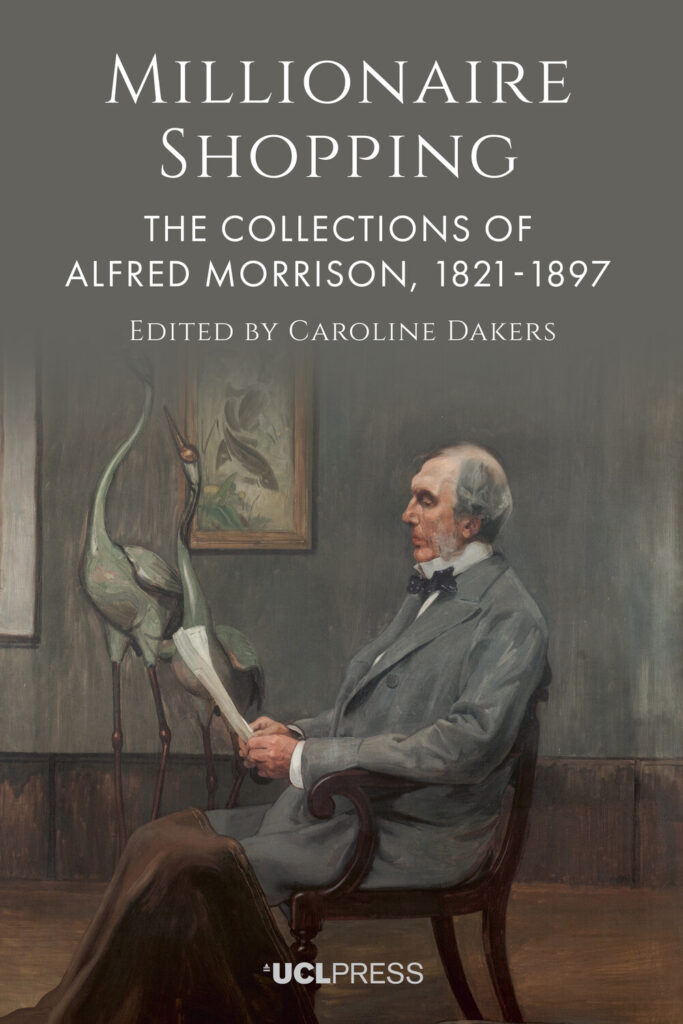
Millionaire Shopping: The collections of Alfred Morrison, 1821-1897

Edited by Caroline Dakers

Millionaire Shopping is the first full, detailed and original account of the huge and unstoppable collecting and patronage of Alfred Morrison (1821-1897) who was one of the most important Victorian collectors and patrons of the arts. Each chapter is written by an expert in the field and dedicated to a particular aspect of Morrison’s collecting and patronage.

Read and download free,

Urban Childhoods: Growing up in inequality and hope

Edited by Claire Cameron

Urban Childhoods puts children’s and families’ voices centre stage while investigating ways of bringing children’s wellbeing to the fore in planning for urban life. The book explores themes that start from what children find important and details strategies that emerged from a major prevention programme conducted in two English cities.

Read and download free,

Co-production of Knowledge in Action: Emancipatory strategies for urban equality

Cassidy Johnson, Vanesa Castán Broto, Wilbard Kombe, Catalina Ortiz, Barbara Lipietz, Emmanuel Osuteye, Caren Levy

Co-production of Knowledge in Action examines how co-production is articulated and deployed in cities such as Lima, Freetown, Kampala, Dar es Salaam and Delhi. It engages with ongoing experiences of co-production-inspired action, mapping the different aspirations that inform co-production practices and the impacts on urban communities.

Read and download free.

Deconstituting Museums: Participation’s affective work

Helen Graham

Deconstituting Museums argues that participation collides with dominant paradigms of inclusion, diversity and decision-making on behalf of ‘future generations’ and ‘the public’. Participation draws in ideas from direct and horizontal political traditions. How might participation and its affects enable new political structures of heritage?

Read and download free

We’ll be back next month with more open access gems. Until then, stay safe, and happy reading!

New open access books published in August 2025

Stones and Sand on Brighton Beach

August is traditionally a time to relax – but we haven’t slowed down! Six brand new open access books have landed this month, covering everything from blindness to Soviet youth games, historical travel to democracy.

Bringing together leading international scholars and artists in the emerging field of ‘blindness arts’, Beyond the Visual: Multisensory modes of beholding art seeks to broaden the discussion of multisensory ways of beholding contemporary art, with a particular emphasis on modes that transcend a dependency upon sight. A true delight to read.

Moving beyond current scholarship in urban and regional studies, Informational Peripheries: Rethinking the urban in a digital age presents a case for ‘informational peripheries’ as an analytical lens to understand the uneven, fragmented and disconnected geographies of urban peripheries in the Global South. Download it free.

So absorbing that one of our team recommended it as excellent bedtime reading, Leagues of Laughter: War, comedy and the Soviet legacy in Russia and Ukraine traces how a Soviet-created youth game changed as students’ nation states collapsed, competed and went to war. A series of interconnected, cross-border stories spanning 60 years illustrates how laughter and oppression entwined in the long cultural context of the war in Ukraine. Download it free.

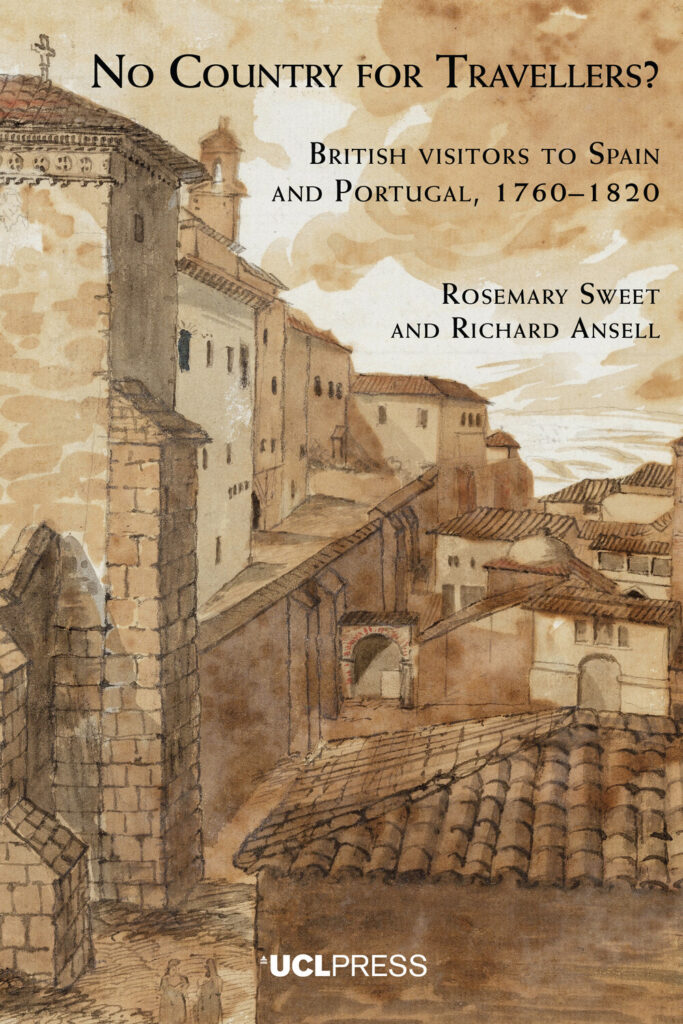
Our Marketing Manager’s Summer read, No Country for Travellers? British visitors to Spain and Portugal, 1760–1820 explores the rise and nature of British travel to Spain and Portugal between 1760 and 1820. Using extensive archival and printed sources left by travellers in the period, the compelling narrative is a broad and deep investigation into all aspects of travel experience, including non-combatant witness to the Peninsular War. Download it free.

With more than 30 authors, the ambitious The Sciences of the Democracies proposes holistic study of democracy that draws on five sources of knowledge: individual people, groups of people, non-textual media, texts and non-humans. It argues that inclusion of these sources leads to the discovery of democratic practices and institutions unfamiliar to the conventional ‘Western’ perception. Read it free.

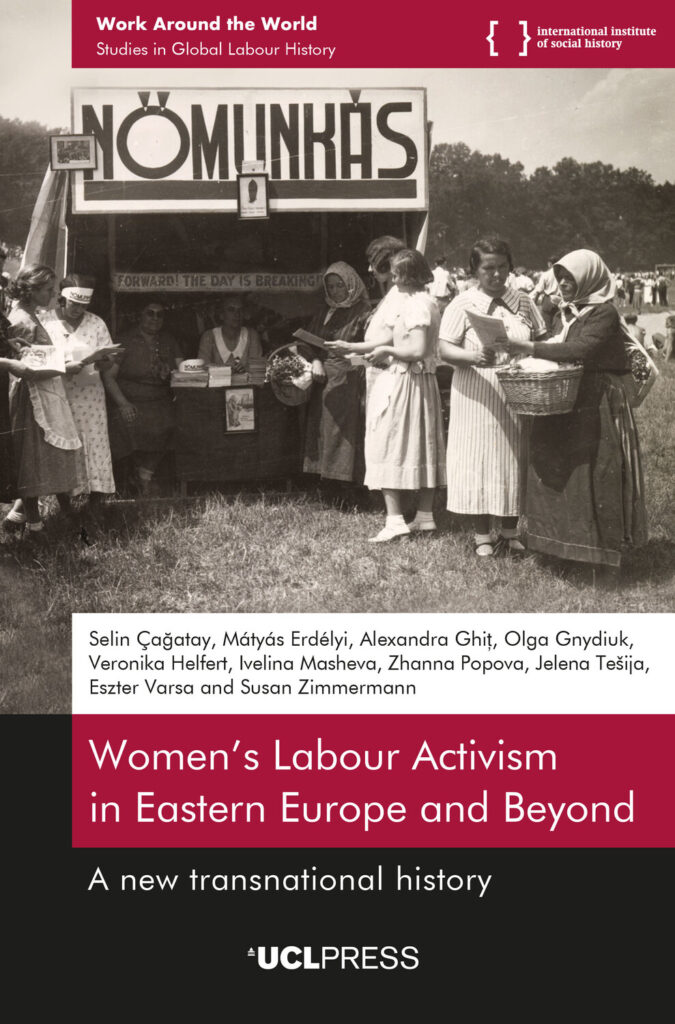
The fascinating Women’s Labour Activism in Eastern Europe and Beyond: A new transnational history presents a deeply researched, inclusive history of women’s labour activism in Eastern Europe and transnationally from the age of empires to the late 20th century. It explores women’s activism to improve working conditions and living circumstances of lower-income and working-class women and communities in the region and internationally. Download free.

We’ll be back again next month with a round up of the very best open access books. As always, stay safe!

New open access books published in July 2025

Horses on a Carousel Roundabout

July’s sunny weather wasn’t an excuse to relax at UCL Press – we’ve been busier than ever with five new open access books! Covering topics from historical memory and mental health to kinship, sensory heritage, and literary masculinity, these titles are, as always, freely available to download from our website.

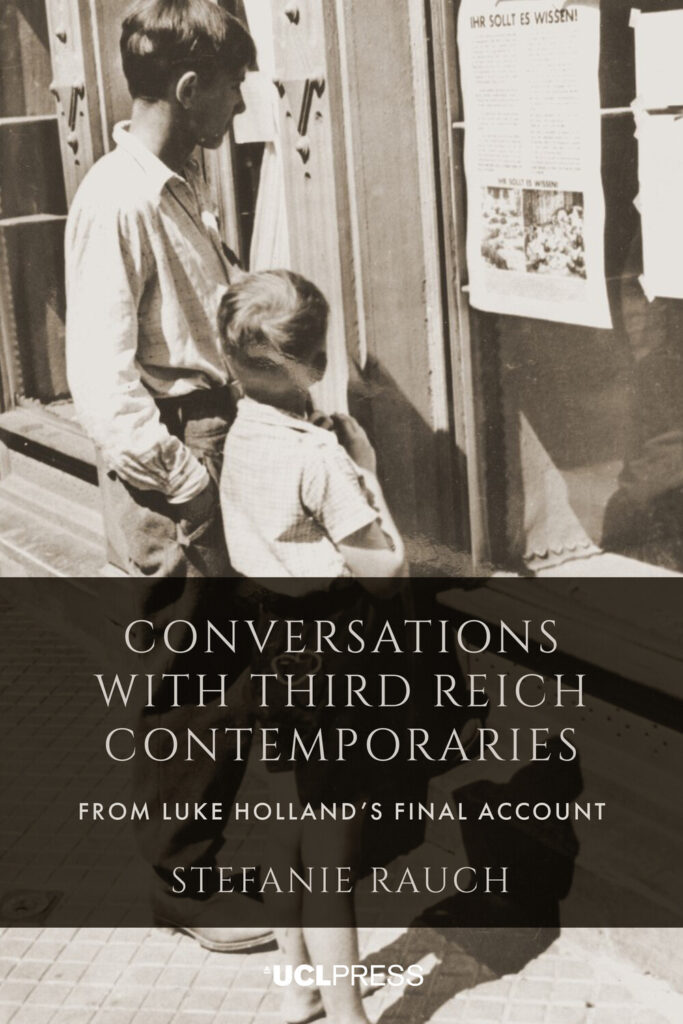
An important addition to historical scholarship, Conversations with Third Reich Contemporaries: From Luke Hollands Final Account presents excerpts from filmed interviews conducted by British documentary filmmaker Luke Holland. Most interviewees were young adults when the war ended; some had benefited from Nazism. The book raises critical awareness of issues around representation, authenticity and the co-production of narratives. Download it free.

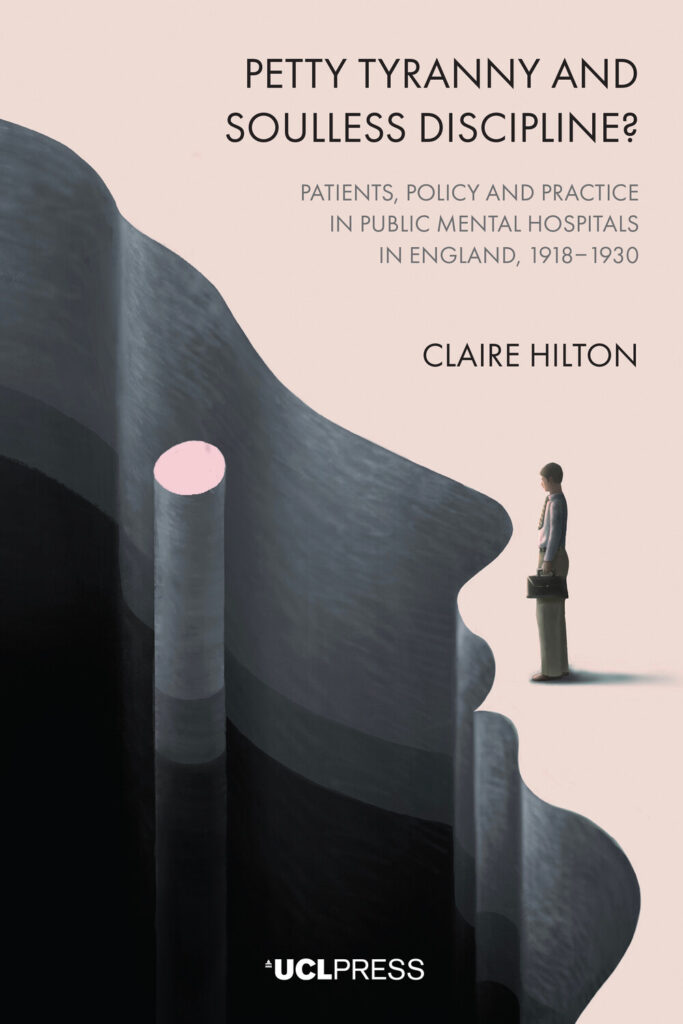
The ground-breaking Petty Tyranny and Soulless Discipline? Patients, policy and practice in public mental hospitals in England, 1918–1930 examines England’s public mental hospitals for the working class after the First World War. Narratives of patients’ difficult daily lives are interwoven with analysis of competing agendas from campaigners, government and new medical knowledge, to build a complex picture of mental health provision. Download free.

The fantastic Marriage Matters: Imagining love and belonging in Uganda engages with new and classic anthropological theory, and gender studies about kinship, marriage, relatedness and temporality. It examines how partnership, kinship, child filiation, friendship, ideas about love and commitment have been changing, and how Ugandans imagine past and future relationship between genders and generations. Download it free.

Presenting studies of historical environments through the lens of the senses, New Sensory Approaches to the Past: Applied methods in sensory heritage and archaeology showcases the latest approaches to sensory research through real-world scenarios of human−environment connections. Interdisciplinary examples of diverse sensory in-situ studies will enable readers to replicate and enhance their own investigations. Whether you’re a student, academic or researcher, it’s a fantastic read. Download it free.

Finally, the latest volume of the Comparative Literature and Culture series, Heterosexual Masculinities and the Self-Reflexive Novel examines how the narratives of, J. M. Coetzee, Milan Kundera, Philip Roth and Mario Vargas Llosa, offer a standpoint through which to address the inscription of heterosexual masculinity into Western literary legacy and the ways in which masculinity is re-fashioned in contemporary self-reflexive novels. Download it free.

We’ll be back again next month with a round up of the very best open access books. As always, stay safe!

Contemporary Art and the Display of Ancient Egypt: Meet the author

Today marks the publication of a new book from UCL Press: Contemporary Art and the Display of Ancient Egypt by Professor Alice Stevenson. We are delighted to celebrate this new open-access publication by sharing an interview with Alice, exploring her background in the Museum Studies and Archaeology, her reflections on her research, and how the value of mundane tasks is underestimated in understanding how museums really work.

What motivated you to write and publish this book?

Some 25 years ago during my undergraduate degree in Archaeology, one of our course convenors – Professor Colin Renfrew – experimented with a new module on ‘Contemporary Art and Architecture’. At the time I was a bit bemused by it, thinking it well outside the scope of my training to study the past, but those first engagements with contemporary art have stayed with me as a means of thinking about how we interpret the tangible remains of the past, giving me confidence to enter into spaces and query artworks in ways I don’t think I would have done independently. Having had a career in museums since my undergraduate days, I was very aware of the popularity of combining archaeological displays with artists’ interventions but I was always a little dubious about the claims that these put the past and present ‘into dialogue’. It was such a ubiquitous refrain in interviews with artists and curators that I increasingly wanted to delve into the specifics about what these juxtapositions were really doing or achieving.

Tell us more about your background and experience.

I’m an archaeologist by training, but after my undergraduate degree, I sought more vocational training in Museum Studies before undertaking a PhD where I specialised in prehistoric (Predynastic) Egypt (4000-3000 BC roughly). Throughout my doctoral studies I spent a lot of time in museums studying material from old excavations and volunteering at several institutions on documentation projects. The latter meant that my first post-doctoral studies were nothing to do with Egypt, but were instead more general Museum Studies or Information Studies research projects. I also spent some time as the archivist and librarian of the Egypt Exploration Society before moving to Oxford to be a researcher in World Archaeology at the Pitt Rivers Museum. The latter was an influential couple of years in terms of understanding museums as complex institutions, about collecting histories and the implications for modern communities of historical collecting and representation. From there, I became Curator of the Petrie Museum of Egyptian and Sudanese Archaeology which further deepened my experience of all aspects of museum work, but now within my area of expertise. All the pieces came together! I’ve been teaching Museum Studies since 2017, and putting my collections-based experience in conversation with academic literature has be helpful in developing new projects.  

How and why did you get into this subject area?

When I was trying to choose a university subject at the age of 16 I kept going back to the prospectus pages about Archaeology and was drawn to it, although I never had much interest in the excavating and surveying aspect of the field. My grandfather was an archaeologist and museum curator, and although he passed away when I was 11, I guess there was always a personal framework of love and value for museums work. From the outset of my interest in archaeology it was the material recovered and the narratives we could construct on the basis of excavated assemblages that really interested me. Having also trudged through many wet fields during my archaeological training I also figured museums were dryer and warmer (neither necessarily true, I found). I spent much of my undergraduate days volunteering in museums rather than doing more traditional fieldwork, and have been researching and working in them ever since.

Why did you choose to publish your work open access?

For this project I was a recipient of public funds through a British Academy Mid-Career Fellowship and it is only right that the outputs should be fully publicly accessible. Moreover, open access increases, to some extent, the equity of engagement with academic work globally. The intellectual capital of keeping up to date with current research should not be limited to richest countries. Since my research is primarily on Egypt’s heritage that research should be available there too. 

How do you see your research contributing to a better understanding of the world, and what potential benefits might it offer in the future?

Exploring the histories and legacies of past museum practice allows curators, artists and scholars to see what worked (or didn’t) previously, together with the contexts that constrained and enabled particular interventions. This helps us bring to the fore taken-for-granted assertions to see how they become established in the first place. Often there are agendas, biases and assumptions baked into such received wisdom that need to be actively revealed to help understand how we are making knowledge claims so we can forge a fresh path forward. It allows us to see more clearly how meanings are made and why certain ideas take hold (or don’t) at particular moments.

I hope the book can refresh a dialogue – not necessarily between past and present, but between artists, curators and archaeologists – that encourages experimentation and honesty about what can or cannot be achieved, and which is sensitive to the different sorts of values and experiences that art and archaeology can foster.

What do you think sets your approach apart from others in your field, and how do you stay innovative?

Understanding how museums work and thinking through intellectual questions as critical practice makes a difference. In other words, it is easy to critique work and representation from outside an institution with critical theory, but understanding the practical constraints and institutional structures through which knowledge is produced and reproduced is vital. I’m always looking to see what might be the wider contexts that are shaping the why’s and the how’s, so I try not to look at museum developments in isolation from the bigger socio-political forces or individual idiosyncrasies that influence them.

In terms of staying innovative, I think teaching really helps, as does writing synthesis pieces, as all of that gives you the opportunity to have a birds’-eye view of whole fields and you can see trends, gaps and challenges.

Surprise us with something unexpected you encountered in your research for this book.

I’m not sure it is unexpected but perhaps it goes against received wisdom that more recent archival records of work done in the 1990s or early 2000s will be comprehensive. I found them instead to be very sparse and harder to access than records of the nineteenth and early twentieth centuries that I’m more used to working with. The move to computers and online working has left much data trapped on outmoded forms of data storage (DVDs/1990s spreadsheets on floppy disks etc.), while the paper record is much thinner in terms of correspondence, etc.

In terms of research content, the biggest surprise for me was the dynamics of artists’ interventions at the British Museum which were much more radical than I think is generally known. Yet the fact that these interventions have not had as much of a legacy and impact in that institution is telling. Looking at the factors for why that may be is the subject of Chapter 3 of the book.

What do you see as the most exciting future directions for research in your field, and what breakthroughs do you hope to see in the coming years?

It’s refreshing to see more practitioner views and voices from outside the Eurocentric canons. Those ‘behind the scenes’ aspects of museums – collections management and storage – are also being shown to be anything but ‘background’ or ‘incidental’, and it is there that we are seeing transformations in practice that can shift the field. There’s also a heartening wider acceptance of the role that legacy collections play in archaeology and that innovative, dynamic and significant archaeological research can and does happen in museum spaces and not just through excavating more stuff in the field. The museum is not just about managing and exhibiting. Some of the old claims that the archaeological record is ‘finite’ (i.e. in danger/are limited) are really challenged by the many ways people can work with collections and the fresh perspectives different voices and backgrounds can bring. 

What advice would you give to students who are interested in pursuing a career in your field, and what skills or qualities do you think are most important for success?

Don’t under-estimate the value of mundane or routinised work such as database entry, archival sorting, or administrative tasks. Understanding how museums or institutions work from the collections outwards, rather than critiquing it from the outside in, is really important for grounded, realistic and meaningful studies.

What do you do to stay motivated and inspired in your work, and how do you maintain a positive attitude even in challenging situations?

I take inspiration for getting time to immerse myself in museums, collections or archives. Too much sitting in front of a laptop and working through academic papers is draining. My research has to be grounded in working with things and engaging with people.

In terms of motivation I’m generally an optimist and am pretty stubborn by nature, meaning I tend to plough through things to get them done. Being from Edinburgh, with a long Scottish family heritage, I picked up the ‘Scottish Presbyterian work ethic’ early, which helps – although I somewhat dispense with the frugality and ensure I do treat myself. I have clear boundaries of never working after 9pm, always closing the laptop at 5pm on Friday to make way for wine and a nice dinner, making sure the weekend is for family. Regular catch ups with friends and colleagues keep me positive, as do regular gym workouts – I can never be bothered with yoga or Pilates, it has to fast and energetic like a HIIT or Circuits class to some upbeat tunes. 


About the author

Alice Stevenson is Professor of Museum Archaeology at UCL’s Institute of Archaeology. She has previously held posts as the Curator of the Petrie Museum of Egyptian Archaeology and as Researcher in World Archaeology at the Pitt Rivers Museum. Her academic specialization is Predynastic and Early Dynastic Egyptian archaeology, but she has a written on a broad range of topics including the history of archaeology, anthropology and museums.

Alice’s previous UCL Press publications include Scattered Finds (2019), Collections Management as Critical Museum Practice (as co-editor, 2023) and The Petrie Museum of Egyptian Archaeology: Characters and Collections (as editor, 2015)
‘The time is right to take stock…and to reflect on how we work and make new knowledge about heritage value’

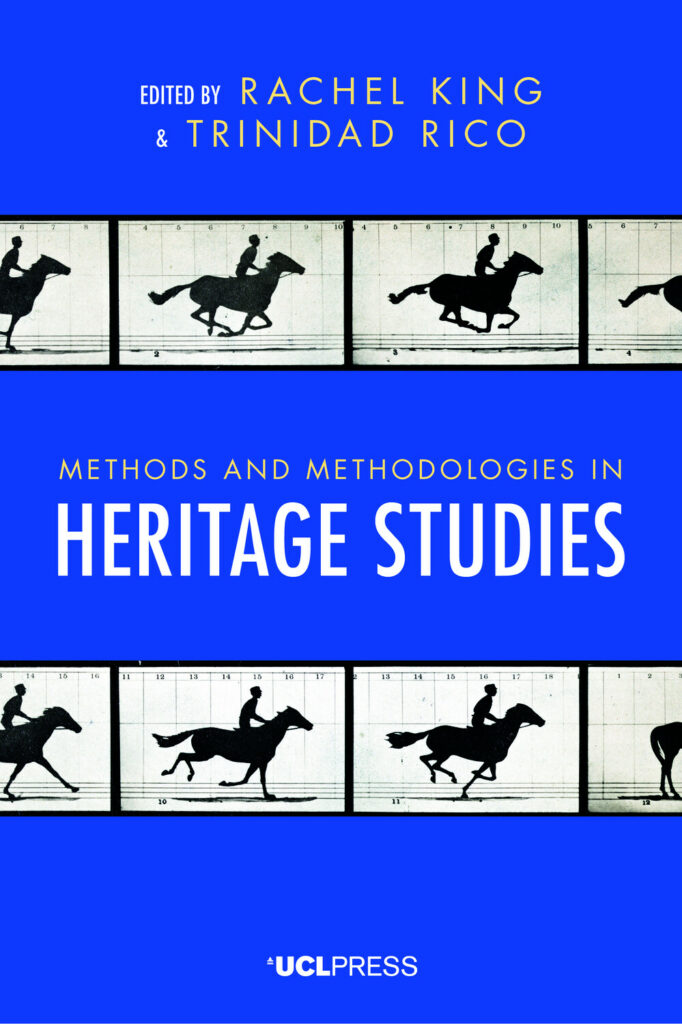
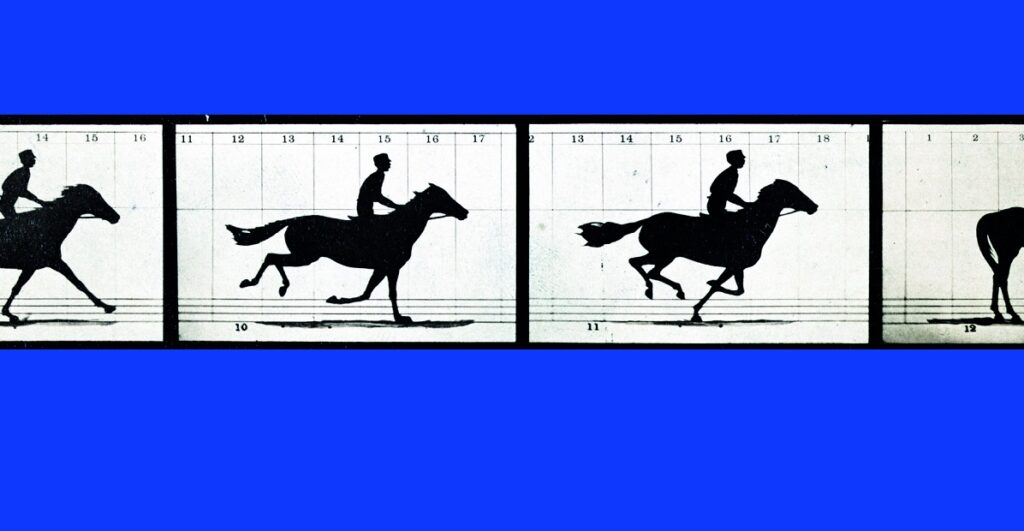
The image shows a sequence of four frames from Eadweard Muybridge’s motion study, which features on the cover of Methods and Methodologies in Heritage Studies. The images capture a horse in different stages of a gallop. Each frame depicts the horse and rider in various positions: the first frame with all four hooves on the ground, the second with the front hooves lifted, the third with all hooves off the ground, and the fourth with the rear hooves touching down. The background has grid lines for reference, and each frame is numbered 9 to 12 at the bottom.

Heritage is everywhere, from politics to popular culture. Heritage is also everywhere in higher education as we see a boom in academic programmes aimed at training heritage students in leading-edge issues that include digital public engagement, sustainability, and social justice. These are signs of a vibrant, growing field playing to its interdisciplinary strengths. We think that the time is right to take stock of where we are as a community of people involved in heritage research and management, and to reflect on how we work and make new knowledge about heritage value. This examination includes assessing intellectual habits that may no longer serve us, as well as reconsidering the ways in which boundaries between disciplines help or hinder our work. Methods and Methodologies in Heritage Studies responds to these concerns.

There are various ways in which one could approach training in methods and methodologies. One way would be to isolate different methods as standalone approaches to perfect and apply to different intellectual and practical challenges, generally in alignment with specific institutional standards. An example of this are the HABS/HAER/HALS documentation guidelines of the US National Parks Service, which dictate the execution of measured drawings, photographs, and historical reports. The other way, as we propose in Methods and Methodologies in Heritage Studies, is to describe methodologies for capturing and assessing heritage value within a problem-oriented framework. This was one of the driving questions behind Methods and Methodologies in Heritage Studies: how do we honor the fact that heritage value transcends and exists independently from established approaches and guidelines? Psychologist Abraham Maslow (1966) famously warned of a cognitive bias that involves an over-reliance on a familiar tool, writing that “I suppose it is tempting, if the only tool you have is a hammer, to treat everything as if it were a nail.” Likewise, we believe that a concern with capturing heritage value as contained in, say, visible features alone will only ever result in the categorization of a heritage as visual value. Heritage value, however, is a lot more than the academic and disciplinary categories through which it has been captured historically.
Methods and Methodologies in Heritage Studies is a volume firmly aligned with a critical study of cultural heritage and preservation that resists such histories of categorization. In the last 30 years, the study of heritage has dramatically changed to recognize and accommodate an ever-changing and ever-growing mosaic of stewards, voices of authority, and forms of knowledge that contribute to the creation, maintenance, and dissemination of heritage places, practices, and ideas. No longer the domain of powerful global and national institutions alone, the literature on heritage studies now reflects a huge diversity of languages, attitudes, and political agendas representing different publics. However, methodologically, the study of heritage has been slow to accompany these changes. Each of the contributions in this volume, therefore, pays attention to the act of creating particular data about heritage. Ultimately, the goal is to equip users with the tools to critique the intellectual journeys of heritage scholarship and to chart their own.


About the author

Trinidad Rico is Associate Professor and Director of Cultural Heritage Studies at Rutgers University, USA, and an Honorary Associate Professor at the UCL Institute of Archaeology.

Rachel King is Associate Professor in Cultural Heritage Studies at the UCL Institute of Archaeology and holds an honorary research affiliation at the University of Witwatersrand, South Africa.

Sign up to our newsletter

Don't miss out!
Subscribe to the UCL Press newsletter for the latest open access books,
journal CfPs, news and views from our authors and much more!