History Day 2025 reading list

Senate House, part of the University of London, viewed from Store Street, Bloomsbury, London

To celebrate History Day 2025 at London’s Senate House this week, we’ve put together a reading list of essential open access books in history.

If you’re attending, Pat Gordon-Smith, our commissioning editor, will be there to talk you through our extensive list of published and forthcoming titles, and answer questions about how to publish your next open access book with UCL Press.

Join the UCL Press mailing list to find out more about the latest open access titles, or visit our stand!

History

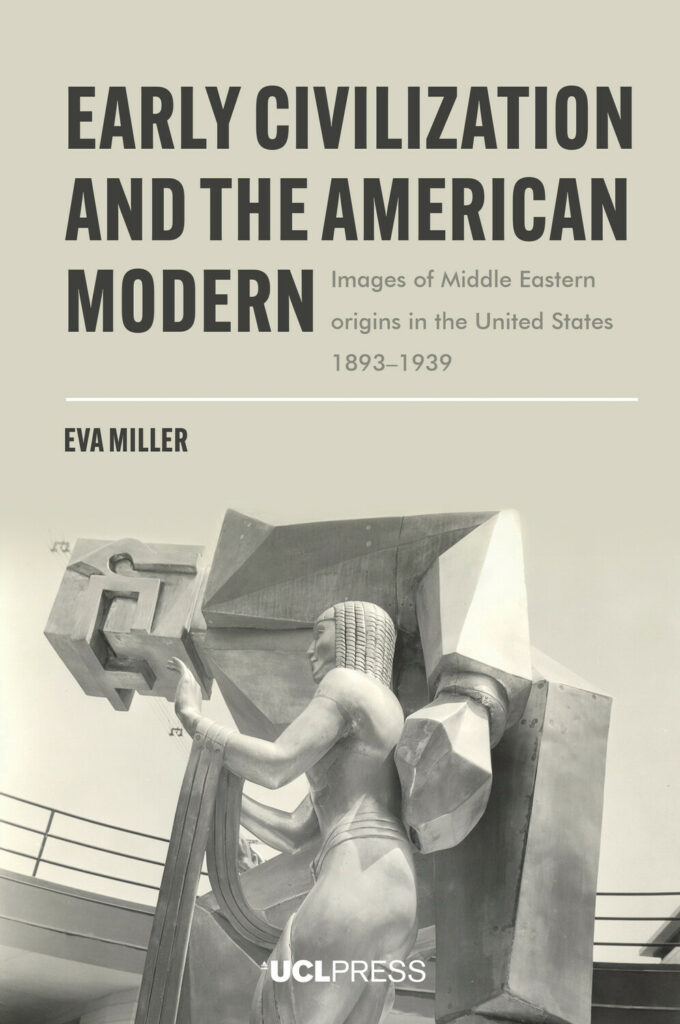
The cover of the book ‘Early Civilization and the American Modern: Images of Middle Eastern Origins in the United States 1893–1939’ by Eva Miller features a grayscale photograph of a stylized human figure sculpture within an architectural structure. The background shows a clear sky and the corner of another building, suggesting an outdoor setting. The title and author’s name are prominently displayed in white text against the dark backdrop, with the UCL Press logo at the bottom.
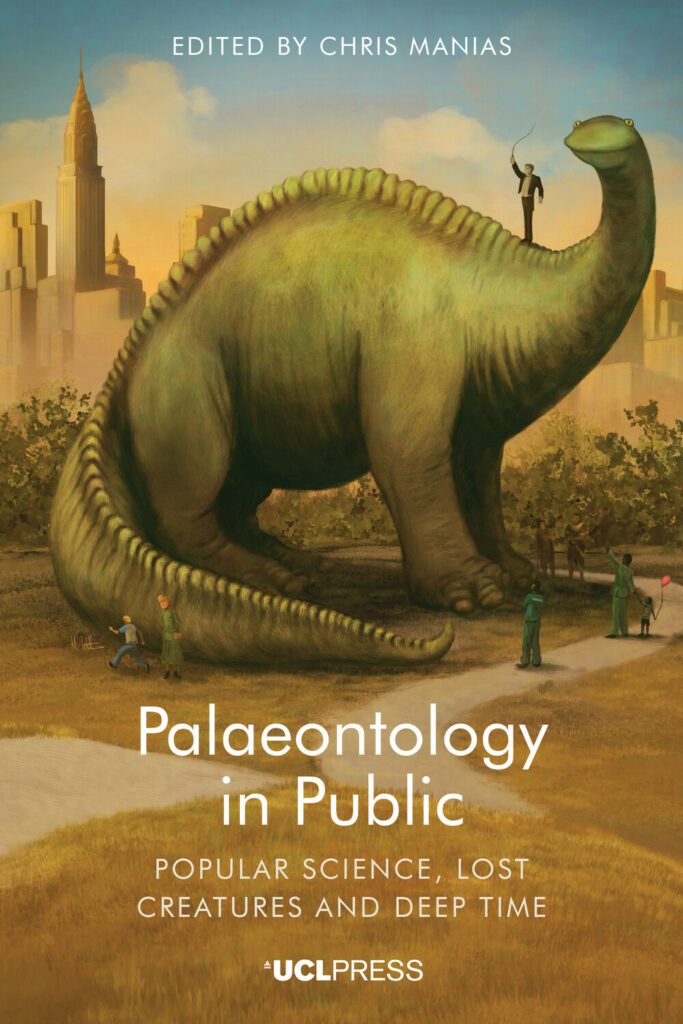
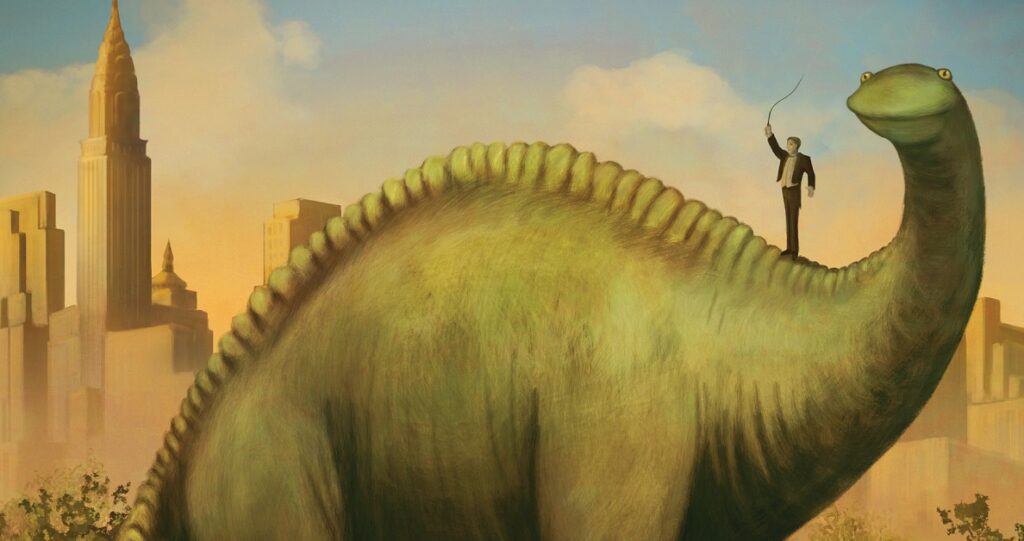
The image depicts the cover of a book titled 'Palaeontology in Public: Popular Science, Deep Time, Creatures and Lost Worlds' which is edited by Chris Manias. It features an illustration of a large green sauropod dinosaur in a modern city park surrounded by people, with a cityscape and tall buildings, including one resembling the Empire State Building, in the background.

Museums and Heritage

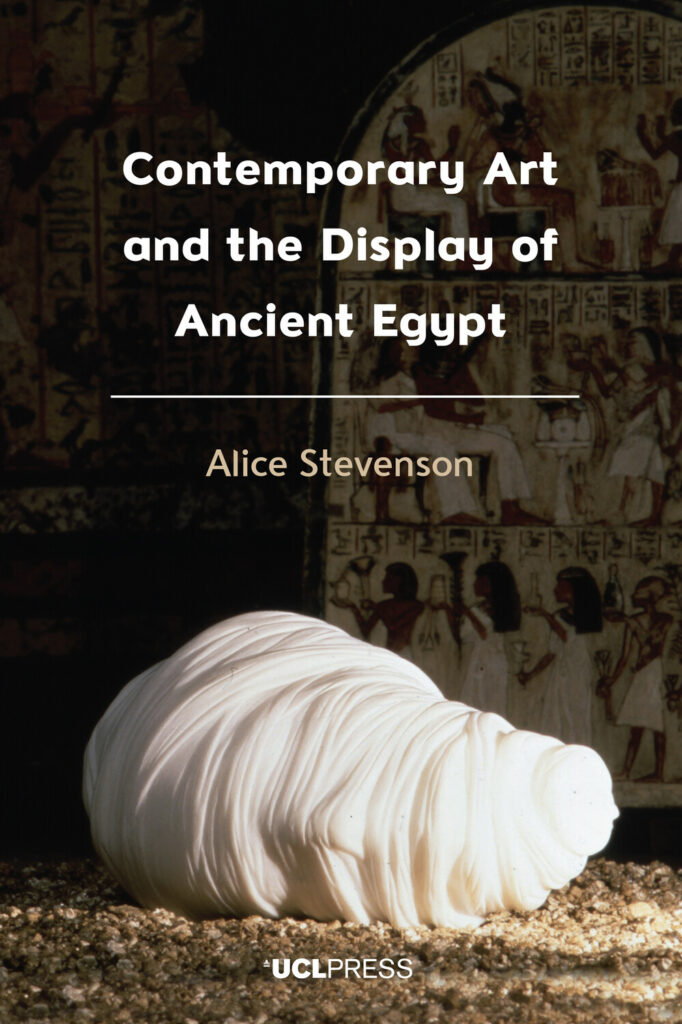
The image displays the cover of the book ‘Contemporary Art and the Display of Ancient Egypt’ by Alice Stevenson. The cover features an ancient Egyptian wall painting in the background with figures in traditional attire, and a modern white sculpture in the foreground.

Teaching History

New open access books published in July 2025

Horses on a Carousel Roundabout

July’s sunny weather wasn’t an excuse to relax at UCL Press – we’ve been busier than ever with five new open access books! Covering topics from historical memory and mental health to kinship, sensory heritage, and literary masculinity, these titles are, as always, freely available to download from our website.

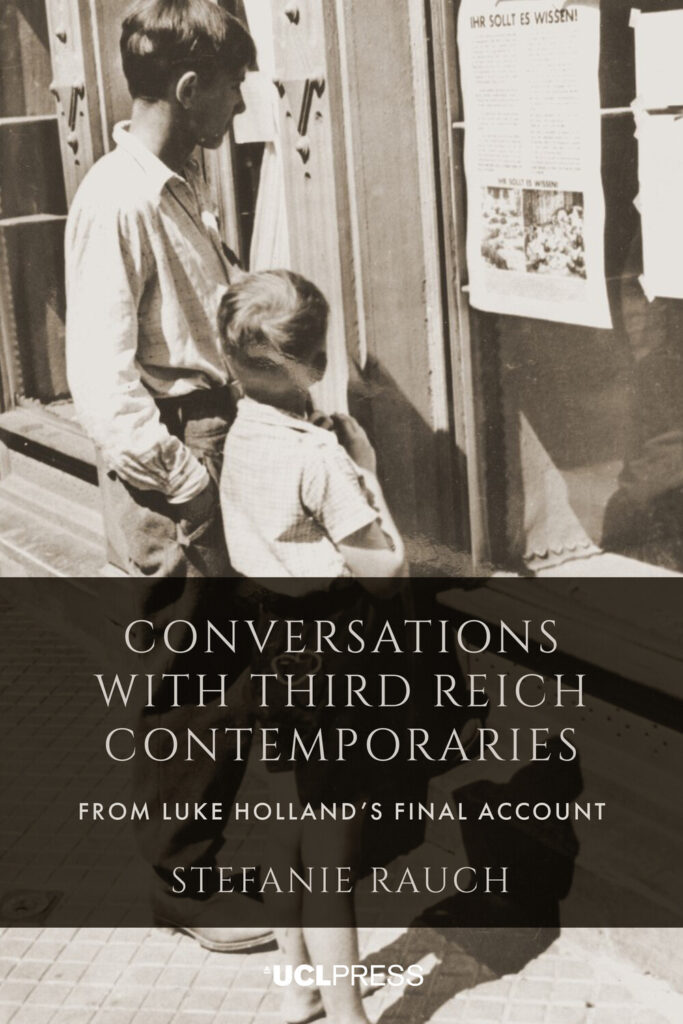
An important addition to historical scholarship, Conversations with Third Reich Contemporaries: From Luke Hollands Final Account presents excerpts from filmed interviews conducted by British documentary filmmaker Luke Holland. Most interviewees were young adults when the war ended; some had benefited from Nazism. The book raises critical awareness of issues around representation, authenticity and the co-production of narratives. Download it free.

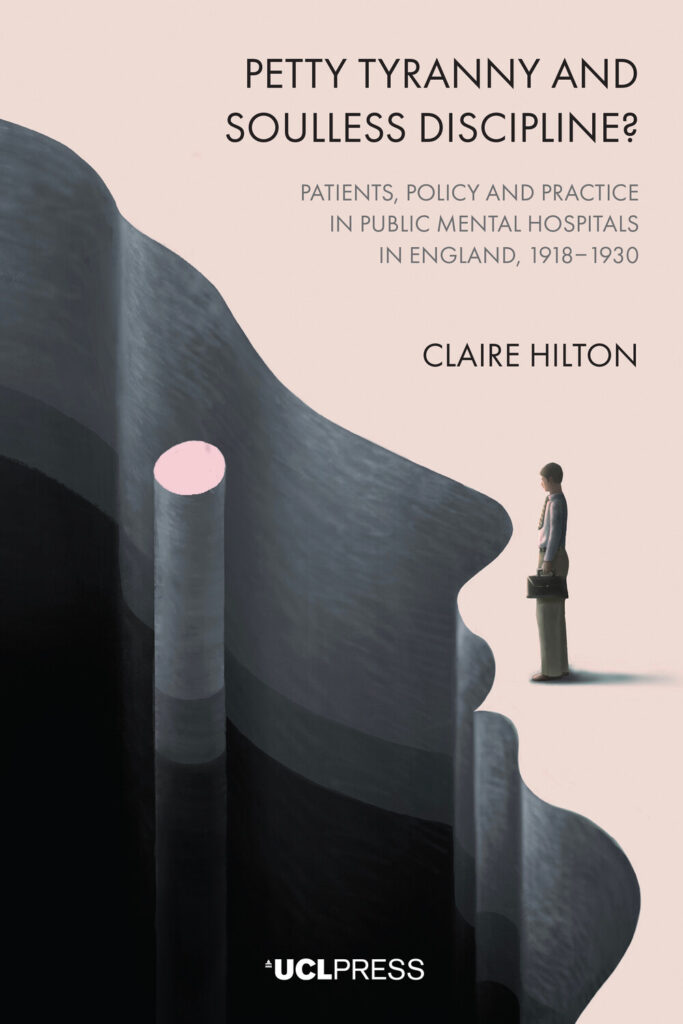
The ground-breaking Petty Tyranny and Soulless Discipline? Patients, policy and practice in public mental hospitals in England, 1918–1930 examines England’s public mental hospitals for the working class after the First World War. Narratives of patients’ difficult daily lives are interwoven with analysis of competing agendas from campaigners, government and new medical knowledge, to build a complex picture of mental health provision. Download free.

The fantastic Marriage Matters: Imagining love and belonging in Uganda engages with new and classic anthropological theory, and gender studies about kinship, marriage, relatedness and temporality. It examines how partnership, kinship, child filiation, friendship, ideas about love and commitment have been changing, and how Ugandans imagine past and future relationship between genders and generations. Download it free.

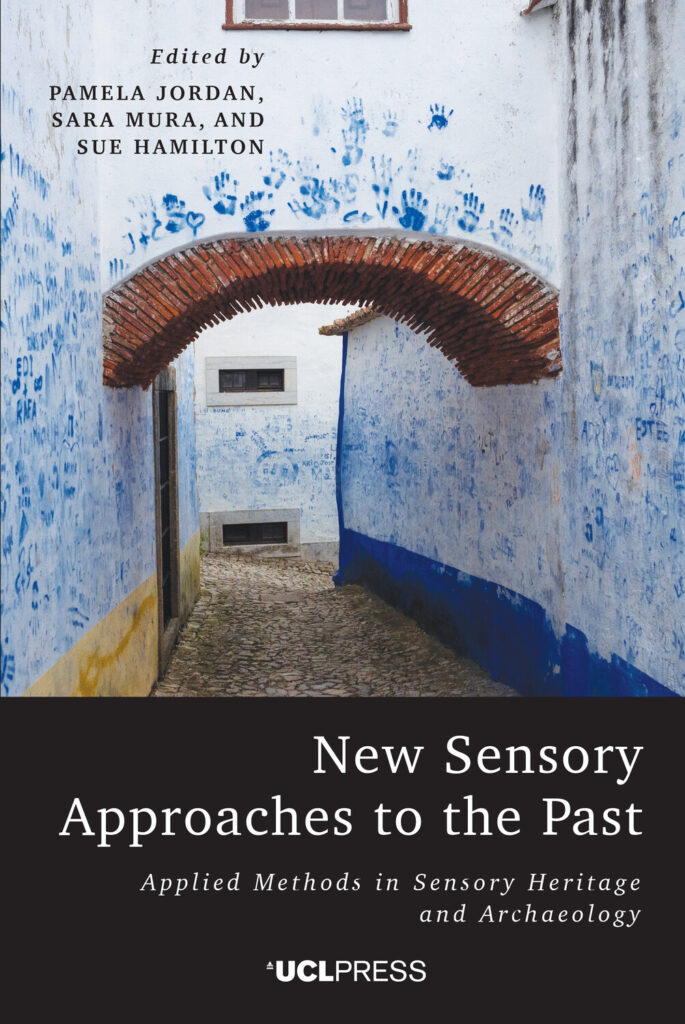
Presenting studies of historical environments through the lens of the senses, New Sensory Approaches to the Past: Applied methods in sensory heritage and archaeology showcases the latest approaches to sensory research through real-world scenarios of human−environment connections. Interdisciplinary examples of diverse sensory in-situ studies will enable readers to replicate and enhance their own investigations. Whether you’re a student, academic or researcher, it’s a fantastic read. Download it free.

Finally, the latest volume of the Comparative Literature and Culture series, Heterosexual Masculinities and the Self-Reflexive Novel examines how the narratives of, J. M. Coetzee, Milan Kundera, Philip Roth and Mario Vargas Llosa, offer a standpoint through which to address the inscription of heterosexual masculinity into Western literary legacy and the ways in which masculinity is re-fashioned in contemporary self-reflexive novels. Download it free.

We’ll be back again next month with a round up of the very best open access books. As always, stay safe!

Two new launch events for Palaeontology in Public

A large green dinosaur with a man in a suit on its back, set against a cityscape with skyscrapers.

Join the authors for two events for the recently published book Palaeontology in Public. The book examines how palaeontology has impacted on public culture, and how the public role of the field has shaped the science of palaeontology across its history.

Online event

An online event will take place on Tuesday 18 February between 18:00-19:30 GMT on Zoom. This event will feature a panel discussion on the themes of the book, with Mike Benton, Riley Black, Adrian Currie, Natalia Jagielska and Alison Laurence, in conversation with several of the book chapter authors.

Sign up free: http://bit.ly/3QaOlOj

In-person event

The second launch will be in-person. This will take place on Saturday 22 March between 14:30-19:30 GMT at King’s College London.

The event will feature talks, discussion, a film screening, and a pop-up exhibition. Current confirmed speakers include Richard Fallon, Susannah Lydon, Ilja Nieuwland and Mark Witton; the event will close with a panel discussion, where Mike Benton, Tori Herridge, Natalie Lawrence and Darren Naish will reflect on the place of palaeontology in public life, and how it has affected their own work and careers.

Read full details and sign up free: https://bit.ly/3CFdFsN

New open access books published in January 2025

Books on a wooden bookshelf in UCL library.

2025 has begun in the best way possible- with four brand new open access books!

Our first book of the year, The Laissez-Faire Peasant: Post-socialist rural development in Serbia examines manifestations of peasant autonomy, both in response to and independent of state rural development policies through a multi-sited ethnography of three Serbian villages. It is shown how these factors impede state programs for rural development while enabling the spontaneous flourishing of local communities. By focusing on the agency of rural residents, the book finds that peasants are resilient and competent agents who do not need government plans to thrive.

This was closely followed by Alice Stevenson’s Contemporary Art and the Display of Ancient Egypt argues that the contemporary and the ancient do not necessarily inform each other. Rather than explore how contemporary artists have been inspired by Egypt, this book examines how they have shaped the language and discourse around study of the Egyptian past by looking at the wider field of public display in which both have been historically situated. Building on this critical history of practice, the book draws from experiments in bringing contemporary artistic sculptures, conceptual pieces, multimedia films, sounds, smells and performances into galleries: at the British Museum in London, the Egyptian Museum in Turin and the State Museum of Egyptian Art in Munich. These are used to explore what contemporary art does in these spaces, the motivations for inviting artists in, and the legacies of those interventions. It ends with a reflection on how academics and curators can be involved in the creative process and how artists contribute to academic research.

The edited collection Palaeontology in Public: Popular science, lost creatures and deep time followed. This delightful book  considers the connections between palaeontology and public culture across the past two centuries. In so doing, it explores how these public dimensions have been crucial to the develo Dinosaurs feature, of course, including Spinosaurus, Winsor McCay’s ‘Gertie the Dinosaur’ and the creatures of Jurassic Park and The Lost World. A must for anyone with an interest in history of science, palaeontology and culture.

The final book of the month was the immensely important War Essays. In this fantastically absorbing book, Zainab Bahrani charts the devastation, cultural cleansing and targeted erasure of Iraq’s past, and argues that the topics of archaeology, history and memory must be analysed within the larger geopolitical issues of the contemporary Middle East. The essays present a counter-narrative of events that historicize the position of the historian and illustrate the enduring colonial practices of archaeology. Set within a narrative that reflects at once upon the violence of war and the processes of writing, an archaeologist’s personal journey unfolds. War Essays intertwines the autobiographical with the historical and analytical aspects of scholarship, weaving an eye-witness account of war with theoretical discussions around writing, the relationship of monuments, historical landscapes and memory, and how one’s sense of place in the world is disrupted by war. Definitely not one to miss.

We’ll be back again next month with a round up of the very best open access books. As always, stay safe!

Palaeontology in Public: Meet the editor

A large green dinosaur with a man in a suit on its back, set against a cityscape with skyscrapers.

Today we are excited to publish Palaeontology in Public, edited by Dr Chris Manias. This exciting new book considers the connections between palaeontology and public culture across the past two centuries. In so doing, it explores how these public dimensions have been crucial to the development of palaeontology, and indeed how they conditioned wider views of science, nature, the environment, time and the world. 

We are grateful to Chris for taking the time to answer a few questions about his work, making the book as accessible as possible, and what he’s learnt from editing this new collection.

Tell us more about your background and experience in this field

I’m a historian of science specialising in the history and cultural role of palaeontology and related fields. As well as working on Palaeontology in Public, I’ve recently written another book about the history of mammal palaeontology in the nineteenth century, looking at why scientists and public audiences in this period were so interested in fossil mammals, and what this tells us about global connections and understandings of nature and the environment in this period. I’m currently working on a new project, looking at how palaeontologists and geologists engaged with the crises of the 1920s and 1930s, and have recently been awarded a Research Fellowship by the Leverhulme Trust to work on this (detailed here, p. 9).

What do you enjoy most about your work?

As an academic employed by a university, my work is very varied, which makes it both fun and unexpected, but does also mean juggling a large number of different things! I particularly like talking to people from differing backgrounds about the cultural role of nature, deep time and evolution. People can approach these issues from very different perspectives, and so it can be a really useful meeting ground to think about different ways seeing the world, its history, and its current condition.

How did you work with the contributors to this book to ensure their voices were heard and their work is presented in the best possible light?

As this project grew out of a pre-existing network, we had a lot of activity to develop the book, making sure that everyone got their work presented well, and that they could all contribute to making the book as coherent as possible. All the contributors knew each other already, or were introduced to each other early in the process, so they could keep up to date with how the other chapters were developing. We also had a number of ways that authors could get feedback on their chapters. Each author led a session on their chapter at the Popularizing Palaeontology online meetings, which meant they could showcase their work and get feedback. I also made sure that each chapter was read over in depth by myself and at least one other book contributor (ideally one from a different field) so they had another perspective on it. And we had a small in-person workshop once the whole draft manuscript was ready, where we could talk about the book and all the comments in the round. I hope this was successful in making sure that all authors got heard, and that the book became a coherent collection of related case studies.

How did you balance the need for academic rigour with the aim to make this book accessible and engaging to a broader audience?

We are lucky with this book, in that we are dealing with topics which have a great deal of public appeal and an audience already: the role of dinosaurs, human ancestors, and prehistoric mammals in popular culture. The structure of the book, looking at particular case studies, like changing views of Spinosaurus, the animated ‘Gertie the Dinosaur’ from the 1910s, and the place of human evolution in museum and media culture, provides a series of engaging episodes which fit together into a single arc.

The book also deals with an area where there is a lot of sophisticated and complex academic work, especially around science popularization, the reconstruction of prehistoric animals, and building new perspectives on the history of palaeontology (especially as connected to changes in understanding the world and nature, and processes like scientific change, the history of the media, and colonialism). So the subject of palaeontology in public culture can act as a bridge between the wide public audience interested in palaeontology, and these more specialist academic fields.

The fact that the book is interdisciplinary, and the chapters were written by authors from different fields (and in some cases written co-written by scientists and humanities scholars), also helped make the book accessible. Given that palaeontologists are not trained in history of science, and historians of science are not trained in palaeontology, authors needed to make sure that what they were saying was absolutely clear to non-specialists when drafting and presenting their works. So this also, I think, helped with making it accessible and engaging, while still keeping things on a high intellectual level.

What advice would you give to aspiring editors, and what do you think are the key skills and attributes required?

Edited collections take a long time to put together, especially as you will be working with a large number of authors, all of whom have other commitments and projects. Some will invariably be able to devote more time to their chapters than others, and contributors will also be working at different rates and rhythms. So you do need to be able to work with people’s schedules, while making sure that things move forward at a rate that works for everyone. A combination of flexibility, alongside awareness of when things need to be pushed along (and an ability to work out how best to do that) is particularly important.

Surprise us with something unexpected you encountered in your work on this book

I especially liked the chapters which took the case studies beyond the traditional European and North American framework that a lot of the history of palaeontology has been written around. This included Irina Podgorny’s chapter on the relation between glyptodons, art and literature in twentieth-century Argentina, Zichuan Qin and Lukas Rieppel’s discussion of the role of dinosaurs in China, and the highlighting of the role of African and Asian research in palaeontology and human evolutionary studies in several chapters. These are things that the academic literature is starting to focus on, and tells the history of palaeontology in a new light.

What do you think are the biggest challenges facing academic book publishing today, and how do you see the industry evolving in the future?

The move to open access is a really important one. Incidentally, a major reason I wanted this book to be published by UCL Press is that I really like the model of open access publishing that you support, where the digital download is freely available, but it is still possible to buy the book as a well-produced printed edition. Open access presents big opportunities in terms of reaching new and expanded audiences, but also of course comes with challenges. It doesn’t fit with the for-profit model of academic publishing that has developed (very unhealthily in my view), and so there is the potential for conflict there, or for quite exploitative models of authors paying large sums of money to have articles published in open access. Also my field – History – is one where large single-authored books are the gold standard, which is a format that doesn’t fit very well with open access formats as currently envisioned. So this is going to require negotiation and new ways of working all round, which might hopefully dismantle some of the more problematic structures that have developed around for-profit academic publishing.


About the author

Chris Manias is Senior Lecturer in the History of Science & Technology at King’s College London.

Sign up to our newsletter

Don't miss out!
Subscribe to the UCL Press newsletter for the latest open access books,
journal CfPs, news and views from our authors and much more!