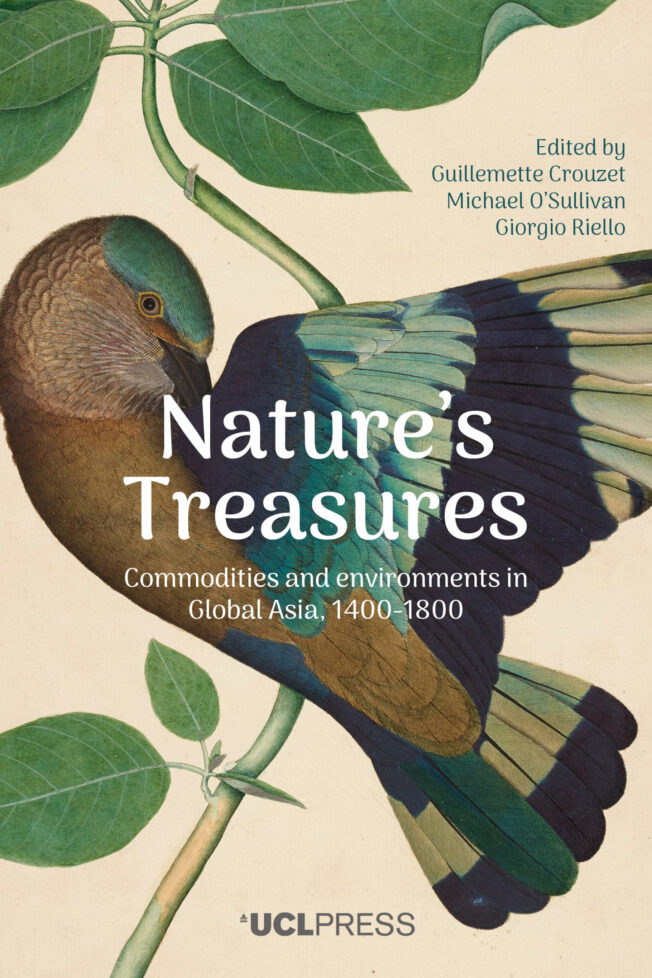

Publication date: 1 June 2027
DOI: https://doi.org/10.14324/111.9781806553259
Number of illustrations: 46

Nature’s Treasures
Commodities and environments in Global Asia, 1400-1800
Guillemette Crouzet (Editor), Michael O’Sullivan (Editor), Giorgio Riello (Editor)
In the early modern period, Asia had a unique environmental wealth and an equally dazzling array of commodities making the continent the centre of world trade and exchange. From the barren coasts of Yemen to the Himalayan foothills of Yunnan in China and the volcanic slopes of Java in Indonesia, many of the continent’s environments were manipulated for material extraction and profit, and ultimately subjected to the logic of commodity production.
Nature’s Treasures provides a sophisticated understanding of how economic processes on a global scale were profoundly influenced by Asian environments and ecologies, and how these environments were deeply altered by trade and processes of commodification and transplantation. The book includes analyses ranging from pearl fishing to the collection of cowry shells in marine and coastal areas, walrus hunting and the deployment of buffalo in frontiers by both Asian and European powers, and the transplantation and commodification of plants and crops such as cocoa and cinnamon within a wider geography that we call Global Asia. Nature’s Treasures draws on environmental history methodologies in seeking to reground commodities in their environments, and environments in their commodities.

Toby Butler, Felix Driver, Barbara Brayshay, Chris Church, Jeremy Iles, Oli Mould, Saskia Papadakis,
12 November 2026


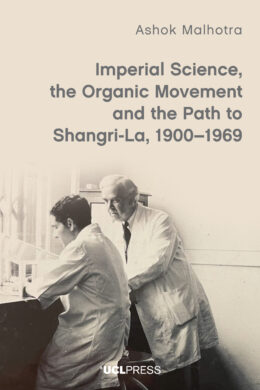
Imperial Science, the Organic Movement and the Path to Shangri-La, 1900-1969
Ashok Malhotra,
23 March 2026



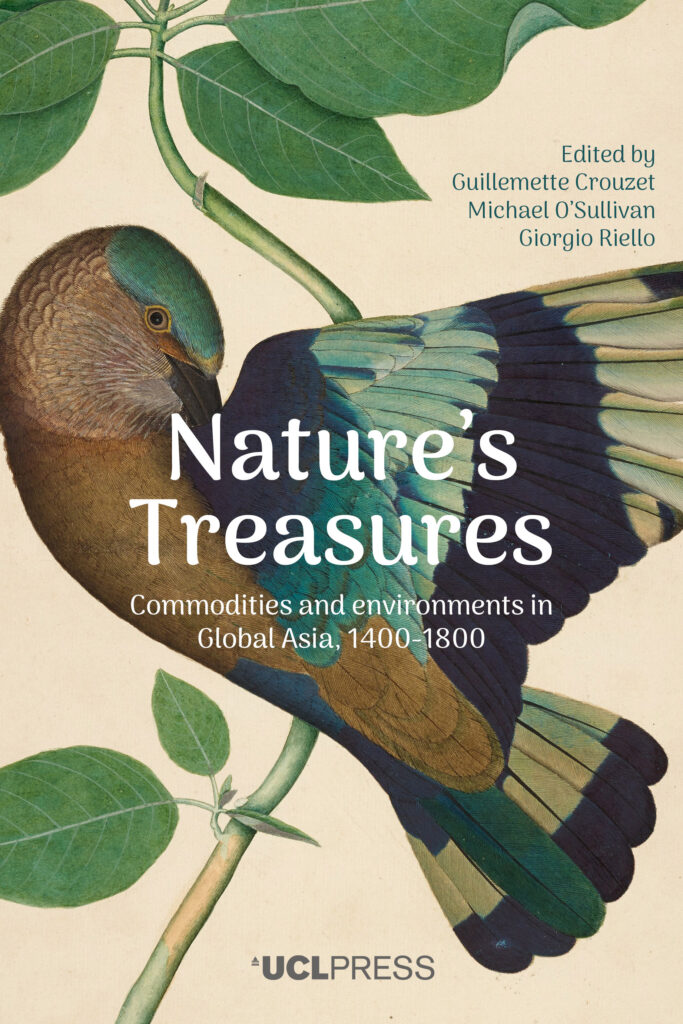
Nature’s Treasures
Commodities and environments in Global Asia, 1400-1800
Publication date: June 1, 2027
Open Access PDF ISBN: 9781806553259
Paperback ISBN: 9781806553242
Trim size (paperback): 23.4cm x 15.6cm
In the early modern period, Asia had a unique environmental wealth and an equally dazzling array of commodities making the continent the centre of world trade and exchange. From the barren coasts of Yemen to the Himalayan foothills of Yunnan in China and the volcanic slopes of Java in Indonesia, many of the continent’s environments were manipulated for material extraction and profit, and ultimately subjected to the logic of commodity production.
Nature’s Treasures provides a sophisticated understanding of how economic processes on a global scale were profoundly influenced by Asian environments and ecologies, and how these environments were deeply altered by trade and processes of commodification and transplantation. The book includes analyses ranging from pearl fishing to the collection of cowry shells in marine and coastal areas, walrus hunting and the deployment of buffalo in frontiers by both Asian and European powers, and the transplantation and commodification of plants and crops such as cocoa and cinnamon within a wider geography that we call Global Asia. Nature’s Treasures draws on environmental history methodologies in seeking to reground commodities in their environments, and environments in their commodities.