
Publication date: 1 March 2027
DOI: https://doi.org/10.14324/111.9781806552894
Number of illustrations: 9

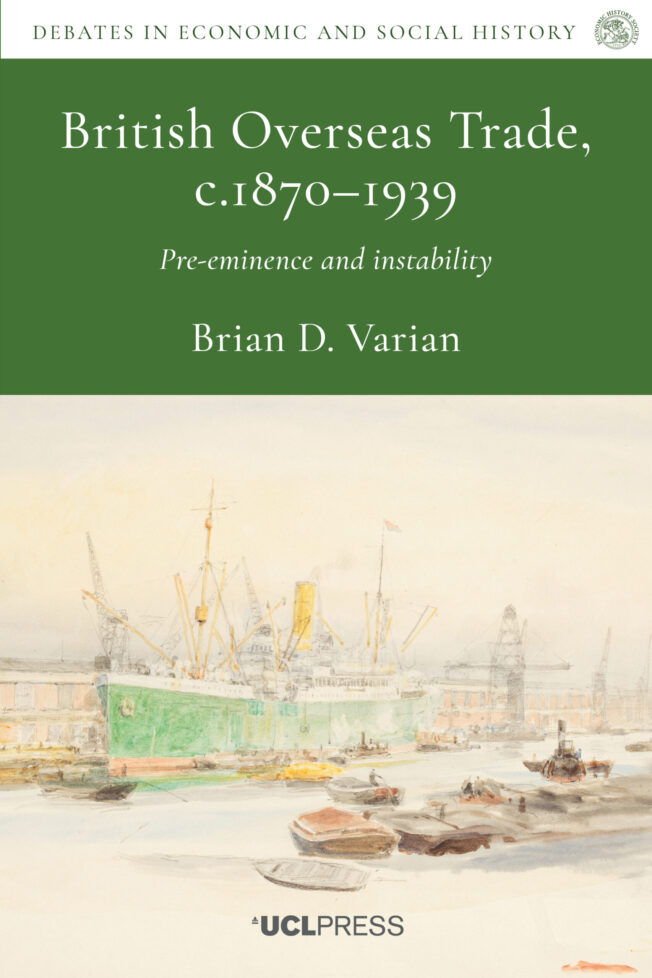
British Overseas Trade, c.1870–1939
Pre-eminence and instability
Brian D. Varian (Author)
British Overseas Trade, c.1870–1939 presents prominent academic debates concerning Britain’s overseas trade during the late nineteenth and early twentieth centuries. Whereas previous economic histories of British trade have traditionally ended with the First World War, the coverage of this book extends to the interwar era, thereby enabling a broader, more insightful overview of the development of British trade across a period of momentous change in the world economy.
Placing an emphasis on trade policy, the book covers Britain’s transition from a free-trade ‘workshop of the world’ during the first era of globalisation to a highly protected, empire-orientated economy in the 1930s. It examines the many influences on British trade and, in turn, how international trade influenced the pace of growth in the British economy. Visiting more than a dozen debates in economic history, some of them quite lively, this book offers a rounded understanding of what determined not only the levels of Britain’s exports and imports, but also their geographic and industrial composition – in a period marked by intensifying competition between the first industrial nation and a new generation of industrial nations. Taking a gentle and engaging approach to both economics and history, this book will be accessible and enjoyable for a diverse readership interested in its subject matter.
Related titles
British Overseas Trade, c.1870–1939
Pre-eminence and instability
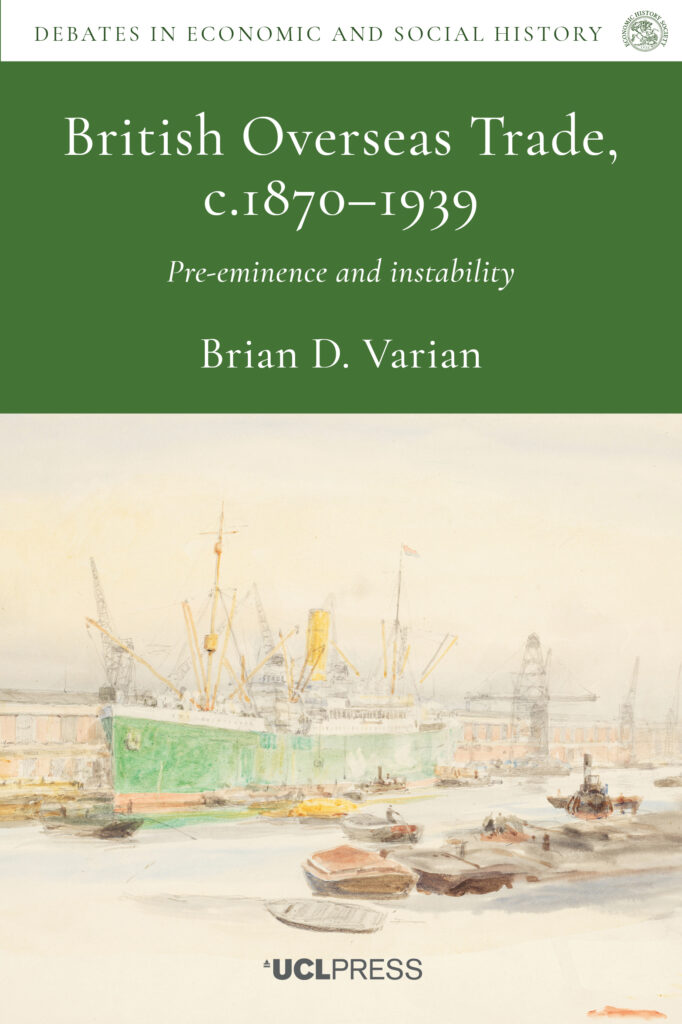
Series: Debates in Economic and Social History
Publication date: March 1, 2027
Open Access PDF ISBN: 9781806552894
Paperback ISBN: 9781806552887
Trim size (paperback): 23.4cm x 15.6cm
British Overseas Trade, c.1870–1939 presents prominent academic debates concerning Britain’s overseas trade during the late nineteenth and early twentieth centuries. Whereas previous economic histories of British trade have traditionally ended with the First World War, the coverage of this book extends to the interwar era, thereby enabling a broader, more insightful overview of the development of British trade across a period of momentous change in the world economy.
Placing an emphasis on trade policy, the book covers Britain’s transition from a free-trade ‘workshop of the world’ during the first era of globalisation to a highly protected, empire-orientated economy in the 1930s. It examines the many influences on British trade and, in turn, how international trade influenced the pace of growth in the British economy. Visiting more than a dozen debates in economic history, some of them quite lively, this book offers a rounded understanding of what determined not only the levels of Britain’s exports and imports, but also their geographic and industrial composition – in a period marked by intensifying competition between the first industrial nation and a new generation of industrial nations. Taking a gentle and engaging approach to both economics and history, this book will be accessible and enjoyable for a diverse readership interested in its subject matter.