
Publication date: 1 March 2027
DOI: https://doi.org/10.14324/111.9781067618360
Number of illustrations: 23

Material Culture and the British Empire
Sarah Longair (Editor), John McAleer (Editor)
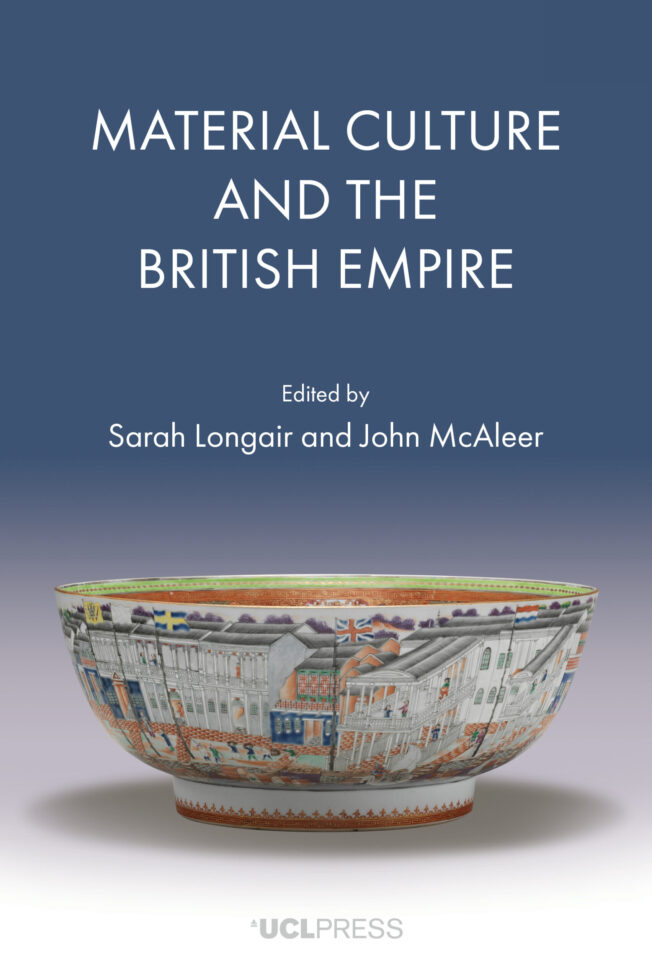
Material Culture and the British Empire demonstrates the vital role played by material culture in the history and interpretation of the British Empire. It explores key themes in the history of empire, from enslavement and exploration to commercial expansion and cultural encounter, to highlight the significance of material objects and material exchanges for understanding the development of Britain’s global empire.
Rich, detailed case studies span the Atlantic, Africa, the Indian Ocean and polar regions to reveal that the British Empire was shaped not only by complex entanglements of people, policies and power, but also by things: objects made, exchanged, collected, displayed, treasured, and sometimes forgotten. The chapters examine diverse, fascinating artefacts to unlock histories of encounter, trade, violence, knowledge production, identity and resistance. Some are extraordinary, the ceremonial letters carried on the first East India Company voyages, for instance, and flags hauled across polar landscapes; others are everyday tools used by enslaved and indentured workers to finely crafted objects circulating in British homes. Together, these narratives highlight the power of material culture to illuminate lives absent or marginal in the written archives of empire, while scrutinising the motives and mechanisms of imperial collecting. They encourage readers to rethink the history of empire through the tangible things that shaped it, and that continue to shape debates about its memory and legacies today.
Related titles
Material Culture and the British Empire
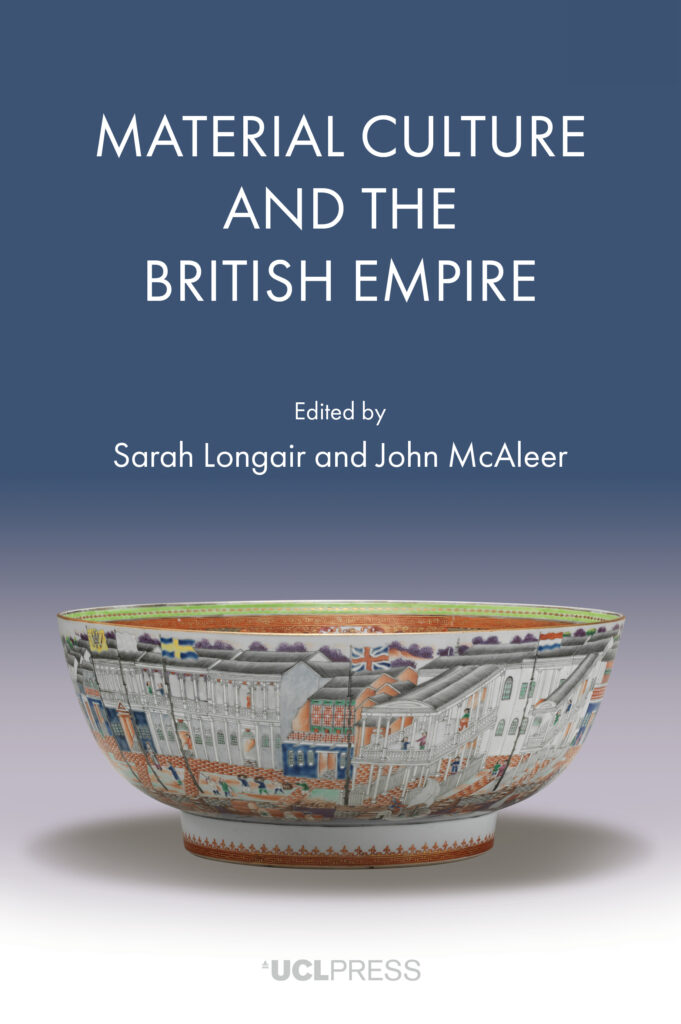
Publication date: March 1, 2027
Open Access PDF ISBN: 9781067618360
Paperback ISBN: 9781806552696
Trim size (paperback): 23.4cm x 15.6cm
Material Culture and the British Empire demonstrates the vital role played by material culture in the history and interpretation of the British Empire. It explores key themes in the history of empire, from enslavement and exploration to commercial expansion and cultural encounter, to highlight the significance of material objects and material exchanges for understanding the development of Britain’s global empire.
Rich, detailed case studies span the Atlantic, Africa, the Indian Ocean and polar regions to reveal that the British Empire was shaped not only by complex entanglements of people, policies and power, but also by things: objects made, exchanged, collected, displayed, treasured, and sometimes forgotten. The chapters examine diverse, fascinating artefacts to unlock histories of encounter, trade, violence, knowledge production, identity and resistance. Some are extraordinary, the ceremonial letters carried on the first East India Company voyages, for instance, and flags hauled across polar landscapes; others are everyday tools used by enslaved and indentured workers to finely crafted objects circulating in British homes. Together, these narratives highlight the power of material culture to illuminate lives absent or marginal in the written archives of empire, while scrutinising the motives and mechanisms of imperial collecting. They encourage readers to rethink the history of empire through the tangible things that shaped it, and that continue to shape debates about its memory and legacies today.