
Publication date: 1 June 2027
DOI: https://doi.org/10.14324/111.9781806552658
Number of illustrations: 166

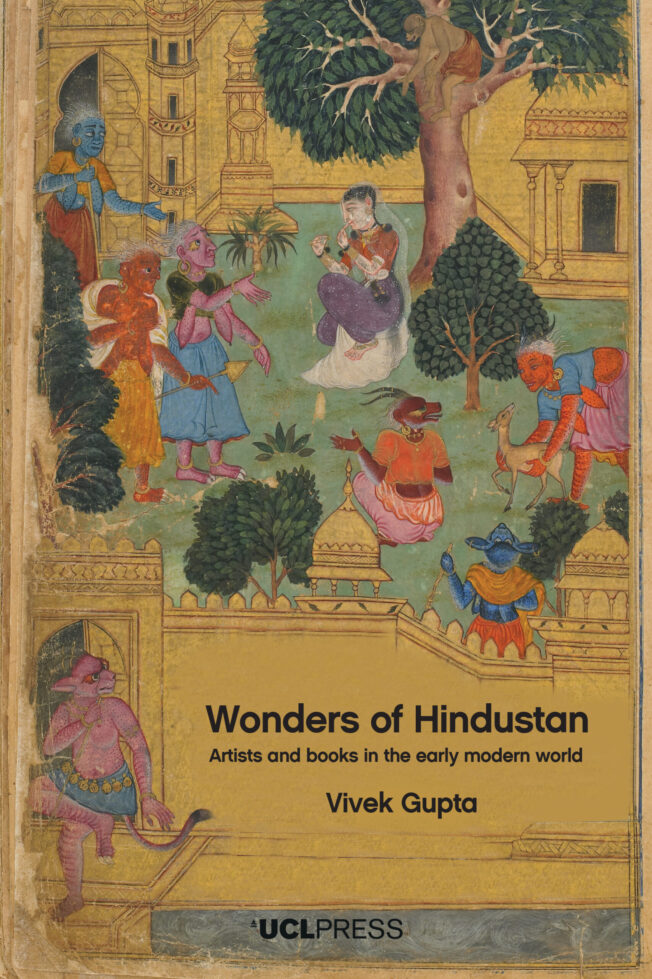
Wonders of Hindustan
Artists and books in the early modern world
Vivek Gupta (Author)
Lore across the Islamicate and European worlds cast India as a faraway place of deep wisdom, deviant practices and divine revelation. But what happened when people living in Hindustan reinterpreted these persistent tropes of wonder about themselves? Wonders of Hindustan unravels this question through a study of the circulation of Islamicate book culture from the fifteenth to eighteenth centuries in South Asia, in particular wonders-of-creation books that were densely illustrated mappings of the cosmos.
Wonders of Hindustan argues that the experience of wonder was central to shaping, educating and transforming worlds in early modern India. Scholars and book makers translated entire bodies of knowledge for diverse Indo-Islamicate societies. Through philosophical, literary and material traces from a period of intense cultural encounter, this book probes the transcultural affect of wonder. It demonstrates how artists in Hindustan mobilised wonder as a didactic visual tool and expanded their worlds through queer monsters, racialised cosmos and the endless seas. In doing so, this book offers the first comprehensive account of how wonders-of-creation books expanded the world’s possibilities with visual knowledge.
Related titles
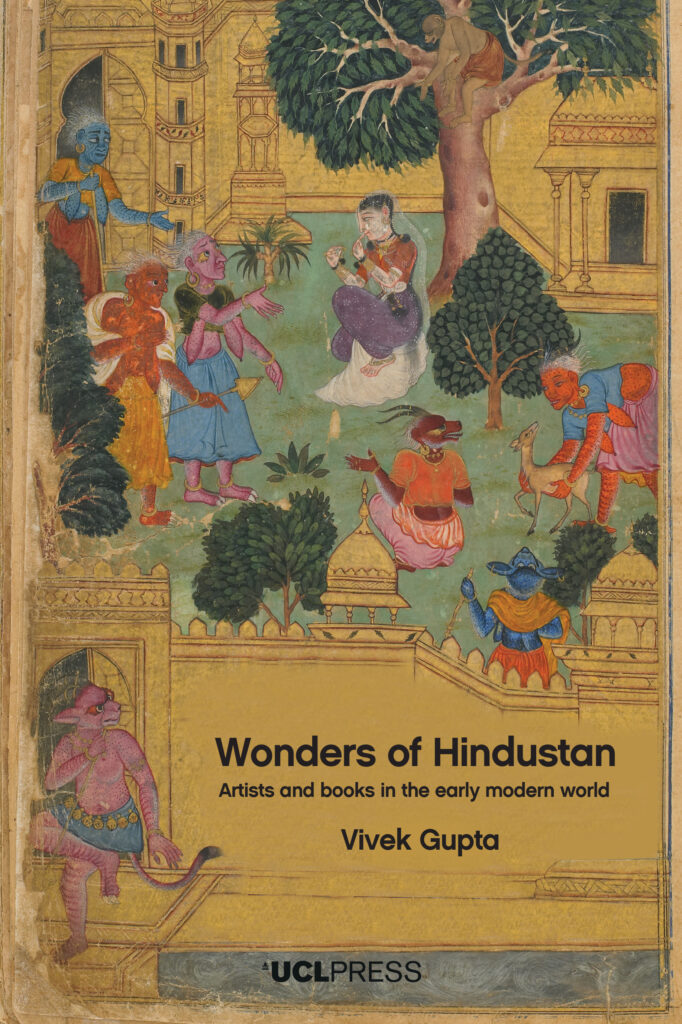
Wonders of Hindustan
Artists and books in the early modern world
Publication date: June 1, 2027
Open Access PDF ISBN: 9781806552658
Paperback ISBN: 9781806552641
Trim size (paperback): 23.4cm x 15.6cm
Lore across the Islamicate and European worlds cast India as a faraway place of deep wisdom, deviant practices and divine revelation. But what happened when people living in Hindustan reinterpreted these persistent tropes of wonder about themselves? Wonders of Hindustan unravels this question through a study of the circulation of Islamicate book culture from the fifteenth to eighteenth centuries in South Asia, in particular wonders-of-creation books that were densely illustrated mappings of the cosmos.
Wonders of Hindustan argues that the experience of wonder was central to shaping, educating and transforming worlds in early modern India. Scholars and book makers translated entire bodies of knowledge for diverse Indo-Islamicate societies. Through philosophical, literary and material traces from a period of intense cultural encounter, this book probes the transcultural affect of wonder. It demonstrates how artists in Hindustan mobilised wonder as a didactic visual tool and expanded their worlds through queer monsters, racialised cosmos and the endless seas. In doing so, this book offers the first comprehensive account of how wonders-of-creation books expanded the world’s possibilities with visual knowledge.