We are currently upgrading our shopping cart; in the interim all orders are being diverted to Waterstones. If you would like to redeem a promotional code, or are an author wanting to place an order, please email us.
Today is World Social Media Day, a moment to reflect on how deeply digital platforms shape everyday life. From sharing moments with friends to building communities across continents, social media has become central to how we connect, communicate and understand the world.
This makes it the perfect moment to revisit the ground-breaking open access Why We Post series, which explores not just how we use social media, but why it matters across different cultures and societies.
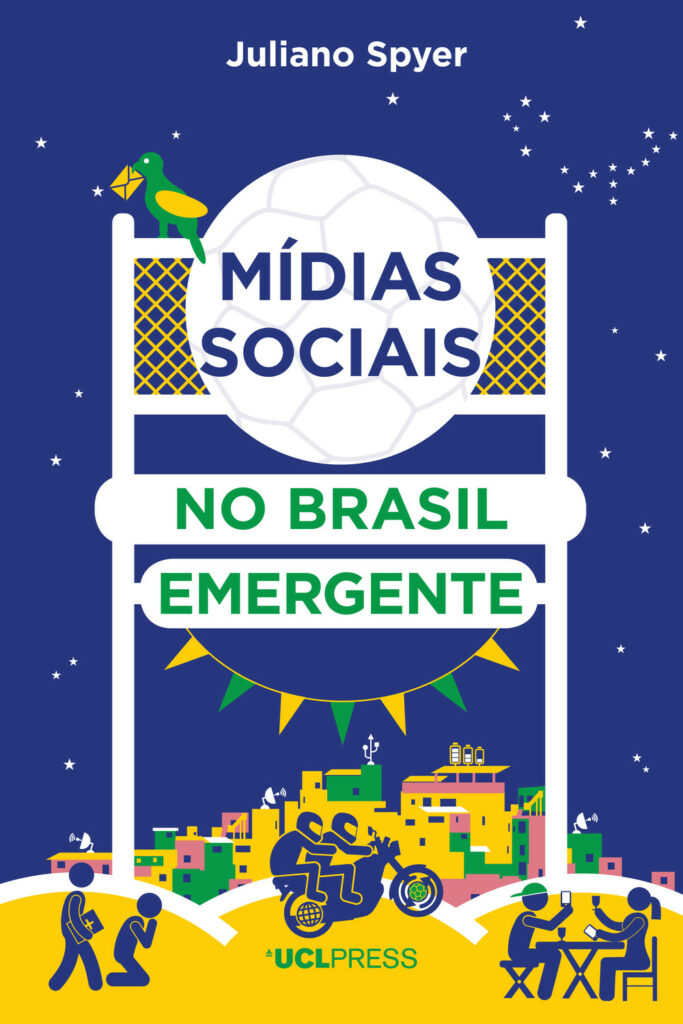
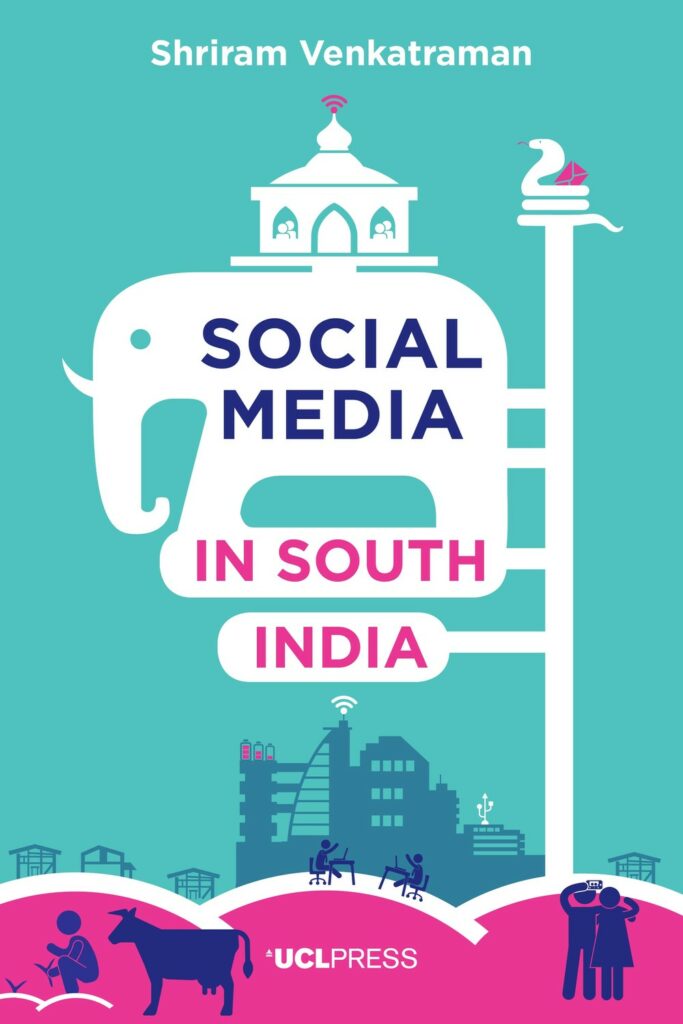
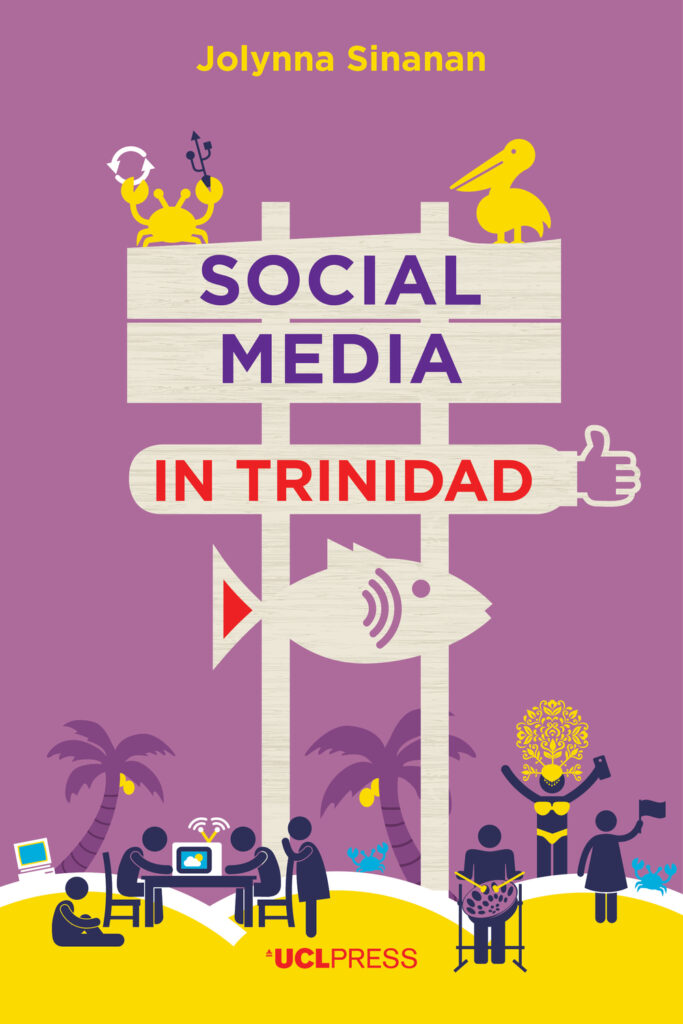
Why We Postset out to answer these questions by looking beyond headlines and assumptions. Nine anthropologists spent 15 months living in communities across China, Brazil, Turkey, Chile, India, England, Italy and Trinidad. Their research focused not just on platforms, but on what people actually share and why.
The series moves beyond headlines and assumptions. Nine anthropologists spent 15 months living in communities across China, Brazil, Turkey, Chile, India, England, Italy and Trinidad, exploring not just the platforms people use, but what they share and why.
Their findings are clear. Social media is not simply a tool for communication. It is a place where we live our lives.
Across the series, common assumptions are challenged. What looks like self promotion in one context can signal belonging in another. What appears to weaken relationships may instead strengthen them. Social media takes on different meanings depending on culture, community and everyday experience.
By bringing these perspectives together, Why We Post offers a powerful comparative view of social media worldwide. It remains a landmark open access series, reshaping how we understand digital life and its impact- explore the open access books below!
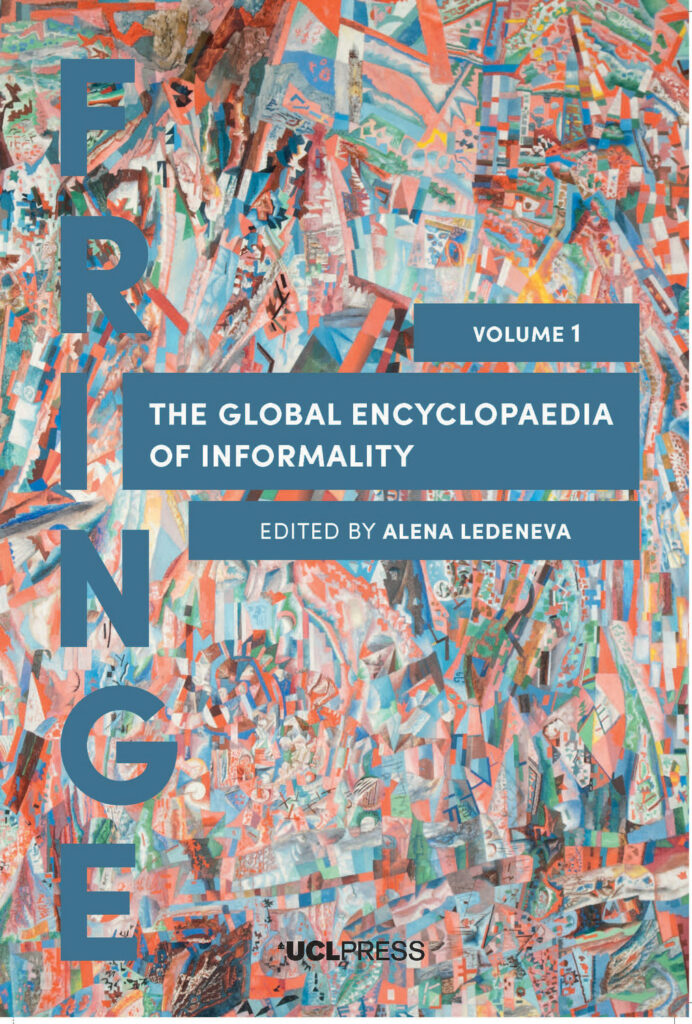
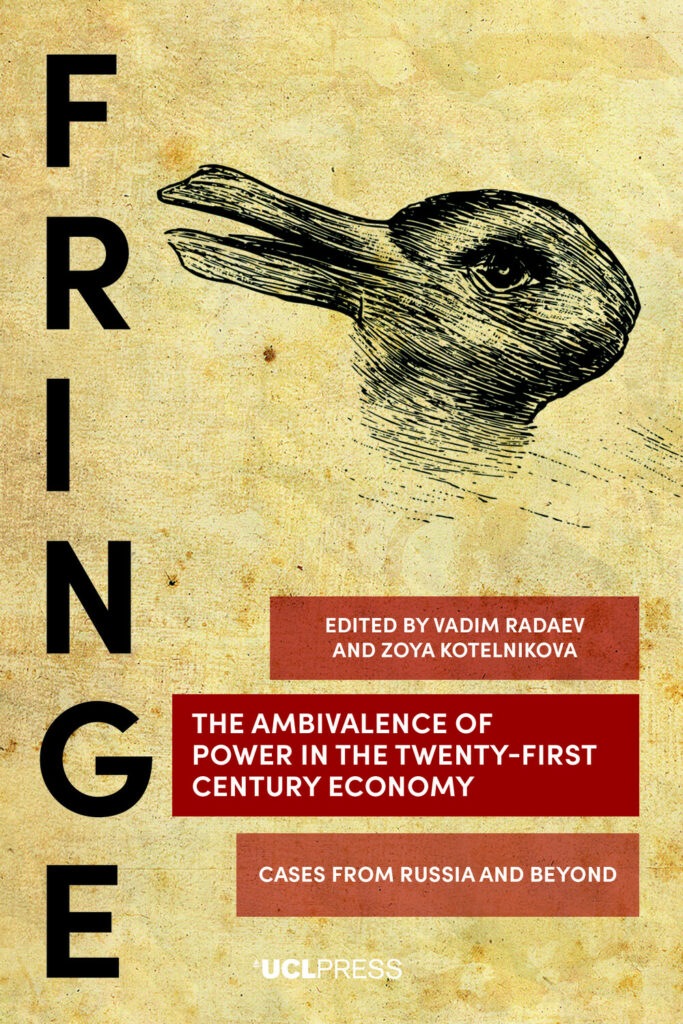
In Russian Pendulum, Ledeneva offers a compelling exploration of Russia’s political and social dynamics, examining the enduring interplay between tradition and modernity, power and society. Framed through the concept of ambivalence, the book identifies long-standing patterns that shape governance and everyday life, highlighting the role of informal networks sustained by practices of co-optation, control and camouflage.
The winner of the £10,000 prize will be announced by the judging panel at the award ceremony in September 2026.
Congratulations to Prof. Ledeneva on this well-deserved recognition
Join Anna Shadrina at UCL SSEES for the launch of The Babushka Phenomenon: Older Women and the Political Sociology of Ageing in Russia, her new open access book published by UCL Press.
Hosted by UCL’s FRINGE Centre, the event will feature a discussion of the book’s key themes and will be chaired by Professor Alena Ledeneva from UCL SSEES.
Shadrina’s research explores ageing as a socio-political phenomenon shaped by local responses to declining fertility and the pluralisation of family forms. In many parts of the world, women combine paid work and motherhood by outsourcing care and domestic labour to paid nannies and domestic workers. The case of Russia shows how post-socialist welfare cutbacks have positioned older women as essential yet unpaid and undervalued family caregivers.
In Russia, the norm of grandmothers’ active involvement in childcare, housing support, and housework has shaped the marginal social position of the babushka – a post-professional and post-sexual member of society who, paradoxically, is perceived as a recipient of social benefits rather than an active contributor. The book demonstrates how older women’s practical and financial support enables younger generations to navigate post-socialist insecurities and to combine paid labour with family life.
Event details
Date: Wednesday 29 October 2025 Time: 6:30 to 8:30pm GMT Location: Masaryk Room, 16 Taviton Street, UCL SSEES, London WC1H 0BW Register here: Eventbrite link
September marks the start of a new academic year, and UCL Press welcomed it with a selection of five new open access titles. September’s releases spanned museum studies, pedagogy, urban knowledge co-production, Victorian collecting, and children’s wellbeing in cities.
Object-Based Learning: Exploring museums and collections in education
Thomas Kador
Object-Based Learning provides a concise overview of some of the most important approaches to material culture and object analysis in plain and easily understandable language, that is equally accessible to undergraduate and postgraduate students as well as lecturers.
Millionaire Shopping: The collections of Alfred Morrison, 1821-1897
Edited by Caroline Dakers
Millionaire Shopping is the first full, detailed and original account of the huge and unstoppable collecting and patronage of Alfred Morrison (1821-1897) who was one of the most important Victorian collectors and patrons of the arts. Each chapter is written by an expert in the field and dedicated to a particular aspect of Morrison’s collecting and patronage.
Urban Childhoods: Growing up in inequality and hope
Edited by Claire Cameron
Urban Childhoods puts children’s and families’ voices centre stage while investigating ways of bringing children’s wellbeing to the fore in planning for urban life. The book explores themes that start from what children find important and details strategies that emerged from a major prevention programme conducted in two English cities.
Co-production of Knowledge in Action: Emancipatory strategies for urban equality
Cassidy Johnson, Vanesa Castán Broto, Wilbard Kombe, Catalina Ortiz, Barbara Lipietz, Emmanuel Osuteye, Caren Levy
Co-production of Knowledge in Action examines how co-production is articulated and deployed in cities such as Lima, Freetown, Kampala, Dar es Salaam and Delhi. It engages with ongoing experiences of co-production-inspired action, mapping the different aspirations that inform co-production practices and the impacts on urban communities.
Deconstituting Museums: Participation’s affective work
Helen Graham
Deconstituting Museums argues that participation collides with dominant paradigms of inclusion, diversity and decision-making on behalf of ‘future generations’ and ‘the public’. Participation draws in ideas from direct and horizontal political traditions. How might participation and its affects enable new political structures of heritage?
August is traditionally a time to relax – but we haven’t slowed down! Six brand new open access books have landed this month, covering everything from blindness to Soviet youth games, historical travel to democracy.
Bringing together leading international scholars and artists in the emerging field of ‘blindness arts’, Beyond the Visual: Multisensory modes of beholding art seeks to broaden the discussion of multisensory ways of beholding contemporary art, with a particular emphasis on modes that transcend a dependency upon sight. A true delight to read.
Moving beyond current scholarship in urban and regional studies, Informational Peripheries: Rethinking the urban in a digital age presents a case for ‘informational peripheries’ as an analytical lens to understand the uneven, fragmented and disconnected geographies of urban peripheries in the Global South. Download it free.
So absorbing that one of our team recommended it as excellent bedtime reading, Leagues of Laughter: War, comedy and the Soviet legacy in Russia and Ukraine traces how a Soviet-created youth game changed as students’ nation states collapsed, competed and went to war. A series of interconnected, cross-border stories spanning 60 years illustrates how laughter and oppression entwined in the long cultural context of the war in Ukraine. Download it free.
Our Marketing Manager’s Summer read, No Country for Travellers? British visitors to Spain and Portugal, 1760–1820 explores the rise and nature of British travel to Spain and Portugal between 1760 and 1820. Using extensive archival and printed sources left by travellers in the period, the compelling narrative is a broad and deep investigation into all aspects of travel experience, including non-combatant witness to the Peninsular War. Download it free.
With more than 30 authors, the ambitious The Sciences of the Democracies proposes holistic study of democracy that draws on five sources of knowledge: individual people, groups of people, non-textual media, texts and non-humans. It argues that inclusion of these sources leads to the discovery of democratic practices and institutions unfamiliar to the conventional ‘Western’ perception. Read it free.
The fascinating Women’s Labour Activism in Eastern Europe and Beyond: A new transnational history presents a deeply researched, inclusive history of women’s labour activism in Eastern Europe and transnationally from the age of empires to the late 20th century. It explores women’s activism to improve working conditions and living circumstances of lower-income and working-class women and communities in the region and internationally. Download free.
We’ll be back again next month with a round up of the very best open access books. As always, stay safe!
To mark the ICCEES 2025 World Congress at UCL in London this week, we’ve put together a reading list of essential open access books from UCL Press.
If you’re attending, Dr Chris Penfold, our commissioning editor, will be there to talk you through our extensive list of titles, and answer questions about how to publish your next open access book with UCL Press.
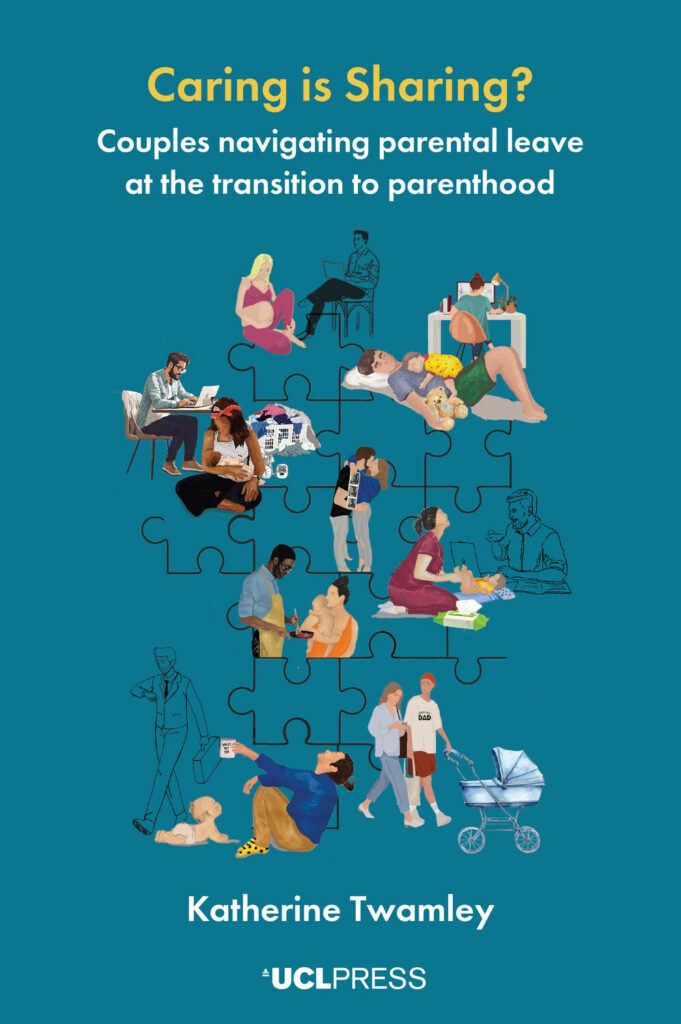
Today’s blog post, by Professor Katherine Twamley, describes the issues around parental leave in the UK that she discusses in her recent open access book. This article originally appeared The Conversation.
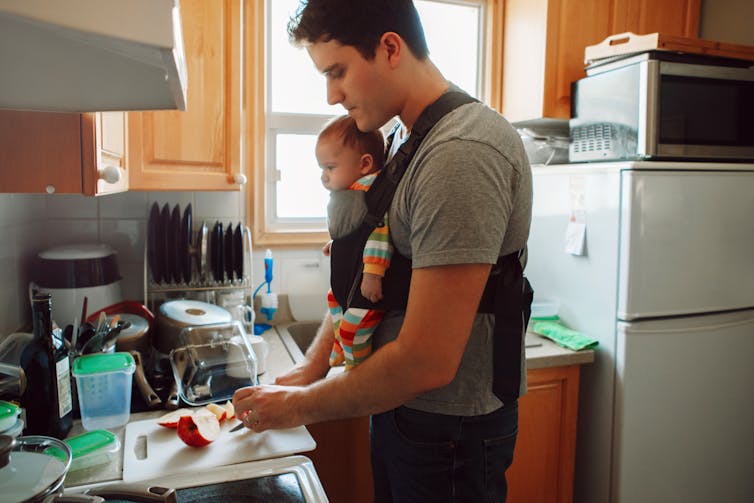
UK campaign group The Dad Shift is staging a “dad strike” on June 11, to protest the poor paternity leave available to fathers in the UK. Fathers and other parents are being asked to “picket or pickup” – to leave work and join protests at government buildings, or use this time to do the school or nursery run.
My research suggests that a poor offer of leave for fathers means they do not believe either the UK government or their employers view their participation in childcare as important.
UK fathers can take up to two weeks’ leave at the time of the birth of their child, but it is paid well below the living wage. This leave is also only eligible to fathers who have been continuously employed by their employer for at least 26 weeks up to the 15th week before the baby is due.
Paternity leave was introduced in 2003, when maternity leave was extended from 18 to 26 and later 52 weeks. This has resulted in a stark inequality between mothers’ and fathers’ opportunity to take time with their new baby. The UK paternity leave offer also compares poorly against leave offered for fathers in other countries, ranking 40th out of 43 OECD countries
And despite the small amount of leave offered to fathers in the UK, only 59% actually take it. This is mostly due to the poor pay, but fathers also report facing pressure from work that inhibits their use of the leave options available to them.
Sharing leave
Shared parental leave, introduced in 2015 throughout the UK, allows parents to share up to 50 weeks between them. But it has failed to alter parental leave patterns: only 5% of fathers take any shared parental leave.
The low remuneration offered – currently £187.18 a week, if taken within the first nine months, or no pay at all thereafter – again has affected how many men make use of this scheme. They may also feel they are “stealing” the mother’s leave, because a father taking shared parental leave means the mother has to go back to work sooner.
But it’s really important that fathers take time with their babies. When fathers take leave, there are multiple documented benefits for the family and beyond.
Dads’ time at home with their children can help establish a bond between father and child. Research has found that a father who spends time with his young baby, and does activities with them, is more likely to be an engaged parent as his child gets older. There are also potential improved developmental outcomes for children. These benefits are increased the more time fathers are able to spend with their children.
Wider benefits
Mothers also benefit from having their partner off work and with them, particularly during the first weeks and months after giving birth.
I collected diary entries and held interviews with new parents about their parental leave. The difference that fathers taking extended paternity leave at the time of birth made to mothers was palpable. All these mothers reported a smoother and happier transition to parenthood.
On the other hand, mothers whose partners returned to work at two weeks or earlier reported significant challenges. Some even said they felt “traumatised” when the paternity leave ended. “It’s harrowing when the father goes back to work,” one mother told me. “I was, like, hysterical from lack of sleep and not being able to breastfeed.”
As more and more births are via caesarean section – an estimated 31% in the UK – it is even more important that mothers have a partner present at this time. Mothers who have a c-section have limited mobility and will generally require greater levels of support for longer than mothers who have a vaginal birth.
Beyond the family, fathers’ participation in leave is also good for gender equality. Fathers who take leave are more likely to share parenting tasks later and demonstrate more understanding around what parenthood involves.
These benefits are magnified when fathers take leave alone – whether through shared parental leave taken alone in the UK or, as in some European countries, an extended “daddy’s quota” of leave taken after the mother returns to work.
This can also have knock-on benefits for gender equality in paid work. The gender pay gap in the UK is 7% – women working full-time earn 7% less per hour than men. As documented by Nobel prize winner Claudia Goldin, the biggest factor in the gender pay gap is the transition to parenthood. A greater uptake of leave by fathers can shift the established roles of mother-as-carer and father-as-breadwinner.
Besides all these documented benefits of paternity leave, perhaps one of the most potent is that fathers too are part of a family. To deny them independent and well-supported access to parental leave, at least in a comparable way to mothers, is simply unjust. They shouldn’t miss out on this valuable time with their children – and nor should children miss out on time with their fathers.
About the Author
Katherine Twamley is Professor of Sociology, UCL and author of the open access book Caring is Sharing? Couples navigating parental leave at the transition to parenthood
To mark the BSA Conference 2025 in Manchester, we’ve put together a reading list of essential open access books in Sociology from UCL Press.
If you’re attending, Pat Gordon-Smith, our commissioning editor of sociology, will be there to talk you through our extensive list of titles, and answer questions about how to publish your next open access book with UCL Press.
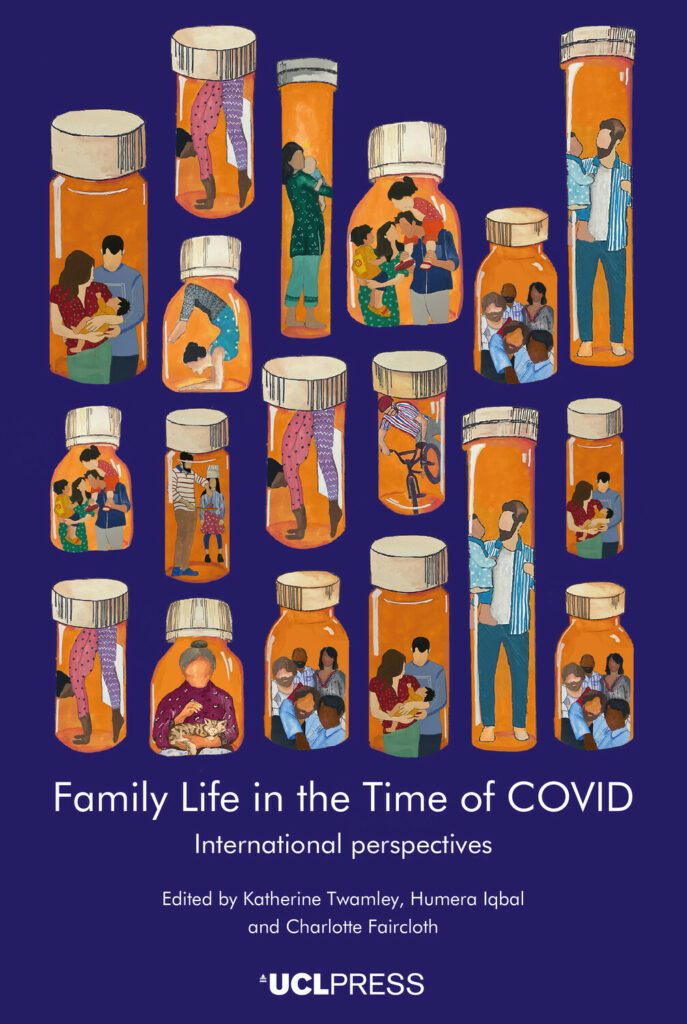
Last month marked five years since the WHO declared the COVID-19 worldwide pandemic. In commemoration of this moment, the Marjorie Elaine, Lu Liu and Sophia L. Ángeles look back at what has changed and what has remained the same in the USA since the original research for Family Life in the time of COVID was undertaken.
A lot of things have changed in the US in recent months. Looking back, we see roots of the current sociopolitical upheaval in the COVID-19 pandemic. The U.S. presents an interesting contrast to the scenario that Maria Dobryakova describes in Russia. In the U.S., the populace did not unite against the danger of the virus. Instead, there was a major split between those who complied with and those who rejected public health advice to shelter at home, wear masks, and get vaccinated. And now, five years later, the newly appointed head of the U.S. Department of Health and Human Services, Robert F. Kennedy, Jr. is a person well known for his skepticism about vaccines, and a leading voice for the “anti-vaxxer” movement, as people who are against mandated vaccinations are known.
As Dobryakova notes, crises illuminate the powerful social construction of reality, including through the narrated memories we create about them. Dobryoakova suggests that Russians remember cozy days at home with family and friends, with an “undertone of togetherness.” In the US, there is little such public nostalgia. Instead, the country seems to be trying to leave the pandemic behind, to erase a period of divisiveness and confusion, and return to an elusive “normal.” And yet, the world we have returned to is not normal at all. We are more divided and confused than ever.
We would do well, we think, to reflect on what we could have learned from the COVID-19 pandemic. The diaries that we gathered from 35 U.S. families are replete with wisdom and insights into all kinds of learning that happened in homes and communities during that time: positive lessons about compassion, kindness, cooperation, protection of the most vulnerable, working together in the face of great uncertainty, reinvigorating intergenerational and transnational connections (using technology as a tool in creative ways), and centering wellness activities such as creative pursuits and being in nature.
There are also lessons we could learn about how things could have been done differently, or better, to mitigate against the greatest inequities (in which “essential workers” were left to bear the brunt of illnesses and deaths, and children in under-resourced homes and communities were left to flounder without sufficient educational supports). There are powerful lessons that we could have learned, and maybe still can, through careful reflection on what we all thought and experienced as we moved through that time. Our international consortium has the data to facilitate such reflection; the data we gathered may be even more powerful when analyzed at a distance. The U.S. team is working on a new book, tentatively titled Crisis Crossroads: What we could have learned from the COVID-19 pandemic (and maybe still can). We hope we can contribute to collective remembering of all that happened during that time, honouring the voices and perspectives of the people in our study