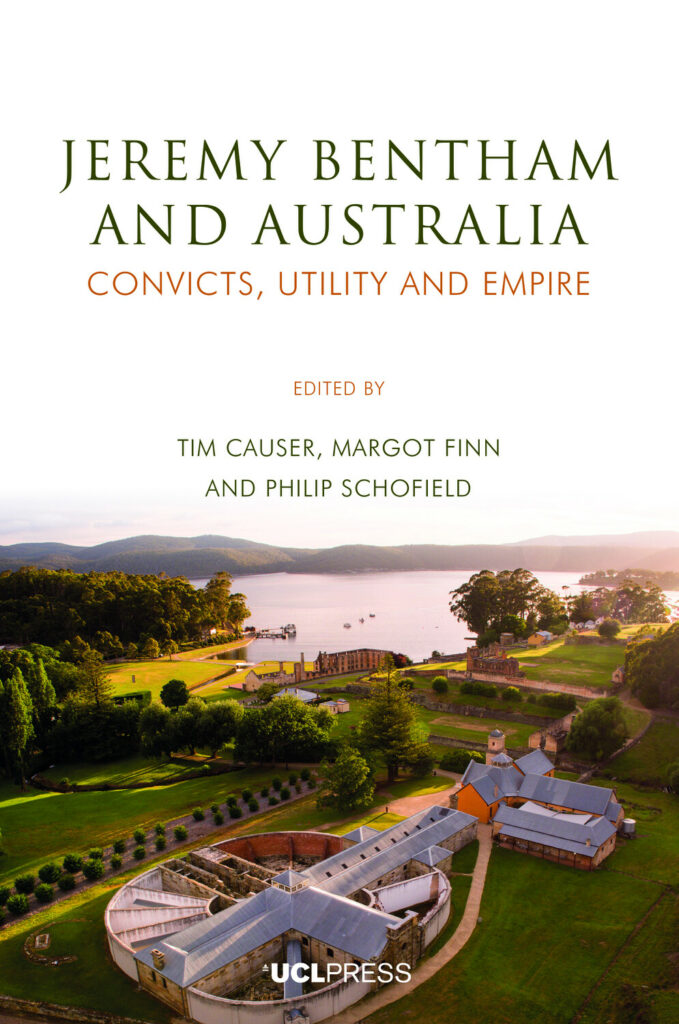
Jeremy Bentham and Australia

Jeremy Bentham and Australia is a collection of scholarship inspired by Bentham’s writings on Australia. These writings are available for the first time in authoritative form in Panopticon versus New South Wales and other writings on Australia, a volume in The Collected Works of Jeremy Bentham published by UCL Press.

In the present collection, a distinguished group of authors reflect on Bentham’s Australian writings, making original contributions to existing debates and setting agendas for future ones. In the first part of the collection, the works are placed in their historical contexts, while the second part provides a critical assessment of the historical accuracy and plausibility of Bentham’s arguments against transportation from the British Isles. In the third part, attention turns to Bentham’s claim that New South Wales had been illegally founded and to the imperial and colonial constitutional ramifications of that claim. Here, authors also discuss Bentham’s work of 1831 in which he supports the establishment of a free colony on the southern coast of Australia. In the final part, authors shed light on the history of Bentham’s panopticon penitentiary scheme, his views on the punishment and reform of criminals and what role, if any, religion had to play in that regard, and discuss apparently panopticon-inspired institutions built in the Australian colonies.

This collection will appeal to readers interested in Bentham’s life and thought, the history of transportation from the British Isles, and of British penal policy more generally, colonial and imperial history, Indigenous history, legal and constitutional history, and religious history.
The World of UCL

From its foundation in 1826, UCL embraced a progressive and pioneering spirit. It was the first university in England to admit students regardless of religion, and made higher education affordable and accessible to a much broader section of society. It was also effectively the first university to welcome women on equal terms with men. From the outset, UCL showed a commitment to innovative ideas and new methods of teaching and research.

This book charts the history of UCL from 1826 through to the present day, highlighting its many contributions to society in Britain and around the world. It covers the expansion of the university through the growth in student numbers and institutional mergers. It documents shifts in governance throughout the years, and the changing social and economic context in which UCL operated, including challenging periods of reconstruction after two World Wars.

Today UCL is one of the powerhouses of research and teaching, and a truly global university. It is currently seventh in the QS World University Rankings. This completely revised and updated edition features a new chapter based on interviews with key individuals at UCL. It comes at a time of ambitious development for UCL with the establishment of an entirely new campus in East London, UCL East, and Provost Michael Arthur’s ‘UCL 2034’ strategy which aims to secure the university’s long-term future and commits UCL to delivering global impact.

Women in the History of Science

Women in the History of Science brings together primary sources that highlight women’s involvement in scientific knowledge production around the world. Drawing on texts, images and objects, each primary source is accompanied by an explanatory text, questions to prompt discussion, and a bibliography to aid further research. Arranged by time period, covering 1200 BCE to the twenty-first century, and across 12 inclusive and far-reaching themes, this book is an invaluable companion to students and lecturers alike in exploring women’s history in the fields of science, technology, mathematics, medicine and culture.

While women are too often excluded from traditional narratives of the history of science, this book centres on the voices and experiences of women across a range of domains of knowledge. By questioning our understanding of what science is, where it happens, and who produces scientific knowledge, this book is an aid to liberating the curriculum within schools and universities.

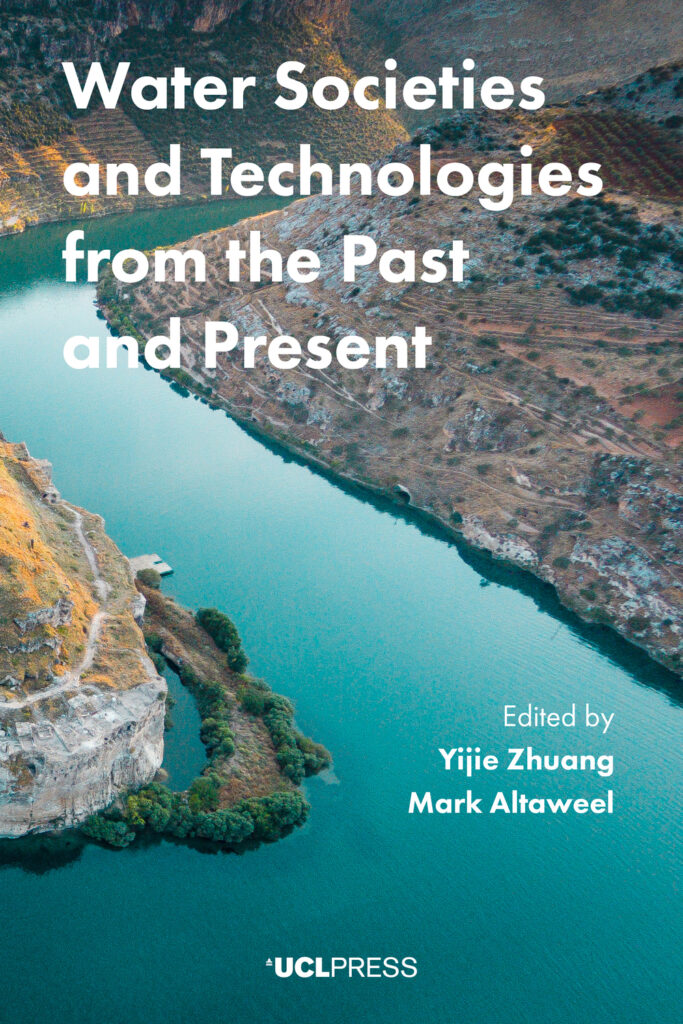
Water Societies and Technologies from the Past and Present

Today our societies face great challenges with water, in terms of both quantity and quality, but many of these challenges have already existed in the past. Focusing on Asia, Water Societies and Technologies from the Past and Present seeks to highlight the issues that emerge or re-emerge across different societies and periods, and asks what they can tell us about water sustainability. Incorporating cutting-edge research and pioneering field surveys on past and present water management practices, the interdisciplinary contributors together identify how societies managed water resource challenges and utilized water in ways that allowed them to evolve, persist, or drastically alter their environment.

The case studies, from different periods, ancient and modern, and from different regions, including the Indus Basin, the Yangtze River, the Mesopotamian floodplain, the early Islamic city of Sultan Kala in Turkmenistan, and ancient Korea, offer crucial empirical data to readers interested in comparing the dynamics of water management practices across time and space, and to those who wish to understand water-related issues through conceptual and quantitative models of water use. The case studies also challenge classical theories on water management and social evolution, examine and establish the deep historical roots and ecological foundations of water sustainability issues, and contribute new grounds for innovations in sustainable urban planning and ecological resilience.

War Essays

Cover of the book War Essays by Zainab Bahrani, published by UCL Press. The cover features an abstract, burnt and weathered parchment design with fragments of red and black imagery.

More than 20 years have passed since Iraq was invaded in an illegal war, justified on the basis of falsified evidence. Operation Iraqi Freedom led to untold human suffering and massive destruction, the ruinous consequences of which persist to this very day. The war and occupation also had a devastating impact on the history and heritage of Iraq, a land ironically seen as the cradle of civilisation. The scale of theft and destruction of heritage sent shockwaves around the world that had radical consequences for the trade in antiquities and museum practices across the globe, and contributed to a paradigm shift in the discipline of archaeology.

In War Essays Zainab Bahrani charts the devastation, cultural cleansing and targeted erasure of Iraq’s past, and argues that the topics of archaeology, history and memory must be analysed within the larger geopolitical issues of the contemporary Middle East. The essays present a counter-narrative of events that historicize the position of the historian and illustrate the enduring colonial practices of archaeology. Set within a narrative that reflects at once upon the violence of war and the processes of writing, an archaeologist’s personal journey unfolds. War Essays intertwines the autobiographical with the historical and analytical aspects of scholarship, weaving an eye-witness account of war with theoretical discussions around writing, the relationship of monuments, historical landscapes and memory, and how one’s sense of place in the world is disrupted by war.

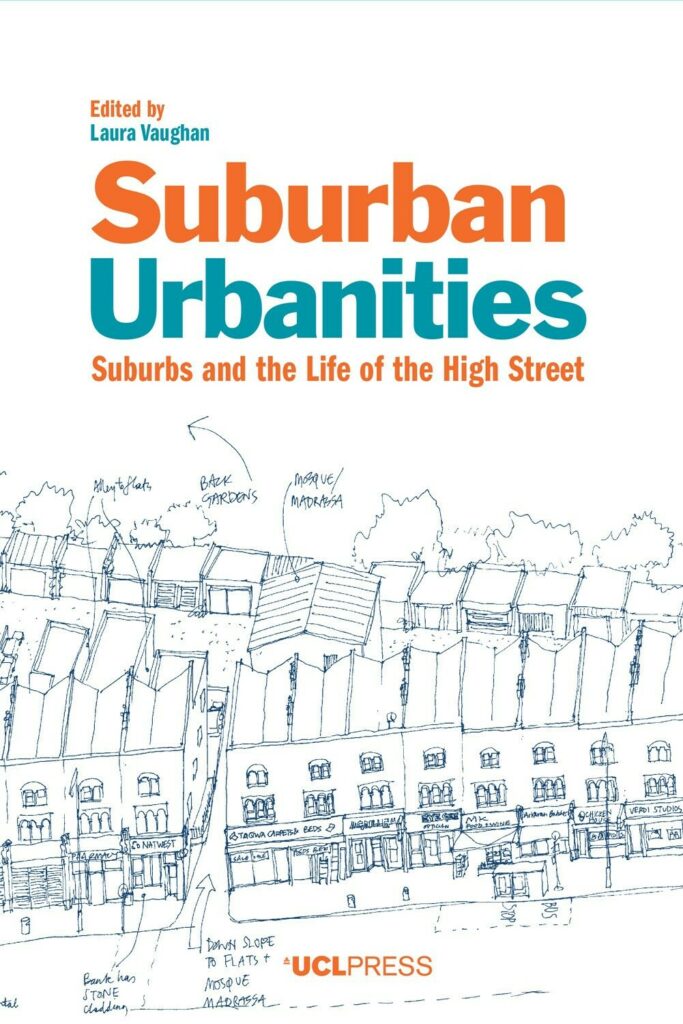
Suburban Urbanities

Suburban space has traditionally been understood as a formless remnant of physical city expansion, without a dynamic or logic of its own. Suburban Urbanities challenges this view by defining the suburb as a temporally evolving feature of urban growth.

Anchored in the architectural research discipline of space syntax, this book offers a comprehensive understanding of urban change, touching on the history of the suburb as well as its current development challenges, with a particular focus on suburban centres. Studies of the high street as a centre for social, economic and cultural exchange provide evidence for its critical role in sustaining local centres over time. Contributors from the architecture, urban design, geography, history and anthropology disciplines examine cases spanning Europe and around the Mediterranean.

By linking large-scale city mapping, urban design scale expositions of high street activity and local-scale ethnographies, the book underscores the need to consider suburban space on its own terms as a specific and complex field of social practice.

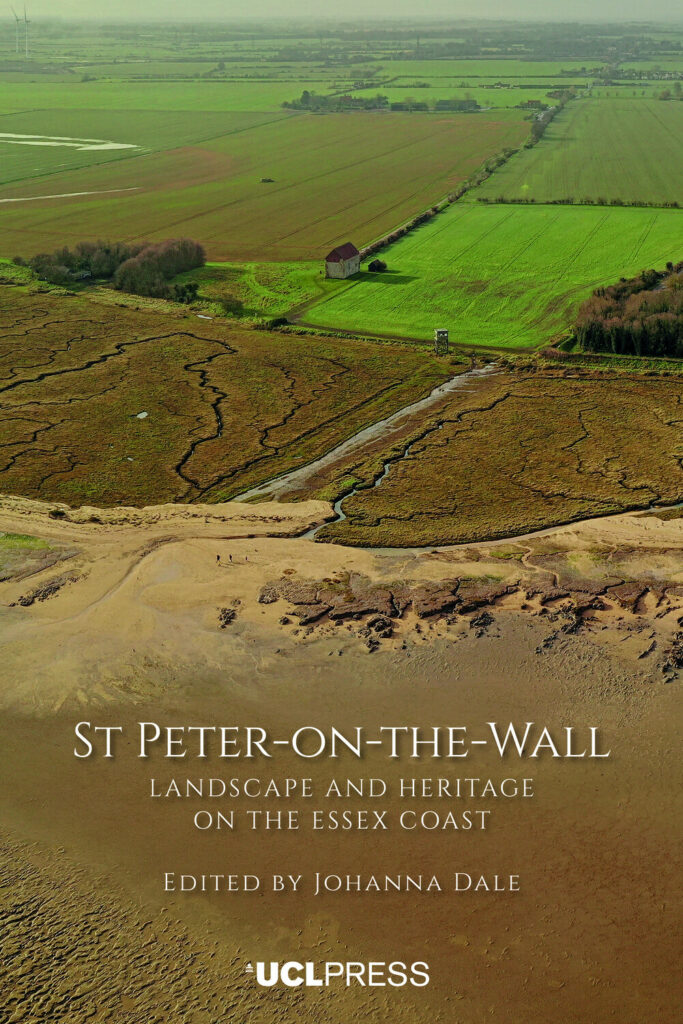
St Peter-On-The-Wall

The Chapel of St Peter-on-the-Wall, built on the ruins of a Roman fort, dates from the mid-seventh century and is one of the oldest largely intact churches in England. It stands in splendid isolation on the shoreline at the mouth of the Blackwater Estuary in Essex, where the land meets and interpenetrates with the sea and the sky. This book brings together contributors from across the arts, humanities and social sciences to uncover the pre-modern contexts and modern resonances of this medieval building and its landscape setting.
The impetus for this collection was the recently published designs for a new nuclear power station at Bradwell on Sea, which, if built, would have a significant impact on the chapel and its landscape setting. St Peter-on-the-Wall highlights the multiple ways in which the chapel and landscape are historically and archaeologically significant, while also drawing attention to the modern importance of Bradwell as a place of Christian worship, of sanctuary and of cultural production. In analysing the significance of the chapel and surrounding landscape over more than a thousand years, this collection additionally contributes to wider debates about the relationship between space and place, and particularly the interfaces between both medieval and modern cultures and also heritage and the natural environment.

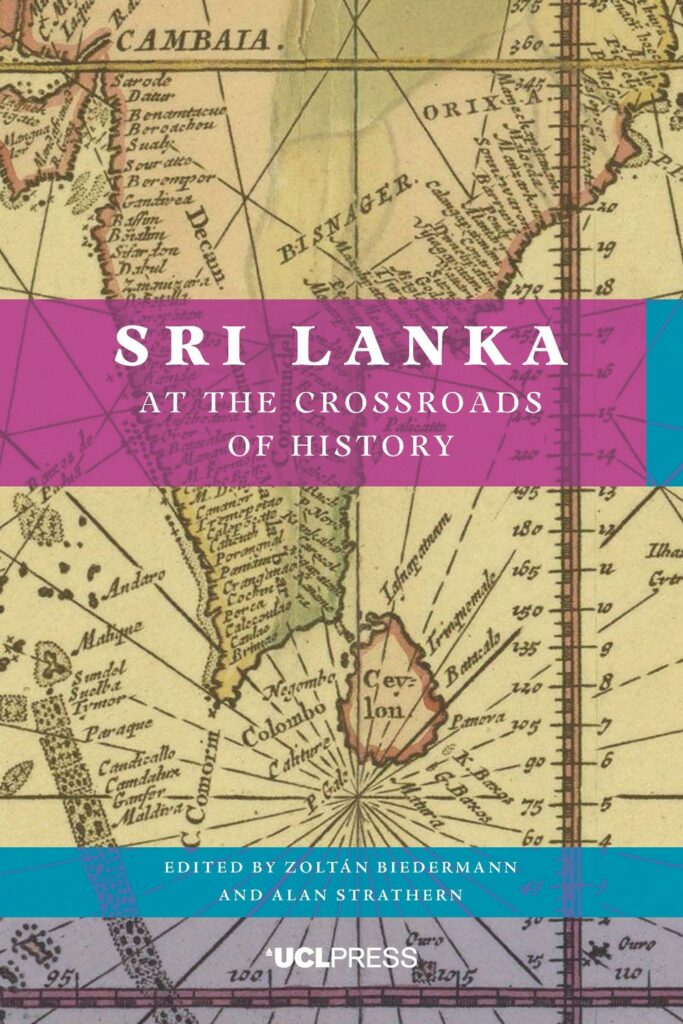
Sri Lanka at the Crossroads of History

The peoples of Sri Lanka have participated in far-flung trading networks, religious formations, and Asian and European empires for millennia. This interdisciplinary volume sets out to draw Sri Lanka into the field of Asian and Global History by showing how the latest wave of scholarship has explored the island as a ‘crossroads’, a place defined by its openness to movement across the Indian Ocean.

Experts in the history, archaeology, literature and art of the island from c.500 BCE to c.1850 CE use Lankan material to explore a number of pressing scholarly debates. They address these matters from their varied disciplinary perspectives and diverse array of sources, critically assessing concepts such as ethnicity, cosmopolitanism and localisation, and elucidating the subtle ways in which the foreign may be resisted and embraced at the same time. The individual chapters, and the volume as a whole, are a welcome addition to the history and historiography of Sri Lanka, as well as studies of the Indian Ocean region, kingship, colonialism, imperialism, and early modernity.

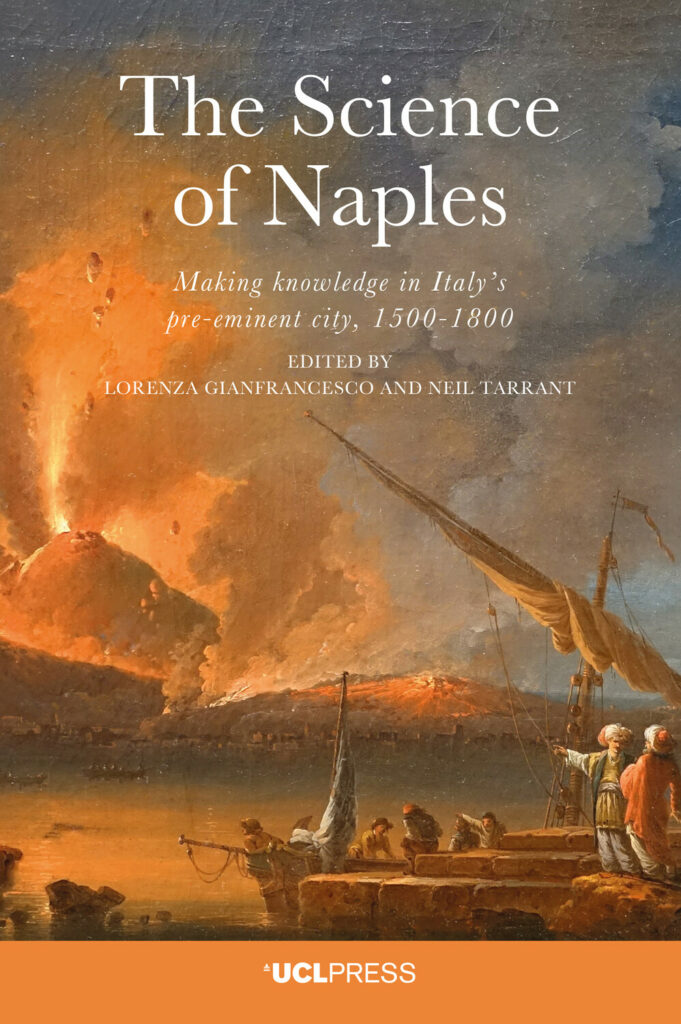
The Science of Naples

Long neglected in the history of Renaissance and early modern Europe, in recent years scholars have revised received understanding of the political and economic significance of the city of Naples and its rich artistic, musical and political culture. Its importance in the history of science, however, has remained relatively unknown. * The Science of Naples* provides the first dedicated study of Neapolitan scientific culture in the English language. Drawing on contributions from leading experts in the field, this volume presents a series of studies that demonstrate Neapolitans’ manifold contributions to European scientific culture in the early modern period and considers the importance of the city, its institutions and surrounding territories for the production of new knowledge.

Individual chapters demonstrate the extent to which Neapolitan scholars and academies contributed to debates within the Republic of Letters that continued until deep into the nineteenth century. They also show how studies of Neapolitan natural disasters yielded unique insights that contributed to the development of fields such as medicine and earth sciences. Taken together, these studies resituate the city of Naples as an integral part of an increasingly globalised scientific culture, and present a rich and engaging portrait of the individuals who lived, worked and made scientific knowledge there.

Sign up to our newsletter

Don't miss out!
Subscribe to the UCL Press newsletter for the latest open access books,
journal CfPs, news and views from our authors and much more!