Voices for Change

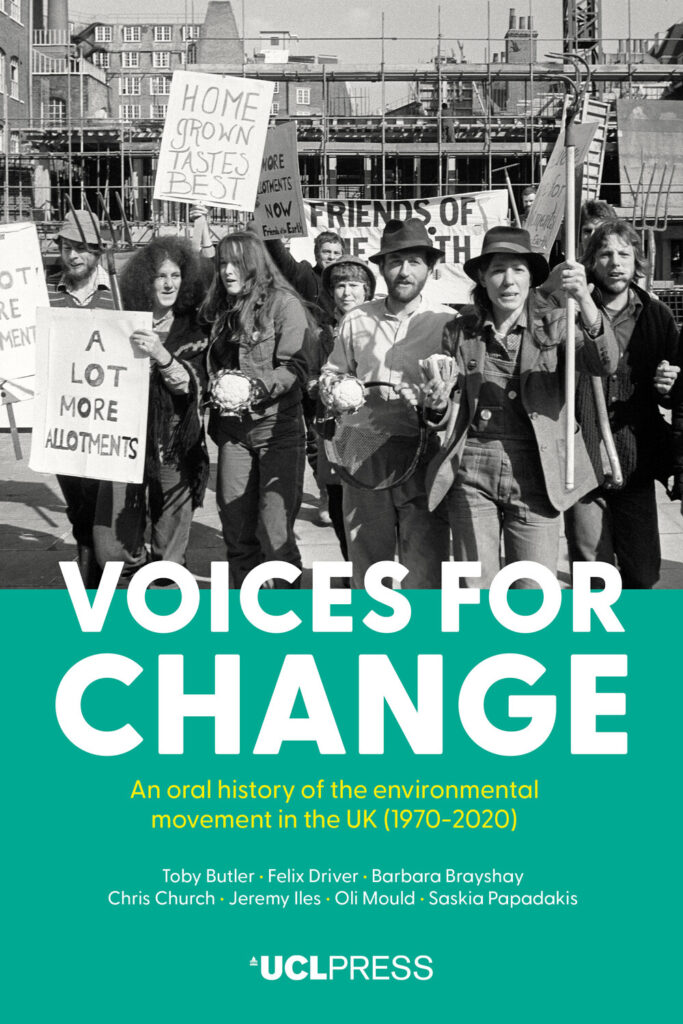
Voices For Change is a groundbreaking history of environmental activism across the UK since the early 1970s, revealed in first-hand testimony by some of those who were most closely involved. It highlights the lived experiences of generations of environmental campaigners engaged in a wide variety of protest, projects and policy during this period, from grassroots actions in local communities to the leadership of major national organisations. The book draws on a unique archive of one hundred in-depth life-history interviews with environmental campaigners involved in action on a wide range of concerns, from conservation and transport to energy and climate change. It situates the experience of activism biographically and historically, exploring the role of family, region, class, ethnicity, gender and generation in the lives of participants in the key campaigns of the period. The voices of campaigners whose contributions have never been widely recognised appear here, alongside some of the most high-profile, including Jonathan Porritt, Caroline Lucas, George Monbiot and Swampy. Together, these voices highlight the achievements and the challenges of activism across more than 50 years, revealing diverse and unsung stories from the movement. Through this focus on life stories, the book provides a vital resource for today’s environmental activists, throwing new light on the diverse origins, forms and impacts of their campaigns.
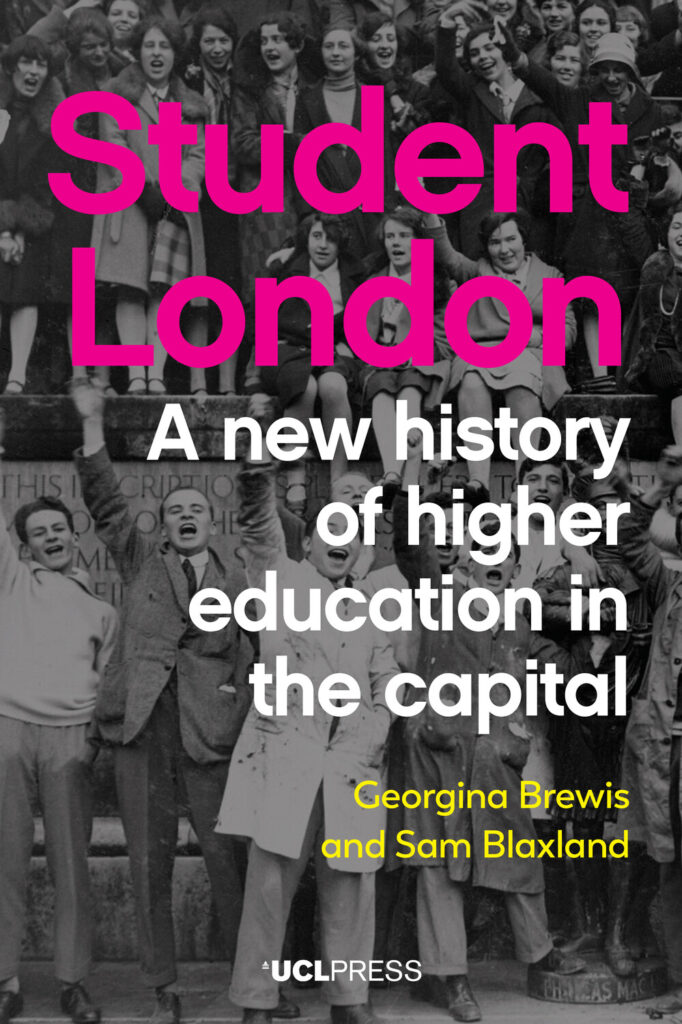
Student London

Students have formed a significant part of London’s population since the foundation of its first university in 1826, and Student London centres their experiences in the city’s history. To tell the 200-year story of student life in the capital this book draws on a rich source base that ranges from institutional records to college magazines, court reports to secret service files, and many hundreds of student memoirs and oral histories. It offers a detailed examination of life at the original London University (known as University College London since 1836) alongside many other institutions that eventually joined with UCL. Student London captures a diverse range of higher education experiences across medical schools, teacher training colleges and specialist institutes. A sweeping history of an ever-changing city, the book engages in much greater depth with London’s imperial history than earlier studies of higher education. It examines students’ everyday lives, fees and funding, collegiate cultures, social and political engagement, physical and mental health, recreation, sports and leisure. In doing so, it charts changing student attitudes to class, race, gender, sex and sexuality across two centuries.

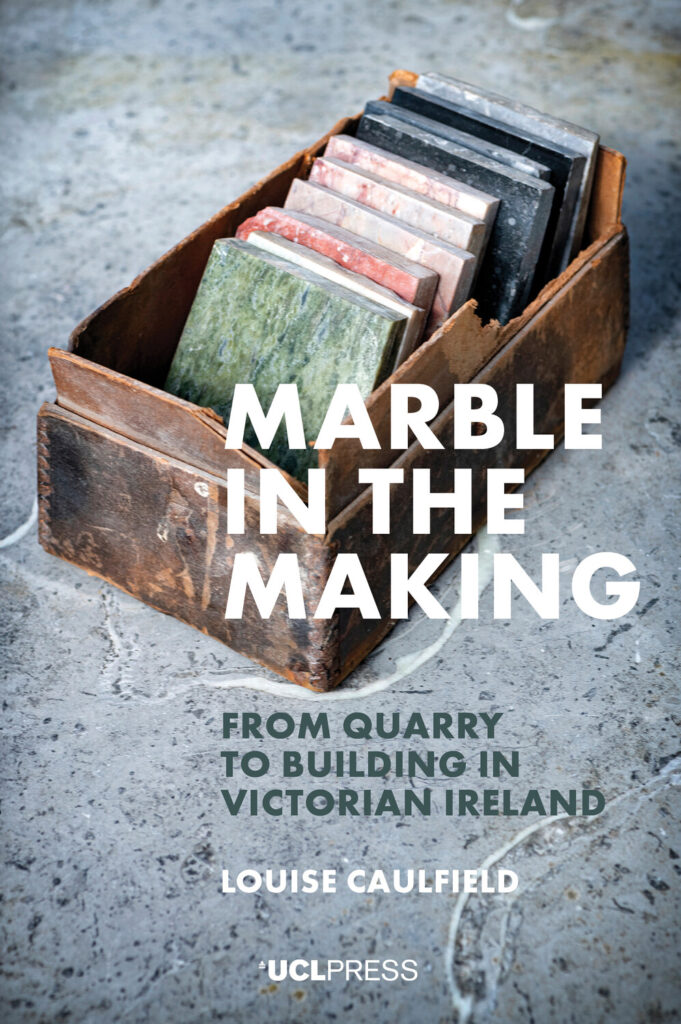
Marble in the Making

Ireland’s geological bedrock, though often overlooked, contains an exceptional range of varicoloured marbles comparable to continental varieties and in some cases superior. Marble in the Making focuses on Victorian Ireland, an architectural landscape characterised by neo-Gothic design and the high point of indigenous marble production. It demonstrates that the architecture of this period is distinguished by native polychromy, a feature that was shaped by the resurgence of Gothic architecture and driven by post-Famine entrepreneurship and industrialisation.

This is the first major study of Irish marble. It uncovers the largely unheard-of marble industry by tracing stone from quarry source to marble works to building. The book’s interdisciplinary approach identifies key marble deposits and their distinctive characteristics, outlines workshop and quarry practices, reconstructs trade paths and reveals connections between communities. It enables a holistic and contextual attribution of architectural marble and broadens the understanding of nineteenth-century Irish Gothic Revival architecture. Moreover, this research repositions Irish marble within an international framework, highlighting its contribution to transnational material culture and geological heritage.

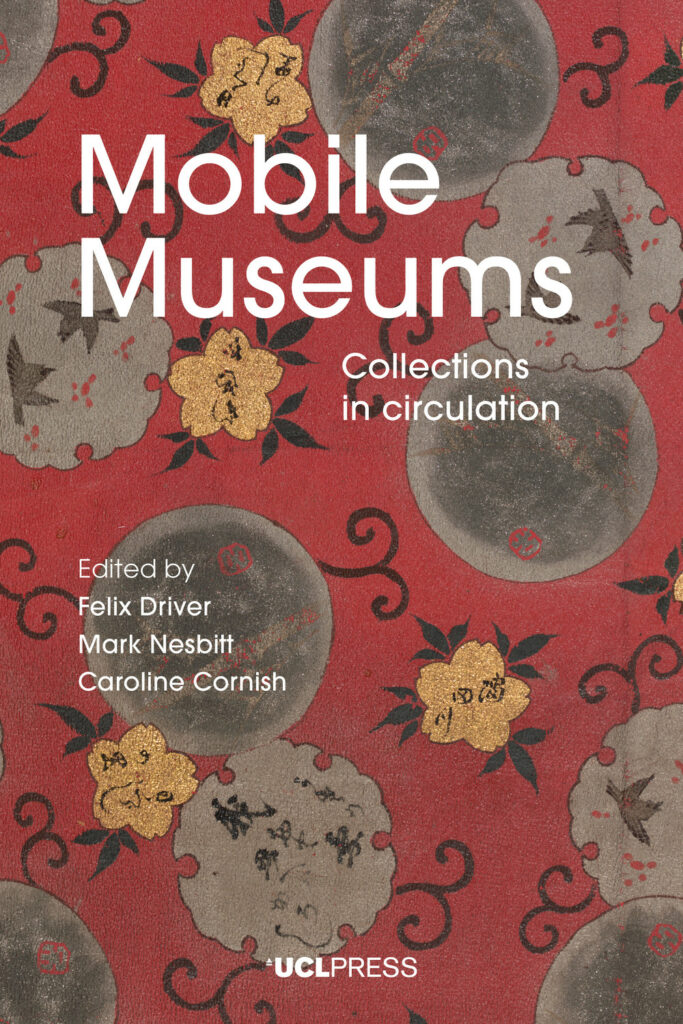
Mobile Museums

Mobile Museums presents an argument for the importance of circulation in the study of museum collections, past and present. It brings together an impressive array of international scholars and curators from a wide variety of disciplines – including the history of science, museum anthropology and postcolonial history – to consider the mobility of collections. The book combines historical perspectives on the circulation of museum objects in the past with contemporary accounts of their re-mobilisation, notably in the context of Indigenous community engagement. Contributors seek to explore processes of circulation historically in order to re-examine, inform and unsettle common assumptions about the way museum collections have evolved over time and through space.

By foregrounding questions of circulation, the chapters in Mobile Museums collectively represent a fundamental shift in the understanding of the history and future uses of museum collections. The book addresses a variety of different types of collection, including the botanical, the ethnographic, the economic and the archaeological. Its perspective is truly global, with case studies drawn from South America, West Africa, Oceania, Australia, the United States, Europe and the UK. Mobile Museums helps us to understand why the mobility of museum collections was a fundamental aspect of their history and why it continues to matter today.

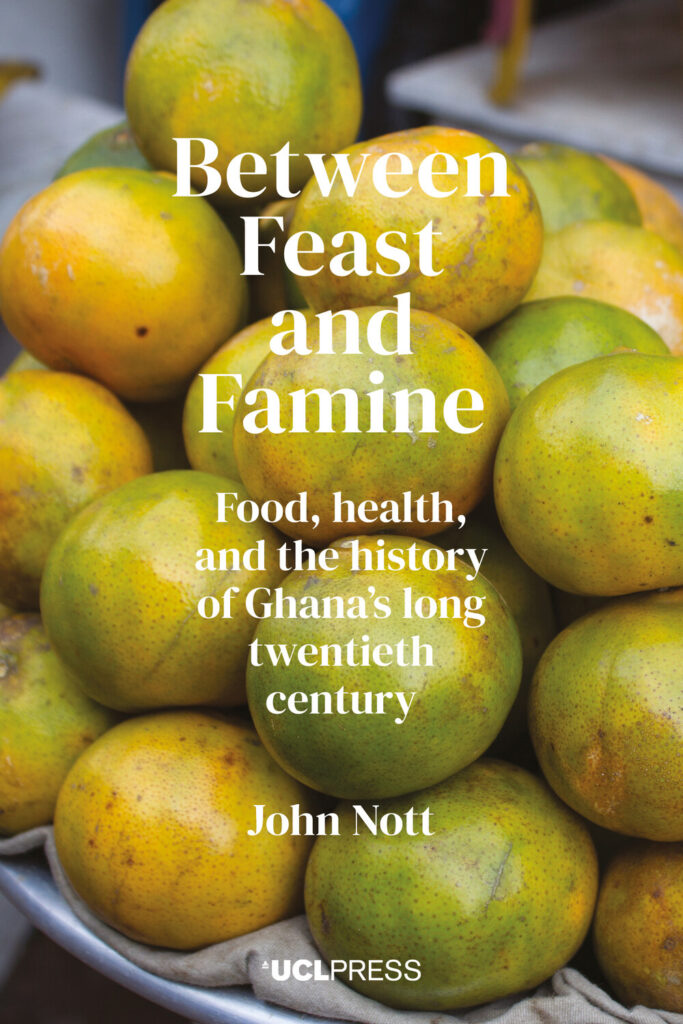
Between Feast and Famine

Shortlisted for the RHS First Book Prize 2026

Ghana’s twentieth century was one of dramatic political, economic, and environmental change. Sparked initially by the impositions of colonial rule, these transformations had significant, if rarely uniform, repercussions for the determinants of good and bad nutrition. All across this new and uneven polity, food production, domestic reproduction, gender relations, and food cultures underwent radical and rapid change. This volatile national history was matched only by the scientific instability of nutritional medicine during these same years.

Moving between the dry Northern savannah, the mineral-rich and food-secure Southern rainforest, and the youthful, ever-expanding cities, Between Feast and Famine is a comparative history of nutrition in Ghana since the end of the nineteenth century. At the heart of this story is an analysis of how an uneven capitalist transformation variously affected the lives of women and children. It traces the change from sporadic periods of hunger in the nineteenth and early twentieth centuries, through epidemics of childhood malnutrition during the twentieth century, and into emergent epidemics of diet-related non-communicable disease in the twenty-first century. Employing a novel, critical approach to historical epidemiology, John Nott argues that detailing the co-production of science and its subjects in the past is essential for understanding and improving health in the present.

Panopticon versus New South Wales and other writings on Australia

The present edition of Panopticon versus New South Wales and other writings on Australia consists of fragmentary comments headed ‘New Wales’, dating from 1791; a compilation of material sent to William Wilberforce in August 1802; three ‘Letters to Lord Pelham’ and ‘A Plea for the Constitution’, written in 1802–3; and ‘Colonization Company Proposal’, written in August 1831, the majority of which is published here for the first time. These writings, with the exception of ‘Colonization Company Proposal’, are intimately linked with Bentham’s panopticon penitentiary scheme, which he regarded as an immeasurably superior alternative to criminal transportation, the prison hulks, and English gaols in terms of its effectiveness in achieving the ends of punishment. He argued, moreover, that there was no adequate legal basis for the authority exercised by the Governor of New South Wales. In contrast to his opposition to New South Wales, Bentham later composed ‘Colonization Company Proposal’ in support of a scheme proposed by the National Colonization Society to establish a colony of free settlers in southern Australia. He advocated the ‘vicinity-maximizing principle’, whereby plots of land would be sold in an orderly fashion radiating from the main settlement, and suggested that, within a few years, the government of the colony should be transformed into a representative democracy.

Essays on Logic, Ethics, and Universal Grammar

This new volume of Bentham’s philosophical writings deals with his most fundamental ideas concerning logic, language, ethics, and grammar. It includes four major essays written between 1814 and 1816, namely ‘Essay on Logic’, ‘Essay on Ethics’, ‘Didacologia’, and ‘Universal Grammar’, all of them closely related to Chrestomathia, Bentham’s major work on education.

In ‘Essay on Logic’, Bentham contrasts the præcognita of Aristotle with his own ‘characteristics’ of logic and deals with methodization, ontology, and the relationship between logic and language. In ‘Essay on Ethics’, he offers a critique of the Aristotelian virtues and outlines his own division of ethics into prudence, probity, and benevolence. In ‘Didacologia’, he presents an outline of a comprehensive plan for the division of the arts and sciences based on the method of exhaustive bifurcation and a new nomenclature. In ‘Universal Grammar’, Bentham deals with language as the basis for thought and communication and investigates the nature of the different parts of speech. The volume is completed with an Appendix containing fragmentary material, written in August and September 1813, with a focus on language. All the texts are based on Bentham’s original manuscripts and have never before been published in authentic form.

Canada in the Frame

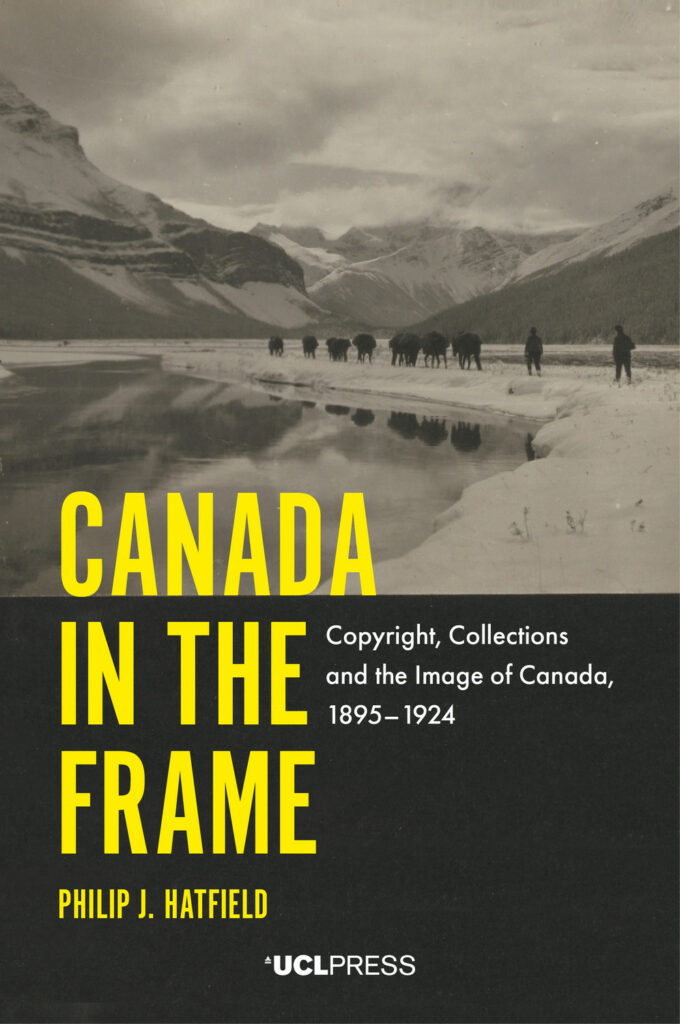
Canada in the Frame explores a photographic collection held at the British Library that offers a unique view of late nineteenth century and early twentieth century Canada. The collection, which contains in excess of 4,500 images, taken between 1895 and 1923, covers a dynamic period in Canada’s national history and provides a variety of views of its landscapes, developing urban areas and peoples. Colonial Copyright Law was the driver by which these photographs were acquired; unmediated by curators, but rather by the eye of the photographer who created the image, they showcase a grass-roots view of Canada during its early history as a Confederation.

Canada in the Frame describes this little-known collection and includes over 100 images from the collection. The author asks key questions about what it shows contemporary viewers of Canada and its photographic history, and about the peculiar view these photographs offer of a former part of the British Empire in a post-colonial age, viewed from the old ‘Heart of Empire’. Case studies are included on subjects such as urban centres, railroads and migration, which analyse the complex ways in which photographers approached their subjects, in the context of the relationship between Canada, the British Empire and photography.

The India Museum Revisited

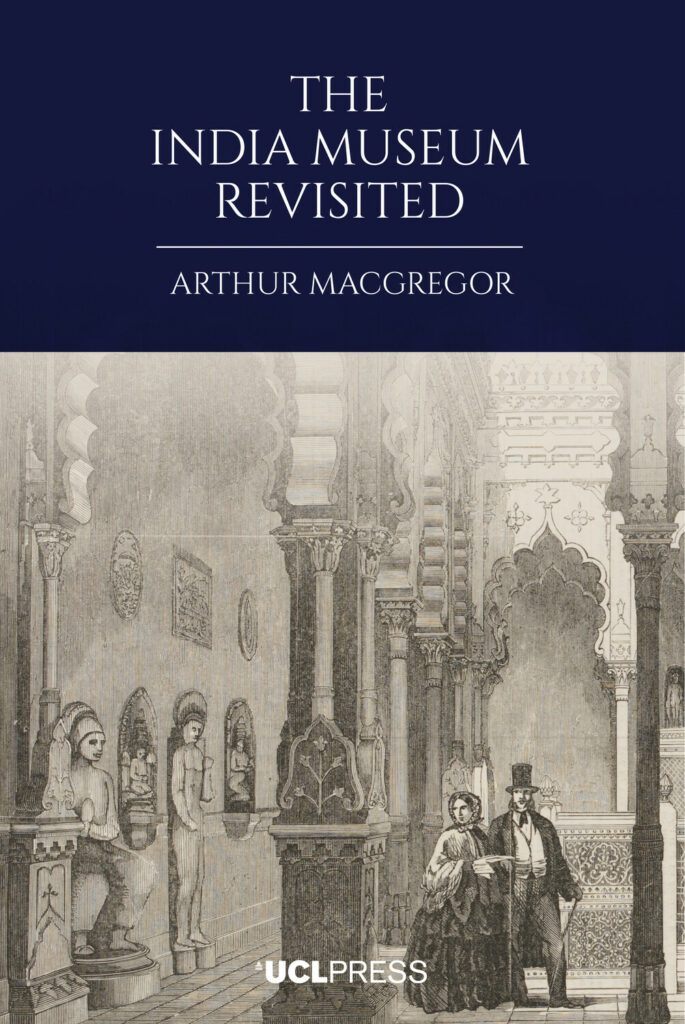
The museum of the East India Company formed, for a large part of the nineteenth century, one of the sights of London. In recent years, little has been remembered of it beyond its mere existence, while an assumed negative role has been widely attributed to it on the basis of its position at the heart of one of Britain’s arch-colonialist enterprises.

Extensively illustrated, The India Museum Revisited provides a full examination of the museum’s founding manifesto and evolving ambitions. It surveys the contents of its multi-faceted collections – with respect to materials, their manufacture and original functions on the Indian sub-continent – as well as the collectors who gathered them and the manner in which they were mobilized to various ends within the museum.

From this integrated treatment of documentary and material sources, a more accurate, rounded and nuanced picture emerges of an institution that contributed in major ways, over a period of 80 years, to the representation of India for a European audience, not only in Britain but through the museum’s involvement in the international exposition movement to audiences on the continent and beyond.

Poetic Writing and the Vietnam War in West Germany

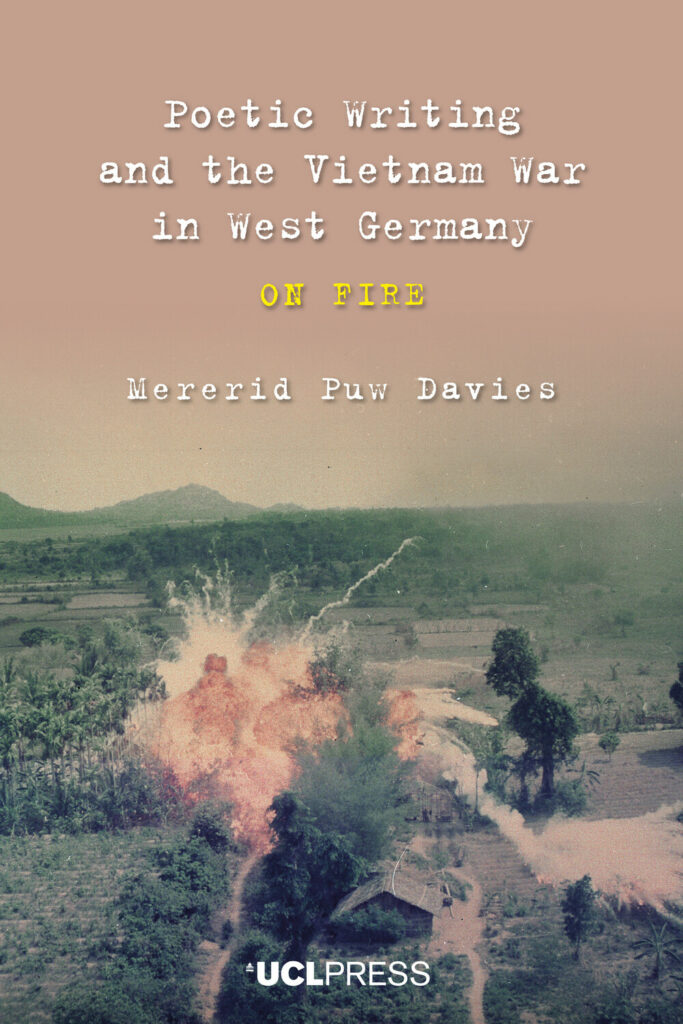
In the 1960s and 1970s in the Federal Republic of Germany (FRG), or West Germany, newspaper readers and television viewers were appalled by terrible images of fires burning half a world away. The Vietnam War was a decisive catalyst for the era’s wider protest movements and gave rise to an ardent anti-war discourse. This discourse privileged writing in many forms. Within it, poetry and poetic writing were key; and because coverage of the conflict in Vietnam often focused on spectacular, destructive conflagrations ignited by hi-tech machines of war, their dominant trope was fire. Hundreds of poems and related writings about Vietnam circulated in the FRG, yet they are almost entirely forgotten today.

Poetic Writing and the Vietnam War in West Germany uncovers and explores some of this rich production in order to present a new history of engaged poetic writing in the FRG in the 1960s and 1970s, and to draw out distinctive characteristics of wider protest culture. In doing so, it makes the case for attending to marginal, non-canonical or neglected literary and cultural forms, and for critical thinking about why they might, over time, have been obscured. This book offers, too, a case study for reflection on the representation of war, on ways in which German oppositional culture could imagine its others, and the ways in which other voices could speak to it in turn, and on the relationship of poetry to the historical world.

Sign up to our newsletter

Don't miss out!
Subscribe to the UCL Press newsletter for the latest open access books,
journal CfPs, news and views from our authors and much more!