We are currently upgrading our shopping cart; in the interim all orders are being diverted to Waterstones. If you would like to redeem a promotional code, or are an author wanting to place an order, please email us.
Home » Books » Archaeology » Water Societies and Technologies from the Past and Present
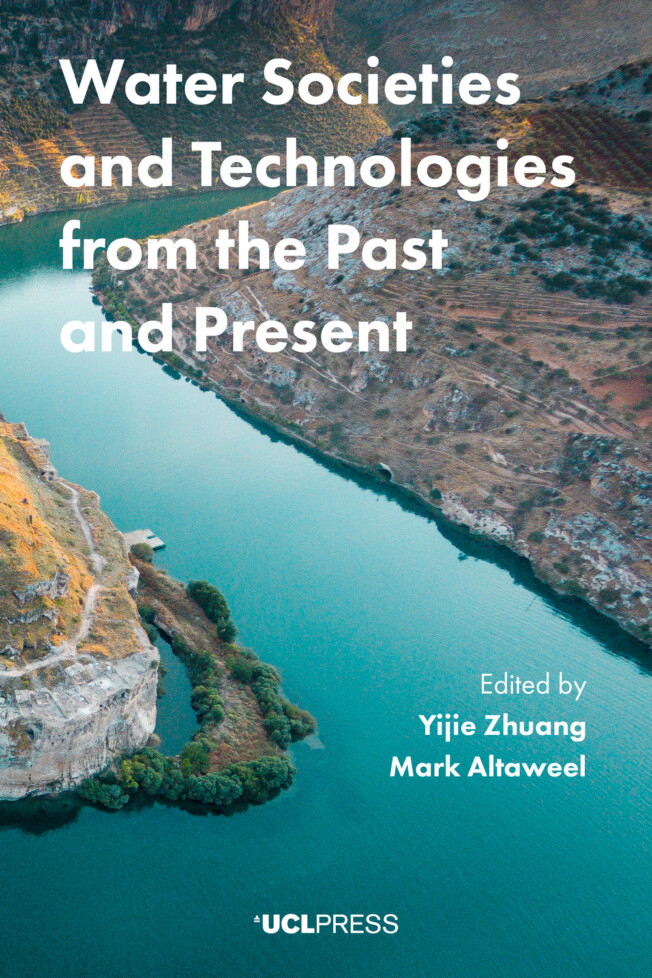
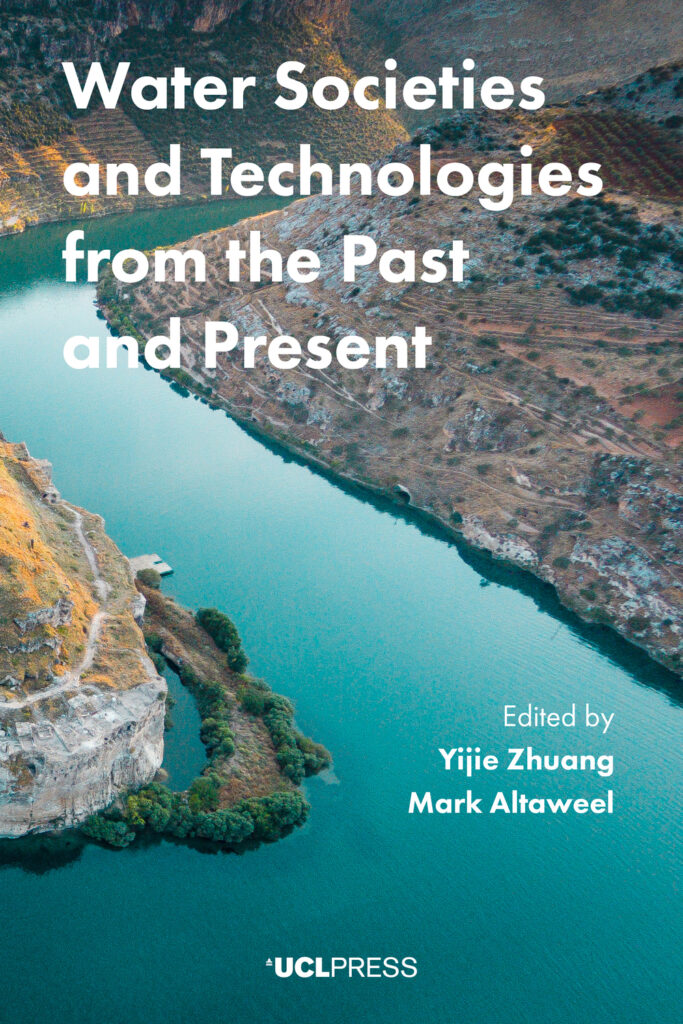
Today our societies face great challenges with water, in terms of both quantity and quality, but many of these challenges have already existed in the past. Focusing on Asia, Water Societies and Technologies from the Past andPresent seeks to highlight the issues that emerge or re-emerge across different societies and periods, and asks what they can tell us about water sustainability. Incorporating cutting-edge research and pioneering field surveys on past and present water management practices, the interdisciplinary contributors together identify how societies managed water resource challenges and utilized water in ways that allowed them to evolve, persist, or drastically alter their environment.
The case studies, from different periods, ancient and modern, and from different regions, including the Indus Basin, the Yangtze River, the Mesopotamian floodplain, the early Islamic city of Sultan Kala in Turkmenistan, and ancient Korea, offer crucial empirical data to readers interested in comparing the dynamics of water management practices across time and space, and to those who wish to understand water-related issues through conceptual and quantitative models of water use. The case studies also challenge classical theories on water management and social evolution, examine and establish the deep historical roots and ecological foundations of water sustainability issues, and contribute new grounds for innovations in sustainable urban planning and ecological resilience.
Today our societies face great challenges with water, in terms of both quantity and quality, but many of these challenges have already existed in the past. Focusing on Asia, Water Societies and Technologies from the Past andPresent seeks to highlight the issues that emerge or re-emerge across different societies and periods, and asks what they can tell us about water sustainability. Incorporating cutting-edge research and pioneering field surveys on past and present water management practices, the interdisciplinary contributors together identify how societies managed water resource challenges and utilized water in ways that allowed them to evolve, persist, or drastically alter their environment.
The case studies, from different periods, ancient and modern, and from different regions, including the Indus Basin, the Yangtze River, the Mesopotamian floodplain, the early Islamic city of Sultan Kala in Turkmenistan, and ancient Korea, offer crucial empirical data to readers interested in comparing the dynamics of water management practices across time and space, and to those who wish to understand water-related issues through conceptual and quantitative models of water use. The case studies also challenge classical theories on water management and social evolution, examine and establish the deep historical roots and ecological foundations of water sustainability issues, and contribute new grounds for innovations in sustainable urban planning and ecological resilience.
‘Incorporating research and field surveys on past and present water management practices, the interdisciplinary contributors to this book together identify how societies managed water resource challenges and used water in ways that allowed them to evolve, persist, or drastically alter their environment.’ AWWA, American Water Works Association
Mark Altaweel (Editor)
Mark Altaweel is a Reader in Near Eastern Archaeology at the UCL Institute of Archaeology having held previous appointments and joint appointments at the University of Chicago, University of Alaska, and Argonne National Laboratory. He has conducted fieldwork in various parts of the Middle East and North America, focusing on environmental and social-environmental interactions in modern and ancient societies. In addition to fieldwork, Dr Altaweel focuses on the use of quantitative and analytical methods to gain insight into water management and water use issues.
Yijie Zhuang (Editor)
Yijie Zhuang is Associate Professor in Chinese Archaeology at the UCL Institute of Archaeology. He has conducted intensive fieldwork in different parts of East and Southeast Asia. He is primarily interested in the reconstruction of water management systems and agricultural ecologies of both the monsoonal and arid regions of Asia and how these related to long term social evolution.
Sign up to our newsletter
Don't miss out! Subscribe to the UCL Press newsletter for the latest open access books, journal CfPs, news and views from our authors and much more!