UPDATED: Scheduled maintenance affecting UCL Press systems from Friday 23 January to Monday 26th January

Paving Stones

Scheduled maintenance affecting UCL Press systems will take place from 17:00 GMT on Friday 23rd January 2026 and continue throughout the weekend. We anticipate that the work will be completed by 14:00 GMT on Monday 26th January

During this time, some services on the UCL Press website may be unavailable, and downloads may not be accessible via the UCL Press platform.

UCL Press books will, however, remain available via external platforms, including:

We apologise for any inconvenience this may cause and thank you for your patience while this essential work is carried out.

Why read a book about Sahidic Coptic?

In this blog post, author Bill Manley reflects on the origins of Sahidic Coptic and how its influence can still be felt today.

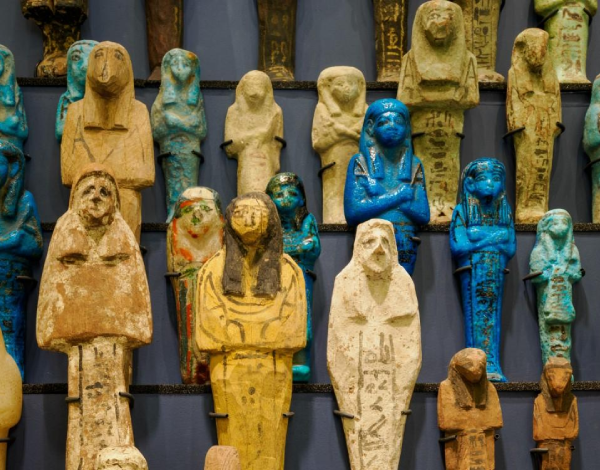
The end of ancient Egypt; the fall of the Roman Empire; early books; the early Bible; Orthodox Christianity; the Byzantine Empire; the history of religious persecution; Europe’s mediaeval monasteries; the rise of Islam; Egyptian society today; even the decipherment of hieroglyphs—these are a handful of the ‘big’ stories that cannot be told properly without some awareness of the tens of thousands of Sahidic Coptic texts from Late Antique Egypt. Often, they are among our most detailed sources for any of these subjects.

‘Copt’ comes via Arabic al-Qibṭiy from Greek Aiguptioi ‘Egyptians’, and evokes three centuries of Roman rule in Egypt; when a Greek-speaking ruling class treated native Egyptian speakers as social and political inferiors. The land had been brought under Roman rule in 30 BC, at the death of the notorious Queen Cleopatra VII. Subsequently, the indigenous language was excluded from public life, and Egypt’s institutions came to be viewed as collaborators. Resistance to Rome became identified with the systematic executions of Egyptian Christians; especially during the reign of Diocletian (284–305). Following an imperial about-face and edicts of religious toleration in the early 300s, Egypt was revealed to be a majority Christian nation where the ancient temples were repurposed as churches, and the spread of monasteries would be the most dynamic, transformative socio-economic phenomenon of the new age.

As the temples’ authority had dwindled among the people, so had that of the ancient hieroglyphic script: identified since the dawn of history with the kingship and priesthood. As with their rejection of traditional education and governance, the ‘Copts’ also devised an alphabet as an alternative for writing their language and promoting Christian scripture in translation. Sahidic Coptic is the normative literary dialect, whose influence is apparent in almost all Egyptian texts from Late Antiquity. Consequently, the usual definition of the word Copt today is ‘Egyptian Christian’. Even though Coptic is no longer spoken, most of the millions of modern Copts are Arabic-speakers, and the Coptic Orthodox churches have a global presence.

The relevance of Sahidic Coptic writing stretches far beyond Egypt. A single case in point would be the monk Pahom (St Pachomius), who first wrote down the rules for living in a monastery. His aptitude for organising large numbers in close proximity stemmed from his first career in the Roman Army. Pahom was baptised upon his discharge from the army, when Diocletian’s murders had barely ended, and was leading four ‘communities’ within a few years. In keeping with the meandering River Nile, a monastery was a scattered agricultural collective whose members came together to eat, pray, sing, and tend the poor, sick and elderly. Routines were organised along traditional patterns of life, but Pahom’s rules gave mettle to the collective. For instance, he advocated social distancing to limit the spread of contraband or disease: ‘No-one shall hold his companion’s hand nor any part of him. Instead leave a cubit between you and them whether you are sitting, standing or walking.’

By adopting his principles, tens of thousands of men and women, Egyptian and immigrant, organised themselves to live a ‘life in common’ – instead of the solitary practices of St Antony and the hermits – among them writers who were influential in Europe, such as Evagrius Ponticus, Palladius of Galatia and the Romanian, John Cassian.

Pahom died in 346 because he was neither the first nor the last in charge of infection control to ignore his own rules. He took ‘a great fever’ but ‘did not tell any of the brothers that he was ill nor confide about his illness, as was his way. Instead, gathering all his strength, he went with them to the harvest … However, while harvesting he fell flat on his face’. On his last night, he asked his friend Theodore not to leave his body in its grave ‘in case people stole his body and built a martyr’s shrine round it’ because he ‘did not approve of those who acted so’.

Despite his humbling demise, Pahom’s legacy was greater than he might have envisioned: John Cassian transplanted the monastic life to Marseilles, where he settled in 415 and founded several new communities. In turn, Pahom’s rules became the basis of the mediaeval monastic code of Benedict. So, the next time you pass Westminster Abbey, Durham Cathedral, Paisley Abbey, Mont-St-Michel, or any of western Europe’s magnificent abbey churches; take a moment to consider how these towering bastions of civilisation are just two steps removed from Pahom, and a single page from the story of the early ‘Copts’.


Bill Manley is the author of Sahidic Coptic. This concise textbook teaches beginner students the grammar of documents written in Sahidic Coptic, and provides the historical and cultural context required for reading primary sources through informal as well as more formal and religious texts.


UCL Press to publish the Survey of London series

UCL Portico and Dome and Autumn leaves of the Ginkgo Biloba

UCL Press is pleased to announce that it will be publishing the Survey of London series in open access, beginning with University College London: The Bloomsbury Campus, which is due to publish in Spring 2026.

Previously published by Yale University Press, the Survey of London is a leading series of architectural and topographical studies of the UK’s capital. Renowned for its meticulous research and richly illustrated volumes, the series documents the ever-evolving built environment of London’s neighbourhoods.

The forthcoming volume focuses on UCL’s Bloomsbury campus, offering a detailed account of its architectural development, historical significance, and role in shaping the university’s identity. It will be the first volume in the series to be published by UCL Press and the first to be made freely available as an open access PDF.

This landmark publication forms part of UCL’s 200-year celebrations, marking two centuries of innovation, impact, and public engagement. Making the Survey of London openly accessible reflects UCL’s ongoing commitment to sharing knowledge and scholarship with the widest possible audience.

Commissioning editor, Dr Chris Penfold said: ‘We are very pleased to welcome the Survey of London series to UCL Press. The series has a long and distinguished history. The combination of new research, detailed building-by-building analysis and extensive illustrative material makes the series an indispensable tool for architectural historians. We look forward to working with the team on forthcoming volumes.’

Colin Thom, Director of the Survey of London, said: ‘The move to UCL Press opens up an exciting new chapter in the Survey of London’s long and distinguished history. The UCL Press open-access model – the first established by a UK university press – is very much in keeping with the Survey’s founding ethos and public-service traditions, and promises a full range of publishing formats that will achieve far wider outreach and impact for us, while maintaining the continuity and posterity of the series. We are also delighted that the first benefit of this new relationship should be a monograph volume shedding new light on 200 years of UCL’s Bloomsbury campus’. 

The book will be available to download for free from the UCL Press website, with print copies also available for purchase.

Call for proposals: Reimagining teachers’ work and teacher education for our futures

A green pencil on lined paper with "MAKE YOUR MARK" printed on it.

UCL Press is delighted to share a call for papers for a forthcoming special series in the International Journal of Development Education and Global Learning (IJDEGL): ‘Reimagining teachers’ work and teacher education for our futures – Global perspectives at the intersection of change, hope and crisis.’ Find out more in the full call.

Edited by Arto Kallioniemi, Hannele Niemi and Marianna Vivitsou, this series will explore how teacher education can respond to the profound challenges of our time—climate change, geopolitical instability, technological transformation—while fostering hope and agency for a sustainable future.

Building on UNESCO’s landmark report Reimagining our futures together: A new social contract for education (2021) and the ‘Reimagining Teachers and Teacher Education’ conference (June 2024), the series invites contributions that examine how education can repair injustices and transform learning ecosystems. The Editors welcome theoretical and empirical research addressing questions including:

  • What do teaching/learning environments and ecosystems that support engagement with global issues look like?
  • What pedagogical thinking best serves engagement with global issues in formal and informal teaching/learning environments and ecosystems?
  • What methods and practices best support the purposes of global teaching and learning ecosystems?
  • What pedagogical methods and practices best support the purposes of global teaching and learning ecosystems (e.g., pedagogies for relationality, pedagogies of love, liberation pedagogies, wild pedagogies, speculative pedagogies and so on).
  • What principles and elements frame processes of co-creation? What are the roles of learners, communities, and other stakeholders in processes of co-creation?
  • What is the new role of technology in teaching and learning about global issues?
  • In what ways can inclusiveness and disability studies serve the purposes of teaching and learning about global issues? What approaches, methods and practices should be developed for inclusiveness and disability studies?
  • What approaches would best serve the purposes of teaching and learning of global and local realities?

Key dates:

  • Expressions of interest (300–500 word abstract): 17 October 2025
  • Full paper submission: 9 January 2026

Submissions should include an abstract, up to six references, and a short biographical statement for each author. Please send expressions of interest to:

This is an exciting opportunity to contribute to a global conversation on the future of education. For full details, visit the full call for proposals.

British Educational Association Conference 2025 reading list

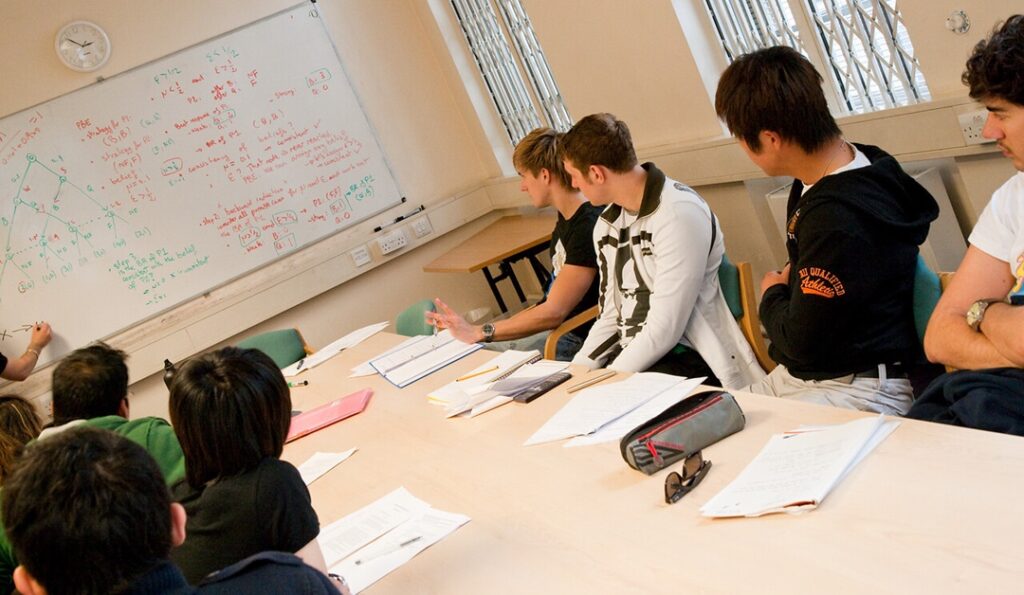
Students in a classroom watching a peer explain equations on a whiteboard.

To celebrate this week’s British Educational Research Association (BERA) Conference in Brighton, we’ve curated a selection of must-read open access books and journals from UCL Press.

If you’re attending, you’ll have the opportunity to meet Pat Gordon-Smith, our Commissioning Editor for Education, and Ian Caswell, UCL Press Journals Manager. They’ll be on hand to introduce you to our wide range of titles and answer any questions you may have about publishing your next open access book or journal article with UCL Press.

Join the UCL Press mailing list to find out more about the latest open access titles, or visit our stand!

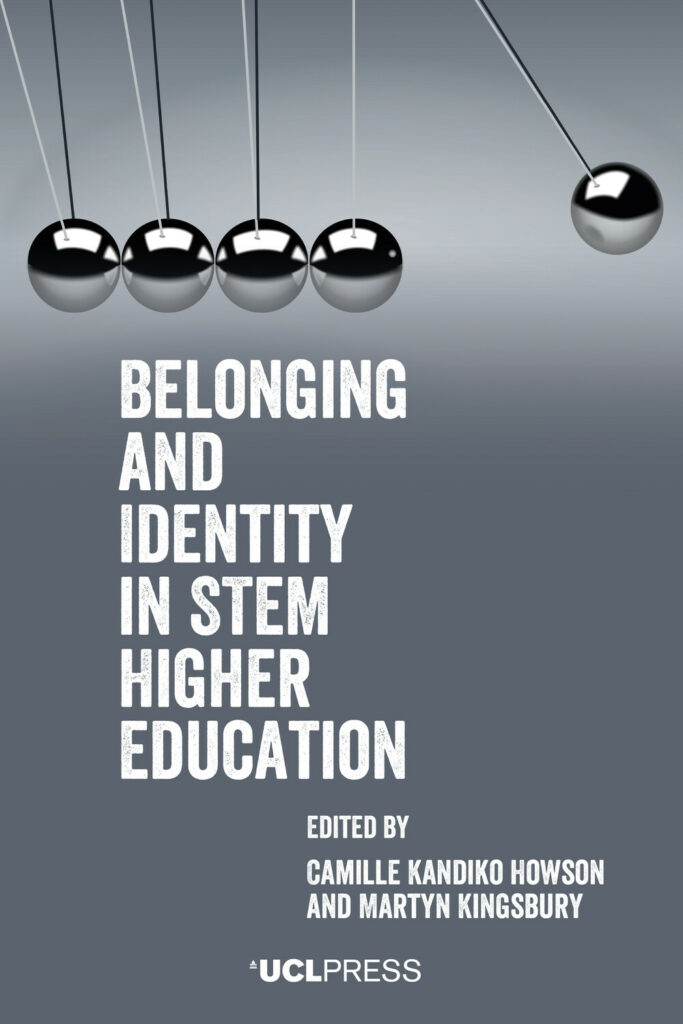
The image features a book cover titled Belonging and Identity in STEM Higher Education. The cover depicts five pendulum balls, reminiscent of Newton’s cradle, with the first and last balls in motion. The title is written in bold black letters. The editors’ names, Camille Kandiko Howson and Martyn Kingsbury, appear below the title. The UCL Press logo is at the bottom.
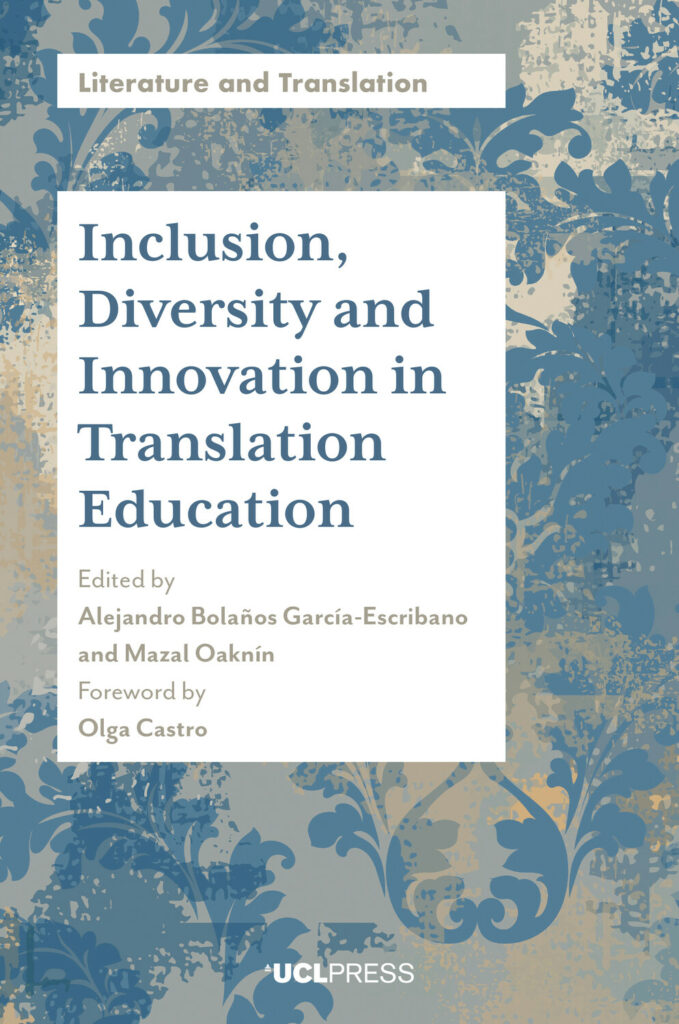
The image shows the cover of a book titled ‘Inclusion, Diversity and Innovation in Translation Education’, edited by Alejandro Bolaños García-Escribano and Mazal Oaknín and foreword by Olga Castro. The cover has an abstract blue and beige floral background with the title text on a white central panel.
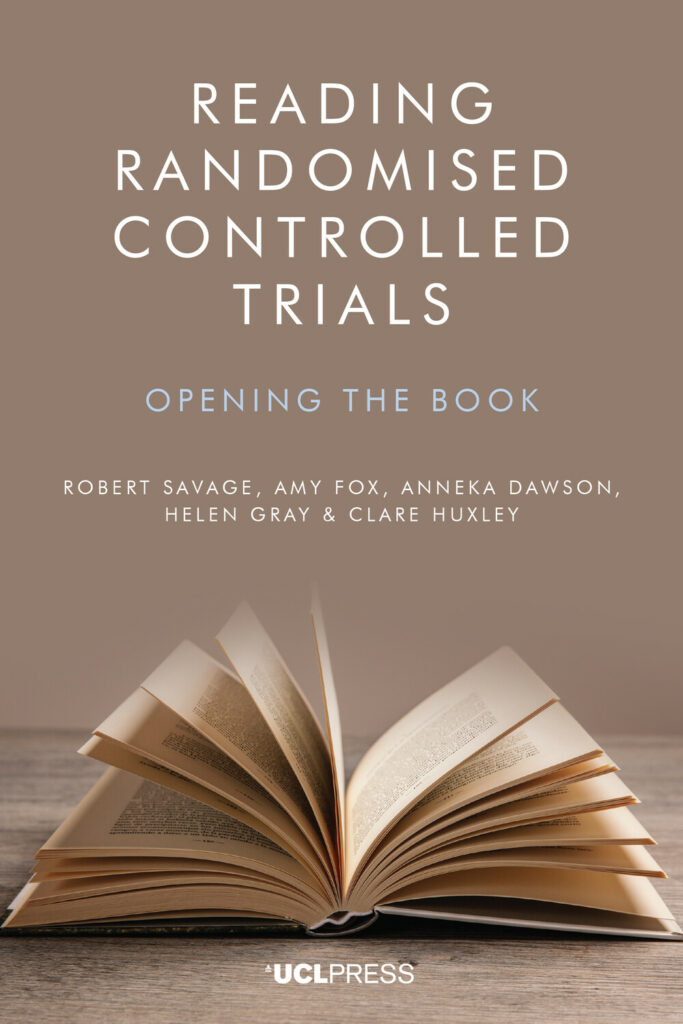
Book cover titled 'Reading Randomised Controlled Trials: Opening the Book.' by Robert Savage, Amy Fox, Anneka Dawson, Helen Gray, and Clare Huxley. The cover displays an open book with pages spread out on a wooden surface, set against a plain backdrop.

Help us understand the impact of Encountering Pain

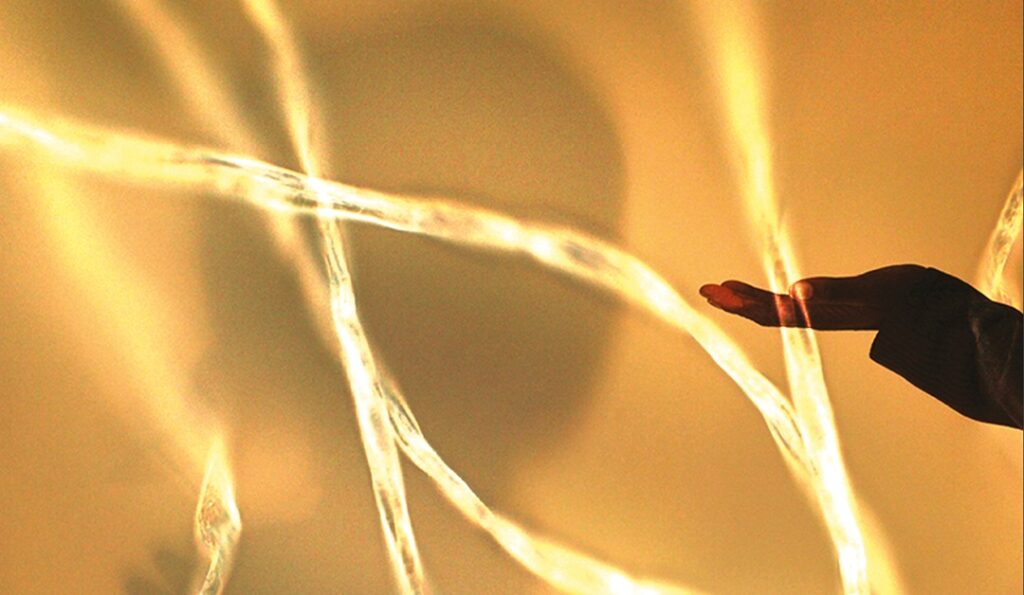
A hand silhouetted against a golden background with wavy illuminated lines. Cover image: Deborah Padfield with Linda Williams,, 'Untitled' from the series FaceFace, 2008-13. ©Deborah Padfield

Have you downloaded Encountering Pain? Would you be happy to take part in a short survey about the impact of this work? If so, we’re looking for your help!

Since its publication, Encountering Pain has sparked new conversations about the lived experience of pain, drawing on perspectives from the arts, humanities, and social sciences. As an open access title from UCL Press, it has reached a wide and diverse audience. Now, we are looking to understand how it is being used and what kind of impact it may be having beyond academic settings.

If you have engaged with the book in any way, please consider sharing your experience. The Faculty of Arts and Humanities at UCL is collecting feedback to help demonstrate the broader influence of this research.

👉 Submit your details using this short form

Your contact information will be stored securely and used only for this purpose. A member of the Research Development team may follow up with you to learn more.

Why This Matters

In the UK, the Research Excellence Framework (REF) assesses how academic research makes a difference outside universities. This includes benefits to society, culture, public policy, health, education, and more. To show this kind of impact, researchers need real-world examples and stories from readers like you.

Whether you have used Encountering Pain in your teaching, professional work, creative projects, or personal life, your insights are important. Impact can take many forms, from raising awareness and changing perspectives to influencing practice or policy, and your contribution can help show how academic research can make a real difference in the world.

Call for papers: Truth-telling in history education: Truth and justice in a post-truth era

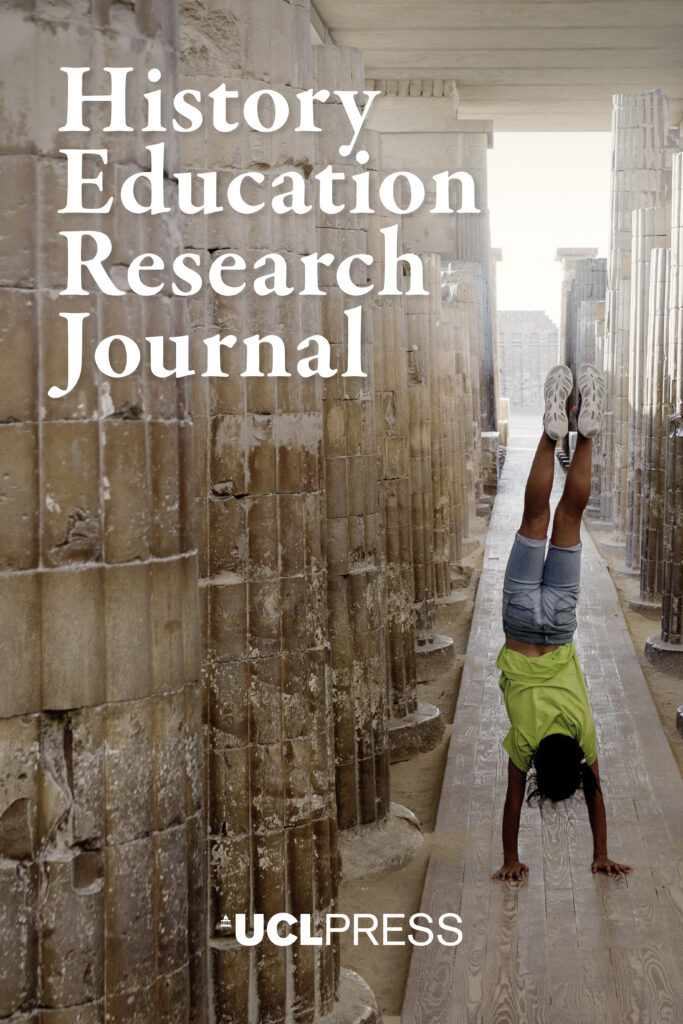
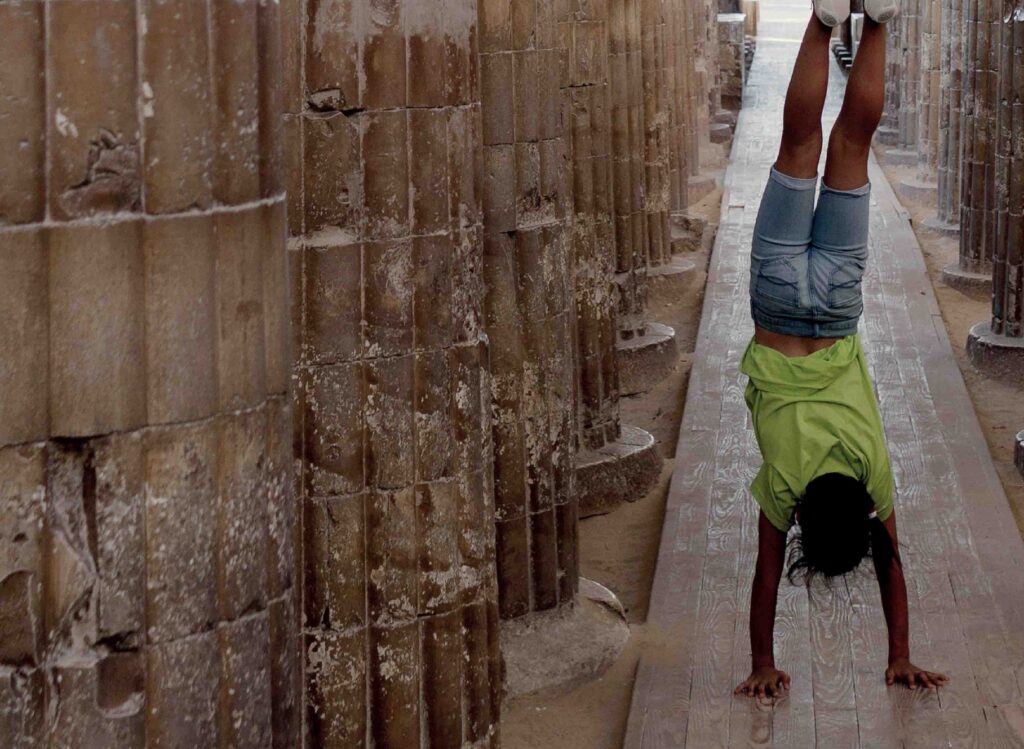
A person in a green shirt and denim shorts performs a handstand between ancient stone columns.

In an age marked by misinformation, contested narratives, and global reckonings with historical injustices, the role of history education has never been more critical. The History Education Research Journal (HERJ) invites scholars, educators, and practitioners to contribute to a special series:  ‘Truth-telling in History Education: Truth and Justice in a ‘Post-truth’ Era.’ All articles will be published diamond open access and will not attract APCs. Read the full call for proposals.

This timely series seeks to explore how truth-telling is conceptualized, practiced, and contested in history education across diverse national and cultural contexts. It responds to the urgent need for educational spaces that confront difficult histories – colonialism, genocide, systemic racism, and other legacies of injustice – rather than perpetuating sanitised or nationalist narratives.

Why This Series Matters

From Truth and Reconciliation Commissions in Canada and Australia to curriculum reforms in Europe and beyond, societies are grappling with how to teach the past honestly and inclusively. Yet, these efforts are increasingly challenged by the rise of ‘fake news’ political polarisation, and the erosion of public trust in institutions and expertise.

This special series aims to position history classrooms as critical spaces for cultivating media literacy, epistemic awareness, and a commitment to justice. It invites contributors to examine how educators can navigate the emotional, political, and ethical tensions of teaching contested histories, and how students can be empowered to engage with the past in meaningful and transformative ways.

Key Themes and Questions

Proposals should engage with one or more of the following themes:

  • Theoretical frameworks: What does truth-telling mean for history education? How might truth-telling be interpreted in history education? How do truth and reconciliation sit in relation to existing theoretical approaches and debates such as ‘truth’ in history, postmodern critiques of truth, historical consciousness, historical thinking, materialist and post-qualitative approaches? How do epistemological and ethical considerations inform approaches to truth-telling in history education?
  • Pedagogical approaches: How can educators balance multiple perspectives and historical truths in the classroom? What methodologies are effective for teaching contested or difficult histories? How do teachers navigate emotional, political, and ethical tensions in the classroom? What educational outcomes are associated with approaches that confront difficult historical truths? What effects do knowledge of history and explicit instruction discourses have on truth telling?
  • Curriculum and policy: How do curricula support or suppress truth-telling? How does curricula reflect particular truths and exclude others? How are diverse histories, peoples, groups, and cultures represented in history curricula and textbooks?
  • Teacher and student perspectives: How do teachers and students reason about truth telling? How do teachers navigate their own positionality and identity when teaching difficult historical truths? How do students respond to curriculum that addresses historical injustices related to their communities? In what ways do students’ prior beliefs and family histories/narratives interact with truth-telling in the history classroom?
  • Public history and post-truth digital media: How do museums, memorials, and online platforms contribute to or complicate truth-telling? How does the post-truth (social) media landscape and artificial intelligence shape truth-telling discourses in history education? How might teachers leverage digital tools to support critical engagement with historical narratives?
  • Indigenising history education: How can the engagement and reframing of history education from First Nations perspectives support empathy, reciprocity, justice, accountability, and the development of the whole student? How can this enable community health, healing and sovereignty? How could this contribute to the community building
    capacity of all students of history?
  • Decolonising history education: How are Indigenous and other marginalised perspectives integrated or resisted in school history? How does truth-telling lead to justice and accountability? How does truth-telling sits with decolonising frameworks for history education?
  • Truth and justice commissions and education: What educational lessons can be drawn from the legacies of truth and justice commissions?
  • Truth and identity: How does truth telling in history education intersect with issues of identity and representation? How can history education promote understanding and reconciliation in post-conflict settings?

The series welcomes a wide range of contributions, including empirical studies, theoretical analyses, literature reviews, and critical reflections on practice.Read the full call for proposals.

Submission Details

Submissions will be peer-reviewed and should align with HERJ’s commitment to advancing critical, inclusive, and globally relevant history education research. All articles will be published diamond open access and will not attract APCs.

About HERJ

History Education Research Journal (HERJ) is a leading international, fully open-access, peer-reviewed journal that focuses on the global significance and impact of history education. It provides a platform for scholarly discourse on contemporary issues, policies, and practices in history education, drawing on a wide range of research methodologies. For more information on submission guidelines and to read the full call for proposals, please visit the HERJ site.

10 Years of UCL Press: A Student Perspective

Black-framed eyeglasses on top of photographs and papers with a blurred background.

As our 10th anniversary celebrations come to a close, we asked Sonja Astrakhan, a student at UCL School of Slavonic and East European Studies (SSEES) to share her perspective on the Press as a student.

The UCL Press, the UK’s first fully open-access university press, is celebrating its 10th anniversary this month. Throughout the last decade, it has published almost 400 scholarly monographs and developed a series of 15 journals. The Press represents an ambitious commitment to rigorous scholarship, unconstrained by financial considerations. Each individual publication is editorially independent and free to publish in and to read.

For a student, the Press presents an opportunity to survey the research done in the UCL and the wider academic community. While researching the Press, I was delighted to discover that several of my professors were regular contributors. The School of Slavonic and East European Studies, my alma mater – or as we jokingly call it amongst friends, the mothership – is home to the FRINGE Center, an interdisciplinary research hub focused on complexity and ambiguity. Incidentally, its contributors, including Dr. Murawski and Prof. Ledeneva, have excellent independent books and co-publications with the UCL Press. Having had the pleasure of attending their classes, it is warming to see their work celebrated by the university, not just in acknowledging teaching but also research through publishing opportunities.

Besides recognizing familiar staff names, the UCL Press also provides direct opportunities for student scholarship. Alongside the 15 professional academic journals, the Press is also home to 9 student journals on a wide range of subjects. These include Interscript, the journal of publishing, Bioscience Horizons, and Slovo, also SSEES-affiliated. As with all Press resources, the student journals are free to read and publish in; like any rigorous publication, they undergo a peer review process handled by the appropriate faculty. For students considering a career in academia, the opportunity to publish free of charge in respectable journals without the intense competition of ‘Big Name’ journals is indispensable for building a portfolio and bolstering confidence. However, even for those who are not considering academia, publishing in a student journal can be a rewarding experience. It provides the opportunity to delve deeper into a subject that can be curtailed by the pressure of deadlines and tight wordcounts, and demonstrates ambition and intellectual curiosity. Besides career considerations, student journals stand for the primary mission of university: exchanging information. Hopefully, the next decade of the UCL Press will see an expansion of student publications.

Beyond facing the difficulties of publishing, students will also be aware of the obscene costs sometimes accrued when trying to access a journal UCL does not subscribe to. The modern academic publishing industry is a behemoth. In 2020, the “Big Five” — Elsevier, Wiley, Taylor & Francis, Springer Nature, and SAGE — accumulated around 19 billion dollars in revenue. Behind these numbers is a system of academic publishing practices that are increasingly turning publishing into a competitive sport and making it financially inaccessible, subverting the egalitarian purpose of academic research: providing information about the world we live in. The capture of the academic publishing market blocks access to high-quality research with steep paywalls and may have implications for the kind of research that is being done. A scandal in the behavioral sciences a few years ago suggested that well-respected academics may have been tinkering with their results to produce more “publishable” papers – that is, those which produce surprising or marketable results. Freakonomics reported on the story, concluding that the profit incentive in academia may be a significant driver of subpar research.

Within this context, the UCL Press deserves all the more praise. The university’s active steps to platform meaningful, rigorous research and commit to the free exchange of knowledge should serve as an example for institutions nationwide. Instead of relying on subscription payments or publishing fees, the Press is financed through profits made on physical book sales, grants, and other indirect charges. It is a relief as a graduating student to have access to an open-source academic resource beyond the complimentary journals provided by UCL to alumni. More importantly, it is heartening to see that our institution’s stated commitment to a “diverse intellectual community” surfaces not only in mission statements but in action. I am proud to have studied at a university that is making academia more accessible, and am excited to follow the Press’ future publications.


About the Author

Sonja Astrakhan is a student at UCL School of Slavonic and East European Studies (SSEES)

Join us to celebrate 10 years of UCL Press!

Rows of champagne flutes filled with golden liquid.

June marks 10 years since UCL Press was founded as the UK’s first fully-open access university press. Join us to celebrate 10 years of award winning publishing!

Event details

In person

10 June 2025 17:00-19.30 BST

Chancellor’s Hall, First floor, Senate House, Malet Street, London, WC1E 7HU

Online

10 June 2025 17:00-18:15 BST

Speakers

Chair

Dr Paul Ayris, Pro-Vice-Provost, LCCOS, UCL, and CEO of UCL Press

Panellists

  • Anthony Cond, President of the Association of University Presses and Chief Executive of Liverpool University Press
  • Prof Margot Finn, Chair in Modern British History, UCL, and former President of the Royal Historical Society
  • Dr Rupert Gatti, a Director of Open Book Publishers, Thoth Open Metadata and the Open Book Collective, actively engaged in the COPIM/OBF initiative and Fellow in Economics, Trinity College Cambridge
  • Benjamin Meunier, University Librarian, Chinese University of Hong Kong, and lead for Open Books Hong Kong
  • Stephanie Smith, Deputy Director of Policy, Russell Group of Universities
  • Niamh Tumelty, Director of LSE Library and Managing Director of LSE Press

Event Description

In the 10 years since UCL Press launched as the UK’s first fully open access university press, the open access landscape has changed considerably, with other new OA presses launching, the development of numerous OA initiatives supporting monographs, new funder mandates and a demonstrable shift in the perception of OA from a niche activity to a mainstream one, adopted by publishers large and small.

An impressive number of OA books have been published in the last 10 years, with over 13,000 listed on JSTOR’s OA monographs platform and 30,000 on OAPEN’s. With so many OA books in circulation, the sector is seeing impressive download figures that demonstrate the global reach of OA books, with benefits for institutions, authors, policy makers and the wider public. This panel celebrates the progress made with OA monographs during the last 10 years as well as touching on the challenges to come. Featuring key actors in university press publishing, open access, libraries and funding, the panel will debate what the sector needs to do next to drive the growth in OA monographs further, as well as addressing the financial crisis in the sector that is affecting universities’ funding priorities and the humanities and social sciences, the backbone of monograph publishing.

The in-person event will be followed by a drinks reception to celebrate 10 years of UCL Press.

New open access books published in April 2025

Another busy month for the UCL Press books team, with 5 brilliant new open access titles spanning everything from architecture to COVID-19, classics and race to children’s play.

The first book published was Labour, Nature and Capitalism: Exploring labour-environmental conflicts in Kerala, India, ehich traces how the alliance between labour and capital manifests in the form of conflicts between organised trade unions and a local environmental movement in the context of the much-acclaimed Kerala model of development. It explores the history of the area’s local industrialisation, the presence of varied economic interests and exposes the barriers to forming solidarity networks among the working classes.

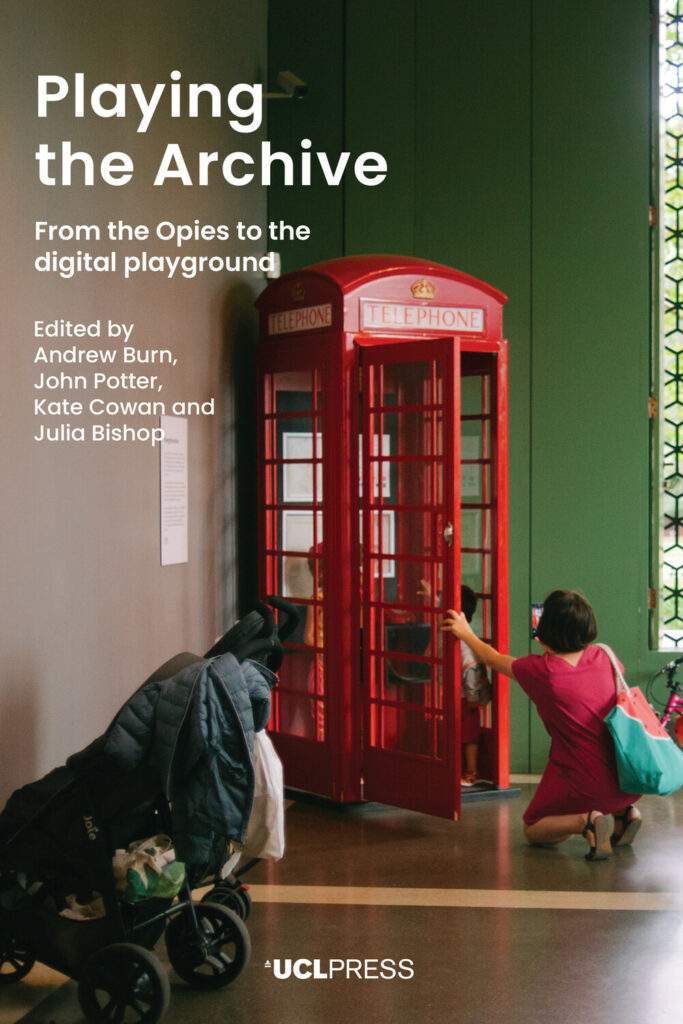
The fascinating Playing the Archive: From the Opies to the digital playground. This open access book investigates the vast collection of play experiences accumulated by Iona and Peter Opie in the 1950s and 1960s. It shares new stories and games gathered from today’s children, and compares the accounts told at these two points in time. Children are seen as creative, agentive and engaged participants in their play cultures.

Our third publication was Classics and Race: A historical reader. This important book provides scholars and students with an exploratory intellectual history of the various and complex relationships between Classics and racist and anti-racist thought-systems and politics.

The latest volume of the Culture and Health series was next up. Covid’s Chronicities: From urgency to stasis in a pandemic era is a fascinating account of the shifts that have occurred in the face of the pandemic, the state and community responses to it, its continuing toll on health services, economies, and communities and its compounding effects on people’s health, lives and livelihoods.

The final book to publish in April was Space Syntax: Selected papers by Bill Hillier, which provides a canon of works that reflect the progression of Hillier’s ideas from the early publications of the 1970s to his most recent work, published before his death in 2019.

As always, stay safe! We’ll see you next month!

Sign up to our newsletter

Don't miss out!
Subscribe to the UCL Press newsletter for the latest open access books,
journal CfPs, news and views from our authors and much more!