We are currently upgrading our shopping cart; in the interim all orders are being diverted to Waterstones. If you would like to redeem a promotional code, or are an author wanting to place an order, please email us.
Home » Books » Archaeology » Second World War Archaeology at the Edge of Living Memory
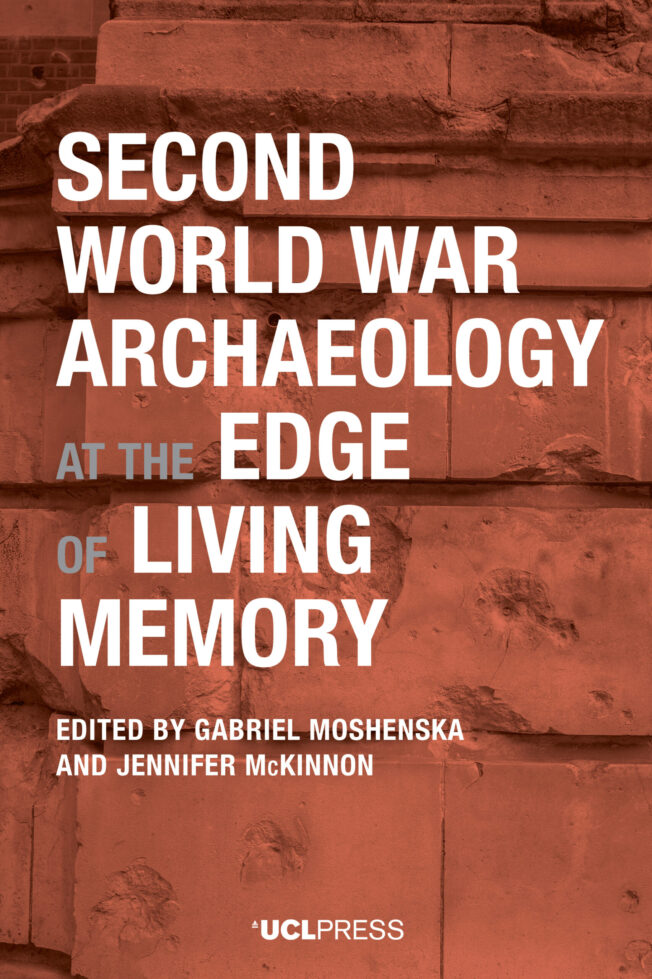
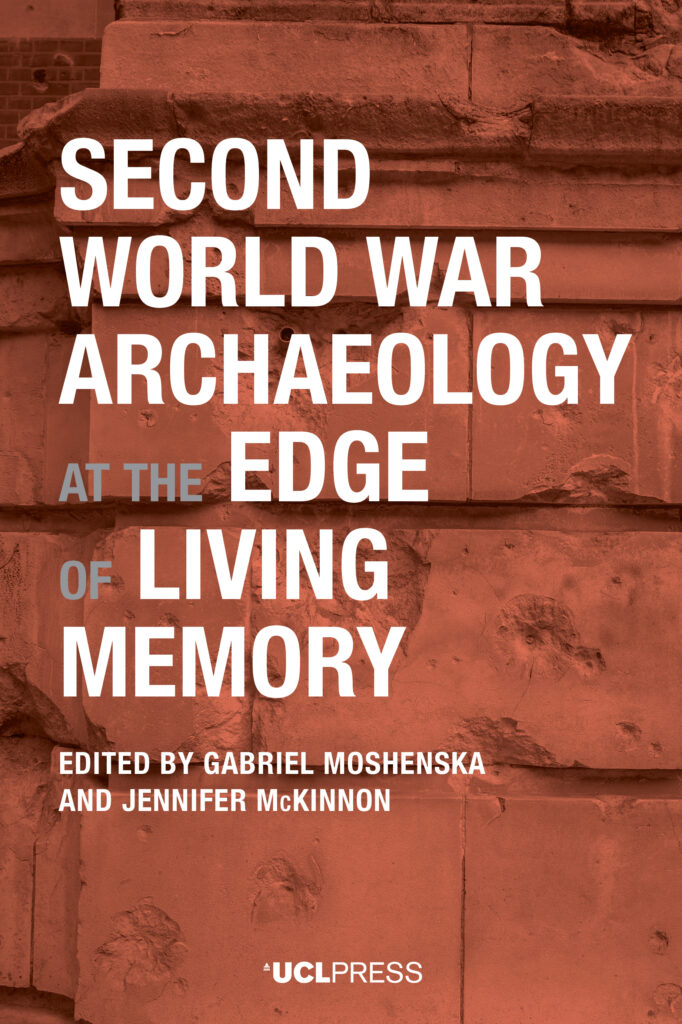
The archaeological heritage of the Second World War stretches from the forests of the Arctic to the waters of the Pacific, and continues to shape our understanding of this conflict and its legacies worldwide. Today the Second World War sits at the very edge of living memory, making this is an urgent, transformative moment for the study and management of the heritage of the conflict.
Second World War Archaeology at the Edge of Living Memory takes a global perspective on the challenges and opportunities of Second World War archaeology today. Drawing on international case studies from Finland, Indonesia, the US, Germany, the UK and elsewhere, it focuses on what remains of the war’s global footprint on land, at sea and in the air. The authors reflect on the history and future development of Second World War archaeology, working with different stakeholder communities, the use of memory sources in scholarship and practice, and the commemorative and educational values of conflict heritage. It includes studies of ‘home fronts’, internment camps, and the civilian experience of war as well as insights into combat zones, war graves, and efforts to recover the dead.
Gabriel Moshenska (Editor)
Gabriel Moshenska is Professor of Public Archaeology at UCL Institute of Archaeology. His research interests include conflict archaeology and heritage, the history of archaeology, and the public understanding of the past. He has taken part in collaborative and community-based archaeological research on sites of twentieth century conflict in Kenya, Finland, Spain, and the UK. His publications include Material Cultures of Childhood in Second World War Britain (2019) and (as editor) Teaching and Learning the Archaeology of the Contemporary Era (2024).
Jennifer McKinnon (Editor)
Jennifer McKinnon is a Professor in the Program in Maritime Studies at East Carolina University. Her research interests include community archaeology, conflict archaeology and heritage management, Spanish colonial archaeology, and maritime cultural landscapes and seascapes. Her publications include Underwater Archaeology of a Pacific Battlefield: The WWII Battle of Saipan (2015), It Rained Fire: Oral Histories from the Battle of Saipan (2019), and The Archaeology of American Shipwrecks (2026).
Sign up to our newsletter
Don't miss out! Subscribe to the UCL Press newsletter for the latest open access books, journal CfPs, news and views from our authors and much more!