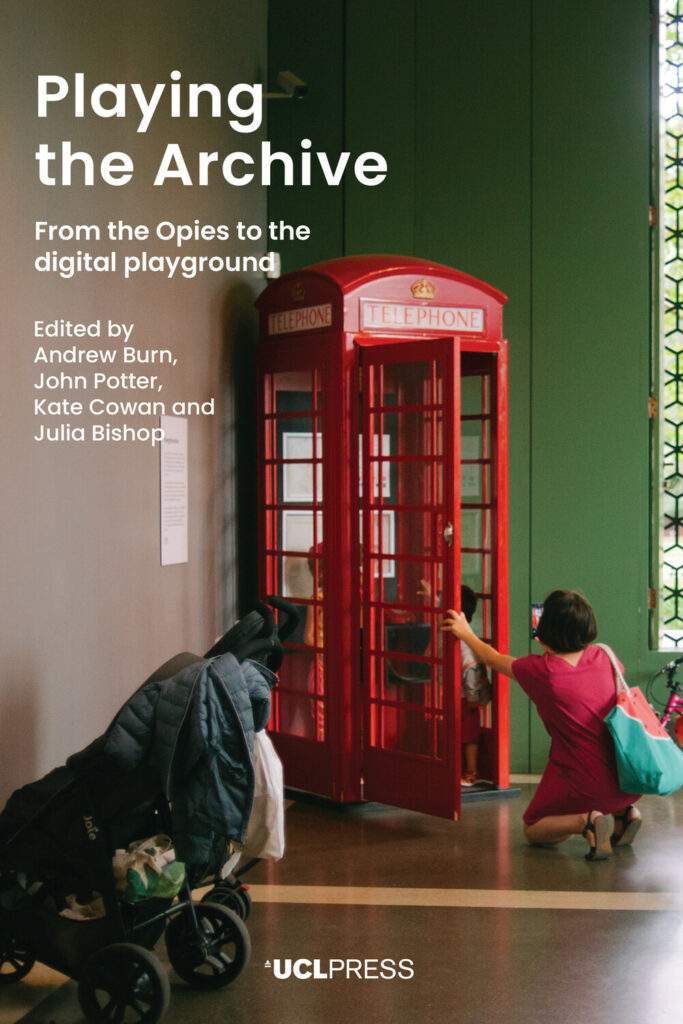
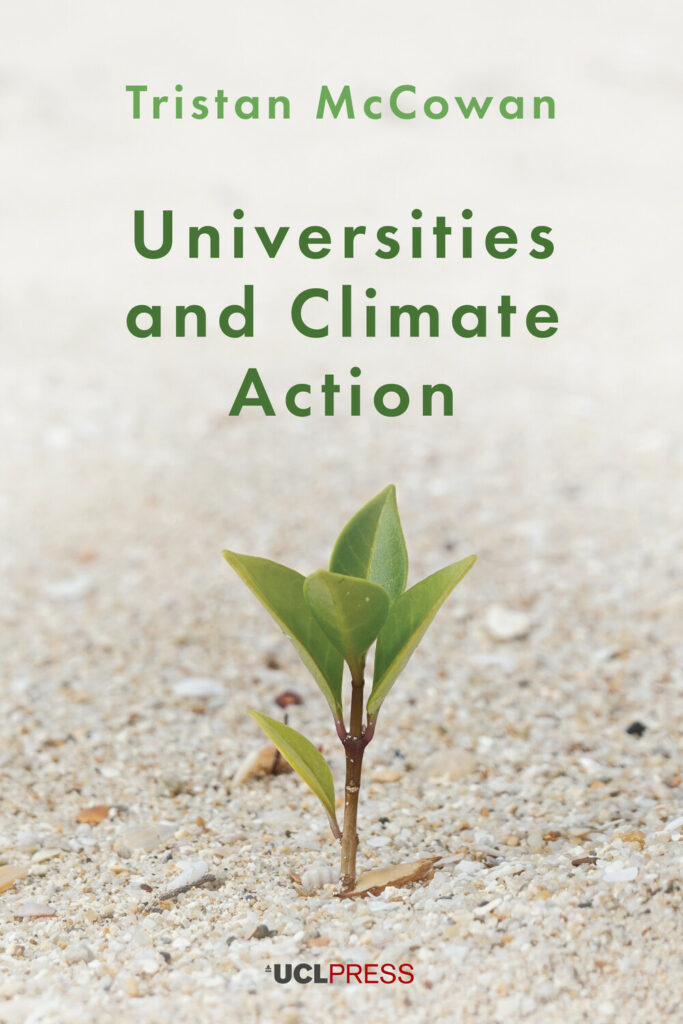
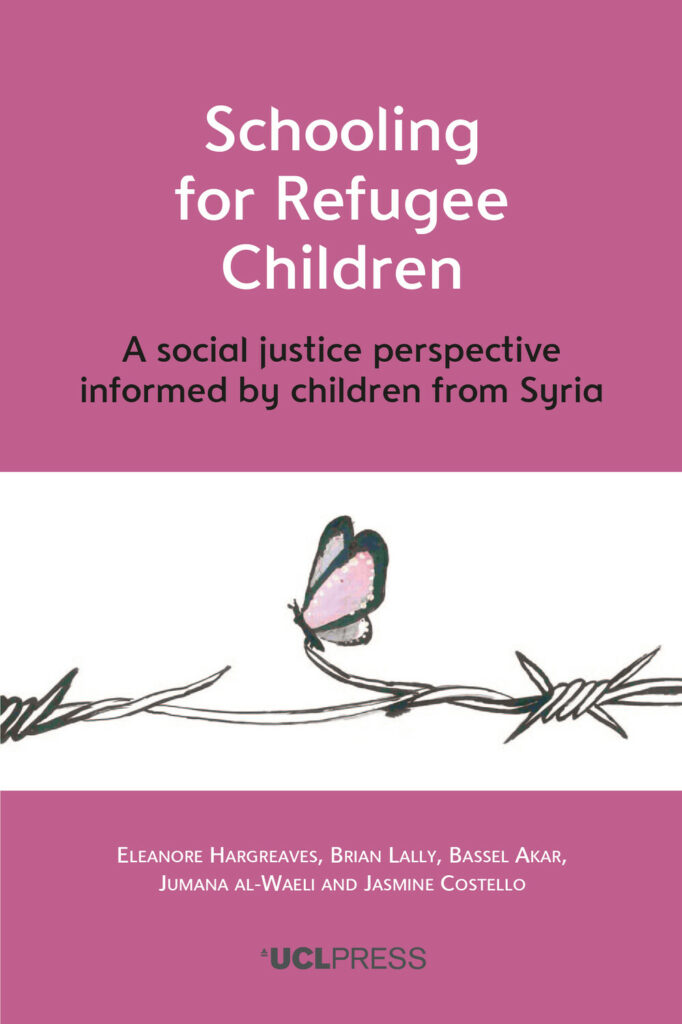
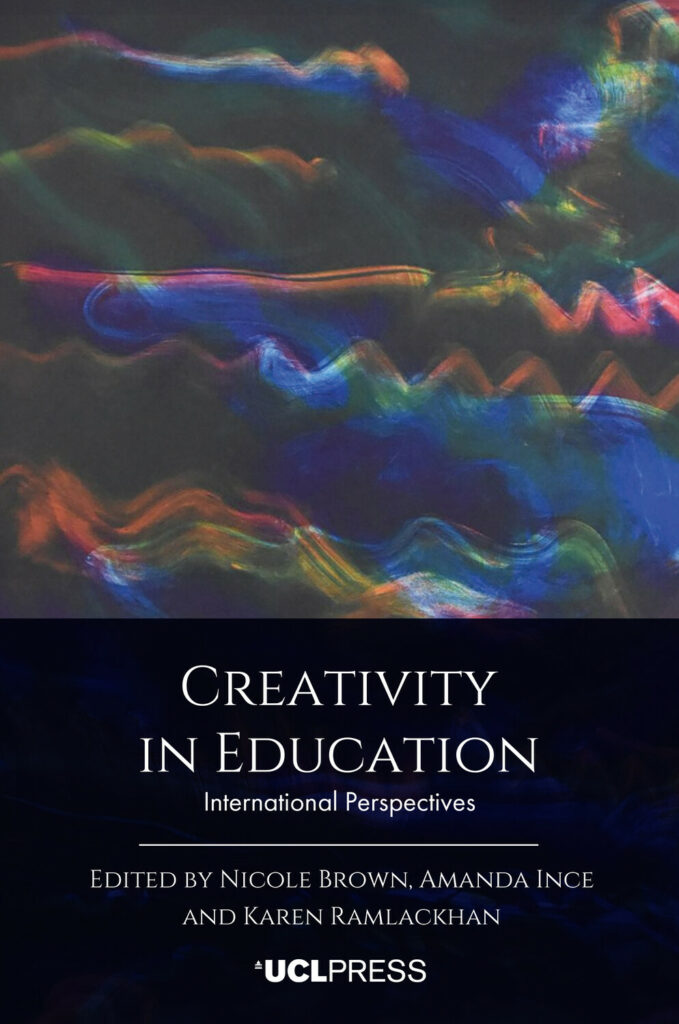
British Educational Association Conference 2025 reading list

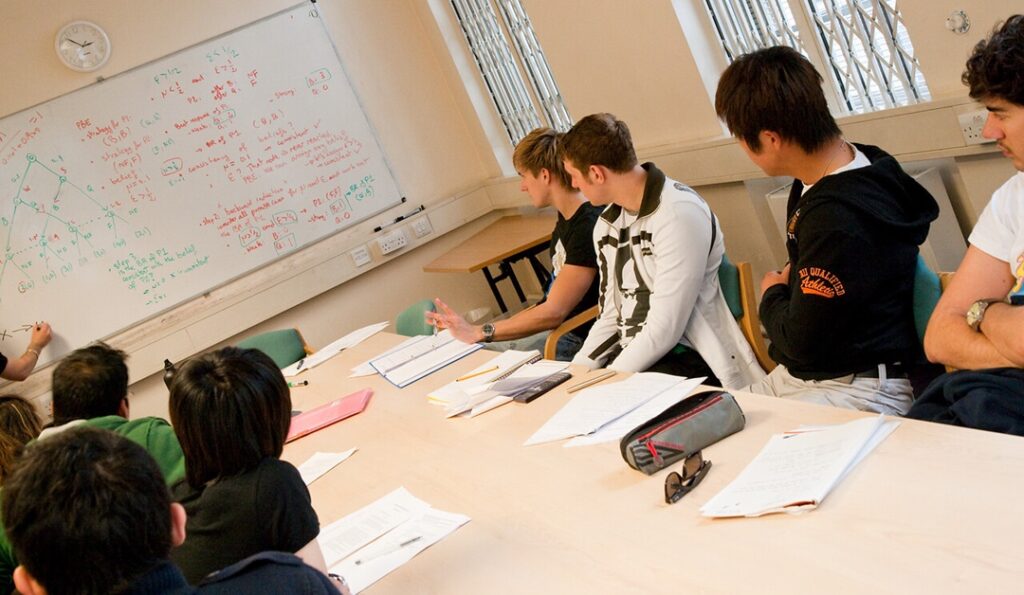
Students in a classroom watching a peer explain equations on a whiteboard.

To celebrate this week’s British Educational Research Association (BERA) Conference in Brighton, we’ve curated a selection of must-read open access books and journals from UCL Press.

If you’re attending, you’ll have the opportunity to meet Pat Gordon-Smith, our Commissioning Editor for Education, and Ian Caswell, UCL Press Journals Manager. They’ll be on hand to introduce you to our wide range of titles and answer any questions you may have about publishing your next open access book or journal article with UCL Press.

Join the UCL Press mailing list to find out more about the latest open access titles, or visit our stand!

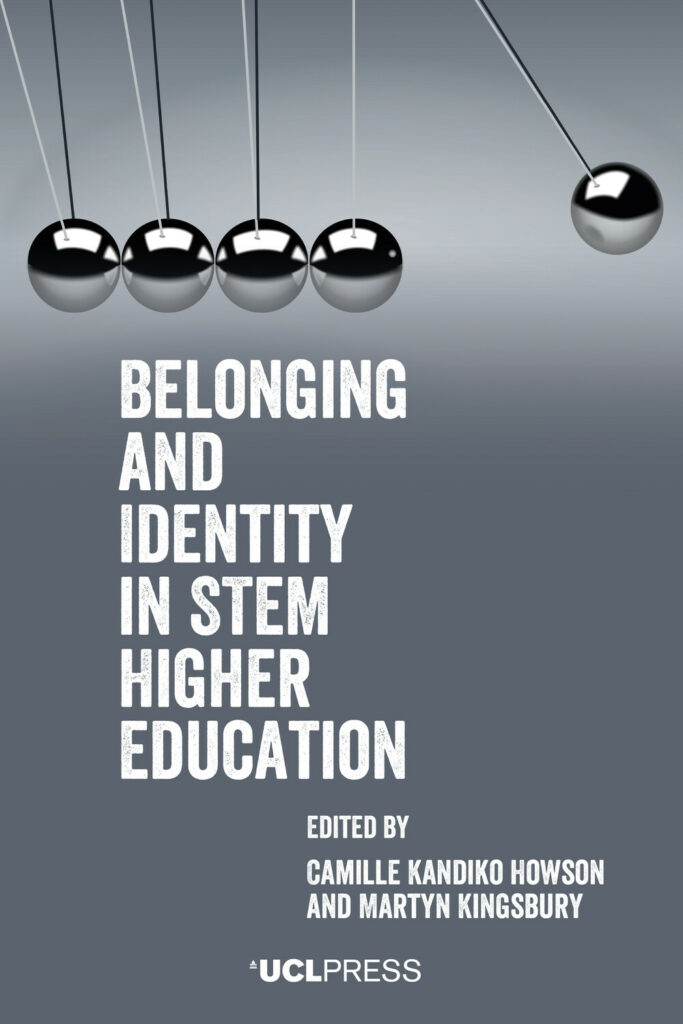
The image features a book cover titled Belonging and Identity in STEM Higher Education. The cover depicts five pendulum balls, reminiscent of Newton’s cradle, with the first and last balls in motion. The title is written in bold black letters. The editors’ names, Camille Kandiko Howson and Martyn Kingsbury, appear below the title. The UCL Press logo is at the bottom.
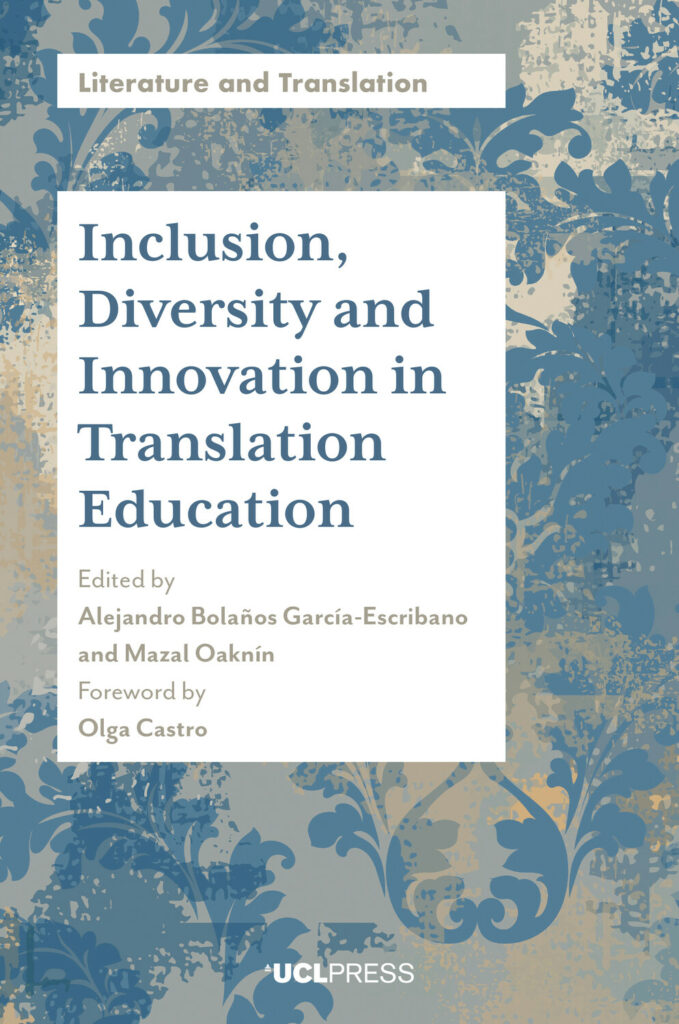
The image shows the cover of a book titled ‘Inclusion, Diversity and Innovation in Translation Education’, edited by Alejandro Bolaños García-Escribano and Mazal Oaknín and foreword by Olga Castro. The cover has an abstract blue and beige floral background with the title text on a white central panel.
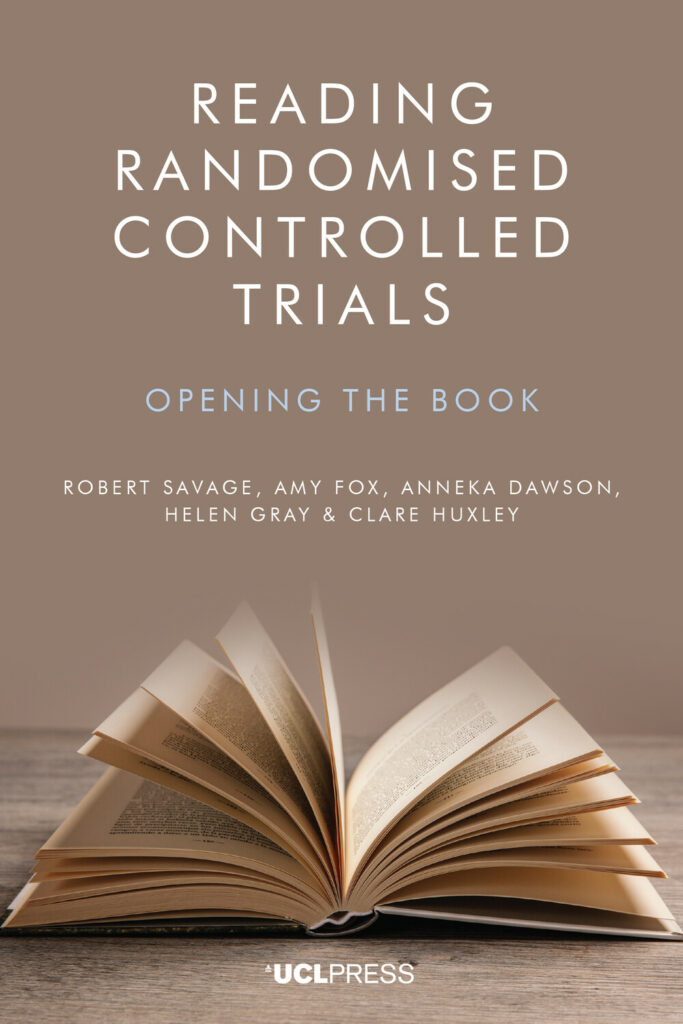
Book cover titled 'Reading Randomised Controlled Trials: Opening the Book.' by Robert Savage, Amy Fox, Anneka Dawson, Helen Gray, and Clare Huxley. The cover displays an open book with pages spread out on a wooden surface, set against a plain backdrop.

New open access books published in August 2025

Stones and Sand on Brighton Beach

August is traditionally a time to relax – but we haven’t slowed down! Six brand new open access books have landed this month, covering everything from blindness to Soviet youth games, historical travel to democracy.

Bringing together leading international scholars and artists in the emerging field of ‘blindness arts’, Beyond the Visual: Multisensory modes of beholding art seeks to broaden the discussion of multisensory ways of beholding contemporary art, with a particular emphasis on modes that transcend a dependency upon sight. A true delight to read.

Moving beyond current scholarship in urban and regional studies, Informational Peripheries: Rethinking the urban in a digital age presents a case for ‘informational peripheries’ as an analytical lens to understand the uneven, fragmented and disconnected geographies of urban peripheries in the Global South. Download it free.

So absorbing that one of our team recommended it as excellent bedtime reading, Leagues of Laughter: War, comedy and the Soviet legacy in Russia and Ukraine traces how a Soviet-created youth game changed as students’ nation states collapsed, competed and went to war. A series of interconnected, cross-border stories spanning 60 years illustrates how laughter and oppression entwined in the long cultural context of the war in Ukraine. Download it free.

Our Marketing Manager’s Summer read, No Country for Travellers? British visitors to Spain and Portugal, 1760–1820 explores the rise and nature of British travel to Spain and Portugal between 1760 and 1820. Using extensive archival and printed sources left by travellers in the period, the compelling narrative is a broad and deep investigation into all aspects of travel experience, including non-combatant witness to the Peninsular War. Download it free.

With more than 30 authors, the ambitious The Sciences of the Democracies proposes holistic study of democracy that draws on five sources of knowledge: individual people, groups of people, non-textual media, texts and non-humans. It argues that inclusion of these sources leads to the discovery of democratic practices and institutions unfamiliar to the conventional ‘Western’ perception. Read it free.

The fascinating Women’s Labour Activism in Eastern Europe and Beyond: A new transnational history presents a deeply researched, inclusive history of women’s labour activism in Eastern Europe and transnationally from the age of empires to the late 20th century. It explores women’s activism to improve working conditions and living circumstances of lower-income and working-class women and communities in the region and internationally. Download free.

We’ll be back again next month with a round up of the very best open access books. As always, stay safe!

New open access books published in July 2025

Horses on a Carousel Roundabout

July’s sunny weather wasn’t an excuse to relax at UCL Press – we’ve been busier than ever with five new open access books! Covering topics from historical memory and mental health to kinship, sensory heritage, and literary masculinity, these titles are, as always, freely available to download from our website.

An important addition to historical scholarship, Conversations with Third Reich Contemporaries: From Luke Hollands Final Account presents excerpts from filmed interviews conducted by British documentary filmmaker Luke Holland. Most interviewees were young adults when the war ended; some had benefited from Nazism. The book raises critical awareness of issues around representation, authenticity and the co-production of narratives. Download it free.

The ground-breaking Petty Tyranny and Soulless Discipline? Patients, policy and practice in public mental hospitals in England, 1918–1930 examines England’s public mental hospitals for the working class after the First World War. Narratives of patients’ difficult daily lives are interwoven with analysis of competing agendas from campaigners, government and new medical knowledge, to build a complex picture of mental health provision. Download free.

The fantastic Marriage Matters: Imagining love and belonging in Uganda engages with new and classic anthropological theory, and gender studies about kinship, marriage, relatedness and temporality. It examines how partnership, kinship, child filiation, friendship, ideas about love and commitment have been changing, and how Ugandans imagine past and future relationship between genders and generations. Download it free.

Presenting studies of historical environments through the lens of the senses, New Sensory Approaches to the Past: Applied methods in sensory heritage and archaeology showcases the latest approaches to sensory research through real-world scenarios of human−environment connections. Interdisciplinary examples of diverse sensory in-situ studies will enable readers to replicate and enhance their own investigations. Whether you’re a student, academic or researcher, it’s a fantastic read. Download it free.

Finally, the latest volume of the Comparative Literature and Culture series, Heterosexual Masculinities and the Self-Reflexive Novel examines how the narratives of, J. M. Coetzee, Milan Kundera, Philip Roth and Mario Vargas Llosa, offer a standpoint through which to address the inscription of heterosexual masculinity into Western literary legacy and the ways in which masculinity is re-fashioned in contemporary self-reflexive novels. Download it free.

We’ll be back again next month with a round up of the very best open access books. As always, stay safe!

Help us understand the impact of Encountering Pain

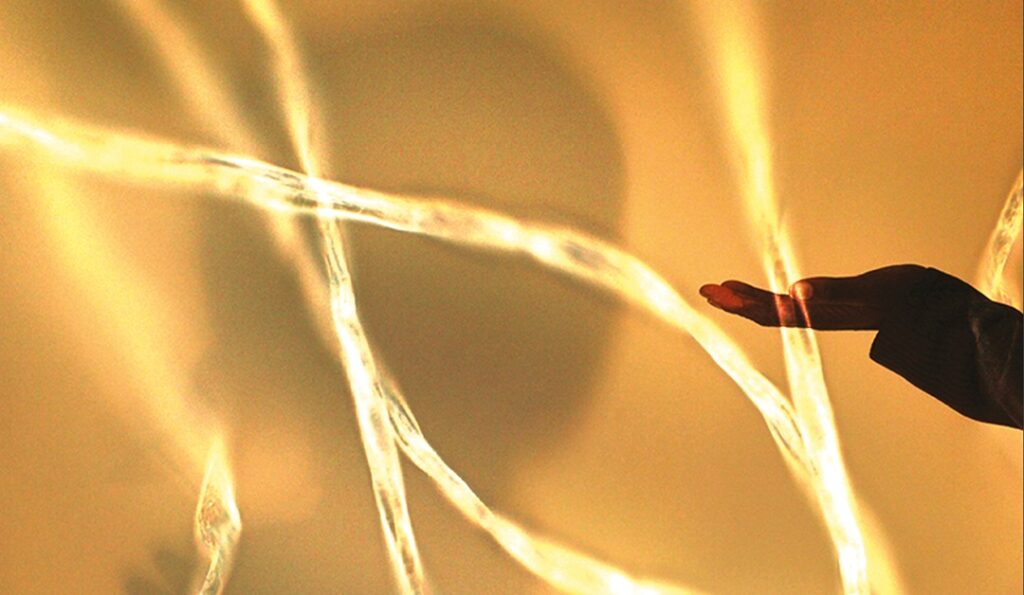
A hand silhouetted against a golden background with wavy illuminated lines. Cover image: Deborah Padfield with Linda Williams,, 'Untitled' from the series FaceFace, 2008-13. ©Deborah Padfield

Have you downloaded Encountering Pain? Would you be happy to take part in a short survey about the impact of this work? If so, we’re looking for your help!

Since its publication, Encountering Pain has sparked new conversations about the lived experience of pain, drawing on perspectives from the arts, humanities, and social sciences. As an open access title from UCL Press, it has reached a wide and diverse audience. Now, we are looking to understand how it is being used and what kind of impact it may be having beyond academic settings.

If you have engaged with the book in any way, please consider sharing your experience. The Faculty of Arts and Humanities at UCL is collecting feedback to help demonstrate the broader influence of this research.

👉 Submit your details using this short form

Your contact information will be stored securely and used only for this purpose. A member of the Research Development team may follow up with you to learn more.

Why This Matters

In the UK, the Research Excellence Framework (REF) assesses how academic research makes a difference outside universities. This includes benefits to society, culture, public policy, health, education, and more. To show this kind of impact, researchers need real-world examples and stories from readers like you.

Whether you have used Encountering Pain in your teaching, professional work, creative projects, or personal life, your insights are important. Impact can take many forms, from raising awareness and changing perspectives to influencing practice or policy, and your contribution can help show how academic research can make a real difference in the world.

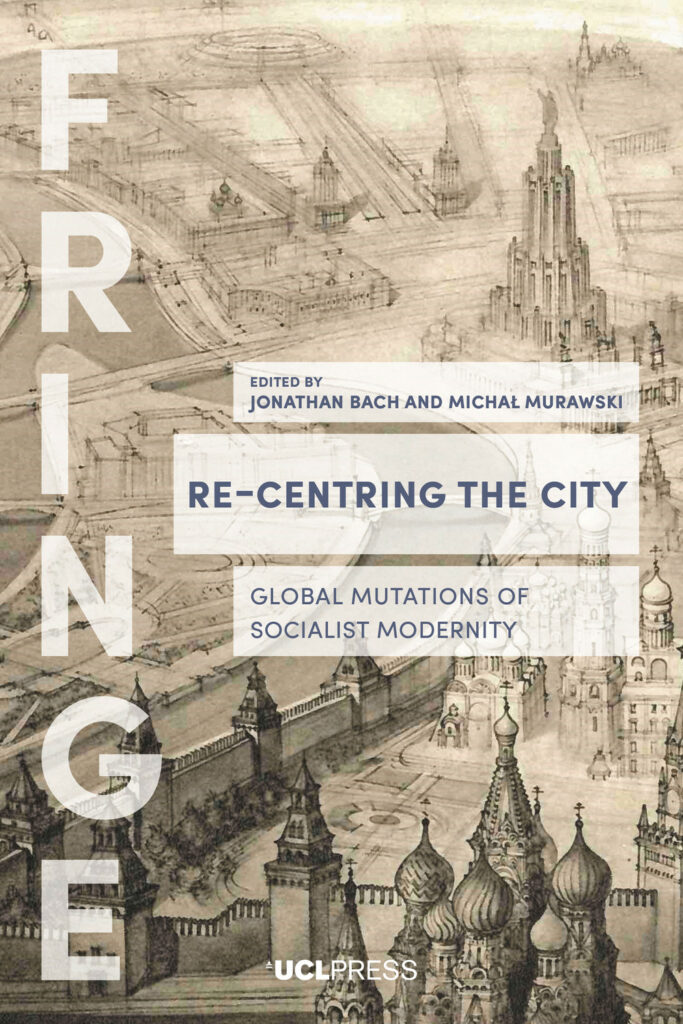
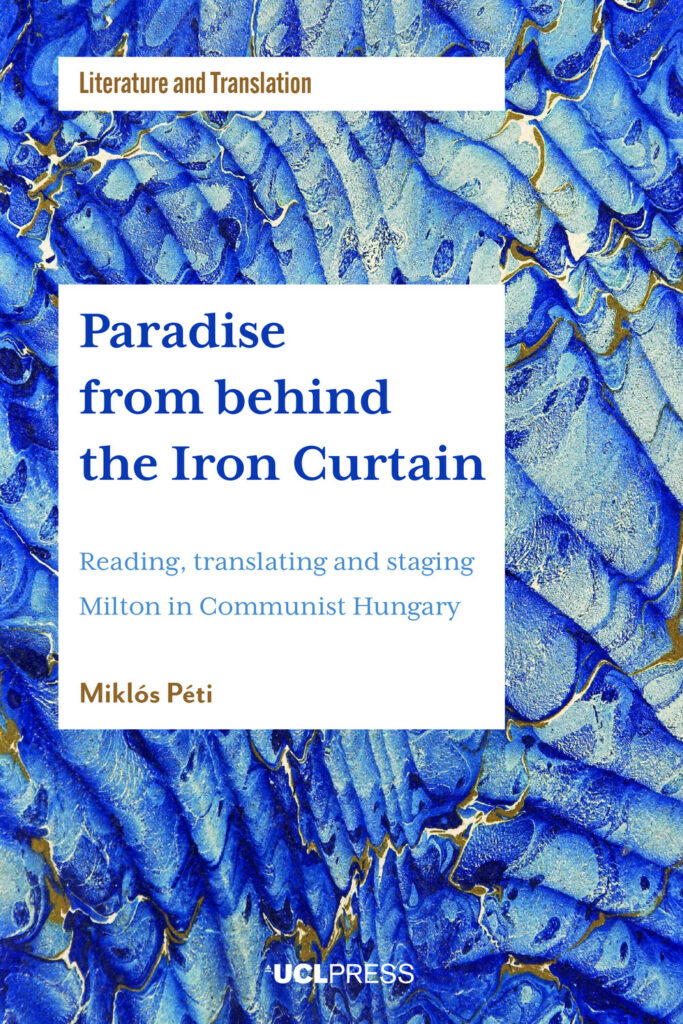
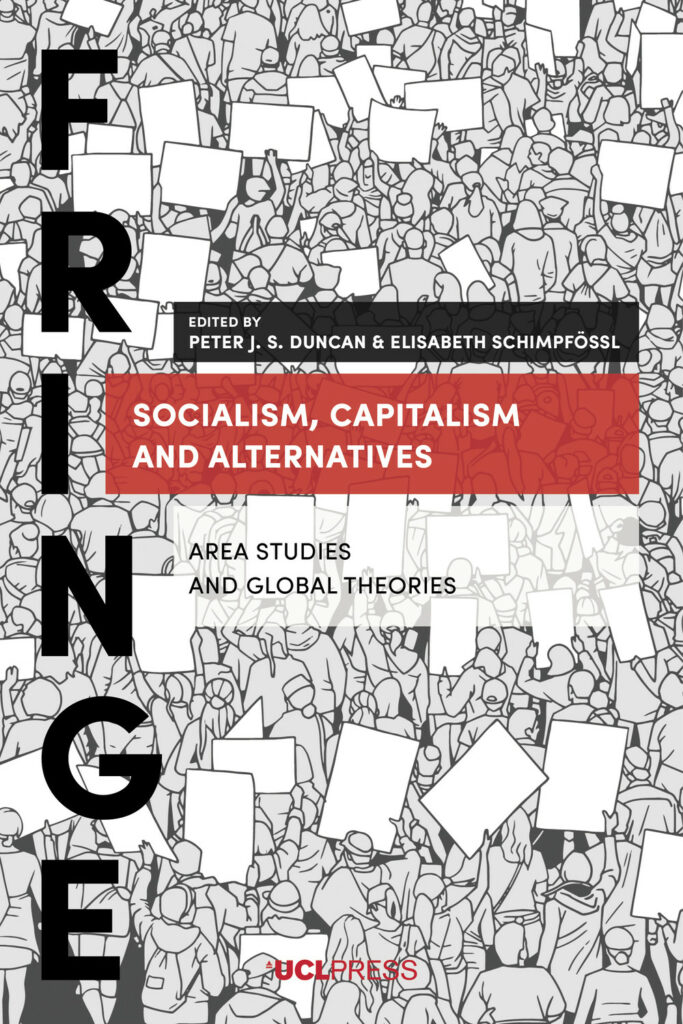
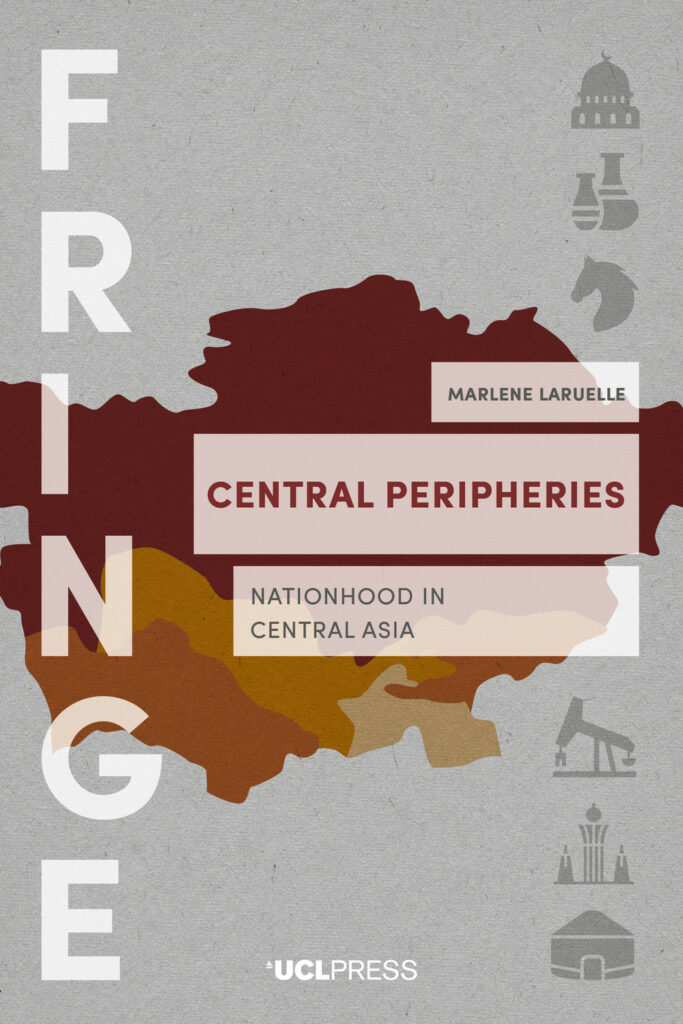
ICCEES 2025 World Congress reading list

UCL SSEES winding staircase.

To mark the ICCEES 2025 World Congress at UCL in London this week, we’ve put together a reading list of essential open access books from UCL Press.

If you’re attending, Dr Chris Penfold, our commissioning editor, will be there to talk you through our extensive list of titles, and answer questions about how to publish your next open access book with UCL Press.

Join the UCL Press mailing list to find out more about the latest open access titles, or visit our stand!

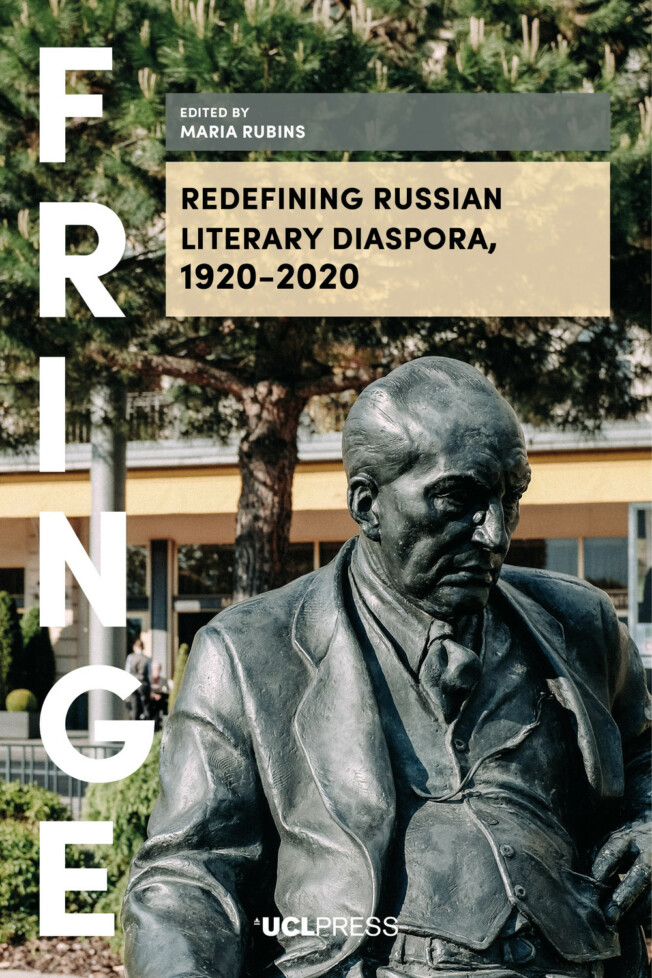
Cover of Redefining Russian Literary Diaspora, 1920-2020

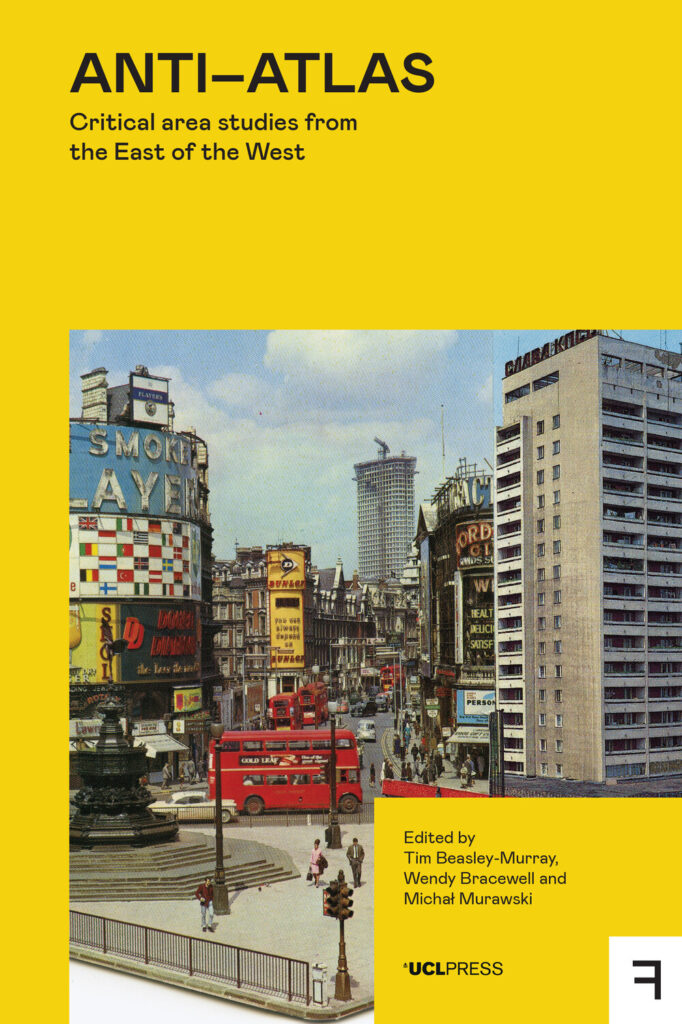
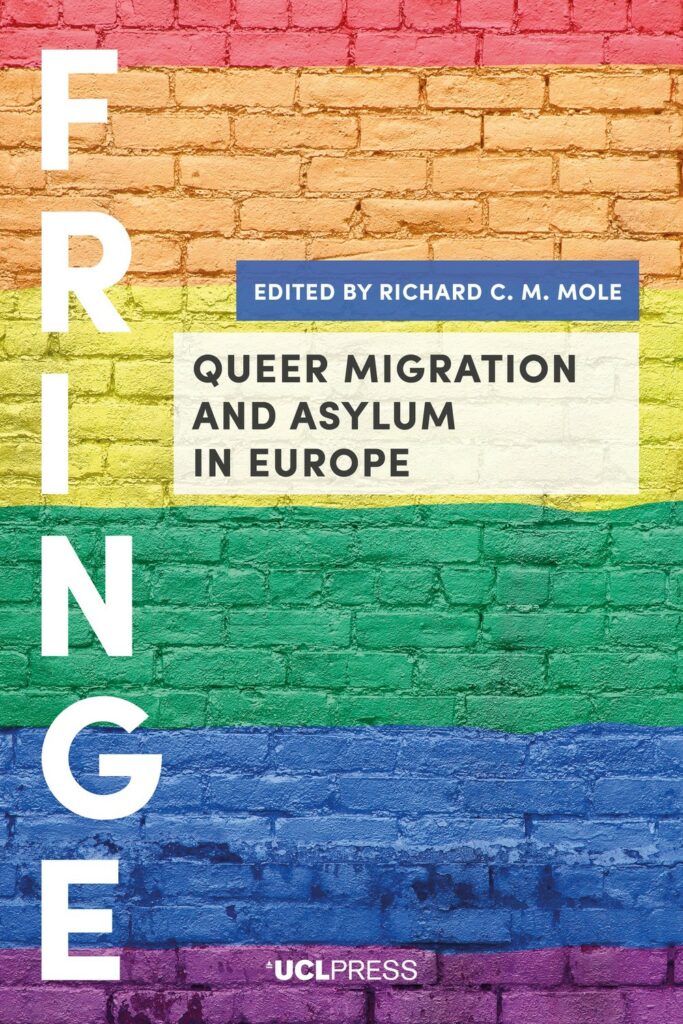
Book Launch: Anti-Atlas: Critical Area Studies from the East of the West

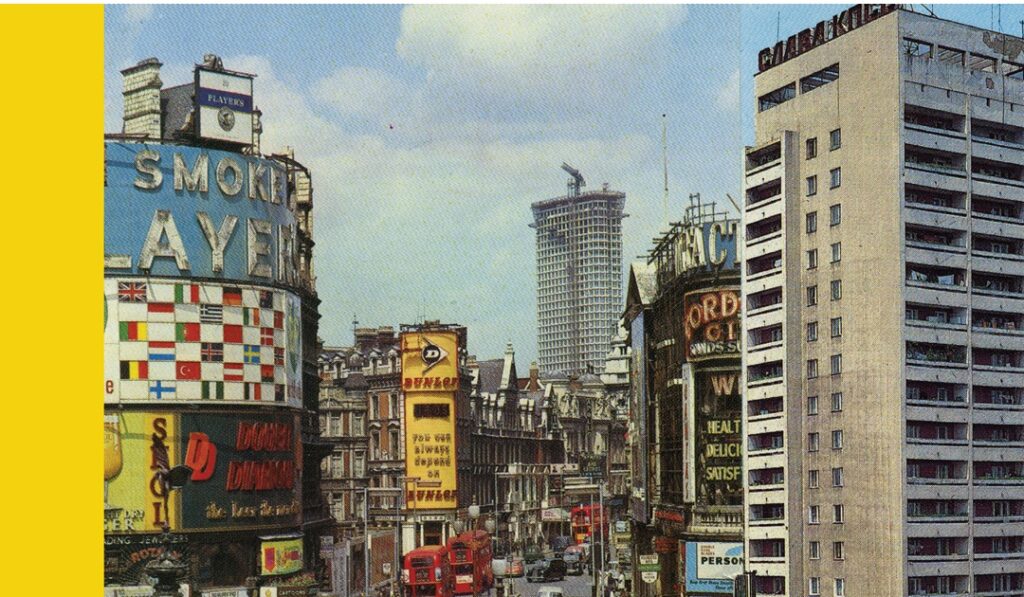
City street with double-decker buses, tall buildings with ads, and a high-rise tower in the background. This image is used on the cover of Anti-Atlas

Join the authors and editors of Anti-Atlas for a lively discussion on the future of Area Studies in a rapidly shifting global landscape.

Date: Tuesday 22 July 2025
Time: 17:30–19:00 BST
Location: The Moot Court, Bentham House, UCL Laws, 4–8 Endsleigh Gardens, London WC1H 0EG
Hosted by: PPV (FRINGE Centre UCL/SSEES; UCL European Institute) and the Tbilisi Architecture Biennale

Admission is free but registration is required.
👉 https://www.eventbrite.com/e/area-studies-on-trial-tickets-1489197512849

About the book

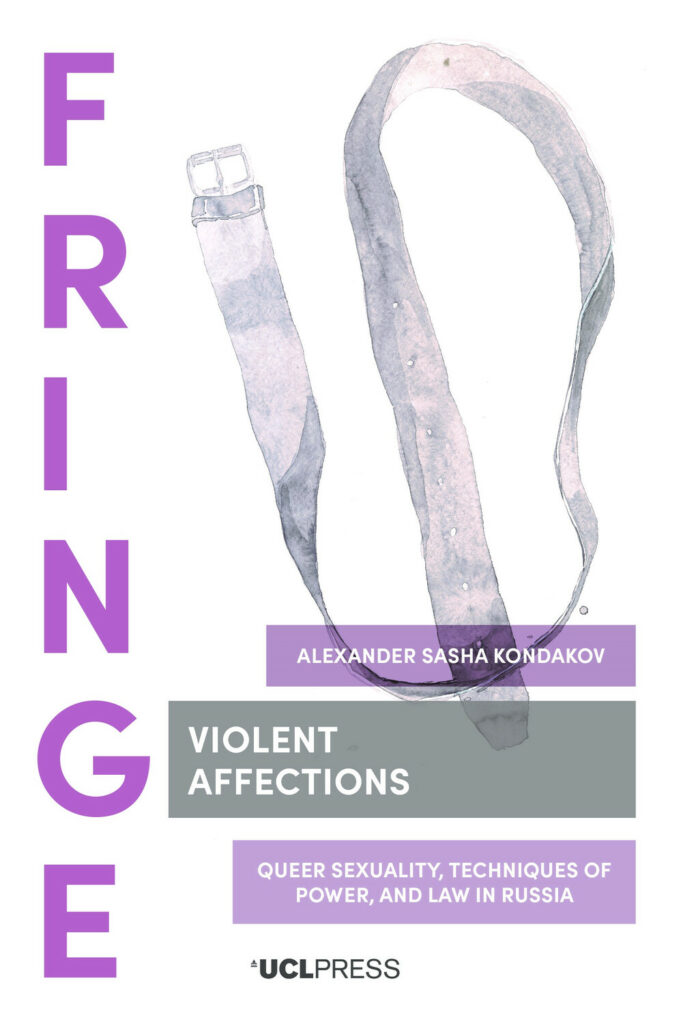
The full-scale Russian invasion of Ukraine has brought renewed urgency to questions about how we understand and study regions of the world. Anti-Atlas responds to this moment by challenging the conventions of the traditional atlas, including its assumptions about knowledge, power and spatial hierarchy.

Bringing together an eclectic mix of authors from Eastern and Western Europe, the UK and North America, the volume explores how Area Studies can be reimagined through heterodox, vernacular, undisciplined and collaborative approaches. The book includes a wide range of genres, from scholarly essays and travel guides to autobiographical reflections and data visualisations, each offering a different lens on what it means to think critically about place.

Anti-Atlas is an imaginative, brave attempt to reframe area studies, simultaneously rebuilding ‘our images and cartographies of the world’… an essential antidote to knowledge produced in the service of empires, past or present.
— Aida A. Hozić, University of Florida

Event details

This event is open to all and will be of particular interest to those working in Area Studies, critical geography, postcolonial theory and interdisciplinary research. It will take place in person at UCL Bentham House.

Admission is free but registration is required.
👉 https://www.eventbrite.com/e/area-studies-on-trial-tickets-1489197512849

UCL Press to publish Current Legal Problems

The statue at the top of the Central Criminal Court (known as the Old Bailey) in London. The dome is topped by a bronze statue of Justice by sculptor F.W. Pomeroy.

UCL Press is proud to announce that, from 2026, it will ​be the publisher for Current Legal Problems in collaboration with UCL Faculty of Laws. 

Established in 1948, Current Legal Problems is one of the UK’s most prestigious legal publications, offering peer-reviewed contributions from leading scholars across the spectrum of legal thought.  The published work is developed from an invited public lecture held by the Faculty, an opportunity that is increasingly rare for scholars to set out their work in an accessible forum before academic peers, practitioners and the general public. 

Commissioning Editor Pat Gordon-Smith said, ‘UCL Press is delighted to be taking on this prestigious work. From 2026, we will make Current Legal Problems available in open access for the first time, publishing it as a yearbook, with individual contributions and the whole volume all downloadable free of charge from the moment of publication.’

The timing of this transition is particularly auspicious, aligning with UCL’s bicentennial celebrations in 2026. Welcoming Current Legal Problems into the UCL Press portfolio underscores the enduring contribution of UCL Faculty of Laws to legal scholarship, and our shared commitment to excellence, equity and innovation.

10 Years of UCL Press: A Student Perspective

Black-framed eyeglasses on top of photographs and papers with a blurred background.

As our 10th anniversary celebrations come to a close, we asked Sonja Astrakhan, a student at UCL School of Slavonic and East European Studies (SSEES) to share her perspective on the Press as a student.

The UCL Press, the UK’s first fully open-access university press, is celebrating its 10th anniversary this month. Throughout the last decade, it has published almost 400 scholarly monographs and developed a series of 15 journals. The Press represents an ambitious commitment to rigorous scholarship, unconstrained by financial considerations. Each individual publication is editorially independent and free to publish in and to read.

For a student, the Press presents an opportunity to survey the research done in the UCL and the wider academic community. While researching the Press, I was delighted to discover that several of my professors were regular contributors. The School of Slavonic and East European Studies, my alma mater – or as we jokingly call it amongst friends, the mothership – is home to the FRINGE Center, an interdisciplinary research hub focused on complexity and ambiguity. Incidentally, its contributors, including Dr. Murawski and Prof. Ledeneva, have excellent independent books and co-publications with the UCL Press. Having had the pleasure of attending their classes, it is warming to see their work celebrated by the university, not just in acknowledging teaching but also research through publishing opportunities.

Besides recognizing familiar staff names, the UCL Press also provides direct opportunities for student scholarship. Alongside the 15 professional academic journals, the Press is also home to 9 student journals on a wide range of subjects. These include Interscript, the journal of publishing, Bioscience Horizons, and Slovo, also SSEES-affiliated. As with all Press resources, the student journals are free to read and publish in; like any rigorous publication, they undergo a peer review process handled by the appropriate faculty. For students considering a career in academia, the opportunity to publish free of charge in respectable journals without the intense competition of ‘Big Name’ journals is indispensable for building a portfolio and bolstering confidence. However, even for those who are not considering academia, publishing in a student journal can be a rewarding experience. It provides the opportunity to delve deeper into a subject that can be curtailed by the pressure of deadlines and tight wordcounts, and demonstrates ambition and intellectual curiosity. Besides career considerations, student journals stand for the primary mission of university: exchanging information. Hopefully, the next decade of the UCL Press will see an expansion of student publications.

Beyond facing the difficulties of publishing, students will also be aware of the obscene costs sometimes accrued when trying to access a journal UCL does not subscribe to. The modern academic publishing industry is a behemoth. In 2020, the “Big Five” — Elsevier, Wiley, Taylor & Francis, Springer Nature, and SAGE — accumulated around 19 billion dollars in revenue. Behind these numbers is a system of academic publishing practices that are increasingly turning publishing into a competitive sport and making it financially inaccessible, subverting the egalitarian purpose of academic research: providing information about the world we live in. The capture of the academic publishing market blocks access to high-quality research with steep paywalls and may have implications for the kind of research that is being done. A scandal in the behavioral sciences a few years ago suggested that well-respected academics may have been tinkering with their results to produce more “publishable” papers – that is, those which produce surprising or marketable results. Freakonomics reported on the story, concluding that the profit incentive in academia may be a significant driver of subpar research.

Within this context, the UCL Press deserves all the more praise. The university’s active steps to platform meaningful, rigorous research and commit to the free exchange of knowledge should serve as an example for institutions nationwide. Instead of relying on subscription payments or publishing fees, the Press is financed through profits made on physical book sales, grants, and other indirect charges. It is a relief as a graduating student to have access to an open-source academic resource beyond the complimentary journals provided by UCL to alumni. More importantly, it is heartening to see that our institution’s stated commitment to a “diverse intellectual community” surfaces not only in mission statements but in action. I am proud to have studied at a university that is making academia more accessible, and am excited to follow the Press’ future publications.


About the Author

Sonja Astrakhan is a student at UCL School of Slavonic and East European Studies (SSEES)

On Boredom

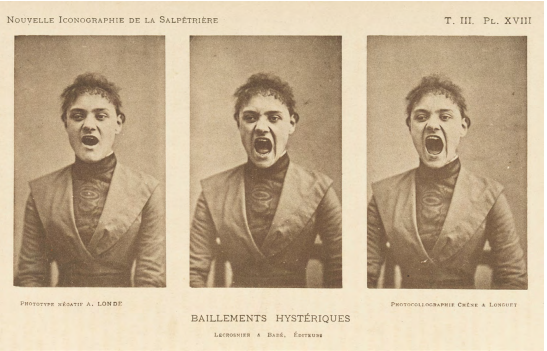
Baillements hystériques, plate XVIII. Three photos in a series showing a hysterical woman yawning.

The Oxford English Dictionary defines boredom, tautologically, as ‘the state of being bored’, and provides us with two synonyms, perhaps by way of compensation: ‘tedium’ and ‘ennui’. The entry states that the first uses of the word ‘boredom’ in literature are found in Charles Dickens’s Bleak House (1852–3). The aptly named Lady Dedlock suffers from the ‘chronic malady of boredom’ because she is stuck in a marriage of convenience. Meanwhile, another character called Volumnia is described as someone ‘who cannot long continue silent without imminent peril of seizure by the dragon Boredom, [and who] soon indicates the approach of that monster with a series of undisguisable yawns’. Boredom, for the Dickens of Bleak House at least, seems to be a female malady, one that is by turn chronic, monstrous and spasmodic, a deadly sickness. Lady Dedlock was ‘bored to death’, he writes.1

That the OED’s lexicographers could find no better way of describing boredom than by resorting to tautology shows just how difficult the condition is to define. The word names the experience of a kind of deadlock, one that can be so obdurate and self-referential that the best way of accounting for it may be in its own terms: boredom means being bored. Failing this, one might resort to the use of synonyms – ‘tedium’, ‘ennui’, but also ‘monotony’, ‘dullness’, ‘dreariness’, ‘weariness’, ‘inertia’, ‘apathy’ and so on – knowing that none of these words means the same thing. The attempt to define boredom precisely may be a hopeless task. Yet it is at least arguable that this resistance to definition, and indeed this hopelessness, resonate in some ways with the experience of boredom, and so provide a true enough description of it. We are bored when we lose interest. The world then feels unavailable or withdrawn, refuses to mean anything other than itself, and appears to prevent us from relating to it in a creative or meaningful way. Described in this manner, boredom starts to sound like depression, even melancholia, though the condition is probably more mundane than either.

Much has changed since Dickens used the word, and it is often held that boredom, understood as a by-product of industrial capitalism, describes a structure of feeling that characterised Britain and Europe in the nineteenth and early twentieth centuries, not what is now variously called postmodernity, late capitalism or the contemporary. Flaubert was bored, Emma Bovary was bored, Manet’s Olympia was bored, Lady Dedlock was bored, Volumnia was bored, the bourgeoisie was bored, Heidegger, Kierkegaard and Schopenhauer were bored, Nietzsche even thought that, after the seventh day of creation, God was bored, but we today are not bored. We are distracted, unable to maintain our attention for any considerable length of time, and this, it is claimed, prevents us from developing genuine and profound interests and from experiencing life authentically. This attention deficit, itself one of the most prevalent diagnoses in mental health today, especially of children, may also make us vulnerable to manipulation and exploitation. Our perception of the world is so fragmented and overloaded by new technologies that we risk losing our critical faculties altogether, even, according to one critic, our capacity for sleep.2 Meanwhile, hundreds of books are published each year that show us how to focus our minds, how to respond with greater ease to the proliferation of information in what has been called ‘the age of distraction’.3 The implication is that the ‘age of boredom’,4 as Flaubert described it, has now passed. The principal culprits are thought to be the culture industries and, more recently, the internet, together with the digital technologies that allow us to access it. Under such conditions, it would seem that the time needed to be bored is no longer available. We may now even feel nostalgic for those times in our lives when we were bored: in childhood, say, when time seemed to slow down, sometimes painfully so. The danger in this form of retrospection, of course, is that boredom is idealised or romanticised. ‘Boredom is the dream bird that hatches the egg of experience,’ wrote Walter Benjamin. ‘A rustling in the leaves drives him away.’5 Boredom may at times be a dream bird, the ground of creativity, and so quite unlike Dickens’s dragon or monster. Yet it should not be forgotten that, if the rustle of leaves distracts us from what may be the deeper and more fundamental experience of boredom, and if distraction, once a remedy or palliative, has since become its own sickness, then boredom nonetheless remains an experience that we spend much of our lives trying to avoid, and for good reason. Being bored is a little like being dead – in a minor key. ‘Concert, assembly, opera, theatre, drive, nothing is new to my Lady under the worn-out heavens,’ writes Dickens of Lady Dedlock.

On Boredom addresses boredom in its manifold and uncertain reality, and asks what might be at stake in thinking about the affect today. One of the basic questions the writing and art included in this volume pose is whether there is a creative or critical potential to boredom or whether it is in fact as deadening an experience as it is often held to be. ‘All boredom is counter revolutionary,’ cried the Situationists in the 1960s. Perhaps that is so. But perpetual revolution can itself become boring, permanent change can feel like sameness, and what is striking is how boredom, itself an ordinary, everyday experience, can become the site of some of our most extreme fantasies and projections: of revolution, counter-revolution, sickness, deadness, creativity, dream birds, dragons and monsters. Why might this be so? Is boredom really such a Pandora’s box? Or do these fantasies betray just how anxious we are at the possibility of confronting our own boredom, with the risk that we might encounter a meaningless kernel at the very heart of what we call life?


About the Authors

This is an excerpt from the open access book On Boredom, edited by Susan Morris and Rye Dag Holmboe (UCL Press).

Susan Morris is an artist interested in the relation between automatic drawing, writing and photography. She uses various media including chalk on paper, inkjet printing and Jacquard tapestry. Works are often generated directly from recordings of data such as her sleep/wake patterns (using a scientific-medical device called an Actiwatch) or her unconscious bodily movements as recorded in a motion capture studio. Recent essay writing includes ‘Drawing in the Dark’ for Tate Papers No. 18, 2012, and ‘A Day’s Work’, catalogue essay for the exhibition for A Day’s Work that Morris curated for SKK, Soest, Germany, 2019.

Rye Dag Holmboe is Leverhulme Early Career Fellow at UEA, where his research examines the relationship between creative process and psychoanalysis. He completed his PhD at UCL in 2015 where he was an AHRC Doctoral Scholar. Holmboe has published books on contemporary artists as well as articles on art, literature and theory. His book on Sol LeWitt will be published by MIT Press in 2021 and he is currently writing a monograph on Howard Hodgkin, which is supported by the Howard Hodgkin Legacy Trust. He is also in the third year of training at the British Psychoanalytic Association.
UCL Press announces 20 millionth open access download

UCL Press announced that it had reached its 20 millionth open access download at a special event to celebrate the 10th anniversary of its first publications.  

UCL Press’s pioneering publishing programme spans many of the major academic disciplines, from history to philosophy and the sciences to anthropology. The Press has published more than 400 books that have been downloaded more than 11.7 million times, whilst its 15 journals have attracted more than 8.8 million downloads. 

Its publications – which feature monographs, edited collections, academic journals and textbooks – have reached readers in 242 countries and territories worldwide, providing access to vital academic research to readers in the Global South and beyond. More than 280 of its books have been downloaded in more than 100 countries and territories; 7 of these have been accessed in more than 200 countries/territories worldwide. 

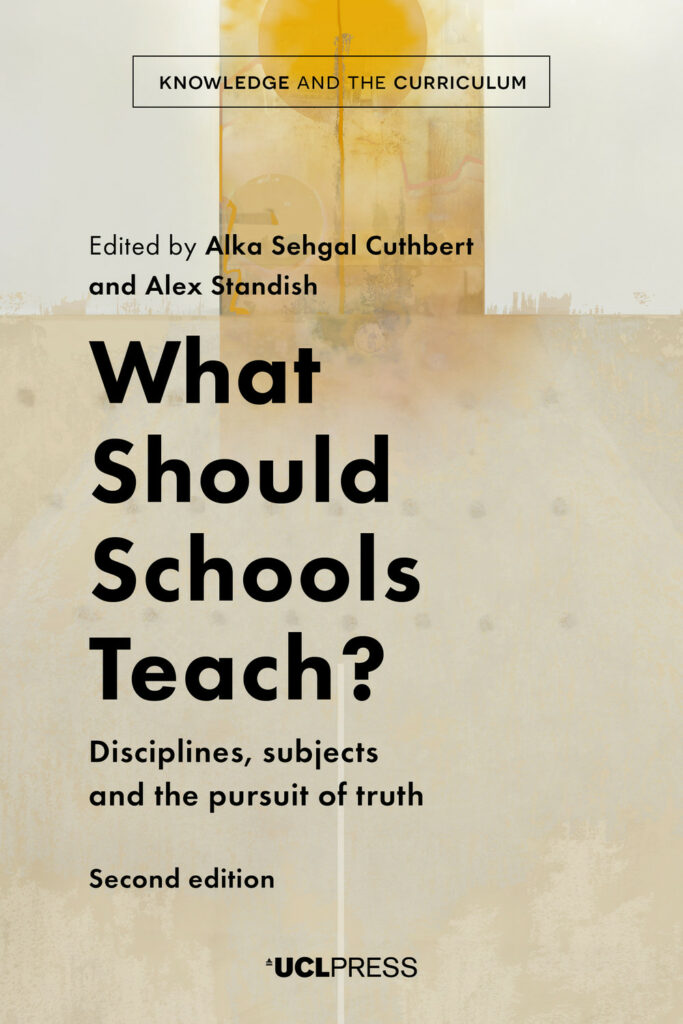
The 20 millionth download was Structural Injustice and the Law, edited by Professor Virginia Mantouvalou (Professor of Human Rights and Labour Law, UCL) and Professor Jonathan Wolff (Alfred Landecker Professor of Values and Public Policy, Blavatnik School of Government, Oxford University). 

The most downloaded open access book in the UCL Press list continues to be How the World Changed Social Media by UCL Professor of Anthropology Daniel Miller and a collective of eight other global anthropologists. The first book in the hugely popular 11-book Why We Post series, it has been downloaded nearly 945,000 times since it was published by UCL Press in early 2016, and has been translated into a variety of languages, including Hindi, Tamil, Portuguese and Italian.  
The most downloaded journal is London Review of Education, an open access journal publishing rigorous, theoretically based research into contemporary global education, which has seen nearly 2million downloads of its articles since it transferred to UCL Press in 2020.  Also notable is the flagship interdisciplinary journal UCL Open Environment, which utilises an open peer review model. The journal has amassed nearly 435,000 downloads of its published articles, and more than 435,000 of its preprints.  
More recently, UCL Press has also established an open access textbooks programme to provide free, high-quality digital textbooks for students, which have been adopted by university courses across the world, including UK, Panama, Canada, Sweden, USA, Germany and South Korea. 

Marking the occasion, Dr Paul Ayris, Pro-Vice-Provost (Library, Culture, Collections & Open Science) and Chief Executive of UCL Press, said:  

‘In an environment where scholarly books typically sell around 200 copies worldwide over their lifetime, open access publishing clearly demonstrates significantly higher global demand for scholarly publications when they are made freely available online, ensuring that high-quality research outputs reach their full potential audience and that important research is made available to policy makers and to those for whom content can otherwise be unaffordable or inaccessible. This delivers UCL’s clear mission to act for the long-term benefit of humanity, as outlined in its 2034 strategy.’ 

If you are interested in publishing your book, journal or journal article with UCL Press, please visit ‘Publish with Us’ on: www.uclpress.co.uk  

Sign up to our newsletter

Don't miss out!
Subscribe to the UCL Press newsletter for the latest open access books,
journal CfPs, news and views from our authors and much more!