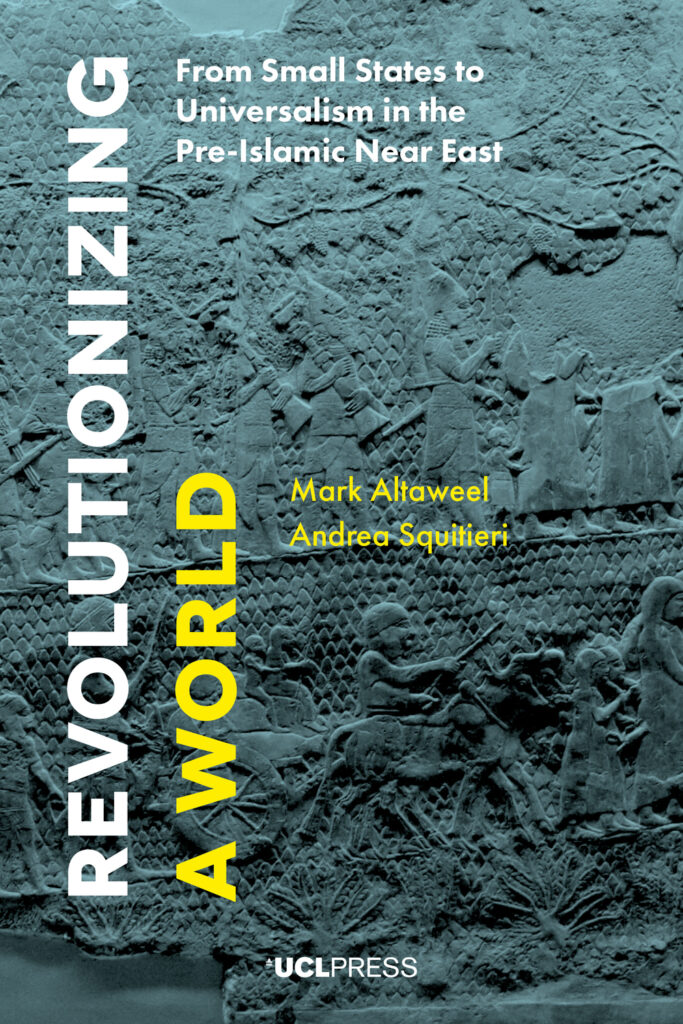
Revolutionizing a World

This book investigates the long-term continuity of large-scale states and empires, and its effect on the Near East’s social fabric, including the fundamental changes that occurred to major social institutions. Its geographical coverage spans, from east to west, modern-day Libya and Egypt to Central Asia, and from north to south, Anatolia to southern Arabia, incorporating modern-day Oman and Yemen. Its temporal coverage spans from the late eighth century BCE to the seventh century CE during the rise of Islam and collapse of the Sasanian Empire.

The authors argue that the persistence of large states and empires starting in the eighth/seventh centuries BCE, which continued for many centuries, led to new socio-political structures and institutions emerging in the Near East. The primary processes that enabled this emergence were large-scale and long-distance movements, or population migrations. These patterns of social developments are analysed under different aspects: settlement patterns, urban structure, material culture, trade, governance, language spread and religion, all pointing at movement as the main catalyst for social change. This book’s argument is framed within a larger theoretical framework termed as ‘universalism’, a theory that explains many of the social transformations that happened to societies in the Near East, starting from the Neo-Assyrian period and continuing for centuries.
Rethinking the Andes–Amazonia Divide

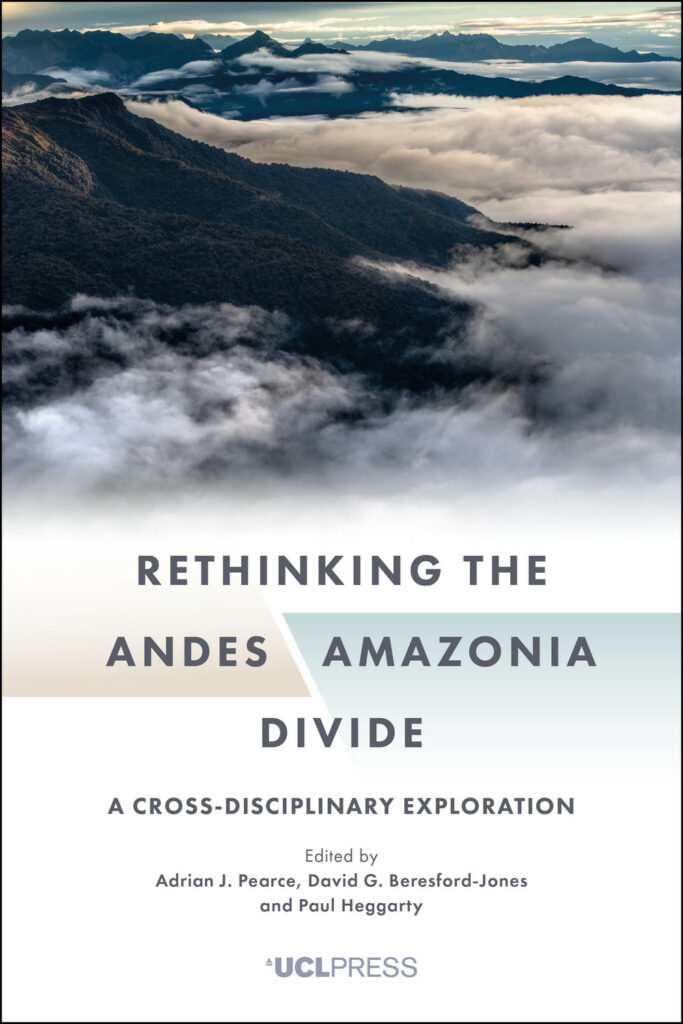
Nowhere on Earth is there an ecological transformation so swift and so extreme as between the snow-line of the high Andes and the tropical rainforest of Amazonia. The different disciplines that research the human past in South America have long tended to treat these two great subzones of the continent as self-contained enough to be taken independently of each other. Objections have repeatedly been raised, however, to warn against imagining too sharp a divide between the people and societies of the Andes and Amazonia, when there are also clear indications of significant connections and transitions between them.

Rethinking the Andes–Amazonia Divide brings together archaeologists, linguists, geneticists, anthropologists, ethnohistorians and historians to explore both correlations and contrasts in how the various disciplines see the relationship between the Andes and Amazonia, from deepest prehistory up to the European colonial period. The volume emerges from an innovative programme of conferences and symposia conceived explicitly to foster awareness, discussion and co-operation across the divides between disciplines. Underway since 2008, this programme has already yielded major publications on the Andean past, including History and Language in the Andes (2011) and Archaeology and Language in the Andes (2012).

Restaging the Past

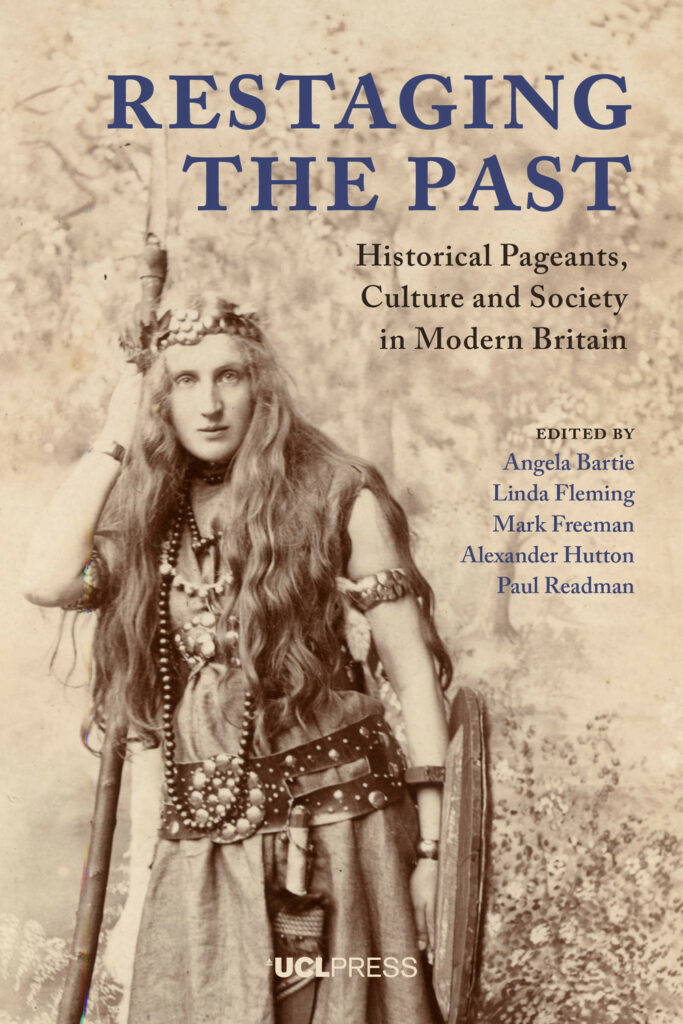
Restaging the Past is the first edited collection devoted to the study of historical pageants in Britain, ranging from their Edwardian origins to the present day.

Across Britain in the twentieth century, people succumbed to ‘pageant fever’. Thousands dressed up in historical costumes and performed scenes from the history of the places where they lived, and hundreds of thousands more watched them. These pageants were one of the most significant aspects of popular engagement with the past between the 1900s and the 1970s: they took place in large cities, small towns and tiny villages, and engaged a whole range of different organised groups, including Women’s Institutes, political parties, schools, churches and youth organisations.

Pageants were community events, bringing large numbers of people together in a shared celebration and performance of the past; they also involved many prominent novelists, professional historians and other writers, as well as featuring repeatedly in popular and highbrow literature. Although the pageant tradition has largely died out, it deserves to be acknowledged as a key aspect of community history during a period of great social and political change. Indeed, as this book shows, some traces of ‘pageant fever’ remain in evidence today.

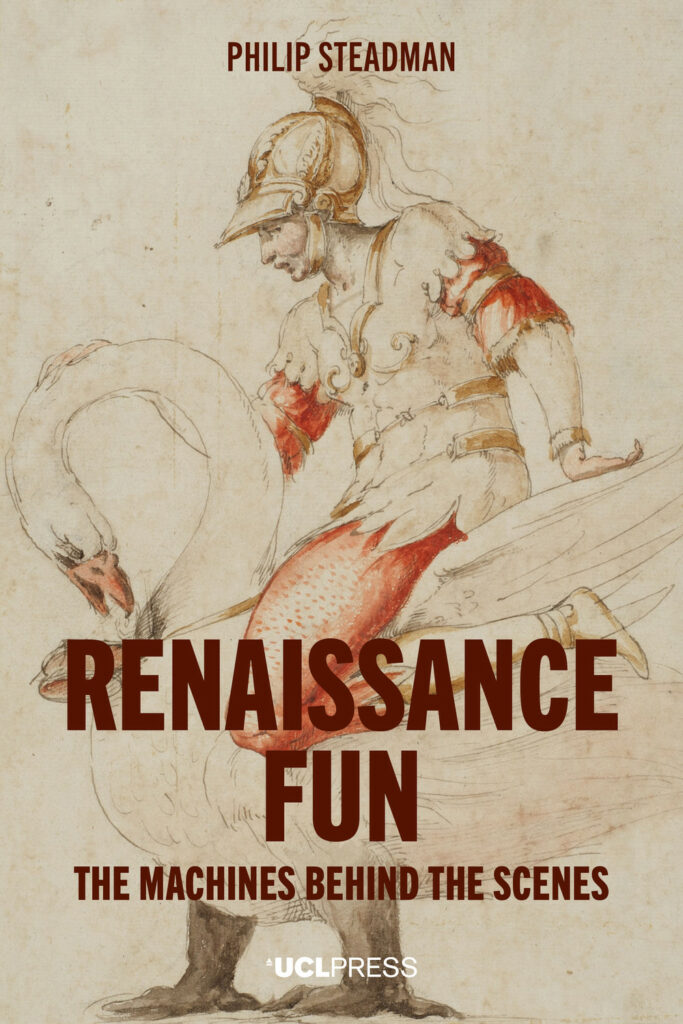
Renaissance Fun

Renaissance Fun is about the technology of Renaissance entertainments in stage machinery and theatrical special effects; in gardens and fountains; and in the automata and self-playing musical instruments that were installed in garden grottoes.

How did the machines behind these shows work? How exactly were chariots filled with singers let down onto the stage? How were flaming dragons made to fly across the sky? How were seas created on stage? How did mechanical birds imitate real birdsong? What was ‘artificial music’, three centuries before Edison and the phonograph? How could pipe organs be driven and made to play themselves by waterpower alone? And who were the architects, engineers, and craftsmen who created these wonders? All these questions are answered. At the end of the book we visit the lost ‘garden of marvels’ at Pratolino with its many grottoes, automata and water jokes; and we attend the performance of Mercury and Mars in Parma in 1628, with its spectacular stage effects and its music by Claudio Monteverdi – one of the places where opera was born.

Renaissance Fun is offered as an entertainment in itself. But behind the show is a more serious scholarly argument, centred on the enormous influence of two ancient writers on these subjects, Vitruvius and Hero. Vitruvius’s Ten Books on Architecture were widely studied by Renaissance theatre designers. Hero of Alexandria wrote the Pneumatics, a collection of designs for surprising and entertaining devices that were the models for sixteenth and seventeenth century automata. A second book by Hero On Automata-Making – much less well known, then and now – describes two miniature theatres that presented plays without human intervention. One of these, it is argued, provided the model for the type of proscenium theatre introduced from the mid-sixteenth century, the generic design which is still built today. As the influence of Vitruvius waned, the influence of Hero grew.

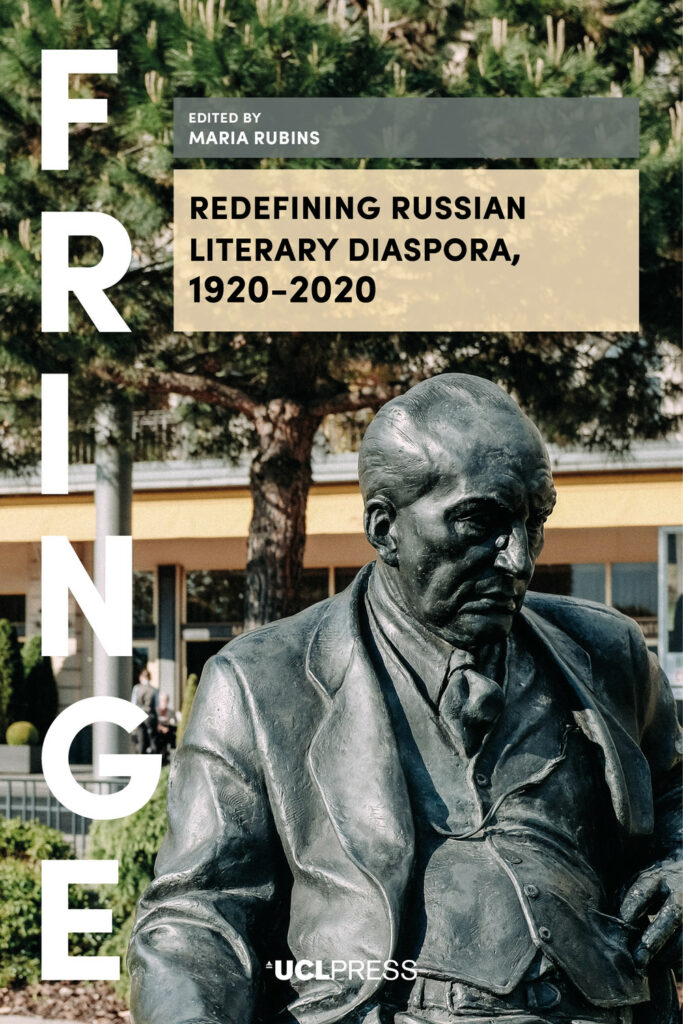
Redefining Russian Literary Diaspora, 1920-2020

Over the century that has passed since the start of the massive post-revolutionary exodus, Russian literature has thrived in multiple locations around the globe. What happens to cultural vocabularies, politics of identity, literary canon and language when writers transcend the metropolitan and national boundaries and begin to negotiate new experience gained in the process of migration?

Redefining Russian Literary Diaspora, 1920-2020 sets a new agenda for the study of Russian diaspora writing, countering its conventional reception as a subsidiary branch of national literature and reorienting the field from an excessive emphasis on the homeland and origins to an analysis of transnational circulations that shape extraterritorial cultural practices. Integrating a variety of conceptual perspectives, ranging from diaspora and postcolonial studies to the theories of translation and self-translation, World Literature and evolutionary literary criticism, the contributors argue for a distinct nature of diasporic literary expression predicated on hybridity, ambivalence and a sense of multiple belonging. As the complementary case studies demonstrate, diaspora narratives consistently recode historical memory, contest the mainstream discourses of Russianness, rewrite received cultural tropes and explore topics that have remained marginal or taboo in the homeland. These diverse discussions are framed by a focused examination of diaspora as a methodological perspective and its relevance for the modern human condition.

Paper Trails

Paper Trails brings together a diverse group of people both in its pages and its readership – researchers, practitioners and students – as well as featuring different historical collections (print, object and digital) held in a wide variety of different libraries, museums and archives. Its content is designed to bridge different communities of research and practice. The BOOC format creates a ‘living book’, which is entirely open access and evolves over time, allowing for different formats of pieces to speak in conversation.

The project enables collaboration between sometimes unlikely partners to help break down barriers and to open up the world of historical research. It reveals how the work and methodologies of researchers, academics, education practitioners and students interrelate, providing opportunities for collaborations beyond the usual parameters these fields present.

Paper Trails is organised around four different streams of content, which are:

1. Research Stories: Full-length research articles which encourage a focus on research stories to invite a reflective methodology, offering an inclusive and engaged commentary on the work involved in researching, ordering and preserving the past.

2. Co-production: Outputs from projects in which non-academic, undergraduate and taught postgraduate audiences collaborate with others (collection professions, academics, members of the public, etc.) to create new work that is based on research collections.

3. Collection Profiles: Shorter, descriptive or even narrative pieces that highlight items or collections of interest.

4. Engagement: Reflective pieces that focus on a broad range of engagement activities, from the professional’s perspective. These can be case studies, or ‘think pieces’ on particular skills or techniques.

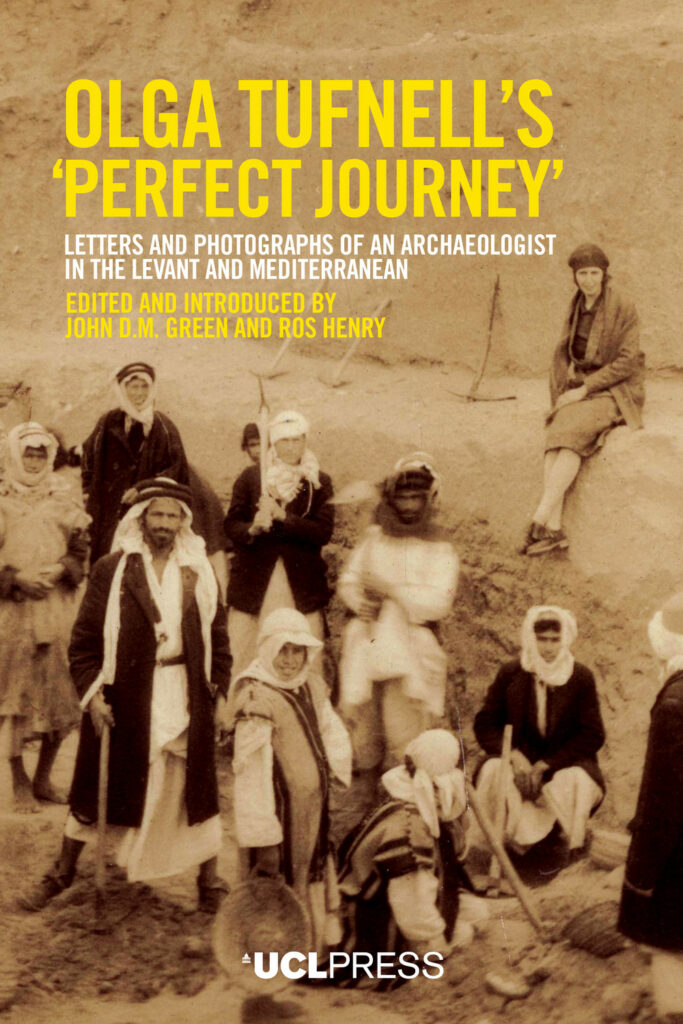
Olga Tufnell’s ‘Perfect Journey’

Olga Tufnell (1905–85) was a British archaeologist working in Egypt, Cyprus and Palestine in the 1920s and 1930s, a period often described as a golden age of archaeological discovery. For the first time, this book presents Olga’s account of her experiences in her own words. Based largely on letters home, the text is accompanied by dozens of photographs that shed light on personal experiences of travel and dig life at this extraordinary time. Introductory material by John D.M. Green and Ros Henry provides the social, historical, biographical and archaeological context for the overall narrative.

The letters offer new insights into the social and professional networks and history of archaeological research, particularly for Palestine under the British Mandate. They provide insights into the role of foreign archaeologists, relationships with local workers and inhabitants, and the colonial framework within which they operated during turbulent times.

This book will be an important resource for those studying the history of archaeology in the Eastern Mediterranean, particularly for the sites of Qau el-Kebir, Tell Fara, Tell el-‘Ajjul and Tell ed-Duweir (ancient Lachish). Moreover, Olga’s lively style makes this a fascinating personal account of archaeology and travel in the interwar era.**

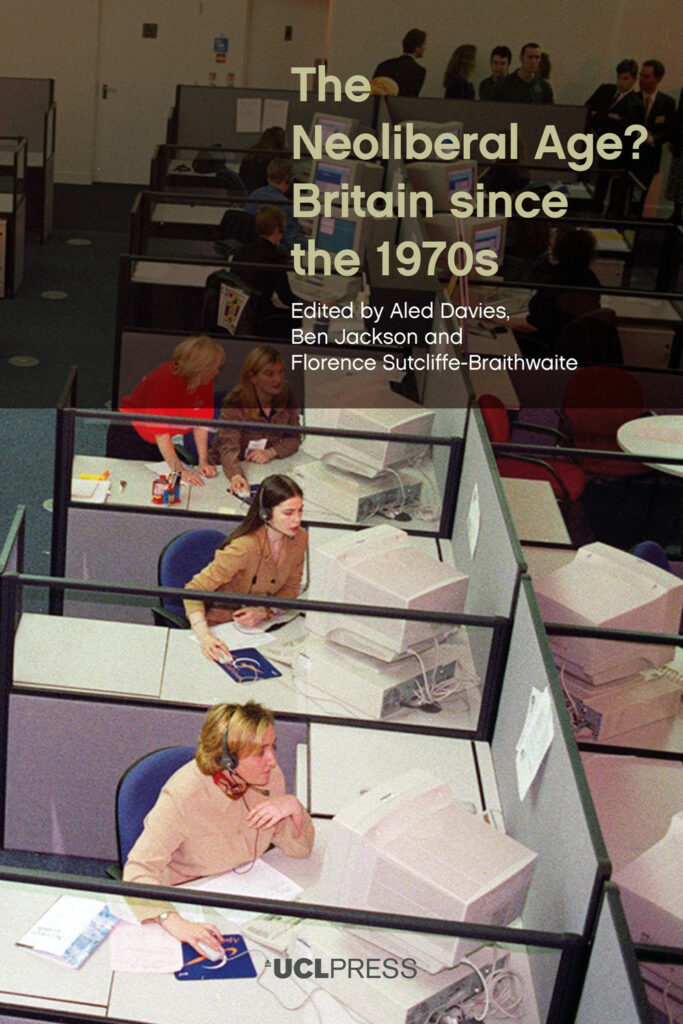
The Neoliberal Age?

The late twentieth and early twenty-first centuries are commonly characterised as an age of ‘neoliberalism’ in which individualism, competition, free markets and privatisation came to dominate Britain’s politics, economy and society. This historical framing has proven highly controversial, within both academia and contemporary political and public debate.

Standard accounts of neoliberalism generally focus on the influence of political ideas in reshaping British politics; according to this narrative, neoliberalism was a right-wing ideology, peddled by political economists, think-tanks and politicians from the 1930s onwards, which finally triumphed in the 1970s and 1980s. The Neoliberal Age? suggests this narrative is too simplistic.

Where the standard story sees neoliberalism as right-wing, this book points to some left-wing origins, too; where the standard story emphasises the agency of think-tanks and politicians, this book shows that other actors from the business world were also highly significant. Where the standard story can suggest that neoliberalism transformed subjectivities and social lives, this book illuminates other forces which helped make Britain more individualistic in the late twentieth century.

The analysis thus takes neoliberalism seriously but also shows that it cannot be the only explanatory framework for understanding contemporary Britain. The book showcases cutting-edge research, making it useful to researchers and students, as well as to those interested in understanding the forces that have shaped our recent past.

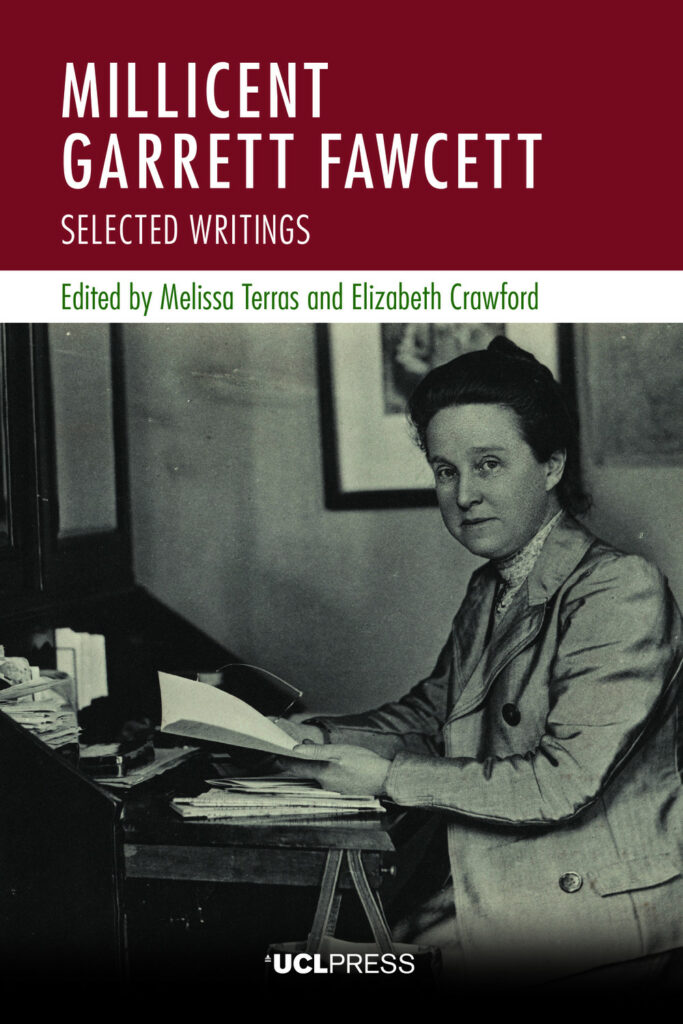
Millicent Garrett Fawcett

‘Courage calls to courage everywhere’ is the best-known phrase associated with Millicent Garrett Fawcett (1847-1929), the leading UK suffragist and campaigner of the late 19th and early 20th centuries. But what is the source of her quote, and what is its context?

This book reproduces Fawcett’s essential speeches, pamphlets and newspaper columns to tell the story of her dynamic contribution to public life. Thirty-five texts and 22 images are contextualised and linked to contemporary news coverage as well as to historical and literary references. These speeches, articles, artworks and photographs cover both the advances and the defeats in the campaign for women’s votes. They also demonstrate a variety of the topics and causes Fawcett pursued: the provision of education for women; feminist history; a love of literature (and Fawcett’s own attempt at fiction); purity and temperance; the campaign against employment of children; the British Army’s approach to the South African War; the Unionist cause against Home Rule for Ireland; and the role of suffrage organisations during World War I. Here is a rich, intertextual web of literary works, preferred reading material, organisations, contacts, friends, and sometimes enemies, that reveals Fawcett the individual throughout 61 years of campaigning. The first scholarly appraisal of Fawcett in over 30 years, this is essential reading for those wishing to understand the varied political, social and cultural contributions of Dame Millicent Garrett Fawcett.

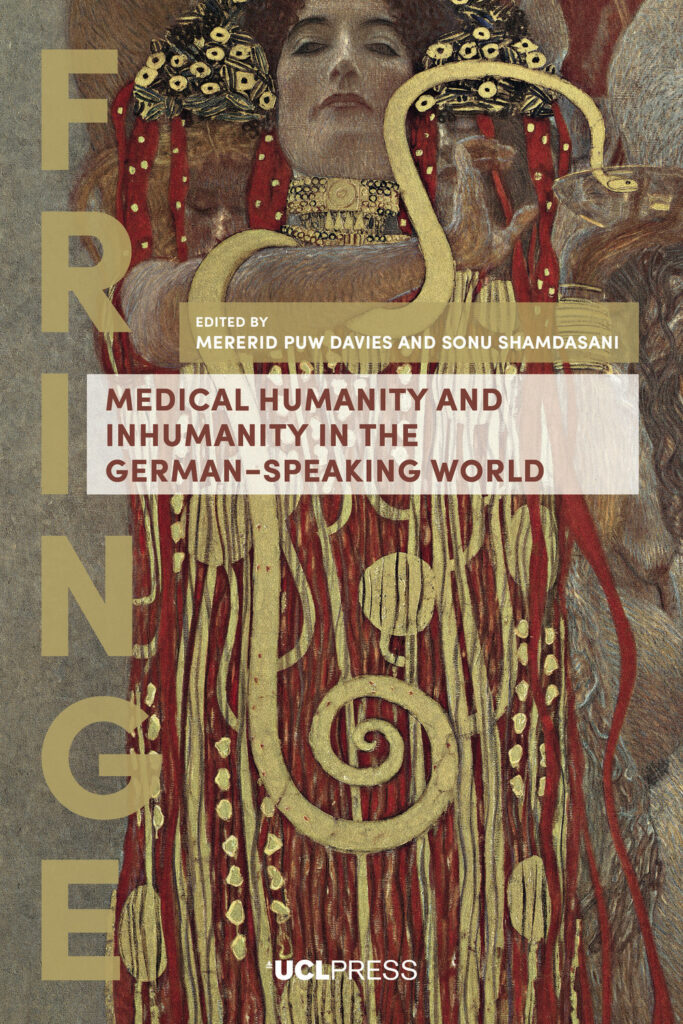
Medical Humanity and Inhumanity in the German-Speaking World

Medical Humanity and Inhumanity in the German-Speaking World is the first volume dedicated to exploring the interface of medicine, the human and the humane in the German-speaking lands.

The volume tracks the designation and making through medicine of the human and inhuman, and the humane and inhumane, from the Middle Ages to the present day. Eight individual chapters undertake explorations into ways in which theories and practices of medicine in the German-speaking world have come to define the human, and highlight how such theories and practices have consolidated, or undermined, notions of humane behaviour. Cultural analysis is central to this investigation, foregrounding the reflection, refraction and indeed creation of these theories and practices in literature, life-writing and other discourses and media.Contributors bring to bear perspectives from literary studies, film studies, critical theory, cultural studies, history, and the history of medicine and psychiatry. Thus, this collection is historical in the most expansive sense, for it debates not only what historical accounts bring to our understanding of this topic. It encompasses too investigation of life-writing, documentary, and theory and literary works to bring to light elusive, paradoxical, underexplored – yet vital – issues in history and culture.

Sign up to our newsletter

Don't miss out!
Subscribe to the UCL Press newsletter for the latest open access books,
journal CfPs, news and views from our authors and much more!