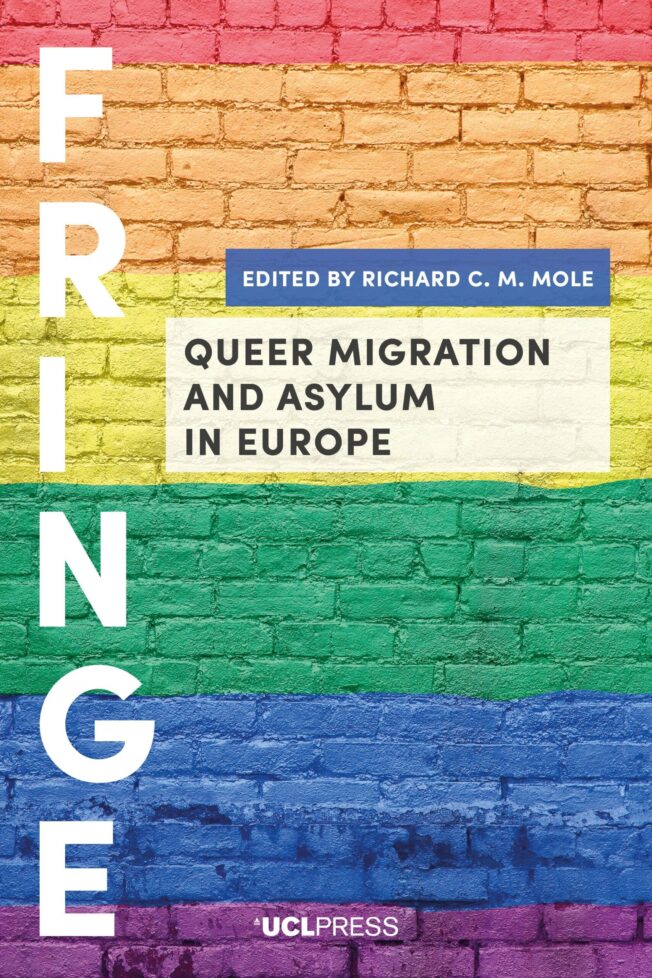

Queer Migration and Asylum in Europe
Richard C. M. Mole (Editor)
Series: FRINGE
Europe is a popular destination for LGBTQ people seeking to escape discrimination and persecution. Yet, while European institutions have done much to promote the legal equality of sexual minorities and a number of states pride themselves on their acceptance of sexual diversity, the image of European tolerance and the reality faced by LGBTQ migrants and asylum seekers are often quite different.
To engage with these conflicting discourses, Queer Migration and Asylum in Europe brings together scholars from politics, sociology, urban studies, anthropology and law to analyse how and why queer individuals migrate to or seek asylum in Europe, as well as the legal, social and political frameworks they are forced to navigate to feel at home or to regularise their status in the destination societies. The subjects covered include LGBTQ Latino migrants’ relationship with queer and diasporic spaces in London; diasporic consciousness of queer Polish, Russian and Brazilian migrants in Berlin; the role of the Council of Europe in shaping legal and policy frameworks relating to queer migration and asylum; the challenges facing bisexual asylum seekers; queer asylum and homonationalism in the Netherlands; and the role of space, faith and LGBTQ organisations in Germany, Italy, the UK and France in supporting queer asylum seekers.
Related titles
Studying Diversity, Migration and Urban Multiculture
Mette Louise Berg, Magdalena Nowicka,
02 July 2019

Medical Humanity and Inhumanity in the German-Speaking World
Mererid Puw Davies, Sonu Shamdasani,
15 April 2020
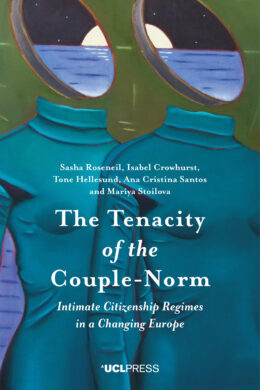
The Tenacity of the Couple-Norm
Sasha Roseneil, Isabel Crowhurst, Tone Hellesund, Ana Cristina Santos, Mariya Stoilova,
05 November 2020
The Impact of Migration on Poland
Anne White, Izabela Grabowska, Pawel Kaczmarczyk, Krystyna Slany,
10 September 2018
Rachel Rosen, Elaine Chase, Sarah Crafter, Valentina Glockner, Sayani Mitra,
09 January 2023
Family Life in the Time of COVID
Katherine Twamley, Humera Iqbal, Charlotte Faircloth,
31 August 2023

Claire Cameron, Alison Koslowski, Alison Lamont, Peter Moss,
06 November 2023
Urban Informality and the Built Environment
Nerea Amorós Elorduy, Nikhilesh Sinha, Colin Marx,
12 March 2024
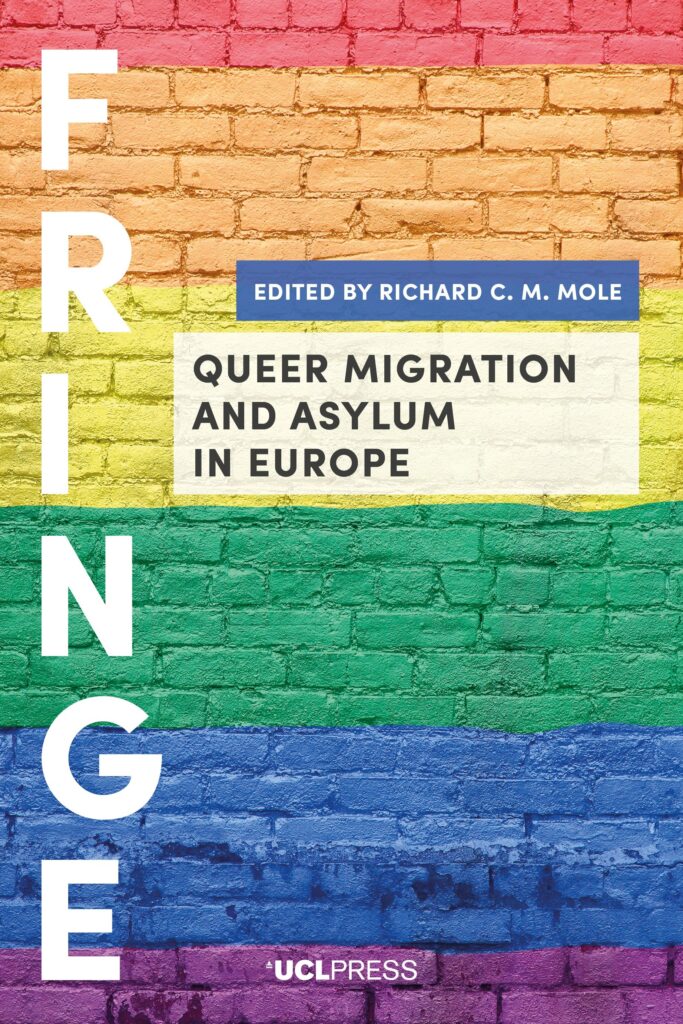
Queer Migration and Asylum in Europe
Europe is a popular destination for LGBTQ people seeking to escape discrimination and persecution. Yet, while European institutions have done much to promote the legal equality of sexual minorities and a number of states pride themselves on their acceptance of sexual diversity, the image of European tolerance and the reality faced by LGBTQ migrants and asylum seekers are often quite different.
To engage with these conflicting discourses, Queer Migration and Asylum in Europe brings together scholars from politics, sociology, urban studies, anthropology and law to analyse how and why queer individuals migrate to or seek asylum in Europe, as well as the legal, social and political frameworks they are forced to navigate to feel at home or to regularise their status in the destination societies. The subjects covered include LGBTQ Latino migrants’ relationship with queer and diasporic spaces in London; diasporic consciousness of queer Polish, Russian and Brazilian migrants in Berlin; the role of the Council of Europe in shaping legal and policy frameworks relating to queer migration and asylum; the challenges facing bisexual asylum seekers; queer asylum and homonationalism in the Netherlands; and the role of space, faith and LGBTQ organisations in Germany, Italy, the UK and France in supporting queer asylum seekers.
‘This book covers a variety of highly topical issues on queer migration and asylum in the European context. Comparable publications are few and far apart, so this book meets a definite need for such information.’
European Journal of Migration and Law
‘Chapters’ styles are accessible for different audiences. … The exhaustive overviews of the European Court of Human Rights case law on sexuality and asylum may help judges to be better prepared to adjudicate relevant conflicts. …Above all, the book will certainly drive scholarly discussions further.’ Migration and Society
‘an important contribution to knowledge that contributes considerably to the literature regarding the intersections of gender, sexuality, and migration.’
Journal of immigration, asylum and nationality law