We are currently upgrading our shopping cart; in the interim all orders are being diverted to Waterstones. If you would like to redeem a promotional code, or are an author wanting to place an order, please email us.
Home » Books » Art » The East India Company at Home, 1757-1857
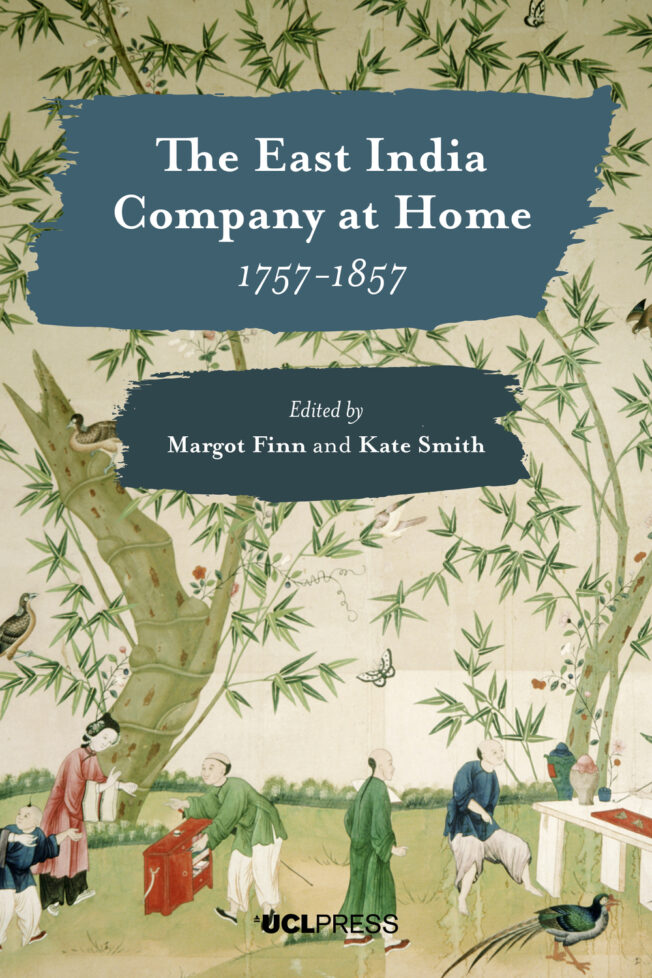
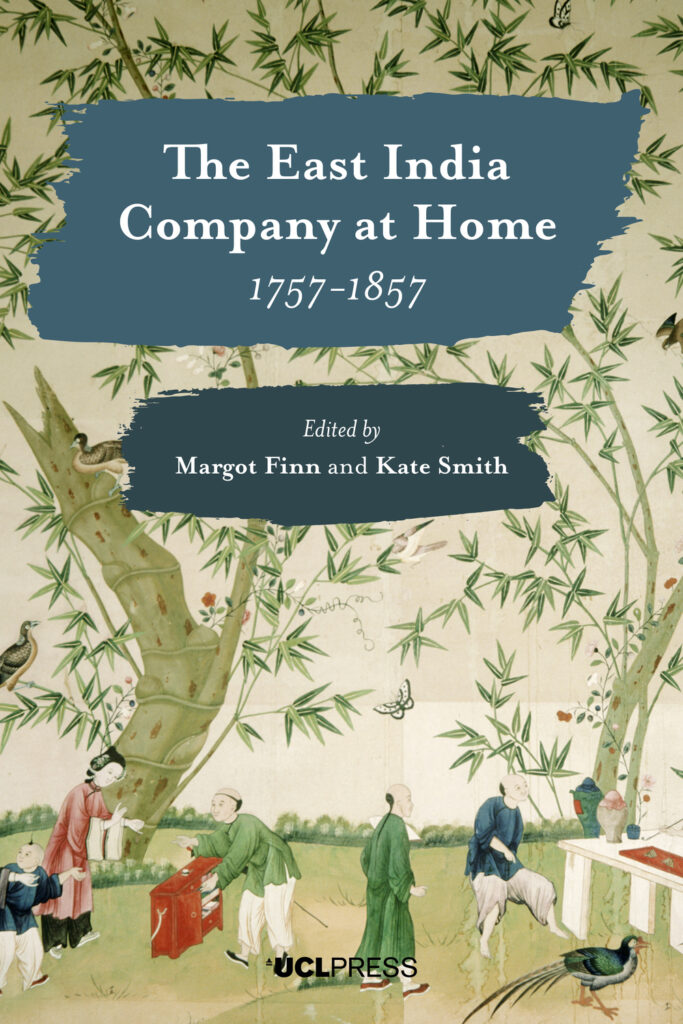
The East India Company at Home, 1757-1857 explores how empire in Asia shaped British country houses, their interiors and the lives of their residents. It includes chapters from researchers based in a wide range of settings such as archives and libraries, museums, heritage organisations, the community of family historians and universities. It moves beyond conventional academic narratives and makes an important contribution to ongoing debates around how empire impacted Britain.
The volume focuses on the propertied families of the East India Company at the height of Company rule. From the Battle of Plassey in 1757 to the outbreak of the Indian Uprising in 1857, objects, people and wealth flowed to Britain from Asia. As men in Company service increasingly shifted their activities from trade to military expansion and political administration, a new population of civil servants, army officers, surveyors and surgeons journeyed to India to make their fortunes. These Company men and their families acquired wealth, tastes and identities in India, which travelled home with them to Britain. Their stories, the biographies of their Indian possessions and the narratives of the stately homes in Britain that came to house them, frame our explorations of imperial culture and its British legacies.
The East India Company at Home, 1757-1857 explores how empire in Asia shaped British country houses, their interiors and the lives of their residents. It includes chapters from researchers based in a wide range of settings such as archives and libraries, museums, heritage organisations, the community of family historians and universities. It moves beyond conventional academic narratives and makes an important contribution to ongoing debates around how empire impacted Britain.
The volume focuses on the propertied families of the East India Company at the height of Company rule. From the Battle of Plassey in 1757 to the outbreak of the Indian Uprising in 1857, objects, people and wealth flowed to Britain from Asia. As men in Company service increasingly shifted their activities from trade to military expansion and political administration, a new population of civil servants, army officers, surveyors and surgeons journeyed to India to make their fortunes. These Company men and their families acquired wealth, tastes and identities in India, which travelled home with them to Britain. Their stories, the biographies of their Indian possessions and the narratives of the stately homes in Britain that came to house them, frame our explorations of imperial culture and its British legacies.
‘By an impressive process of distillation Margot Finn and Kate Smith have put together a coherent survey of the material traces of old India hands – the lucky ones who survived to be repatriated and to make their mark anew in Britain – compiled from a refreshing variety of perspectives.’ Journal of the History of Collections
‘This immensely engaging volume… not only contributes to ongoing debates about the place of heritage in modern society and its role in the making of British culture and identity, but also sheds new light on how we package heritage for public consumption, thereby creating new narratives and histories. It showcases public history at its best.’ H-Net Reviews
‘Invaluable for anyone interested in how the British empire shaped the material culture of British country houses and the families who built, owned and lived in them…’ The Georgian: The Magazine of the Georgian Group
‘Recommended for many new and interesting insights into a very wide subject.’ Chowkidar
Margot Finn (Editor)
Margot Finn is Professor of Modern British History at UCL and, from 2016–20, was President of the Royal Historical Society.
Kate Smith (Editor)
Kate Smith is Senior Lecturer in Eighteenth-Century History at the University of Birmingham. Kate specialises in material culture in eighteenth- and nineteenth-century Britain. She published Material Goods, Moving Hands: Perceiving Production in England, 1700-1830 in 2014.
Sign up to our newsletter
Don't miss out! Subscribe to the UCL Press newsletter for the latest open access books, journal CfPs, news and views from our authors and much more!