COP30 reading list

Close up photograph of a cactus

As COP30 comes to an end, we’ve pulled together a selection of open access books and journals tackling the big questions on climate change, environmental justice and sustainable futures. From practical solutions for greener cities to global perspectives on policy and activism, these titles bring fresh thinking to urgent challenges.

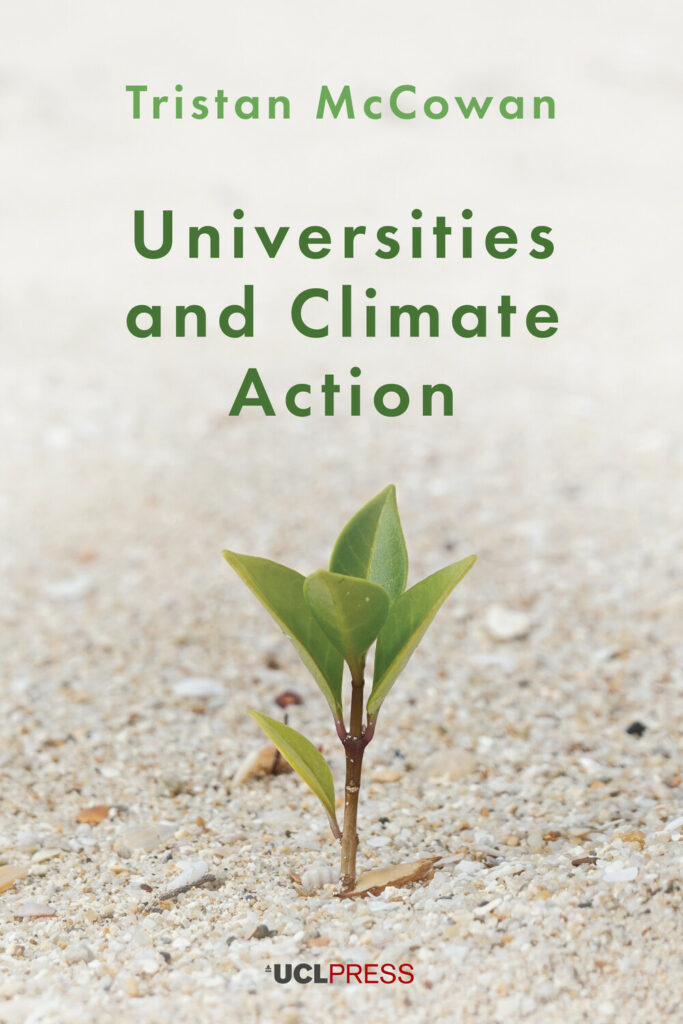
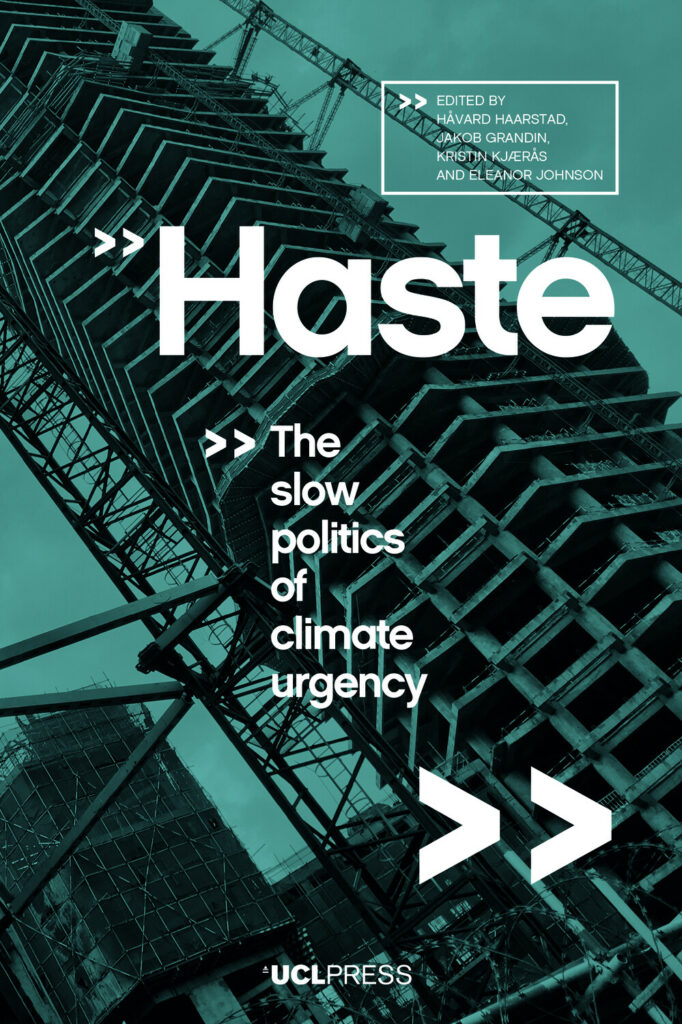
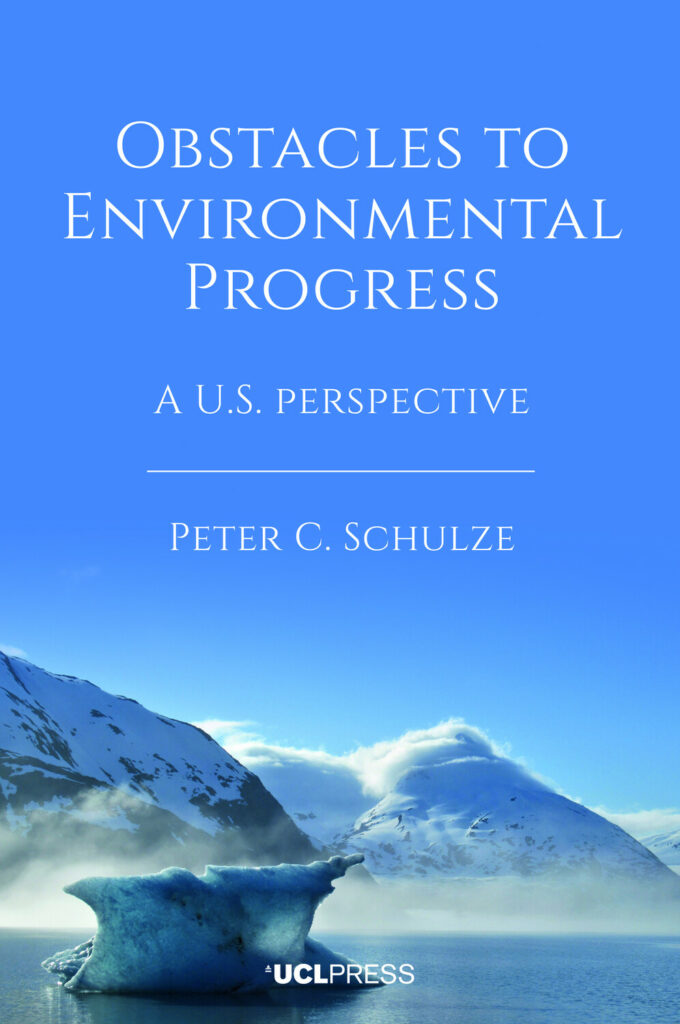
Highlights include Universities and Climate ActionHaste: The slow politics of climate urgencyObstacles to Environmental Progress: A U.S. perspective and our multidisciplinary open science journal UCL Open: Environment. Every title is free to read and share – because knowledge should power action.


World Children’s Day reading list

Paper Model created as part of a Conference workshop.

Today is World Children’s Day – UNICEF’s global day of action for children, led by children. It marks the anniversary of the adoption of the Convention on the Rights of the Child on 20 November.

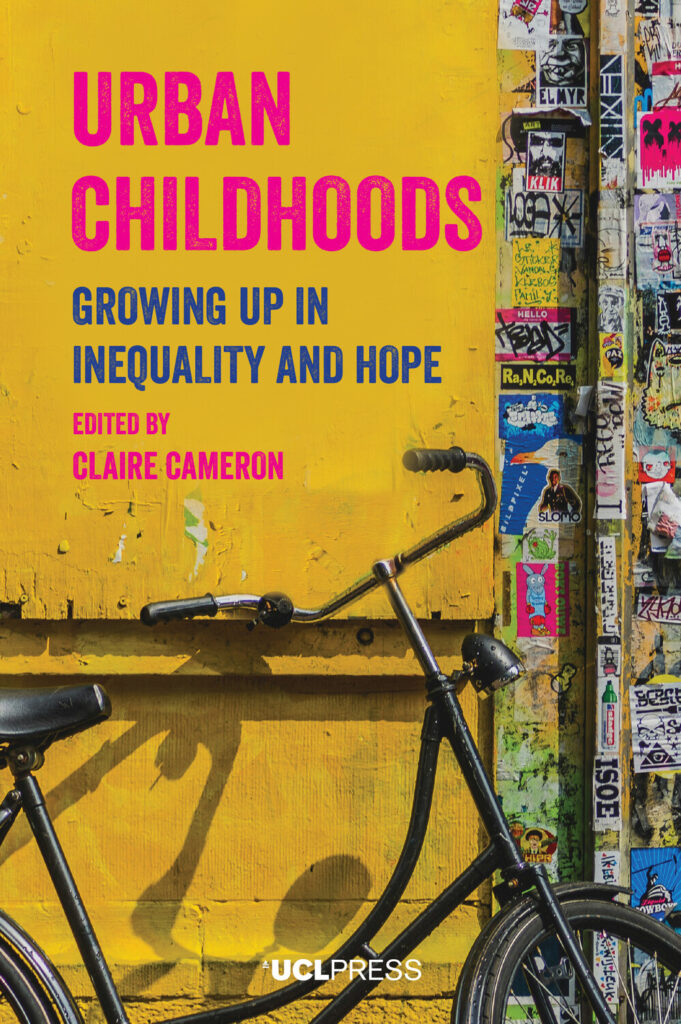
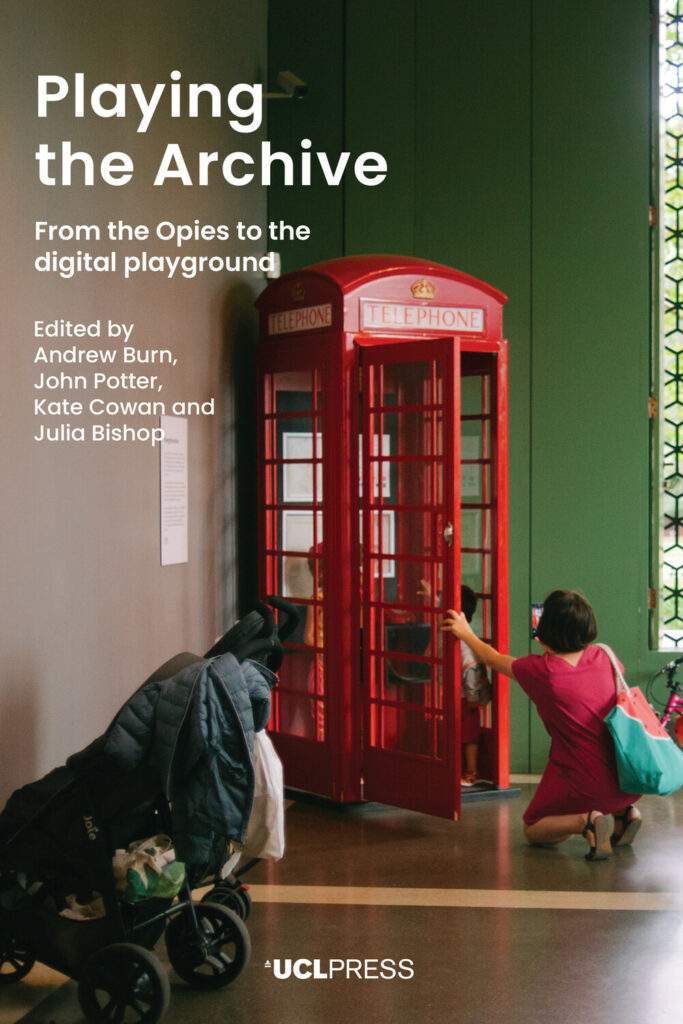
To celebrate, we’ve curated a collection of open access publications that explore childhood from diverse perspectives. Highlights include Urban Childhoods: Growing up in inequality and hopeEarly Childhood in the Anglosphere: Systemic failings and transformative possibilities, and Playing the Archive: From the Opies to the digital playground. Every book is free to read and share because knowledge should inspire action.

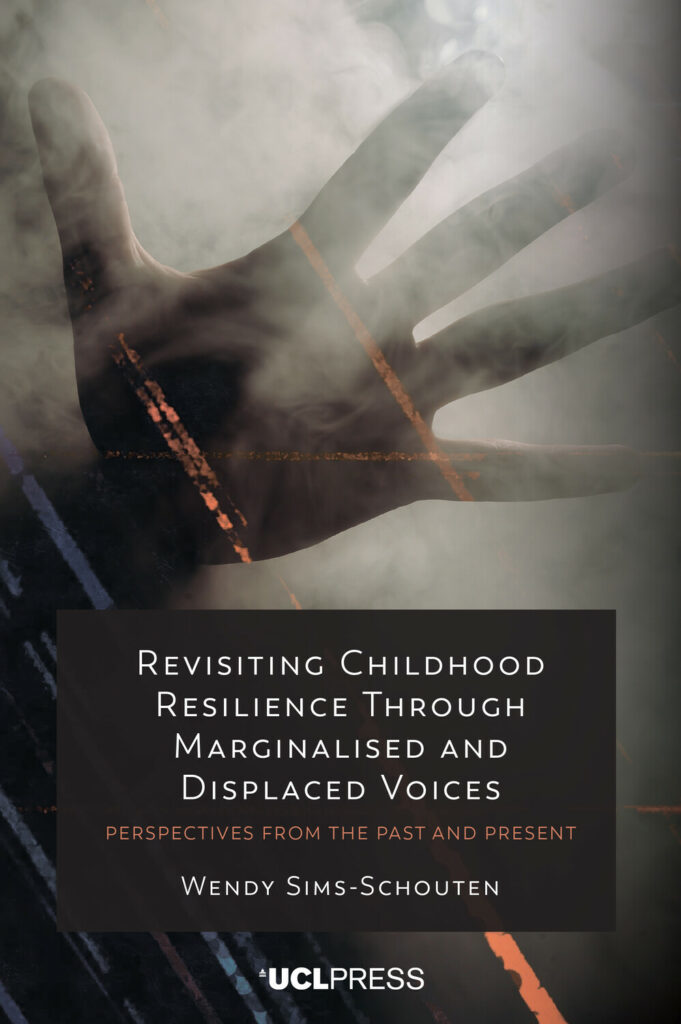
The image displays the cover of the book ‘Revisiting Childhood Resilience Through Marginalised and Displaced Voices: Perspectives from the Past and Present’, authored by Wendy Sims-Schouten. The cover features a blurred background with dark tones and light streaks, with a translucent silhouette of an outstretched hand reaching towards the viewer. The title is in white text, and the UCL Press logo is at the bottom.

Introducing UCL Press Play’s second season

A white play button with the text 'UCL Press Play' on a coloured background.

How well do we really understand the human mind? This question is at the heart of Beautiful Minds – The Greatest Good: a brand new eight-part season of podcasts and documentaries that dives deep into the complexities of human cognition and neurodiversity.

Hosted by Professor Philip Schofield, Director of the Bentham Project, the series brings together leading voices from across UCL to uncover fascinating facts, challenge misconceptions, and share strategies for building a more inclusive society. From autism and dyslexia to dementia and Tourette’s Syndrome; each episode offers fresh perspectives and practical insights.

New episodes drop every Wednesday between now and Christmas. Here’s a glimpse of what’s coming:

  1. Dr Sarah White from the Institute of Cognitive Neuroscience on the autistic mind
  2. Dr Michael Woodrow from the Department of Civil, Environmental and Geomatic Engineering on why people with dyslexia make great engineers
  3. Professor Dagmara Dimitriou from IOE’s Department of Psychology & Human Development on why sleep hygiene doesn’t always work
  4. Dr Jess Jiang from the Dementia Research Centre at the Queen Square Institute of Neurology on music and memory
  5. Dr Emily Midouhas from IOE’s Department of Psychology and Human Development on supporting neurodiverse children
  6. Dr Jane Gilmour, Clinical Lecturer at the Population, Policy & Practice Department and Honorary Consultant Clinical Psychologist at GOSH, offers a fresh perspective on Tourette’s
  7. Dr Michael Crossland, Senior Research Fellow in the UCL Institute of Ophthalmology and Principal Optometrist in Low Vision at the Moorfields Eye Hospital, on how art can creatively express the unique challenges and strengths of living with low vision (video)
  8. Professor Philip Schofield, Director of The Bentham Project, on the life, legacy and working mind of Jeremy Bentham (video)

Register to be the first to hear when new episodes drop.

OASPA Conference 2025: Embracing the Complexity – how do we get to 100% OA?

a group of people sitting in an an auditorium

UCL Press Head of Publishing Lara Speicher recently attended the OASPA Conference 2025, where open access advocates, publishers, librarians and researchers from around the world gathered to explore the future of scholarly communication. The conference focused on the theme Embracing the Complexity – How Do We Get to 100% OA?, sparking rich discussions around infrastructure, equity and collaboration. In her blog post below, Lara shares her reflections on the key takeaways and challenges ahead.

The OASPA (Open Access Scholarly Publishing Association) annual conference is always an excellent opportunity to hear the latest updates in open access from a wide range of representatives involved in scholarly publishing and communications from around the world. This year’s conference, held in the beautiful city of Leuven, where the university is celebrating its 600th year, was no exception, with presentations on OA initiatives in China, India, USA, Canada, Europe, UK, Japan, South Africa, the Middle East and Latin America.

Keynote presentations considered the progress in open access to date as well as addressing how much more work there is to be done to get to 100% OA. Demmy Verbeke, Head of Artes, KU Leuven Libraries’ Arts and Humanities collections, opened the conference with a presentation on the bold approach to open access taken by Leuven University, where they do not have an APC fund or enter into transformative agreements, rather they choose to invest in fair open access initiatives and community approaches, repurposing part of the collection budget for this purpose. Verbeke presented the case for knowledge as a public good, not a commodity, and argued that academics should play a greater role in driving change through their publishing choices.

Hannah Hope, Open Research Lead at the Wellcome Trust, presented Wellcome’s goal for 100% OA and the recent changes made to the Wellcome Trust’s policies to help to achieve this. Funds have been redirected from transformative agreements towards the wider OA publishing ecosystem, supporting infrastructure for both Wellcome- and non-Wellcome funded researchers. She highlighted global differences in scholarly communications systems and drew attention to the fact that while the majority of attention around open science is directed to North America and Europe, for many countries OA is the starting point. Citing the growing volatility in north-western parts of the world, Hope made the case that our privileged publishing systems and our very institutions are under threat and that significant change is required.

Professor Wei Yang (Zhejiang University; National Natural Science Foundation of China, NSFC; China Association of Science and Technology, CAST & Chinese Academy of Sciences, CAS) set out the publishing and open access landscape in China, where a preference for publishing in high-ranking Anglophone journals is prevalent. While China contributes around £909 million dollars in APCs to journals outside of China, representing around 30% of global open access, only 5% of journal articles by Chinese authors are published in Chinese journals. To address this, the government has introduced a requirement that 20% of funded authors’ articles have to publish in Chinese journals. Yang also highlighted the growth in recent years in scholarly output from the Global South, which now represents around 50% of total outputs.

OASPA conferences feature large university presses, commercial publishers and society publishers as well as small university presses and community-based initiatives. This year’s conference featured sessions including representatives from Cambridge University Press and Wiley, who discussed transformative agreements, among other things: what they have achieved so far, the challenges with TAs and whether they can lead to a full transition to OA. Other panels discussed the much broader topic of who owns knowledge with panellists from SPARC and the United Nations, and researcher incentives with panellists from the Chinese Academy of Sciences and NWO Dutch Research Council, among others. Among the community initiatives presented were the Big 10 Open Alliance in the USA, a collective of university presses working to increase their open access publishing, and the Open Journals Collective, a new initiative launching in 2026 that will make available over 350 open access journals from university presses and institutional publishers in a library subscription model.

I participated in a panel chaired by Niels Stern, Managing Director of the OAPEN Foundation, about fully open access book publishing to present UCL Press’s model and our achievements in the last 10 years. Other panellists included Johannesburg University Press, Amherst College Press and Firenze University Press and the discussion covered governance, funding models and sustainability, quality and demonstrating impact. While the four presses had many points in common, our funding models differed quite substantially, highlighting that the routes for publishing OA books remain disparate and varied.

This blog features just a few key highlights, and there were many other panel discussions and lightning talks, too numerous to cover here, showcasing other OA initiatives happening around the world. All in all, a fantastic and inspiring conference.

Book Launch: The Babushka Phenomenon

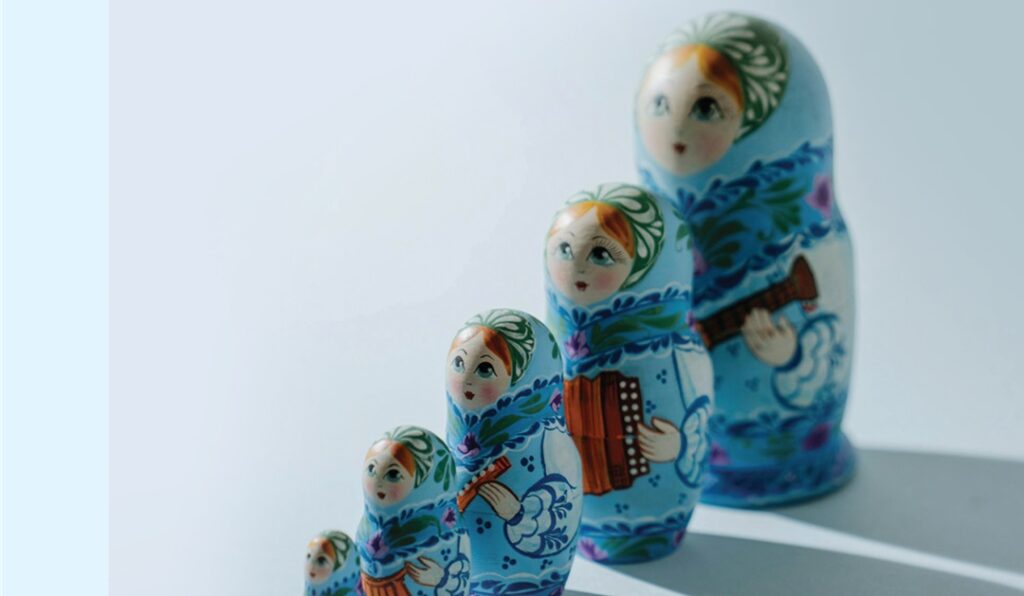
A set of four blue matryoshka dolls with floral patterns arranged by size.

Join Anna Shadrina at UCL SSEES for the launch of The Babushka Phenomenon: Older Women and the Political Sociology of Ageing in Russia, her new open access book published by UCL Press.

Hosted by UCL’s FRINGE Centre, the event will feature a discussion of the book’s key themes and will be chaired by Professor Alena Ledeneva from UCL SSEES.

Shadrina’s research explores ageing as a socio-political phenomenon shaped by local responses to declining fertility and the pluralisation of family forms. In many parts of the world, women combine paid work and motherhood by outsourcing care and domestic labour to paid nannies and domestic workers. The case of Russia shows how post-socialist welfare cutbacks have positioned older women as essential yet unpaid and undervalued family caregivers.

In Russia, the norm of grandmothers’ active involvement in childcare, housing support, and housework has shaped the marginal social position of the babushka – a post-professional and post-sexual member of society who, paradoxically, is perceived as a recipient of social benefits rather than an active contributor. The book demonstrates how older women’s practical and financial support enables younger generations to navigate post-socialist insecurities and to combine paid labour with family life.

Event details

Date: Wednesday 29 October 2025
Time: 6:30 to 8:30pm GMT
Location: Masaryk Room, 16 Taviton Street, UCL SSEES, London WC1H 0BW
Register here: Eventbrite link

Call for proposals: Reimagining teachers’ work and teacher education for our futures

A green pencil on lined paper with "MAKE YOUR MARK" printed on it.

UCL Press is delighted to share a call for papers for a forthcoming special series in the International Journal of Development Education and Global Learning (IJDEGL): ‘Reimagining teachers’ work and teacher education for our futures – Global perspectives at the intersection of change, hope and crisis.’ Find out more in the full call.

Edited by Arto Kallioniemi, Hannele Niemi and Marianna Vivitsou, this series will explore how teacher education can respond to the profound challenges of our time—climate change, geopolitical instability, technological transformation—while fostering hope and agency for a sustainable future.

Building on UNESCO’s landmark report Reimagining our futures together: A new social contract for education (2021) and the ‘Reimagining Teachers and Teacher Education’ conference (June 2024), the series invites contributions that examine how education can repair injustices and transform learning ecosystems. The Editors welcome theoretical and empirical research addressing questions including:

  • What do teaching/learning environments and ecosystems that support engagement with global issues look like?
  • What pedagogical thinking best serves engagement with global issues in formal and informal teaching/learning environments and ecosystems?
  • What methods and practices best support the purposes of global teaching and learning ecosystems?
  • What pedagogical methods and practices best support the purposes of global teaching and learning ecosystems (e.g., pedagogies for relationality, pedagogies of love, liberation pedagogies, wild pedagogies, speculative pedagogies and so on).
  • What principles and elements frame processes of co-creation? What are the roles of learners, communities, and other stakeholders in processes of co-creation?
  • What is the new role of technology in teaching and learning about global issues?
  • In what ways can inclusiveness and disability studies serve the purposes of teaching and learning about global issues? What approaches, methods and practices should be developed for inclusiveness and disability studies?
  • What approaches would best serve the purposes of teaching and learning of global and local realities?

Key dates:

  • Expressions of interest (300–500 word abstract): 17 October 2025
  • Full paper submission: 9 January 2026

Submissions should include an abstract, up to six references, and a short biographical statement for each author. Please send expressions of interest to:

This is an exciting opportunity to contribute to a global conversation on the future of education. For full details, visit the full call for proposals.

Discover object-based learning: Workshop and book launch with Thomas Kador

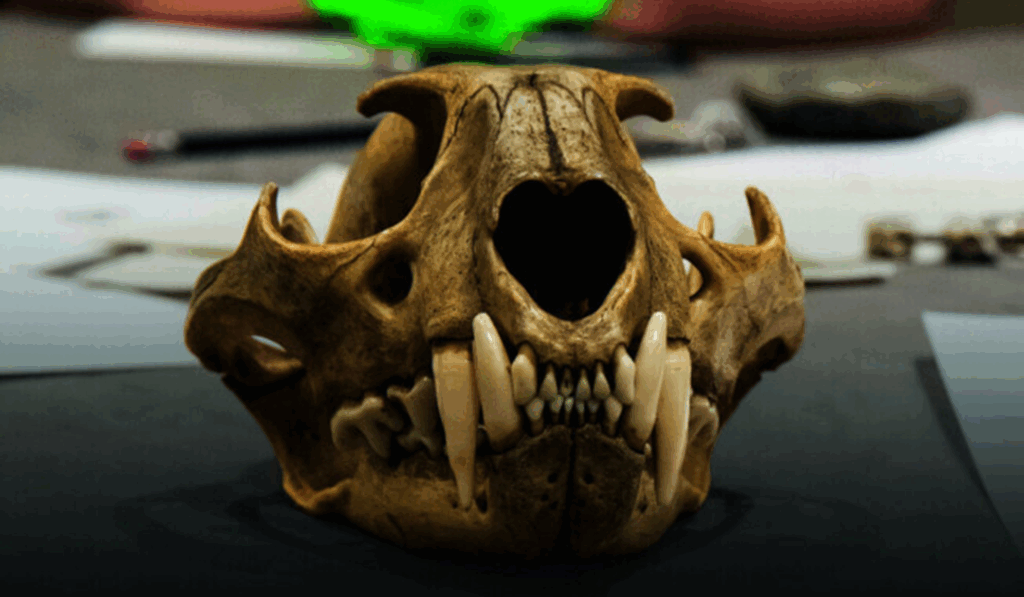
Animal skull with prominent canines on a tabletop.

Join Thomas Kador, author of the new textbook Object-based Learning: Exploring Museums and Collections in Education for an afternoon and evening of events and activities, centring on UCL’s museums and their unique collections.

To mark the publication of Thomas Kador’s Object-based Learning: Exploring Museums and Collections in Education, that author is hosting an Object-based Learning (OBL) workshop followed by a reception and book launch.

The workshop will take place at UCL Institute of Advanced Studies, and provides an opportunity to encounter and explore some of the objects that are featured in the book as well as a range of other OBL activities.

This will be followed by a reception and book launch at the Grant Museum of Zoology, introduced by Professor Helen Chatterjee.

While this book will be freely downloadable from early September (via the link below), paper copies will be available for purchase on the day. https://uclpress.co.uk/book/object-based-learning/

Schedule

2.30-4.30pm: OBL workshop at the IAS (and the UCL Art Museum), ground floor, South Wing
Explore some of the objects discussed in the book and participate in a range of object-based activities, facilitated by the book’s author and colleagues from UCL Museums and Collections. 

5.45pm: Book launch and wine reception at the Grant Museum of Zoology
Enjoy a glass of wine, beer or non-alcoholic alternative, meet some more of the specimens discussed in the book and join some conversations about the book in the surroundings of UCL’s recently refurbished Grant Museum.

You can choose to attend one or both sections of the day. Please select the relevant ticket when registering: 
https://object-based-learning.eventbrite.co.uk

New open access books published in September 2025

Rock pool

September marks the start of a new academic year, and UCL Press welcomed it with a selection of five new open access titles. September’s releases spanned museum studies, pedagogy, urban knowledge co-production, Victorian collecting, and children’s wellbeing in cities.

Object-Based Learning: Exploring museums and collections in education

Thomas Kador

Object-Based Learning provides a concise overview of some of the most important approaches to material culture and object analysis in plain and easily understandable language, that is equally accessible to undergraduate and postgraduate students as well as lecturers.

Read and download free.

Millionaire Shopping: The collections of Alfred Morrison, 1821-1897

Edited by Caroline Dakers

Millionaire Shopping is the first full, detailed and original account of the huge and unstoppable collecting and patronage of Alfred Morrison (1821-1897) who was one of the most important Victorian collectors and patrons of the arts. Each chapter is written by an expert in the field and dedicated to a particular aspect of Morrison’s collecting and patronage.

Read and download free,

Urban Childhoods: Growing up in inequality and hope

Edited by Claire Cameron

Urban Childhoods puts children’s and families’ voices centre stage while investigating ways of bringing children’s wellbeing to the fore in planning for urban life. The book explores themes that start from what children find important and details strategies that emerged from a major prevention programme conducted in two English cities.

Read and download free,

Co-production of Knowledge in Action: Emancipatory strategies for urban equality

Cassidy Johnson, Vanesa Castán Broto, Wilbard Kombe, Catalina Ortiz, Barbara Lipietz, Emmanuel Osuteye, Caren Levy

Co-production of Knowledge in Action examines how co-production is articulated and deployed in cities such as Lima, Freetown, Kampala, Dar es Salaam and Delhi. It engages with ongoing experiences of co-production-inspired action, mapping the different aspirations that inform co-production practices and the impacts on urban communities.

Read and download free.

Deconstituting Museums: Participation’s affective work

Helen Graham

Deconstituting Museums argues that participation collides with dominant paradigms of inclusion, diversity and decision-making on behalf of ‘future generations’ and ‘the public’. Participation draws in ideas from direct and horizontal political traditions. How might participation and its affects enable new political structures of heritage?

Read and download free

We’ll be back next month with more open access gems. Until then, stay safe, and happy reading!

Tackling difficult histories with (museum) objects

Animal skull with prominent canines on a tabletop.

What can a preserved animal specimen tell us about colonialism, extinction and even genocide? In this blog post, Thomas Kador reflects on the themes of his recent book Object-Based Learning: Exploring Museums and Collections in Education and considers how museum objects, often seen as neutral or purely scientific, can reveal troubling histories. From the Thylacine skeleton in UCL’s Grant Museum to instruments linked to eugenics, these objects challenge us to confront uncomfortable truths and rethink the role of collections in education.

Object-based learning (OBL) refers to a pedagogy based on working with material culture in support of learning and critical engagement with the world. While object-based approaches can involve all types of objects, there is usually a particular focus on items from museums and other curated collections.

My recent book Object-Based Learning: Exploring Museums and Collections in Education explores the many ways in which we can employ objects in formal and informal educational settings, and the benefits of doing so. Research repeatedly demonstrates that learners find working with objects – especially heritage ones – inspiring. It also shows that working with objects can support the development of subject-specific, transferable, and interdisciplinary skills, as well as benefit learners’ health and wellbeing.

You can probably recall a time when you felt inspired by a beautiful museum object or work of art, but there are museum objects that testify to much darker and challenging parts of human history. This does not diminish their capacity to facilitate learning. On the contrary, such objects represent extremely powerful catalysts for interrogating the past, including power structures, abuses of power, injustices, and even atrocities. 

There are some well-known examples you might be aware of, such as the so-called Benin bronzes in the British Museum, and the artworks that were stolen by Nazi officials from their Jewish owners during the Holocaust. However, many items’ connection to difficult histories is less readily apparent, and we need to scratch a little deeper  below the surface to reveal their stories.

For example, the deep entanglement of many museums and collections in the colonial project is well known. Objects and specimens allow us to lift the curtain on colonial exploits, with much of the discourse focusing  on archaeological, anthropological, and historical museums, and – to a lesser extent – art collections. But what about natural history museums? Often mistakenly seen solely as spaces of scientific study which are unconnected to past or present political situations, these museums can also reveal problematic histories if we dig a little deeper.

UCL’s Grant Museum of Zoology has a collection of animal specimens that stretch back to the university’s foundation in 1826. When the collection was started in the 1820s and 30s, animals which have since become endangered or extinct were still in existence. For example, the museum has a collection of Thylacine – commonly known as the Tasmanian Tiger – material, consisting of a complete skeleton, some skulls, a number of other bones and a fluid specimen (i.e. a dissected animal preserved in alcohol). As Thylacines became extinct nearly 90 years ago,  the remains at the Grant Museum are significant, especially as the fluid specimen is possibly the only one in the world.

But this is where it gets political, as Tasmania – the island from where the Thylacine specimens originate – was declared a British colony in 1825. At the time, the Thylacine, the largest modern day marsupial carnivore, was seen as a threat to European sheep plantations, and a bounty was placed on their pelts. This resulted in perhaps the only documented purposeful extinction of an entire animal species in human history. The mission ‘succeeded’, and by 1936 the last known Thylacine had died in that Australian zoo. The native human population did not fare much better, with the colonisers coming extremely close to exterminating the local Aboriginal people during the 1824-1832 Tasmanian war. It is striking how quickly a seemingly ‘harmless’ specimen in a natural history collection can become an emblem not only of its own species’ extinction, but also a reminder of the genocides perpetrated by Europeans on Tasmanians and other Aboriginal peoples. 

While these are truly dark subjects, museum objects and specimens allow us to explore them closely in a relatively safe and non-confrontational manner. We can interrogate difficult topics from multiple perspectives, including some that differ from our own personal views. This brings us back to the role of objects as conduit for highlighting and critiquing institutional power and violence without being violent in their own right. This allows learners to confront uncomfortable truths, such as our own complicity – or inaction – in local or global injustices.

As an employee of UCL, it would be remiss of me not to mention my institution’s promotion of scientifically racist and ableist ideas through its enthusiastic embrace of eugenics in the early twentieth century. As a legacy of UCL’s involvement, we have a collection of objects, instruments and materials related to the study of eugenics, which recently have found new use as items that allow learners to critically engage with this troubled history. In this context, objects that were once instruments of oppression are now enabling students and researchers to interrogate, challenge, and come to terms with these practices and the mindsets that gave rise to them. The objects remain as tangible connections to these troublesome chapters of human history, but they have been transformed from tools of power and domination to facilitators of dialogue and cultural understanding.

Preparing Generation Z students for a volatile world through language learning

To mark European Day of Languages, Kasia Łanucha and Alexander Bleistein consider the changing needs of ab initio language learners in UK universities in this excerpt from their chapter in Ab Initio Language Teaching in British Higher Education: The Case of German. They argue that teachers need to be aware of the implications of volatility, uncertainty, complexity and ambiguity (VUCA) for their students. As the first generation of digital natives are now at university, these students’ approach to learning is more focused on online materials, and teachers need to adapt in order to maintain the students’ interest. 

How can language teachers support Generation Z students in developing the skill set needed in the post-pandemic VUCA world? Here are six takeaway points based on teaching experiences during German language classes at the Centre for Languages and Inter-Communication (CLIC) within the Engineering Department of the University of Cambridge.

  1. Are the materials and course contents motivating and relevant to the students?

Considering the speed of societal and technological change, it is apparent that a lot of language material is outdated before it has even been published and therefore, it is not always useful for developing self-motivation, sense of purpose and ultimately self-discipline. Do Generation Z students in the 2020s still have to learn how to book a hotel room via phone? Is asking for directions an authentic scenario when navigation apps figure out the best route in seconds? To what extent are translation skills still necessary with the constantly improving accuracy of machine translation? For practical reasons, teachers must rely on existing material but should follow a learner-centred approach and amend exercises and scenarios to make them fit for the situation students currently find themselves in. Also, it is advisable to make resources available and easy to access online, not only to meet the learners’ technological preferences but also to reduce costs for students and universities. Still, considering the saturation with technology, the widespread ‘Zoom fatigue’ (Nadler, 2020: 1) and social media overload, teachers should limit the platforms used and make sure that all of them bring a significant benefit to the classroom. Involving students’ interests in the course design is a factor that increases motivation in the classroom. Various online polling tools are a workable solution to find out about the learners’ preferences during or before the first class. In order to develop a sense of purpose, the practical application of theoretical language and cultural knowledge is key for ab initio learners. For example, teachers are advised to facilitate situations allowing an authentic discourse with speakers of the target language. Online tandem projects with partner universities abroad have proven to be an effective way in language classes at CLIC to enable a meaningful exchange when restrictions make travel abroad unfeasible.

  1. Can students develop learning agility?

Teachers play an important role in developing agility among the learners and moving them out of their comfort zones: they encourage students to take new directions and to approach problems from a different perspective. In language learning, there is no problem that cannot be solved, as long as learners have access to a wide range of techniques, exercises and explanations to tackle them. Ab initio classes offer the opportunity to implement various learning strategies from the very beginning, and the omnipresent technology focus of Generation Z enlarges the pool of resources and platforms. Learning agility also refers to being open to new types of tasks. For example, recording oneself can feel uncomfortable for the first few times, but students get used to it over time and acknowledge the potential of practising speaking and being able to listen back to the audio file. Equally important is the ability to work with and learn from different people, so mixing groups during classes should be a matter of course in ab initio groups.

During the pandemic, being able to switch between different modalities and platforms of communication has become another crucial skill, and one that is likely to gain importance and require agility in the future: students are expected to be confident to converse and collaborate online and in person, adapting to the conventions associated with each medium as well as to different communication styles.

  1. Does the teaching foster learner autonomy and self-reflection?

From our experience, elements of autonomous learning, self-assessment and feedback seem to work particularity well when used with Generation Z students. To provide a comprehensive and personalised pathway, CLIC introduced a reflective portfolio as a new assessment element in language courses from 2020/1 onwards. This serves as a continuous log of the students’ work and gives evidence of all relevant language skills. A viva at the end of the course requires students to defend the portfolio work submitted and allows teachers to check whether the skills meet the corresponding CEFR level (Council of Europe, 2020). Students are also asked to reflect in writing on their learning experiences and to answer questions like the following: ‘Why did you choose this task?’, ‘How difficult was it to complete this task?’, ‘What would you like to work on in your next submissions?’. Answering questions of this sort not only activates a process of self-reflection within the students but also helps teachers develop a stronger connection with them and understand their learning styles and needs better.

While many students enjoy the high degree of flexibility and creativity allowed, a large proportion of learners, especially at beginners’ level, require clear guidance and regular feedback from teachers to shape the personalised learning pathway. It is therefore necessary to establish a lively feedback culture in the classroom and to address the importance of giving and receiving feedback which is different to the act of instant gratification that Generation Z is used to in many scenarios (Kalkhurst, 2018). Altogether, students must learn to take responsibility for their own learning and can be held accountable for their progress, provided that the support and guidance from the teacher’s side is sufficient and effective.

  1. How can teachers help students in becoming more resilient?

Making mistakes is part of every language learning journey and should be considered normal. However, it is much easier to accept in children than in adult learners who are often more reluctant to embrace the fact that they will be wrong in the language course, and in fact, they will be wrong a lot – an inevitable by-product of language acquisition. If a message does not have the expected outcome or the interlocutor cannot understand it, teachers must encourage their students to try again, paraphrasing, or using other means of communication such as body language. Communicating the fact that trial and error is how we learn and that striving for perfection every time can be counterproductive is critical. This kind of stance from a teacher can boost creativity and encourage risktaking (instead of always trying to play it safe) which should be reflected in the assessment and feedback where language accuracy is not the most important factor. In addition, non-native language teachers could also help learners by acknowledging their own vulnerability when they are not always sure of their language accuracy and yet constitute proficient language speakers which can be very empowering for the students. 

Secondly, managing expectations of the learners is key, especially for those who enrol on a language class in hope for an easy gain of a credit. Language classes are often advertised as fun, and anecdotally, students at CLIC would sometimes drop off after a week or two once they realised that language learning is hard work too, especially when grammar is covered, which tends to be harder to make engaging (and therefore sometimes leads teachers to almost being apologetic for even talking about grammar in the class!).

  1. What about critical thinking skills?

Critical thinking skills are particularly important when dealing with an overload of often conflicting and ambiguous information. Can teachers address this challenge in an ab initio language class? Shirkhani and Fahim argue that the best way of fostering critical thinking in the language teaching context is to include it in assignments by integrating language and critical thinking skills (Shirkhani and Fahim, 2011: 113). Although it might prove difficult to enhance critical thinking through engagement with sophisticated input at beginners’ level, meta-reflection on language and cultural conventions (even if partly not in the target language), can form a part of language classes to critically shed a light on the learning contents: ‘What is the benefit of having a system of cases in German?’, ‘Which function has the distinction between a formal and informal address (du/Sie)?’, ‘Do we need a gender-sensitive language?’, ‘Why are Germans considered as direct or even rude compared to the British?’. Cultural and linguistic questions like these could arise when dealing with language contents that touch on these topics explicitly or implicitly Another area to use critical skills is the choice of materials students engage with, such as online dictionaries, translation tools, YouTube videos or language programmes, perhaps by spending some time in the course on discussing the main features of reliable and credible (online) sources and by integrating traditional approaches like literature reviews or discourse analysis on a certain topic.

  1. How can language teaching improve collaboration and communication skills?

Collaboration underpins every interactive language class and is present in different forms: work in pairs, smaller or bigger groups, in person or remotely or by using technology. Teachers can support their students, depending on the task and its length, by helping them establish the ground rules to make sure teamwork goes smoothly. When it comes to communication, it is unlikely that, at beginners’ level, the target language will always be the language of instruction in the classroom. Instead, students have to use a lingua franca in their interactions, both synchronously and asynchronously, which the teacher can also model by setting the tone when interacting with the students as a group and individually.

Intercultural awareness is highly important when dealing with ambiguity and a key element of successful communication in the interconnected world Generation Z inhabit, and it goes beyond facts about a country and the dos and don’ts for visiting. It is also about understanding how national culture can affect the way we think, behave and therefore communicate. Certain cultural differences manifest themselves in German right from the start in a beginners’ course, such as hierarchy and the use of both titles (for example, Herr, Frau, Doktor) and the formal and informal ‘you’. Another one is communication style, especially requests such as Buchstabieren Sie, bitte (Please spell) or Geben Sie mir bitte … (Please give me …), which some students might consider inappropriate or simply rude. Teachers can also address other aspects randomly as the situation arises, for example when talking about how students from different national backgrounds feel about working times stated in teaching materials. Some might find that leaving the office at 5.00pm is late, some find it early. Discussions about what feels right in a given context go far beyond language learning and are closely linked to critical thinking skills (see Question 5). They raise awareness in the students of how their common sense is not at all that common when working across cultures which comes with many challenges in the VUCA world and in a language class, even at an ab initio level. This provides a fantastic opportunity for learning both about the target culture and other cultures (including one’s own). The same applies to intergenerational learning and reflecting societal norms (for example, holding the door by a male for a female, which can be considered both polite and sexist in the same national culture).


About the authors

This is an excerpt from  Ab Initio Language Teaching in British Higher Education: The Case of German, edited by Ulrike Bavendiek, Silke Mentchen, Christian Mossmann and Dagmar Paulus.

Kasia Łanucha gained her Master’s degree in German as a Foreign Language at the University of Dresden before moving to the UK where she has been teaching German at various levels and for specific purposes (engineering students, medical school) for over 15 years at the University of Cambridge.

Alexander Bleistein is DAAD-Lektor and Coordinator of German at the Centre for Languages and Inter-Communication (CLIC) of the Cambridge University Engineering Department. He has been teaching German in the UK at all levels with a focus on languages for specific purposes (LSP) since 2016 and has previously worked with the Goethe Institutes in London and Rotterdam. He is affiliated with Downing College, Cambridge, where he supervises students of German.

Sign up to our newsletter

Don't miss out!
Subscribe to the UCL Press newsletter for the latest open access books,
journal CfPs, news and views from our authors and much more!