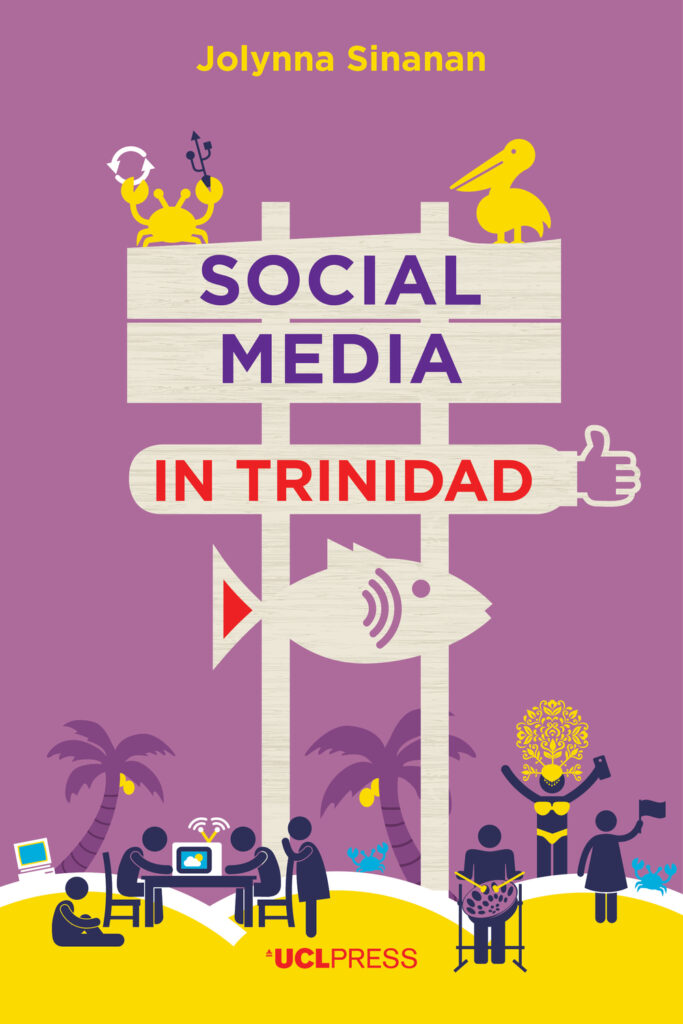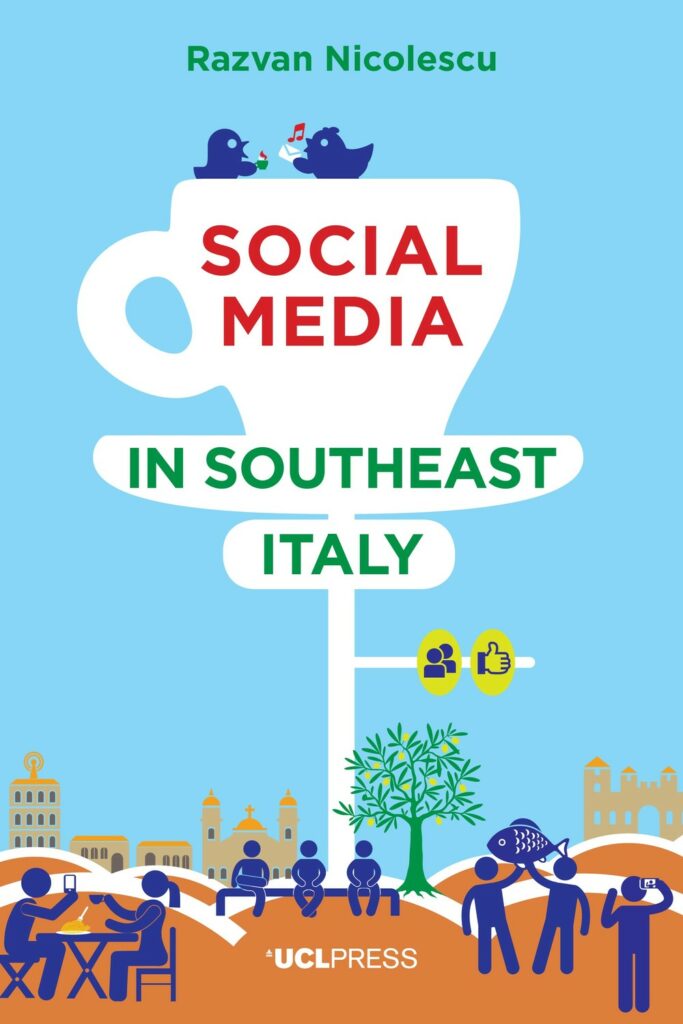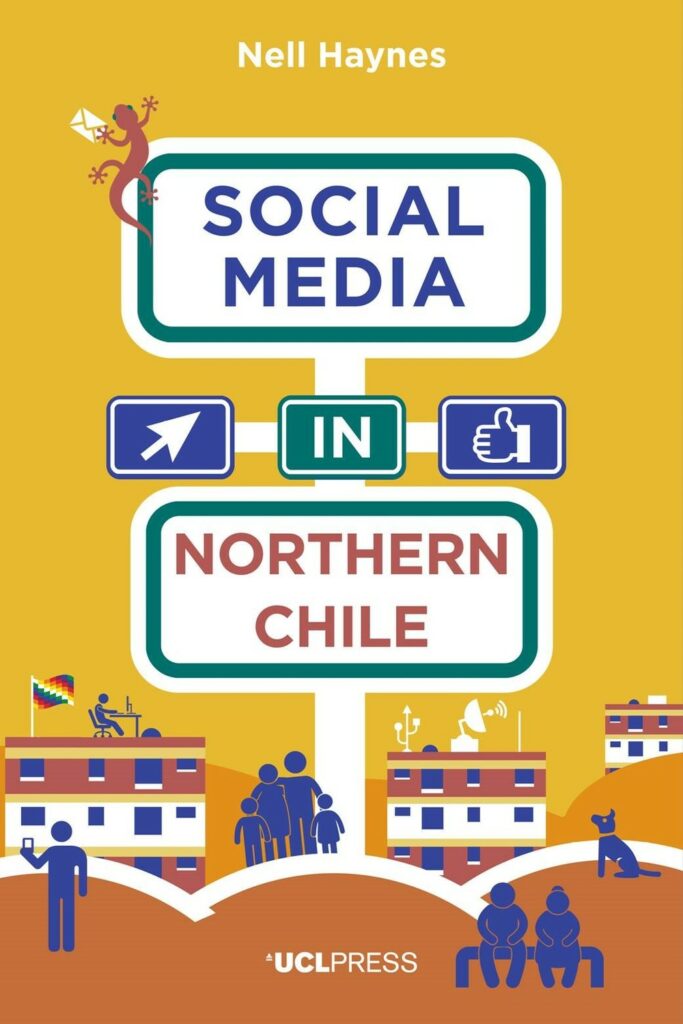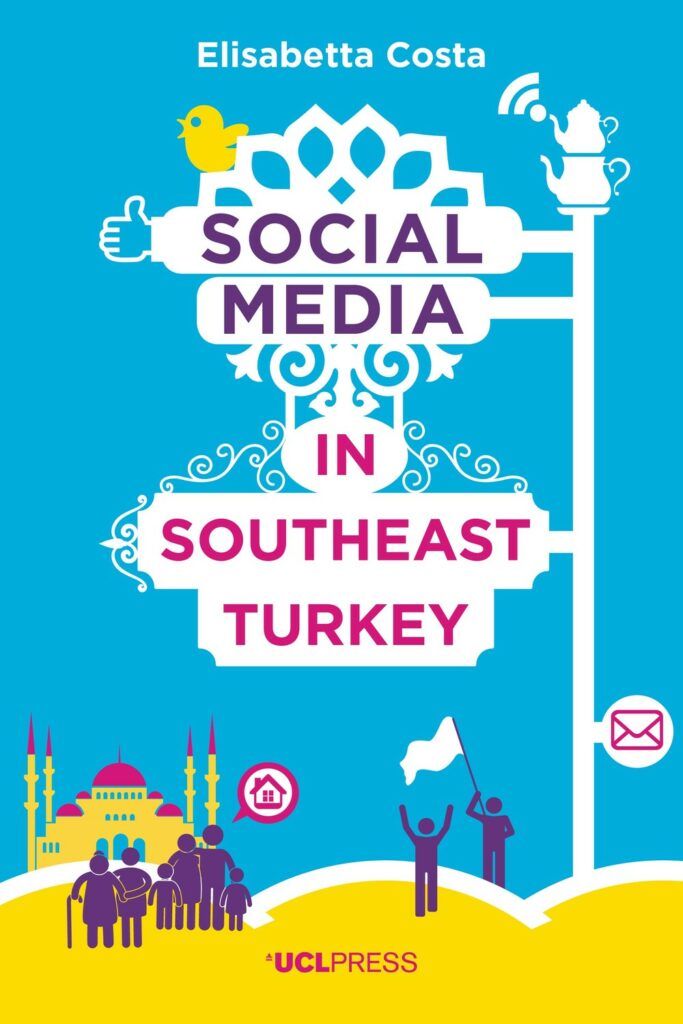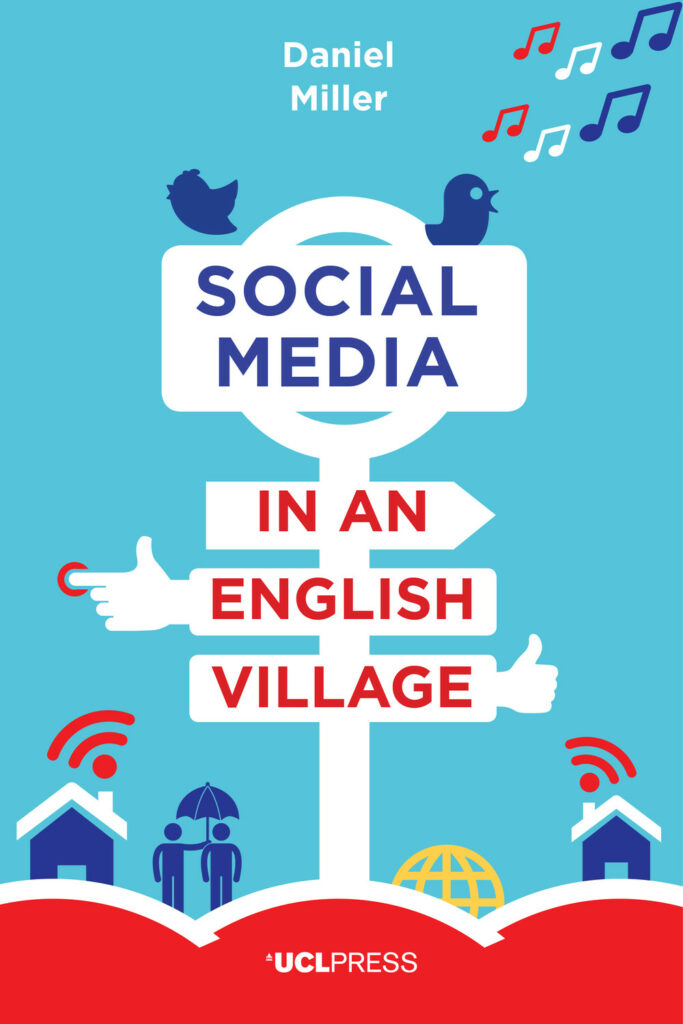
Celebrate World Social Media Day with the Why We Post series

Today is World Social Media Day, a moment to reflect on how deeply digital platforms shape everyday life. From sharing moments with friends to building communities across continents, social media has become central to how we connect, communicate and understand the world.

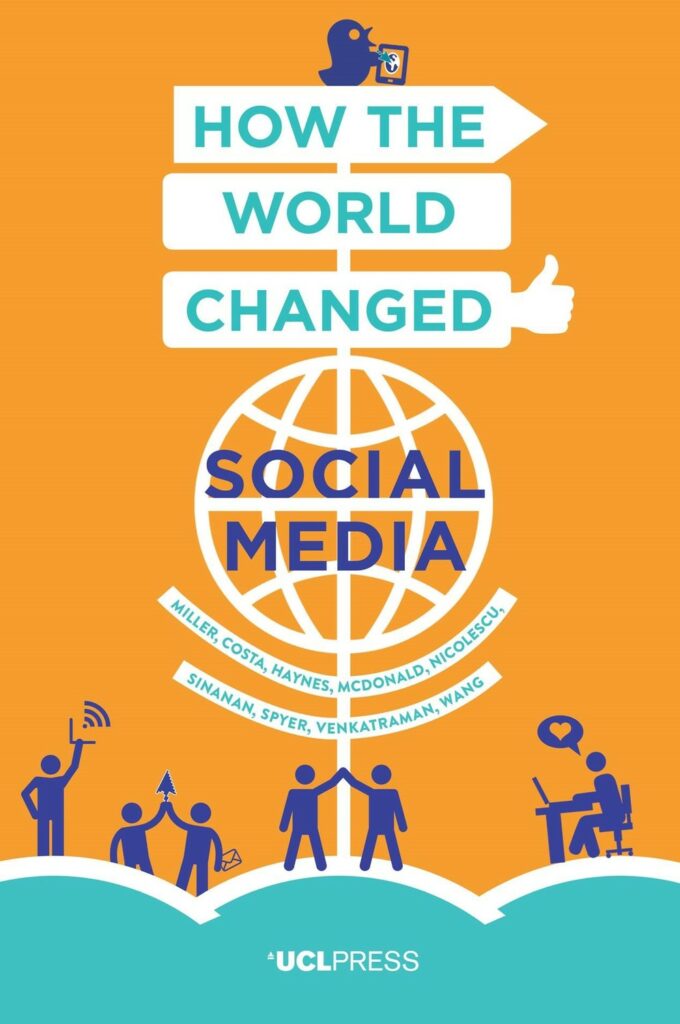
This makes it the perfect moment to revisit the ground-breaking open access Why We Post series, which explores not just how we use social media, but why it matters across different cultures and societies.

Why We Post set out to answer these questions by looking beyond headlines and assumptions. Nine anthropologists spent 15 months living in communities across China, Brazil, Turkey, Chile, India, England, Italy and Trinidad. Their research focused not just on platforms, but on what people actually share and why.

The series moves beyond headlines and assumptions. Nine anthropologists spent 15 months living in communities across China, Brazil, Turkey, Chile, India, England, Italy and Trinidad, exploring not just the platforms people use, but what they share and why.

Their findings are clear. Social media is not simply a tool for communication. It is a place where we live our lives.

Across the series, common assumptions are challenged. What looks like self promotion in one context can signal belonging in another. What appears to weaken relationships may instead strengthen them. Social media takes on different meanings depending on culture, community and everyday experience.

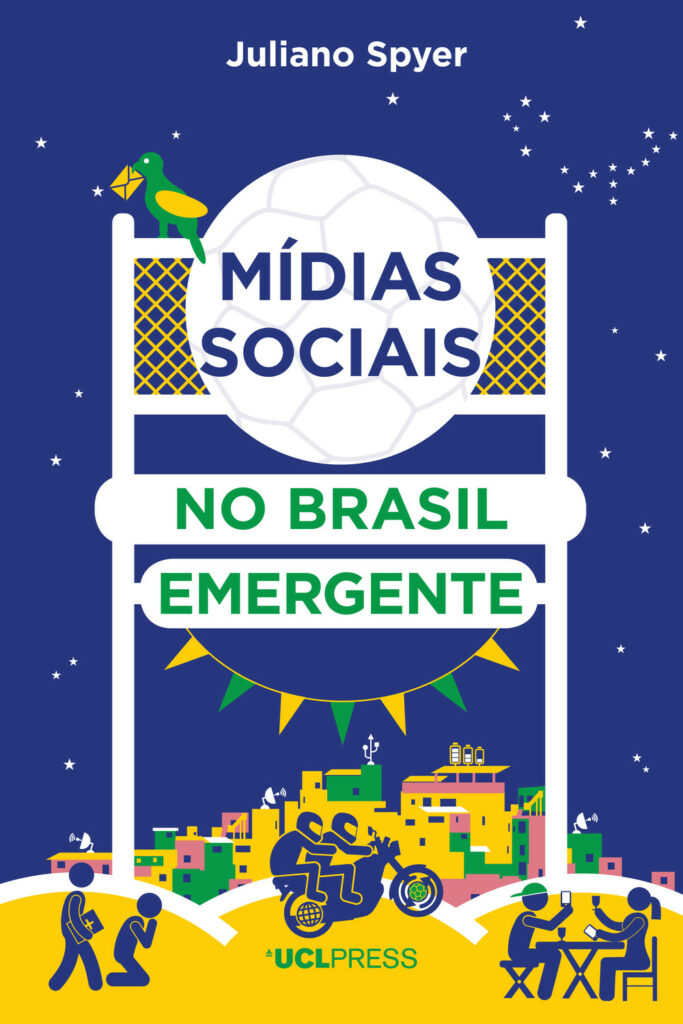
By bringing these perspectives together, Why We Post offers a powerful comparative view of social media worldwide. It remains a landmark open access series, reshaping how we understand digital life and its impact- explore the open access books below!
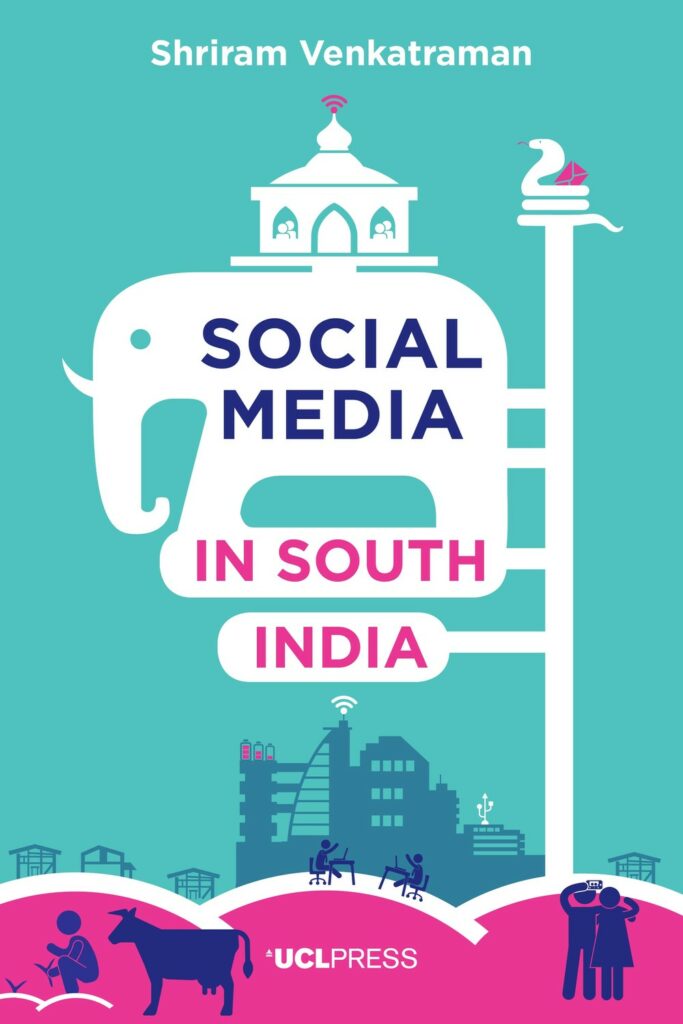
Cover of social media in south india
Cover of social media in Trinidad

Intermittent disruption to UCL Press book downloads

Close-up of a stack of books with visible edges, set on a dark surface.

We’re currently aware of an issue affecting downloads from UCL Discovery, which means some readers may be having difficulty accessing UCL Press books. UCL Press journals are unaffected by this issue.

Our technical team is actively looking into the problem and working to restore normal service as quickly as possible.

In the meantime, all UCL Press books remain freely and immediately available to download via our partner platforms:

Both sites host our full open access catalogue, so you should still be able to access any title you need without interruption.

We know how important reliable access is for readers, authors and librarians alike, and we’re sorry for any frustration this may cause. Thank you for your patience while we resolve the issue.

We’ll share a further update as soon as downloads via UCL Discovery are back to normal.

New Sensory Approaches to the Past shortlisted for the EAA Book Prize 2026

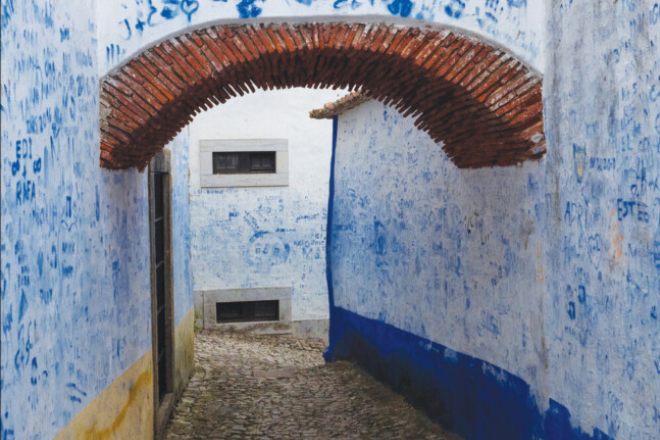
A narrow cobblestone alleyway with white walls covered in blue graffiti and a red brick archway overhead, as featured on the cover of New Sensory Approaches to the Past.

We are delighted to announce that New Sensory Approaches to the Past: Applied Methods in Sensory Heritage and Archaeology, edited by Pamela Jordan, Sara Mura and Sue Hamilton, has been shortlisted for the 2026 European Association of Archaeologists (EAA) Book Prize.

Awarded annually, the EAA Book Prize recognises exceptional recent publications by EAA members. This year’s prize attracted a highly competitive field, with a selection of seven titles shortlisted.

The winner will be announced at the Opening Ceremony of the 32nd Annual Meeting of the European Association of Archaeologists, which will take place in Athens later this year.

Shortlisting for the prize reflects the originality, scholarly quality and wider contribution of New Sensory Approaches to the Past. Bringing together an international range of contributors, the volume explores how people in the past experienced their worlds through the senses, offering innovative approaches that challenge the predominantly visual focus of traditional archaeological research.

Through case studies spanning diverse periods and geographies, the book demonstrates how attention to sound, smell, movement and embodied experience can open up new perspectives on cultural environments and lived experience. Its interdisciplinary scope highlights the value of integrating methods and insights from across archaeology and beyond.

Published open access by UCL Press, the book is freely available to read online, ensuring its research can reach and inform readers across the world.

We warmly congratulate the editors and contributors on this well-deserved recognition and look forward to the announcement of the 2026 prize winner in Athens.

Russian Pendulum shortlisted for the Pushkin House Book Prize 2026

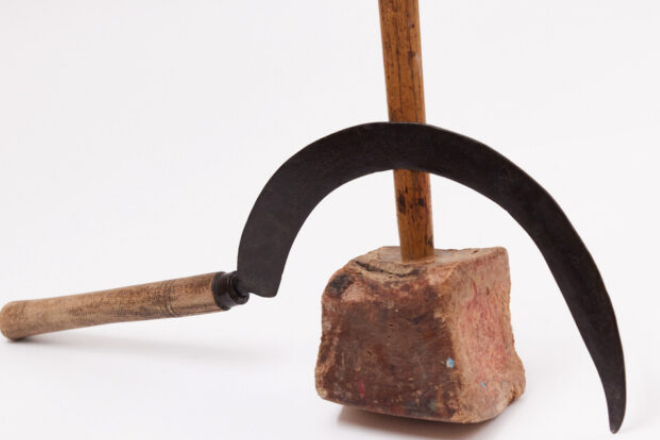
A sickle with a curved blade and wooden handle leans against a hammer with a wooden handle and a brick head, as featured on the cover of Russian Pendulum.

Russian Pendulum: Paradoxes, Practices and Patterns named among six titles on this year’s shortlist for the prestigious £10,000 award.

Pushkin House has announced the shortlist for the 2026 Book Prize, with Prof. Alena Ledeneva’s Russian Pendulum: Paradoxes, Practices and Patterns selected as one of six outstanding titles.

In Russian Pendulum, Ledeneva offers a compelling exploration of Russia’s political and social dynamics, examining the enduring interplay between tradition and modernity, power and society. Framed through the concept of ambivalence, the book identifies long-standing patterns that shape governance and everyday life, highlighting the role of informal networks sustained by practices of co-optation, control and camouflage.

The winner of the £10,000 prize will be announced by the judging panel at the award ceremony in September 2026.

Congratulations to Prof. Ledeneva on this well-deserved recognition

Introducing UCL Press Play’s fourth season

A white play button with the text 'UCL Press Play' on a coloured background.

Ever wondered how professors end up in their field, or whose writing inspires them? Tune into A Cup of Tea With… to find out.

This new season of UCL Press Play sees Professor Judy Stephenson, Professor of Economic History of the Built Environment, in conversation with inspiring academics from across UCL. Each episode offers the opportunity to learn more about a diverse range of professors, such as how they got into their field, key insights from their research and how they like their tea.

For the first time, you will be able to choose whether to listen to or watch the new episodes. They will be released every Wednesday for the next two months. Here is a sneak preview of who you will be able to hear from:

  1. The Human Consequences of AI: A Cup of Tea with Professor Daniel Miller
  2. Researching Networks of Human Trafficking: A Cup of Tea with Professor Ella Cockbain
  3. The Economics of Life in the Messy Middle: A Cup of Tea with Professor Dame Henrietta Moore
  4. The Pulses of Caribbean History: A Cup of Tea with Professor Matthew J. Smith
  5. Inside the Head of Jeremy Bentham: A Cup of Tea with Professor Philip Schofield
  6. Excluded Workers and Human Rights: A Cup of Tea with Professor Virginia Mantouvalou
  7. Rethinking Britain in India: A Cup of Tea with Professor Margot Finn
  8. How to Prevent Disasters: A Cup of Tea with Professor Ilan Kelman

Register to be the first to hear when the new episodes drop.

Sign up to our newsletter

Don't miss out!
Subscribe to the UCL Press newsletter for the latest open access books,
journal CfPs, news and views from our authors and much more!