We are currently upgrading our shopping cart; in the interim all orders are being diverted to Waterstones. If you would like to redeem a promotional code, or are an author wanting to place an order, please email us.

Contact us

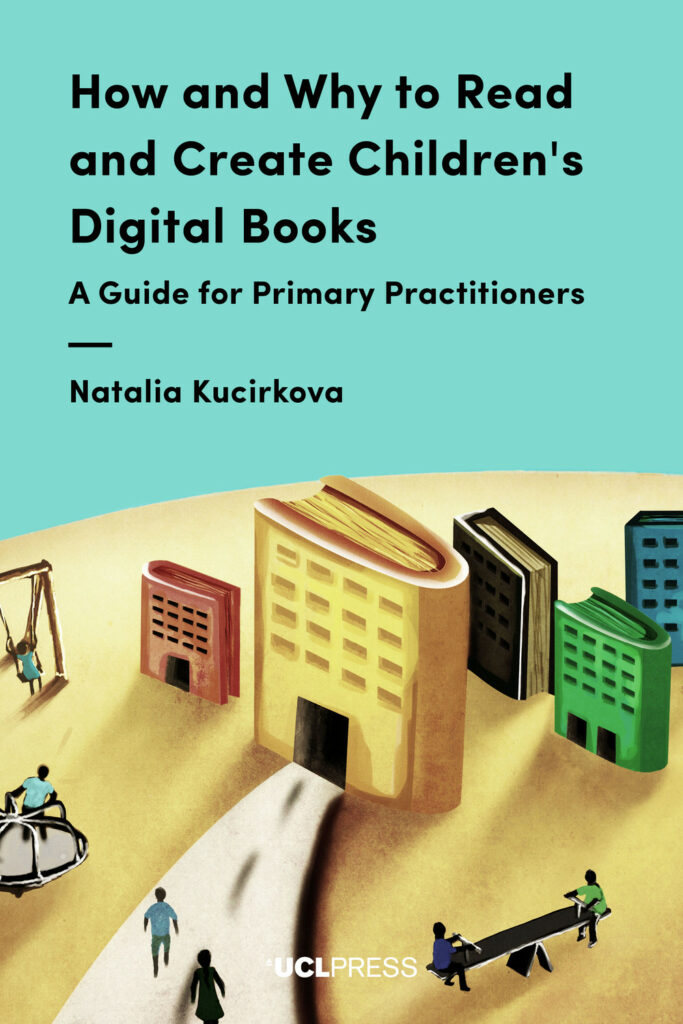
How and Why to Read and Create Children’s Digital Books

How and Why to Read and Create Children’s Digital Books outlines effective ways of using digital books in early years and primary classrooms, and specifies the educational potential of using digital books and apps in physical spaces and virtual communities. With a particular focus on apps and personalized reading, Natalia Kucirkova combines theory and practice to argue that personalized reading is only truly personalized when it is created or co-created by reading communities.

Divided into two parts, Part I suggests criteria to evaluate the educational quality of digital books and practical strategies for their use in the classroom. Specific attention is paid to the ways in which digital books can support individual children’s strengths and difficulties, digital literacies, language and communication skills. Part II explores digital books created by children, their caregivers, teachers and librarians, and Kucirkova also offers insights into how smart toys, tangibles and augmented/virtual reality tools can enrich children’s reading for pleasure.

How and Why to Read and Create Children’s Digital Books is of interest to an international readership ranging from trainee or established teachers to MA level students and researchers, as well as designers, librarians and publishers. All are inspired to approach children’s reading on and with screens with an agentic perspective of creating and sharing.

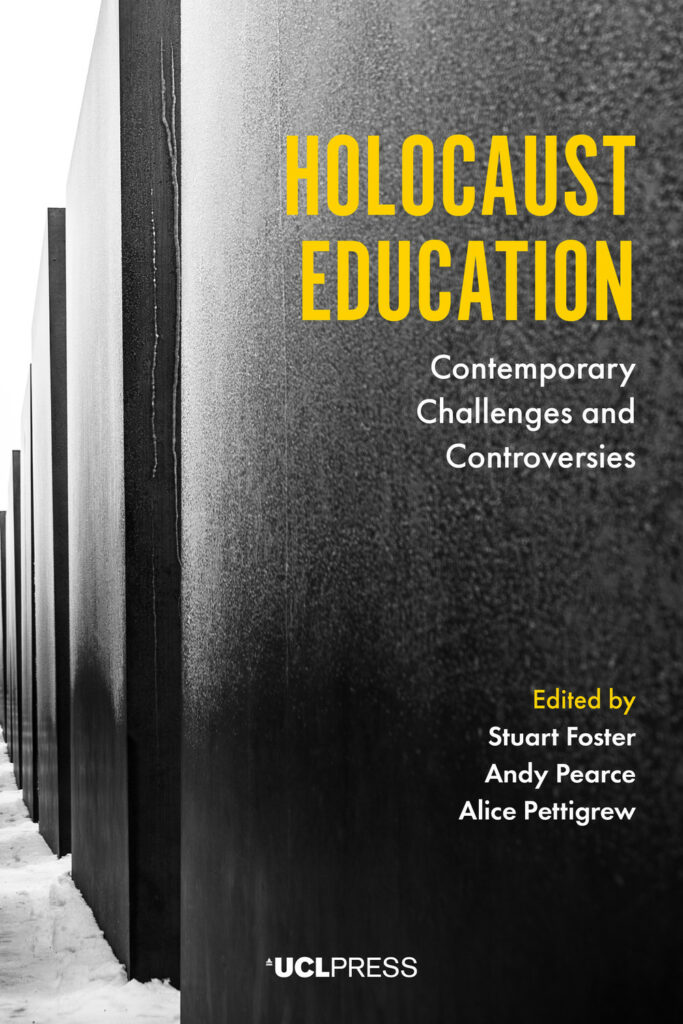
Holocaust Education

Teaching and learning about the Holocaust is central to school curriculums in many parts of the world. As a field for discourse and a body of practice, it is rich, multidimensional and innovative. But the history of the Holocaust is complex and challenging, and can render teaching it a complex and daunting area of work.

Drawing on landmark research into teaching practices and students’ knowledge in English secondary schools, Holocaust Education: Contemporary challenges and controversies provides important knowledge about and insights into classroom teaching and learning. It sheds light on key challenges in Holocaust education, including the impact of misconceptions and misinformation, the dilemmas of using atrocity images in the classroom, and teaching in ethnically diverse environments. Overviews of the most significant debates in Holocaust education provide wider context for the classroom evidence, and contribute to a book that will act as a guide through some of the most vexed areas of Holocaust pedagogy for teachers, teacher educators, researchers and policymakers.
Praise for Holocaust Education

‘This book will stimulate educators’ thinking about the challenges of teaching the Holocaust. …I would recommend [Stuart Foster’s] chapter [as] required reading for student history teachers, and teachers of the Holocaust. …Karayianni’s chapter on teaching about the Holocaust in the primary school provides empirical research in an under-researched area. …Lenga’s words of caution are accompanied by considered practical recommendations to support teachers in their duty of care to their pupils. These will be welcomed by educators of the Holocaust, Human Rights and Genocide alike.’
Educational Review

‘… A commanding exploration of the complex issues surrounding Holocaust education in the twentieth-century.’Holocaust Studies: A Journal of culture and History

Teaching and learning about the Holocaust is central to school curriculums in many parts of the world. As a field for discourse and a body of practice, it is rich, multidimensional and innovative. But the history of the Holocaust is complex and challenging, and can render teaching it a complex and daunting area of work.

Drawing on landmark research into teaching practices and students’ knowledge in English secondary schools, Holocaust Education: Contemporary challenges and controversies provides important knowledge about and insights into classroom teaching and learning. It sheds light on key challenges in Holocaust education, including the impact of misconceptions and misinformation, the dilemmas of using atrocity images in the classroom, and teaching in ethnically diverse environments. Overviews of the most significant debates in Holocaust education provide wider context for the classroom evidence, and contribute to a book that will act as a guide through some of the most vexed areas of Holocaust pedagogy for teachers, teacher educators, researchers and policymakers.
History and the Climate Crisis

History education has a key contribution to make in developing a deeper understanding of the current environmental crisis, but its role is too often overlooked. When embedded in the school curriculum, environmental history adds crucial layers of knowledge to the learning from other subjects and can enable students to make their own informed contributions to one of the most pressing concerns of the 21st century.

History and the Climate Crisis makes the case for including an environmental focus in the secondary school history curriculum by locating its arguments within established historiographical and revisionist debates. It provides much-needed subject knowledge in an area that is new for most history teachers. The author considers the disciplinary and pedagogical challenges and demonstrates how including an environmental focus can strengthen students’ disciplinary knowledge. She also builds her argument through the use of many examples and offers practical strategies for use in classrooms, including developed enquiries suitable for the secondary history curriculum. The book focuses on environmental history within a strong subject bound curriculum and will be relevant to teachers, academics and policymakers in the UK and internationally.

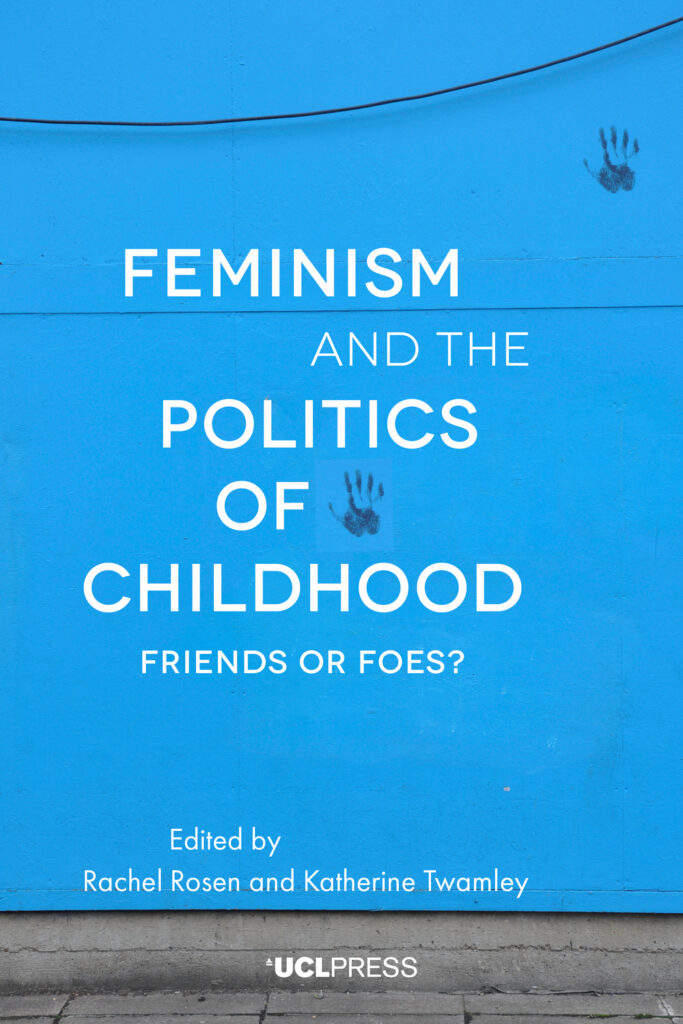
Feminism and the Politics of Childhood

Feminism and the Politics of Childhood offers an innovative and critical exploration of perceived commonalities and conflicts between women and children and, more broadly, between various forms of feminism and the politics of childhood. This unique collection of 18 chapters brings into dialogue authors from a range of geographical contexts, social science disciplines, activist organisations, and theoretical perspectives. The wide variety of subjects include refugee camps, care labour, domestic violence and childcare and education.

Chapter authors focus on local contexts as well as their global interconnections, and draw on diverse theoretical traditions such as poststructuralism, psychoanalysis, posthumanism, postcolonialism, political economy, and the ethics of care. Together the contributions offer new ways to conceptualise relations between women and children, and to address injustices faced by both groups.

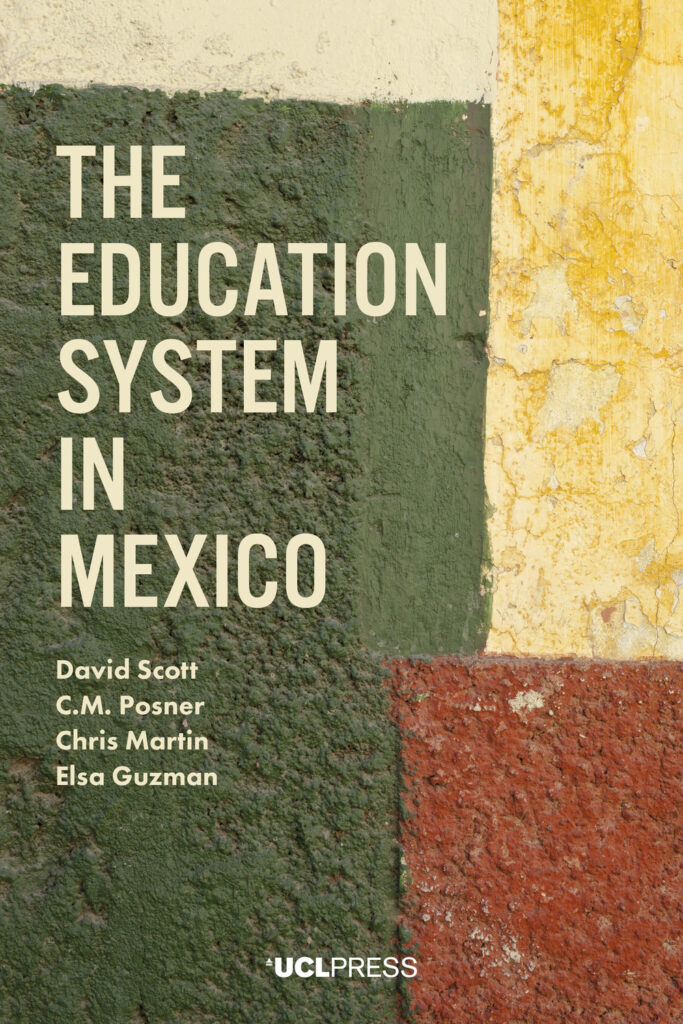
The Education System in Mexico

Over the last three decades, a significant amount of research has sought to relate educational institutions, policies, practices and reforms to social structures and agencies. A number of models have been developed that have become the basis for attempting to understand the complex relation between education and society. At the same time, national and international bodies tasked with improving educational performances seem to be writing in a void, in that there is no rigorous theory guiding their work, and their documents exhibit few references to groups, institutions and forces that can impede or promote their programmes and projects. As a result, the recommendations these bodies provide to their clients display little to no comprehension of how and under what conditions the recommendations can be put into effect.

The Education System in Mexico directly addresses this problem. By combining abstract insights with the practicalities of educational reforms, policies, practices and their social antecedents, it offers a long overdue reflection of the history, effects and significance of the Mexican educational system, as well as presenting a more cogent understanding of the relationship between educational institutions and social forces in Mexico and around the world.

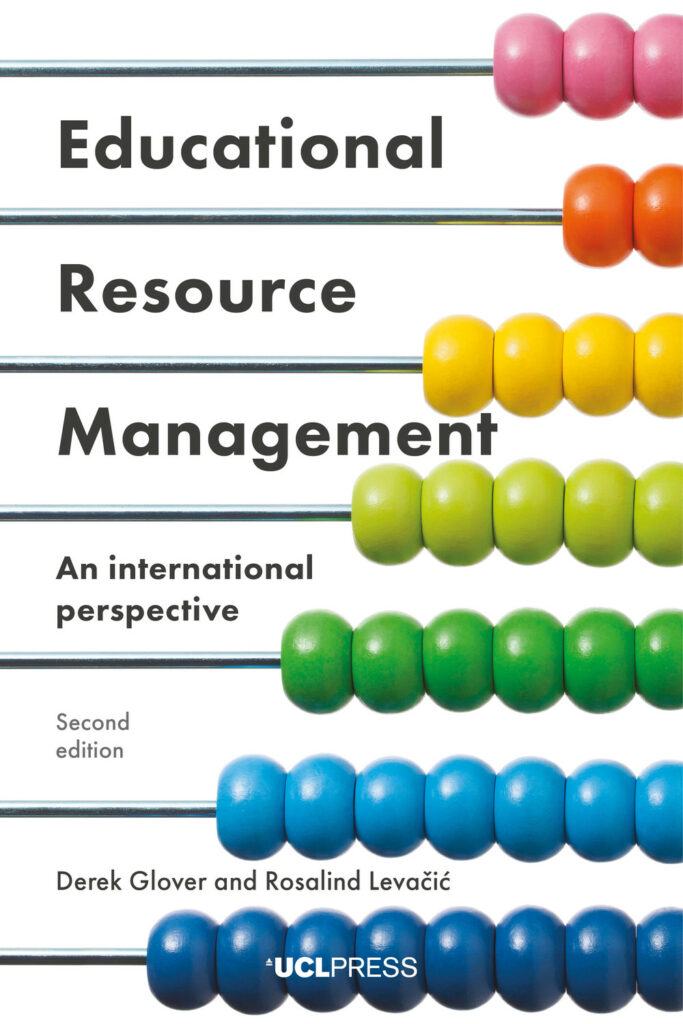
Educational Resource Management

The management of resources is a central duty for school and college leaders, but one for which they are often under-prepared. Good, contextual information and guidance are vital, especially as increased marketisation, international comparison and decentralised governance put additional pressure on leaders to manage their resources astutely. This second edition of Educational Resource Management: An International Perspective is an updated guide to all aspects of this key responsibility and how they are applied in today’s real-world situations across the globe.

Following a detailed overview of funding and resource management in public and private provision, the book looks at the criteria by which the effectiveness, efficiency and equity of the management of educational resources may be judged. It goes on to explore cost structures, budgets and the principles of asset management, all illustrated through case studies that draw on practitioner experiences and the authors’ observations in a range of national contexts. Concluding with a review of current tensions in educational resource management and pointers towards further study, the book is a succinct yet comprehensive guide for school and college leaders. It will be essential reading for those studying the subject as part of Masters and Professional Doctorate qualifications.

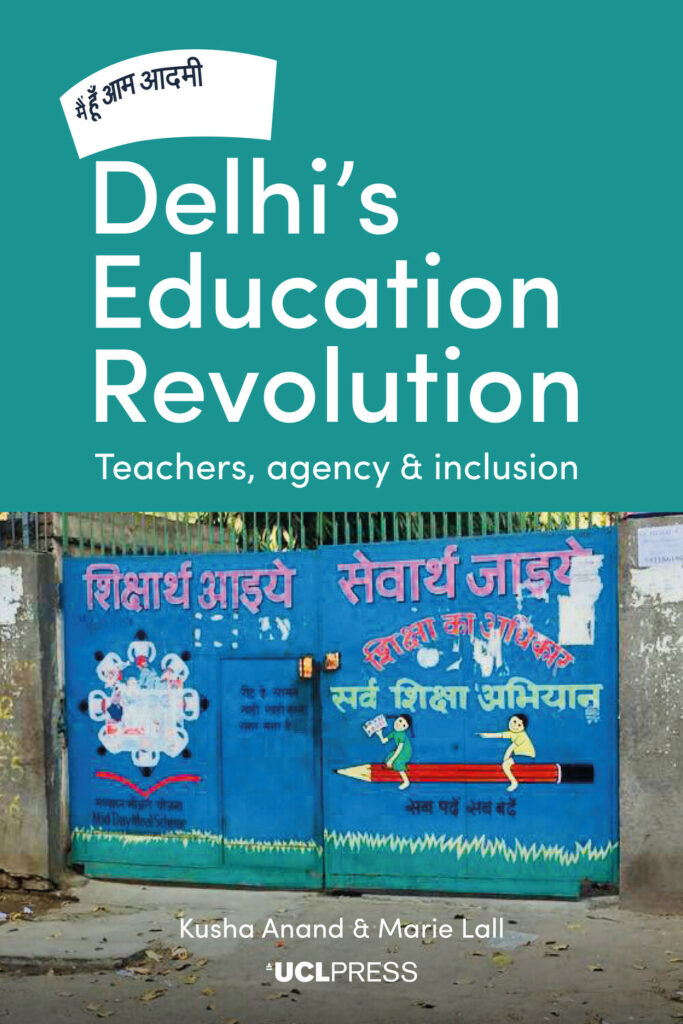
Delhi’s Education Revolution

In 2015, the Aam Aadmi Party (AAP) was elected to govern Delhi promising to improve public services, including education through government schools that would be the equal of private-school provision. Media reports, along with the party’s re-election in 2020, suggest strong public confidence that AAP are delivering on that promise. But is this success reflected by experience in schools?

Delhi’s Education Revolution offers a critical evaluation of the AAP’s education reforms by exploring policy and practice through the eyes of one key group: the government-school teachers tasked with making the AAP’s pledge a reality. Drawing on 110 research interviews conducted via Zoom during the Covid pandemic in the summer of 2020, teachers explain how the reforms have changed their profession and practice, and whether education really has improved for children of all backgrounds. Analysis of views about critical issues such as inclusion and the pressure of achievement targets in classrooms that often contain more than 50 students, informs their observations about the reform programme itself. The study paints a more qualified picture of success than suggested elsewhere and makes a valuable contribution to the understanding of education reforms in India, and most especially, in Delhi.

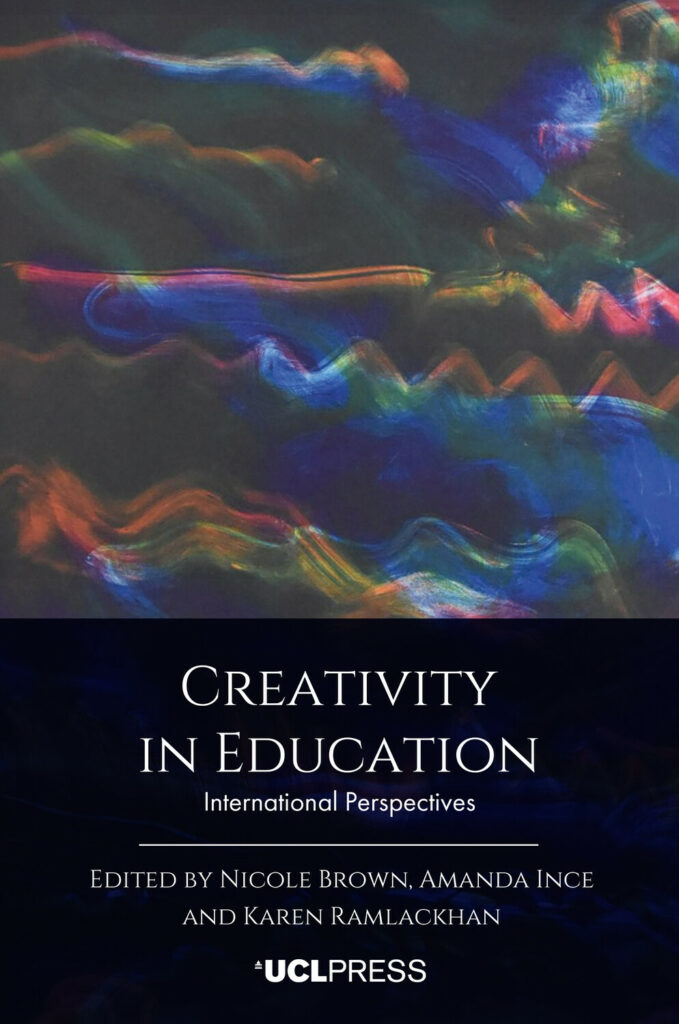
Creativity in Education

Creativity has become a buzzword across all disciplines in education and across all phases, from early years through to tertiary education. Although the meaning of creativity can change vastly depending on the global educational setting, it is impossible to ignore the applicability and relevance of creativity as an educational tool, philosophical framework and pedagogical approach.

Through case studies of creativity in varying settings and diverse contexts, this collection explores the ground-breaking work undertaken internationally to support, develop and future-proof learners with, and for, creativity. The chapters are centred around a practice based enquiry or other forms of empirical research. This provides the scholarly basis upon which creativity is continuously reconceptualised and redefined in the educational and country-specific context of each study. Contributors from different countries then provide critical, reflective and analytical responses to each chapter. These conversational responses focus further on international education perspectives and provide a dialogue for educators into how methods and approaches can be transferred, translated and contextually mediated for different environments. Through the case studies and responses, Creativity in Education provides practical insights for application in a wide range of educational settings and contexts, such as the use of art exhibitions and object-work, as well as more philosophical approaches to teacher education, leadership for learning and creativity as a universal phenomenon.

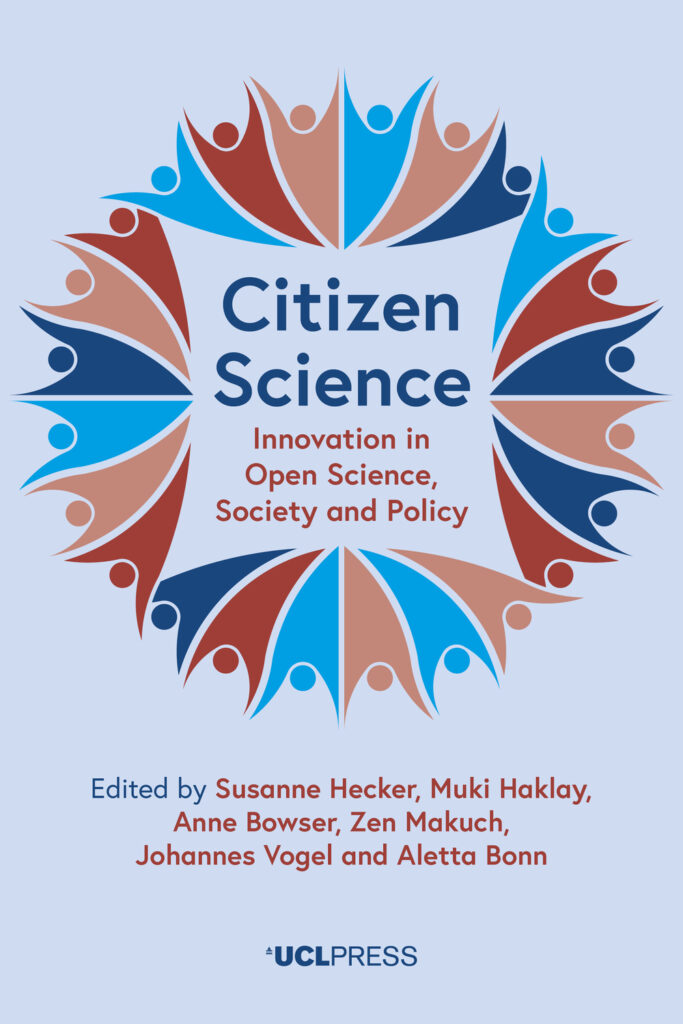
Citizen Science

Citizen science, the active participation of the public in scientific research projects, is a rapidly expanding field in open science and open innovation. It provides an integrated model of public knowledge production and engagement with science. As a growing worldwide phenomenon, it is invigorated by evolving new technologies that connect people easily and effectively with the scientific community. Catalysed by citizens’ wishes to be actively involved in scientific processes, as a result of recent societal trends, it also offers contributions to the rise in tertiary education. In addition, citizen science provides a valuable tool for citizens to play a more active role in sustainable development.

This book identifies and explains the role of citizen science within innovation in science and society, and as a vibrant and productive science-policy interface. The scope of this volume is global, geared towards identifying solutions and lessons to be applied across science, practice and policy. The chapters consider the role of citizen science in the context of the wider agenda of open science and open innovation, and discuss progress towards responsible research and innovation, two of the most critical aspects of science today.

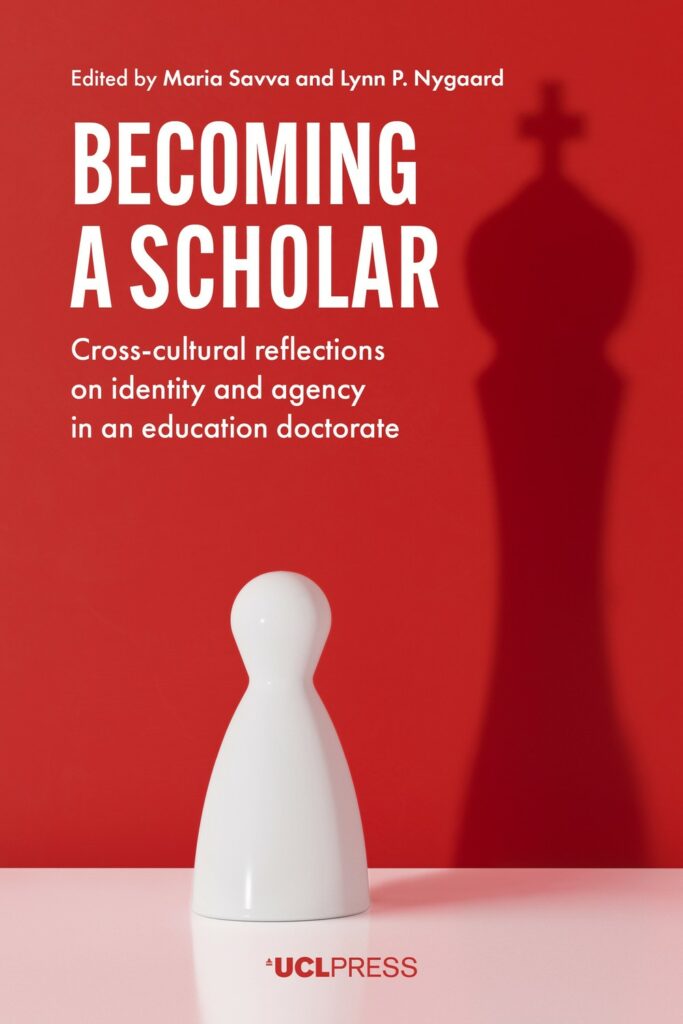
Becoming a Scholar

Becoming a Scholar provides a window into the lives of nine non-traditional doctoral students. As mature, part-time, international students enrolled in a professional doctorate programme, they reflect on the transformation process of becoming scholars, and their narratives provide breadth and depth to themes that represent a diverse cross-section of cultures, identities and communities.

Recognising that the process of becoming a scholar is as much internal as it is external, the book provides an opportunity to engage with authentic personal stories that remain firmly rooted in academic literature. By bringing the ‘human face’ behind the doctoral journey to the forefront, the narratives draw much-needed attention to the personal journey that inevitably parallels and intersects with the academic journey. Although the narratives are drawn from a professional Doctor in Education (EdD) programme based in the UK, the struggles are sure to resonate with a much wider range of doctoral students and academics, sparking lively discussion, debate and reflection. A must-read for students preparing to embark on the doctoral journey, and essential reading for doctoral programmes that wish to equip students with important knowledge about the challenges ahead.

Sign up to our newsletter

Don't miss out!
Subscribe to the UCL Press newsletter for the latest open access books,
journal CfPs, news and views from our authors and much more!