We are currently upgrading our shopping cart; in the interim all orders are being diverted to Waterstones. If you would like to redeem a promotional code, or are an author wanting to place an order, please email us.

Contact us

The Correspondence of Jeremy Bentham, Volume 14

This volume, which supplements the main chronological series of The Correspondence of Jeremy Bentham, contains 252 letters written to and from Jeremy Bentham, 19 letters written to and from individuals other than Bentham but containing material of biographical interest, and the will made by Bentham on 17 August 1785. The letters have either never before been published or been only partially published in previous volumes of The Correspondence. A large number of the letters were written by Bentham’s brother Samuel on his journey to Russia and during his sojourn in Russia, covering the years 1779 to 1791. This meticulously researched and richly annotated volume contains much new information of biographical interest and deepens our knowledge of Bentham’s relationship with his family, with the panopticon penitentiary scheme, and with such ‘disciples’ as Étienne Dumont, Henry Bickersteth, and Leicester Stanhope. Of particular interest will be correspondence with Prince Grigory Alexandrovich Potemkin, Sir Samuel Romilly, Jacques Pierre Brissot de Warville, and John Quincy Adams.
Bringing Powerful Knowledge into Classrooms

Powerful knowledge equips students with the capacity to engage with systematic, disciplinary thinking, to imagine futures that are not yet conceived and think what is yet to be thought. Bringing Powerful Knowledge into Classrooms explores how teachers develop such knowledge in classrooms by transforming disciplinary understandings through subject teaching that responds to the educational needs of society.

Drawing on Bernstein’s concept of recontextualisation and theories of teacher agency, the book examines how teachers navigate the boundaries between academic disciplines, school subjects and everyday knowledge. Through empirical case studies from England, Finland and Sweden, it illustrates how teachers’ decisions are shaped by national expectations, institutional frameworks and classroom dynamics. Combining Anglophone and Nordic traditions in subject teaching with curriculum theory and classroom research, the book offers a theoretically grounded yet practical account of how teachers recontextualise knowledge. It develops new insights into teacher agency and recontextualisation which are highly relevant to teacher education, curriculum design and educational policy. By focusing on real-life teaching across a range of subjects, the book deepens our understanding of how powerful knowledge is brought into classrooms and how teachers can be supported in this vital work.

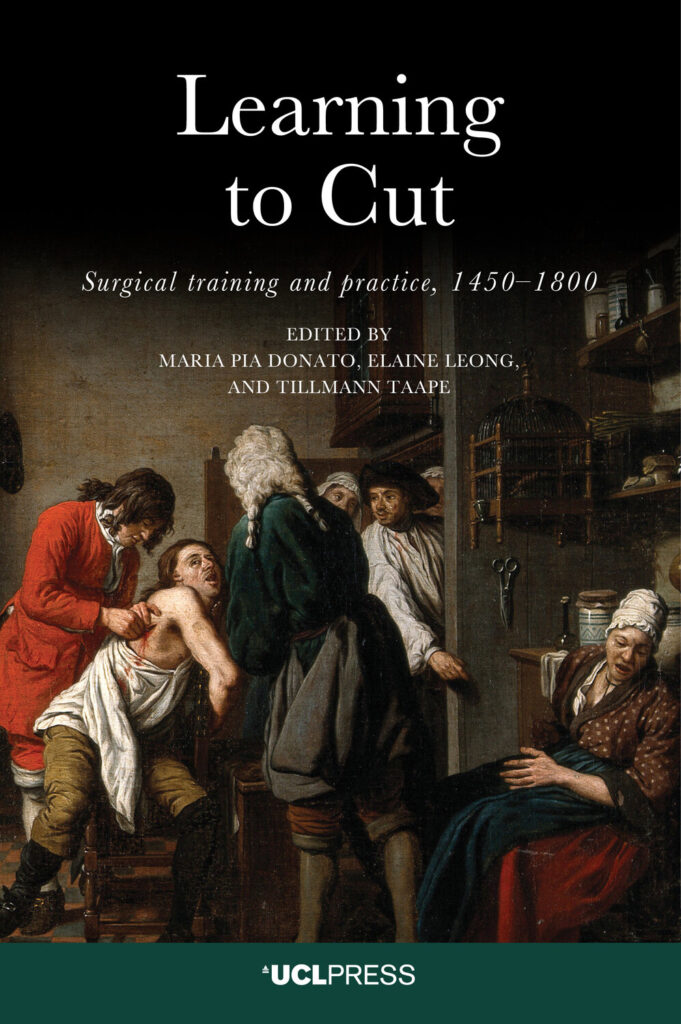
Learning to Cut

Across early modern Europe, surgeons played a key role in the provision of everyday healthcare. They dressed wounds, lanced boils, set bones, treated tumours, as well as performing specialist operations such as couching cataracts or cutting for the stone. They carried out anatomies and autopsies, prepared corpses for embalming, and, if they were entitled to do so, occasionally performed major operations such as removing cancers, amputating limbs, and trepanning skulls. Yet, while recent studies have done much to elucidate the work of surgeons, little has been published about how they were trained.

Learning to Cut fills this significant gap. A range of case studies from the French, Italian, German, and English contexts reveal diverse modes of surgical teaching and learning in early modern towns and cities, and how they were shaped by existing social, economic, and occupational structures. Equally varied were the spaces and institutions where prospective practitioners learned and experienced surgery. Thus, the shop, the patient’s house, the hospital, the guild hall, and the anatomy theatre were all sites for learning, teaching – and cutting. The chapters present rich narratives of education and, together, shed new light on the practice of early modern surgery.

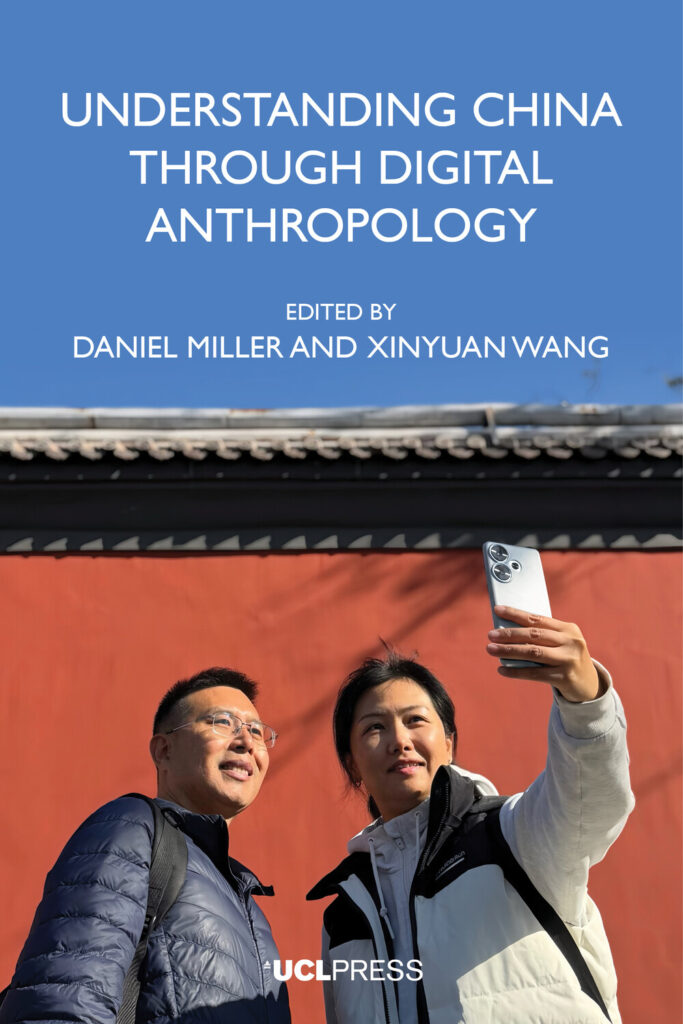
Understanding China through Digital Anthropology

Understanding China through Digital Anthropology questions our understanding of digital technologies by demonstrating fundamental differences in the meaning of both technology and the digital between China and the West. This follows from a longstanding historical divergence in the meaning of and attitude to the relationship between technology and humanity.

The book also challenges our understanding of China through a series of case studies that range from the creation of algorithms, the normative basis of social media and the impact of digital communication on diverse fields including economic practices, gender, media and healthcare. These further demonstrate the value of long-term ethnographic studies that situate people’s online activities in their everyday offline lives. These case studies are testimony to the continued heterogeneity of China in covering sophisticated urban IT professionals, Tibetan villagers and grassroots women struggling to make a living. All of this contributes to a new understanding of a contemporary China that has been transformed by the sheer scale and dynamism manifested in the deployment of digital technologies. The book also includes an extensive summary of work undertaken by scholars inside China on digital anthropology and previously only available in Chinese.

Knowledge and Knowing in Media and Film Studies

For traditional subjects such as History, Art and Science, debate about the nature of knowledge in the school curriculum has produced a growing literature on the relationship between disciplinary knowledge and what is taught in schools. For newer subjects, however, the path is less clear.

Knowledge and Knowing in Media and Film Studies is the first book to grapple with the question for these two related subjects. Steve Connolly argues that, while Media and Film Studies each have a clear epistemological base, consideration of craft skills alongside factual knowledge and criticality has led to the development of different criteria for what constitutes valuable knowledge than in traditional school subjects. The book problematises this difference through a genealogy of both subjects as they appear in the English school curriculum, charting their historical and disciplinary origins within that system. In so doing it finds that, far from being ‘new’ subjects, Media and Film Studies have parallel histories with more established subjects. Using a range of primary and secondary data, including interviews with media and film teachers, case studies and historical sources, the book provides an account of knowledge and knowing in school Media Studies and Film Studies, which both consolidates existing views and proposes some new perspectives.

Architecture as a Way of Seeing and Learning

At the beginning of 2020, 66 long-term refugee camps existed along the East African Rift. Millions of young children have been born at the camps and have grown up there, yet it is unknown how their surrounding built environments affect their learning and development.

Architecture as a Way of Seeing and Learning presents an architect’s take on questions many academics and humanitarians ask. Is it relevant to look at camps through an urban lens and focus on their built environment? Which analytical benefits can architectural and design tools provide to refugee assistance and specifically to young children’s learning? And which advantages can assemblage thinking and situated knowledges bring about in analysing, understanding and transforming long-term refugee camps?

Responding to the extreme lack of information about East African camps, Nerea Amorós Elorduy has built contextualised knowledge – nuanced, situated and participatory – to describe, study and transform the East African long-term camps, and uncover hidden agencies in refugee assistance. She uses architecture as a means to create new knowledge collectively, include more local voices and speculate on how to improve the educational landscape for young children.

With this book, Amorós Elorduy brings nuance, contextualisation and empathy to the study and management of long-term refugee camps in East Africa. It is empathy, she argues, that will help change mindsets, decolonise humanitarian refugee assistance and its study. Crossing architecture, humanitarian aid and early career development, this book offers many practical learnings.

Laughter in the Classroom

Set in a London secondary modern school and televised between 1968 and 1972, the situation comedy Please Sir! was produced for the Independent Television (ITV) network by the newly formed company London Weekend Television (LWT). Popular with audiences and recognised by many critics as an innovative contribution to the sitcom genre as it evolved during the late 1960s, Please Sir! has nevertheless received remarkably little sustained attention from scholars. That silence is filled by this volume.

Please Sir! featured the lives of young working-class people in a distinctive manner that blended realism and romanticism. In an engaging narrative, Gillian Mitchell explores the programme’s background, its comedic style, cast of characters and depictions of contemporary issues, from educational matters to questions of gender, generation, race and ethnicity. She explores the positive contribution of LWT’s early ambitions to the success of Please Sir!, then turns to the impact on the programme’s immediate and long-term reputation of crises that afflicted LWT as it failed in its audacious bid to alter the ‘popular’ image of ITV with its highbrow programming. Ultimately, the book argues that Please Sir! reveals much about the social, cultural and televisual era in which it was produced.

Critical Heritage and Social Justice

Critical Heritage and Social Justice brings together insights and experiences of scholars and practitioners working across heritage, museums, galleries, and cultural institutions to explore how principles of social justice can be embedded within these spaces. Bridging theoretical frameworks with practical applications, it presents a range of case studies and critical reflections that illuminate pathways toward transformative, justice-oriented heritage practices. Using Nancy Fraser’s three-dimensional justice framework of redistribution, recognition, and representation, the book situates social justice at the heart of critical heritage studies, highlighting its intersections with urgent global challenges including the climate crisis, conflict, forced migration, and widening social, cultural and economic inequalities. All these issues demand inclusive, equitable and community-engaged approaches within the heritage sector.

Each chapter considers how to support communities, particularly those that are marginalised, by linking heritage to broader social justice struggles, addressing structural inequalities, promoting interdisciplinary collaboration, and fostering inclusive education and curatorial practices. Contributors from diverse disciplinary backgrounds – including anthropology, archaeology, architecture, conservation, education, science communication, and urban planning – offer rich, cross-sectoral perspectives. Through this collaborative and critically engaged approach, the volume articulates new conceptual and methodological directions for advancing social justice through heritage work, responding to the urgent demands of a fragmented and rapidly evolving world.

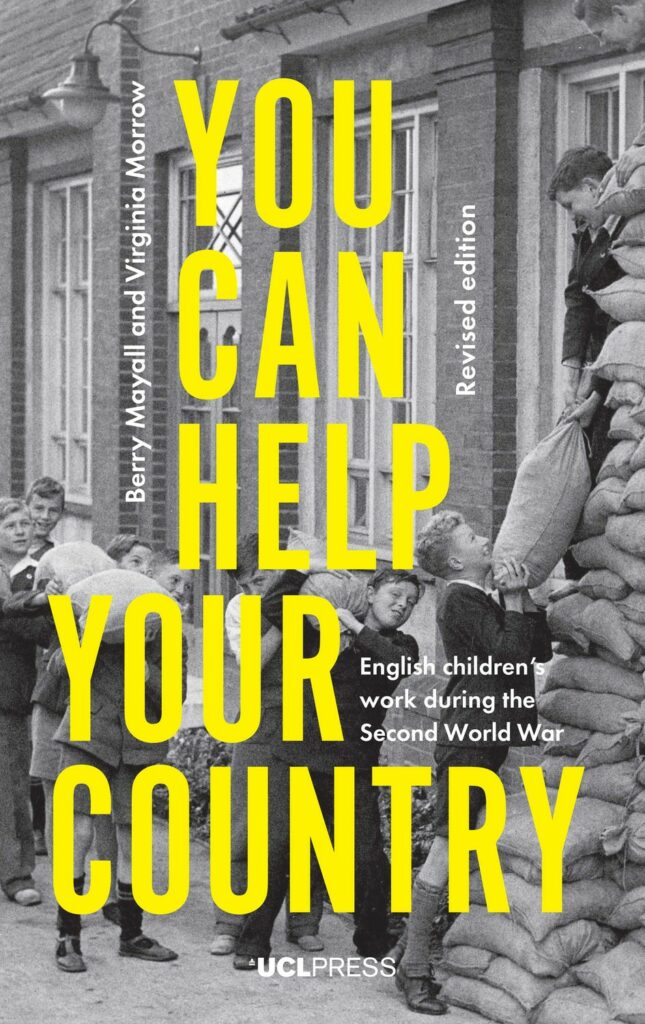
You Can Help Your Country

First published in 2011, You Can Help Your Country: English children’s work during the Second World War reveals the remarkable, hidden history of children as social agents who actively participated in a national effort during a period of crisis. In praise of the book, Hugh Cunningham, celebrated author of The Invention of Childhood, wrote: ‘Think of children and the Second World War, and evacuation comes immediately to mind. Berry Mayall and Virginia Morrow have a different story to tell, one in which all the children of the nation were encouraged to contribute to the war effort. Many responded enthusiastically. Evidence from school magazines and oral testimony shows children digging for victory, working on farms, knitting comforts for the troops, collecting waste for recycling, running households. What lessons, the authors ask, does this wartime participation by children have for our own time? The answers are challenging.’You Can Help Your Countryis a stimulating, entertaining and scholarly contribution to the history of childhood, prompting thought about childhood today and on children’s rights, as citizens, to participate in social and political life. This revised edition includes a new preface and illustrations, and offers an up-to-date reflection on the relevance of thinking historically about children’s work for global campaigns to end child labour. It is essential reading for academics, researchers and students in childhood studies, the sociology of childhood and children’s rights. Its engaging style will also appeal to anyone interested in social history and the history of the Second World War.

The World of UCL

From its foundation in 1826, UCL embraced a progressive and pioneering spirit. It was the first university in England to admit students regardless of religion, and made higher education affordable and accessible to a much broader section of society. It was also effectively the first university to welcome women on equal terms with men. From the outset, UCL showed a commitment to innovative ideas and new methods of teaching and research.

This book charts the history of UCL from 1826 through to the present day, highlighting its many contributions to society in Britain and around the world. It covers the expansion of the university through the growth in student numbers and institutional mergers. It documents shifts in governance throughout the years, and the changing social and economic context in which UCL operated, including challenging periods of reconstruction after two World Wars.

Today UCL is one of the powerhouses of research and teaching, and a truly global university. It is currently seventh in the QS World University Rankings. This completely revised and updated edition features a new chapter based on interviews with key individuals at UCL. It comes at a time of ambitious development for UCL with the establishment of an entirely new campus in East London, UCL East, and Provost Michael Arthur’s ‘UCL 2034’ strategy which aims to secure the university’s long-term future and commits UCL to delivering global impact.

Sign up to our newsletter

Don't miss out!
Subscribe to the UCL Press newsletter for the latest open access books,
journal CfPs, news and views from our authors and much more!