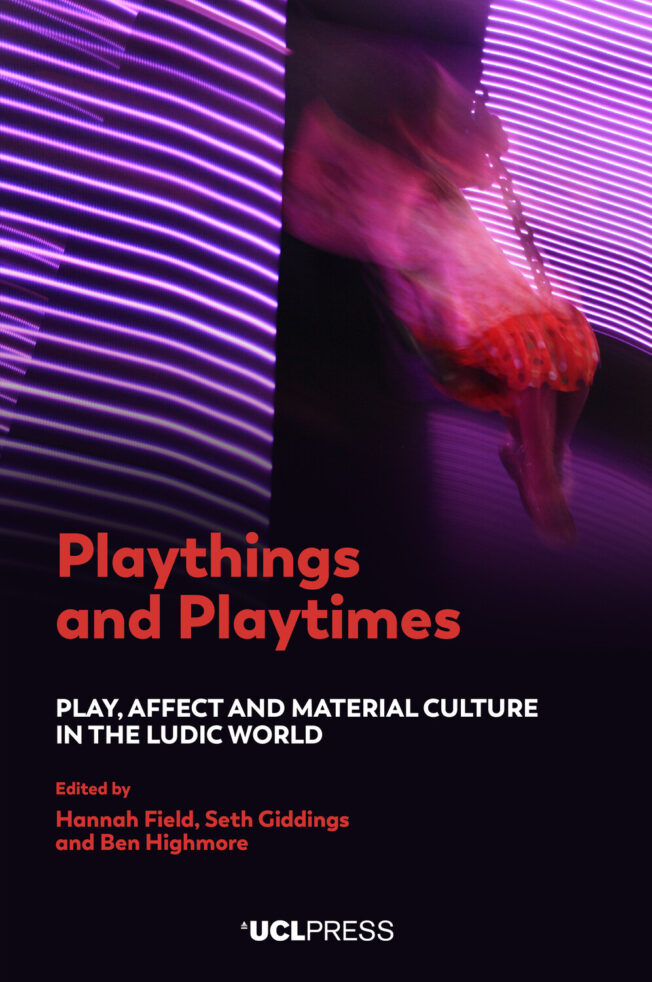

Playthings and Playtimes
Play, affect and material culture in the ludic world
Hannah Field (Editor), Seth Giddings (Editor), Ben Highmore (Editor)
In 2024 at the Barbican Art Gallery in London, the Mexico-based Belgian artist Francis Alÿs exhibited films of children from across the world playing with sticks, hoops, marbles and other toys. The implication was clear: play feels and looks like a universal language but takes on specific local forms. Using this as a starting point, Playthings and Playtimes explores the conflict and contradictions that circulate when play is simultaneously recognized as a species attribute (part of human nature) and as something crucially differentiated across time and space by design, technology, sentiment, pedagogic values and so on. The chapters in this volume demonstrate this interplay between the fixed and the mutable. Topics range from the elaborate miniature worlds made by H. G. Wells and his sons to digitized fidget spinners, from avant-garde Uruguayan artist Joaquín Torres-García’s wooden blocks to the playground spaces of Kuwait, and from the much-maligned plastic toy to the new museum Young V&A. Together, they bring play and the world of feelings into sustained contact with the history of material culture and design, psychoanalysis, childhood studies and other disciplines concerned with play culture. In the process, Playthings and Playtimes investigates key elements of a humanities approach to the modern world through the prism of play’s affective materiality.

Toby Butler, Felix Driver, Barbara Brayshay, Chris Church, Jeremy Iles, Oli Mould, Saskia Papadakis,
12 November 2026
How Alex Bloom Built Radical Democratic Secondary Education in Post-war London
Michael Fielding, Mark Erickson,
15 September 2026
Creating a Framework for Developing Sessional Teachers in Higher Education
Neil Sutherland, Alex Standen,
24 August 2026
Bringing Powerful Knowledge into Classrooms
Mark Hardman, Marie Nilsberth, Mikko Puustinen,
02 July 2026
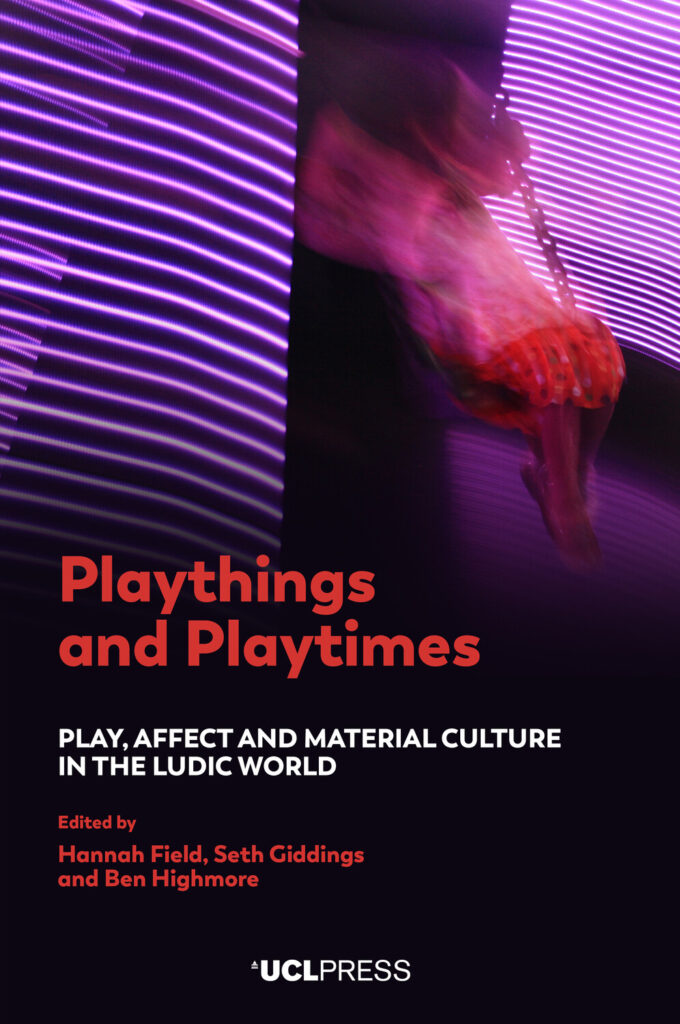
Playthings and Playtimes
Play, affect and material culture in the ludic world
Publication date: October 29, 2025
Open Access PDF ISBN: 9781800089624
Paperback ISBN: 9781800089617
Hardback ISBN: 9781800089600
Trim size (hardback): 23.4cm x 15.6cm
Trim size (paperback): 23.4cm x 15.6cm

In 2024 at the Barbican Art Gallery in London, the Mexico-based Belgian artist Francis Alÿs exhibited films of children from across the world playing with sticks, hoops, marbles and other toys. The implication was clear: play feels and looks like a universal language but takes on specific local forms. Using this as a starting point, Playthings and Playtimes explores the conflict and contradictions that circulate when play is simultaneously recognized as a species attribute (part of human nature) and as something crucially differentiated across time and space by design, technology, sentiment, pedagogic values and so on. The chapters in this volume demonstrate this interplay between the fixed and the mutable. Topics range from the elaborate miniature worlds made by H. G. Wells and his sons to digitized fidget spinners, from avant-garde Uruguayan artist Joaquín Torres-García’s wooden blocks to the playground spaces of Kuwait, and from the much-maligned plastic toy to the new museum Young V&A. Together, they bring play and the world of feelings into sustained contact with the history of material culture and design, psychoanalysis, childhood studies and other disciplines concerned with play culture. In the process, Playthings and Playtimes investigates key elements of a humanities approach to the modern world through the prism of play’s affective materiality.