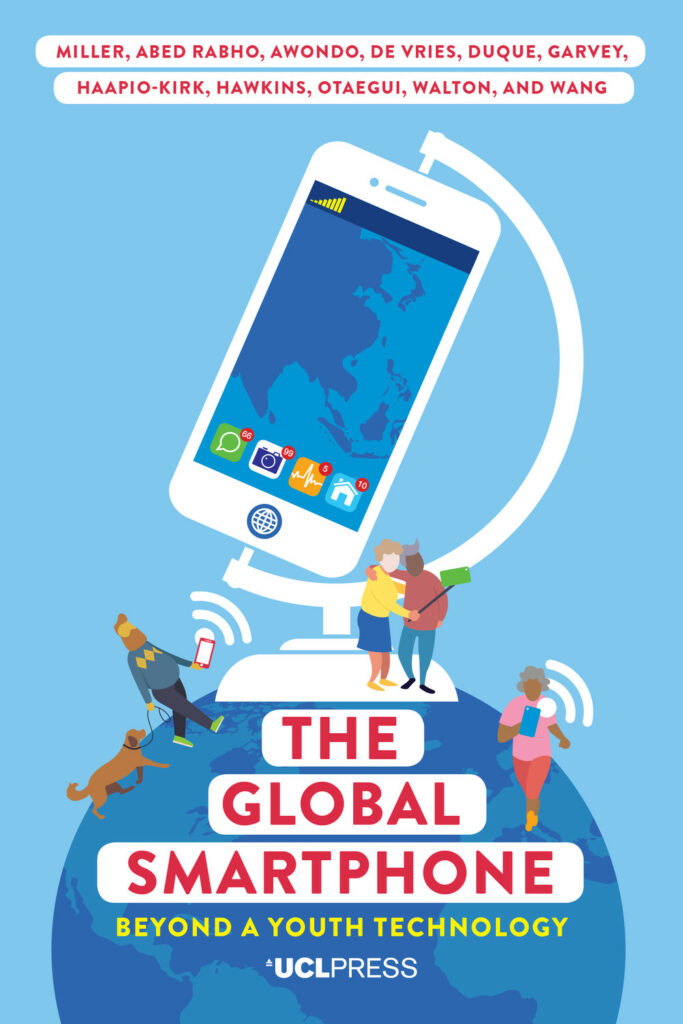
The Global Smartphone

The smartphone is often literally right in front of our nose, so you would think we would know what it is. But do we? To find out, 11 anthropologists each spent 16 months living in communities in Africa, Asia, Europe and South America, focusing on the take up of smartphones by older people. Their research reveals that smartphones are technology for everyone, not just for the young.

The Global Smartphone presents a series of original perspectives deriving from this global and comparative research project. Smartphones have become as much a place within which we live as a device we use to provide ‘perpetual opportunism’, as they are always with us. The authors show how the smartphone is more than an ‘app device’ and explore differences between what people say about smartphones and how they use them.

The smartphone is unprecedented in the degree to which we can transform it. As a result, it quickly assimilates personal values. In order to comprehend it, we must take into consideration a range of national and cultural nuances, such as visual communication in China and Japan, mobile money in Cameroon and Uganda, and access to health information in Chile and Ireland – all alongside diverse trajectories of ageing in Al Quds, Brazil and Italy. Only then can we know what a smartphone is and understand its consequences for people’s lives around the world.

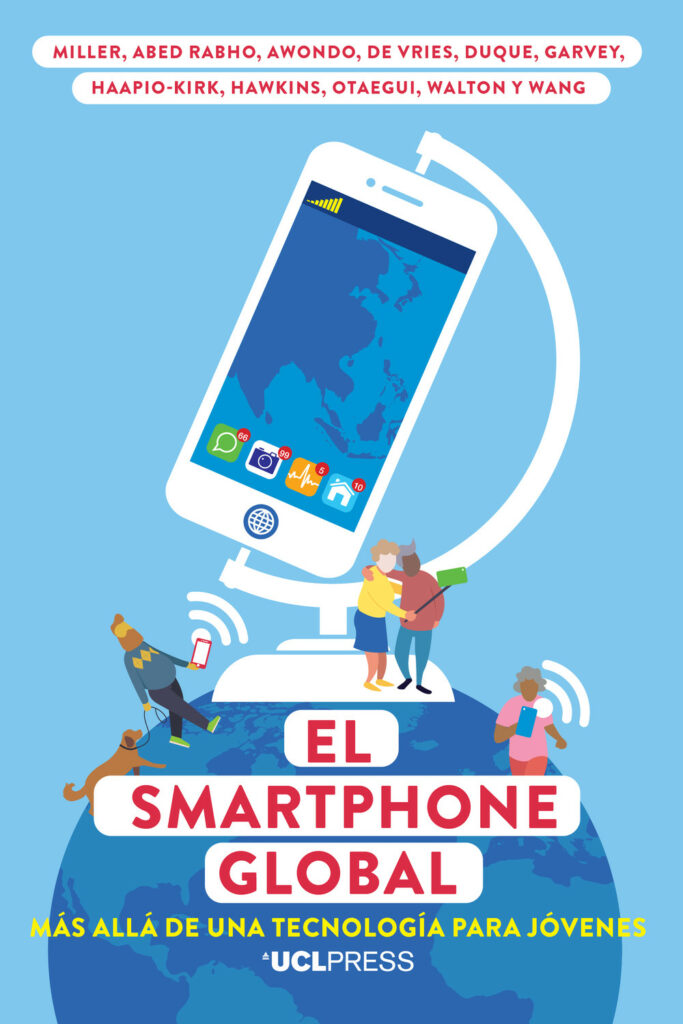
El Smartphone Global: Más allá de una tecnología para jóvenes

El smartphone suele estar literalmente frente a nuestras narices, por eso creemos saber lo que es. ¿Pero lo sabemos? Para responder a esta pregunta, once antropólogos vivieron durante 16 meses en comunidades de África, Asia, Europa y Sudamérica, enfocándose en el uso de smartphones por gente mayor. Sus investigaciones revelan que son una tecnología para todos, no solo para los jóvenes.

El Smartphone Global presenta una serie de nuevas perspectivas que emergen de este proyecto de investigación global y comparativo. El smartphone se ha convertido tanto en un lugar dentro del cual vivimos como en un aparato que usamos para tener “oportunismo perpetuo”, pues siempre está con nosotros. Los autores muestran cómo el smartphone es más que un “aparato con aplicaciones” y exploran las diferencias entre lo que las personas dicen de él y la forma en cómo lo usan.

El smartphone no tiene precedentes por el grado en el cual podemos transformarlo. Como resultado, rápidamente asimila nuestros valores personales. Para comprenderlo debemos considerar una serie de matices nacionales y culturales, tales como la comunicación visual en China y Japón, el dinero móvil en Camerún y Uganda, y el acceso a la información de salud en Chile e Irlanda, junto a las diversas trayectorias del envejecimiento en Al-Quds, Brasil e Italia. Solo entonces sabremos qué es el smartphone y podremos comprender sus consecuencias en las vidas de las personas alrededor del mundo.

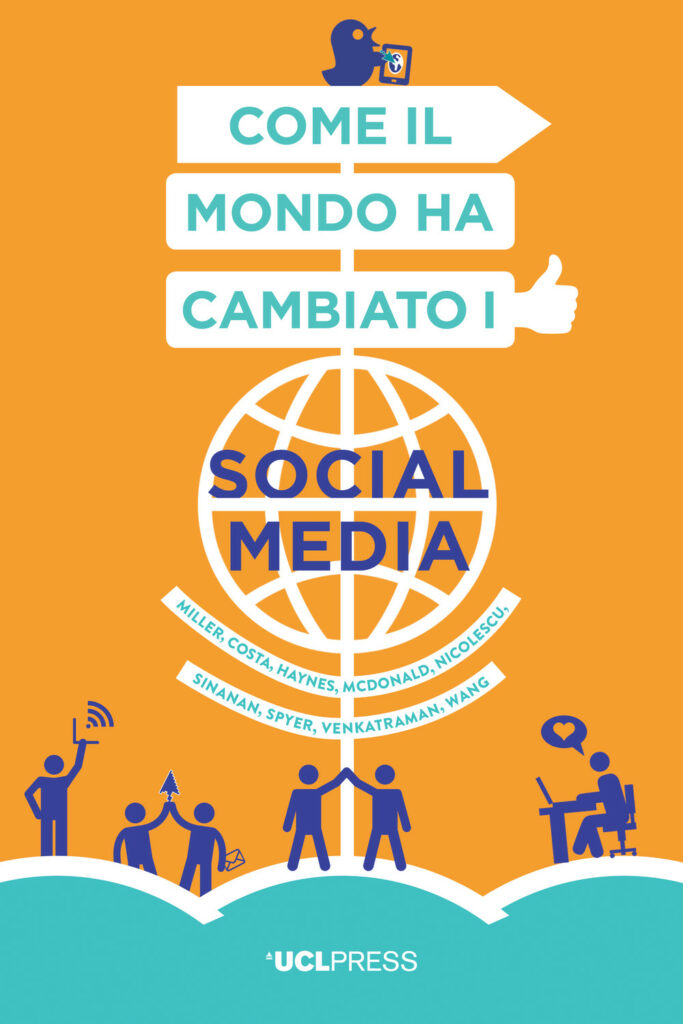
Come il mondo ha cambiato i social media

Come il mondo ha cambiato i social media è il volume complessivo di comparazione dei risultati di un’ampia indagine etnografica, coordinata da Daniel Miller, dall’eloquente titolo “Why We Post”. Nove ricercatori, incluso Miller, hanno trascorso 15 mesi sul campo, in diversi paesi del mondo (Italia del sud, Turchia sudorientale, due siti in Cina, area rurale e area industriale, Trinidad, Inghilterra, India del sud, Cile settentrionale e Brasile) a osservare e studiare, con un approccio etnografico, i modi in cui le persone usano i social media. È un fatto indiscutibile che i social sono entrati nella nostra vita con prepotenza, in modo capillare, per certi aspetti invasivo. Con un linguaggio fluido, talvolta anche colloquiale, il lettore è condotto all’interno di un ambito che gli sembra di conoscere, se non altro perché ne siamo tutti, più o meno, utenti, scoprendo però quanto di valori, di comportamenti culturalmente codificati, di ‘polizia morale’ ci sia dentro i social media. L’approccio qui presentato parte infatti da un’idea un po’ diversa rispetto a quelle più diffuse, e avvalorata nel corso della ricerca: se è indubbio che i social media hanno cambiato il mondo, la questione più interessante riguarda però il modo in cui il mondo li ha cambiati.

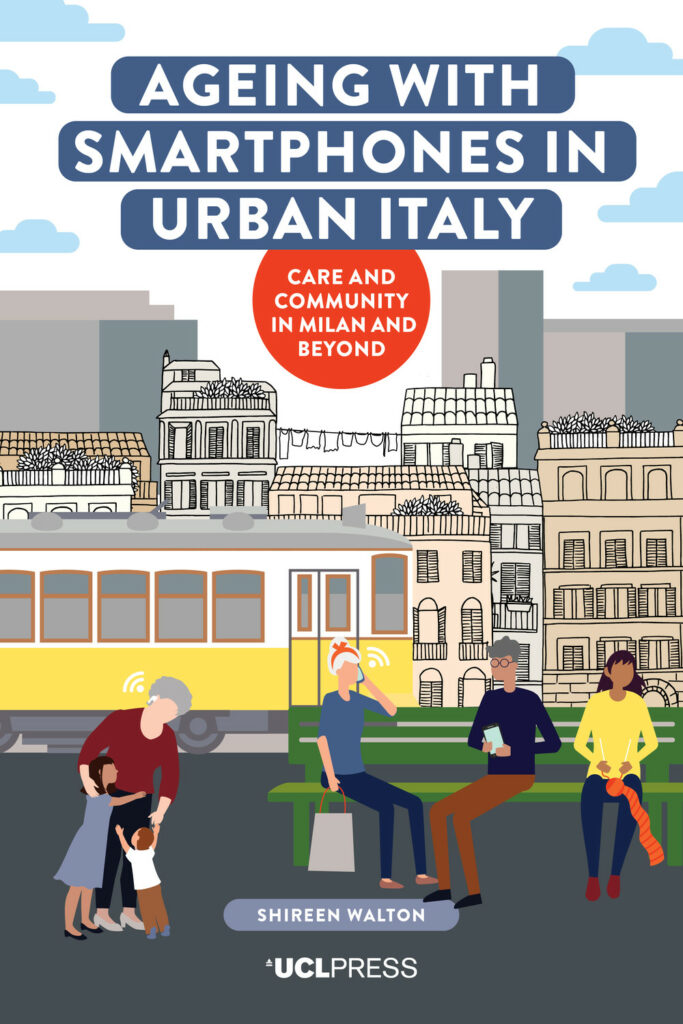
Ageing with Smartphones in Urban Italy

‘Who am I at this (st)age? Where am I and where should I be, and how and where should I live?’ These questions, which individuals ask themselves throughout their lives, are among the central themes of this book, which presents an anthropological account of the everyday experiences of age and ageing in an inner-city neighbourhood in Milan, and in places and spaces beyond.

Ageing with Smartphones in Urban Italy explores ageing and digital technologies amidst a backdrop of rapid global technological innovation, including mHealth (mobile health) and smart cities, and a number of wider socio-economic and technological transformations that have brought about significant changes in how people live, work and retire, and how they communicate and care for each other.

Based on 16 months of urban digital ethnographic research in Milan, the smartphone is shown to be a ‘constant companion’ in, of and for contemporary life. It accompanies people throughout the day and night, and through individual and collective experiences of movement, change and rupture. Smartphone practices tap into and reflect the moral anxieties of the present moment, while posing questions related to life values and purpose, identities and belonging, privacy and sociability.

Through her extensive investigation, Shireen Walton argues that ageing with smartphones in this contemporary urban Italian context is about living with ambiguity, change and contradiction, as well as developing curiosities about a changing world, our changing selves, and changing relationships with and to others. Ageing with smartphones is about figuring out how best to live together, differently.

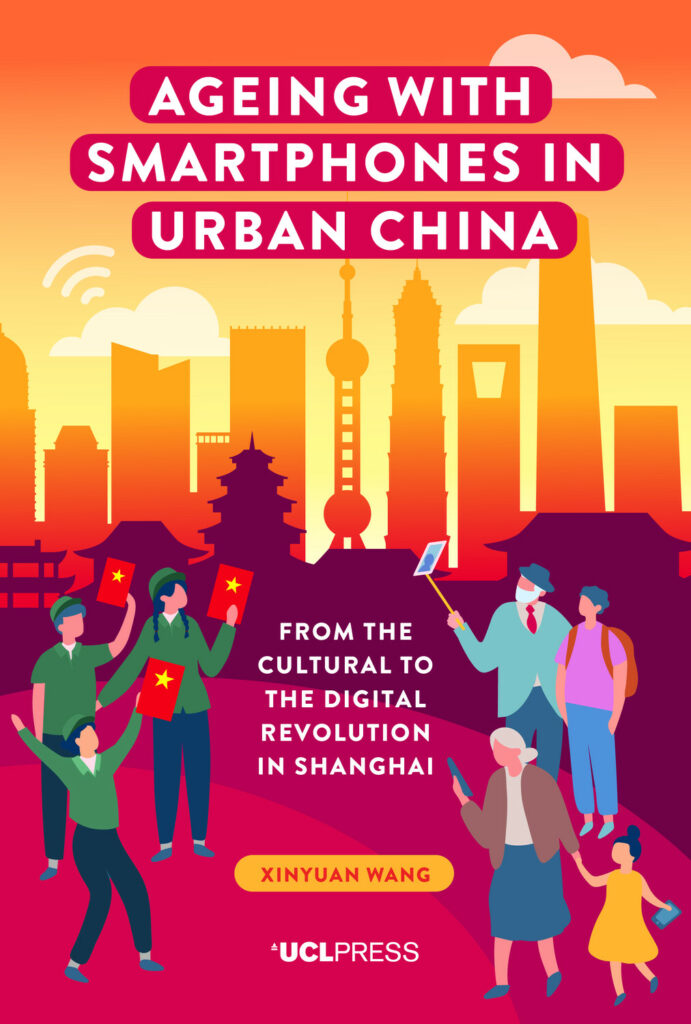
Ageing with Smartphones in Urban China

If we want to understand contemporary China, the key is through understanding the older generation. This is the generation in China whose life courses almost perfectly synchronised with the emergence and growth of the ‘New China’ under the rule of the Communist Party (1949). People in their 70s and 80s have double the life expectancy of their parents’ generation. The current oldest generation in Shanghai was born in a time when the average household could not afford electric lights, but today they can turn their lights off via their smartphone apps.

Based on 16-month ethnographic fieldwork in Shanghai, Ageing with Smartphones in Urban China tackles the intersection between the ‘two revolutions’ experienced by the older generation in Shanghai: the contemporary smartphone-based digital revolution and the earlier communist revolutions. We find that we can only explain the smartphone revolution if we first appreciate the long-term consequences of these people’s experiences during the communist revolutions.

The context of this book is a wide range of dramatic social transformations in China, from the Cultural Revolution to the individualism and Confucianism in Digital China. Supported by detailed ethnographic material, the observations and analyses provide a panoramic view of the social landscape of contemporary China, including topics such as the digital and everyday life, ageing and healthcare, intergenerational relations and family development, community building and grassroots organizations, collective memories and political attitudes among ordinary Chinese people.

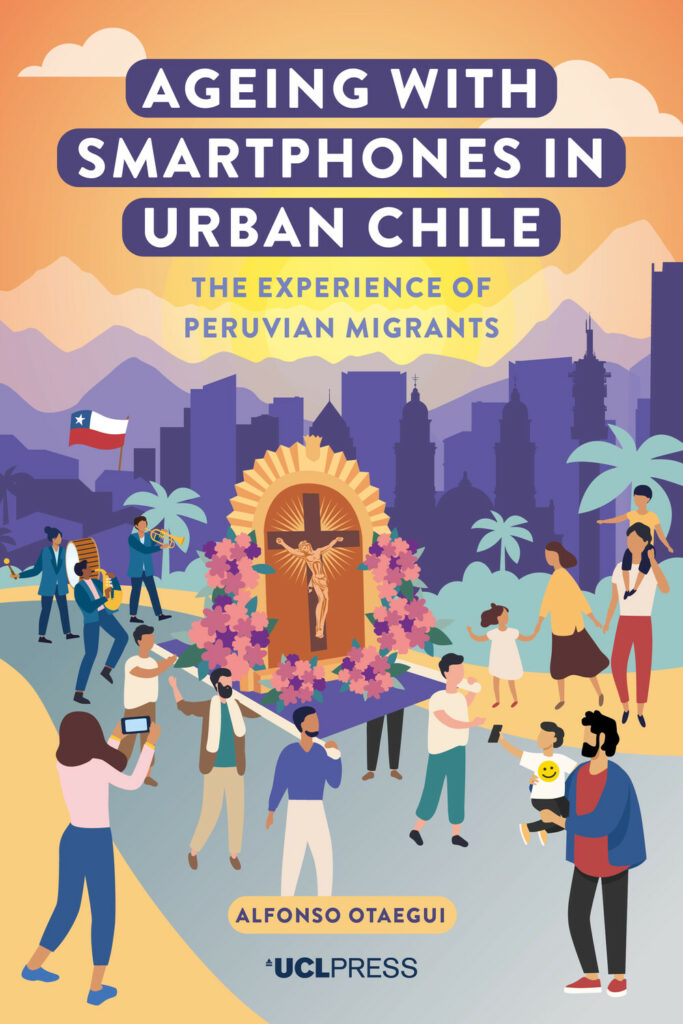
Ageing with Smartphones in Urban Chile

What does it mean to be ageing in Chile as a migrant? What does it mean to be late middle-aged nowadays? How does living half of your life in a foreign country impact perspectives on later life? Is retirement an opportunity to go back to the home country? What will happen to the next generation, raised in a different country from their parents?
Based on 16 months of ethnographic fieldwork, Ageing with Smartphones in Urban Chile analyses the experience of ageing for Peruvian migrants aged around 60, who have lived in Chile for over 20 years. Their lives are informed by a series of experiences of being in between. They live between two countries, two generations (their Peruvian parents and their Chilean children), two different stages in life (retained youth and menacing old age), between giving care (to their parents) and not wanting care (from their children) and between a continuing legacy (through their children, who have a promising future) and not transmitting legacy (some traditions will not pass on to the next generation).

Peruvian migration has been one of the most studied in Chile. However, neither the experience of ageing of migrants in Chile nor the experience of late middle age has been fully addressed yet. By focusing on the entanglement of ageing, migration and technology, this monograph is an ethnographic contribution to an unexplored subject in the vast literature on migration studies in Chile.

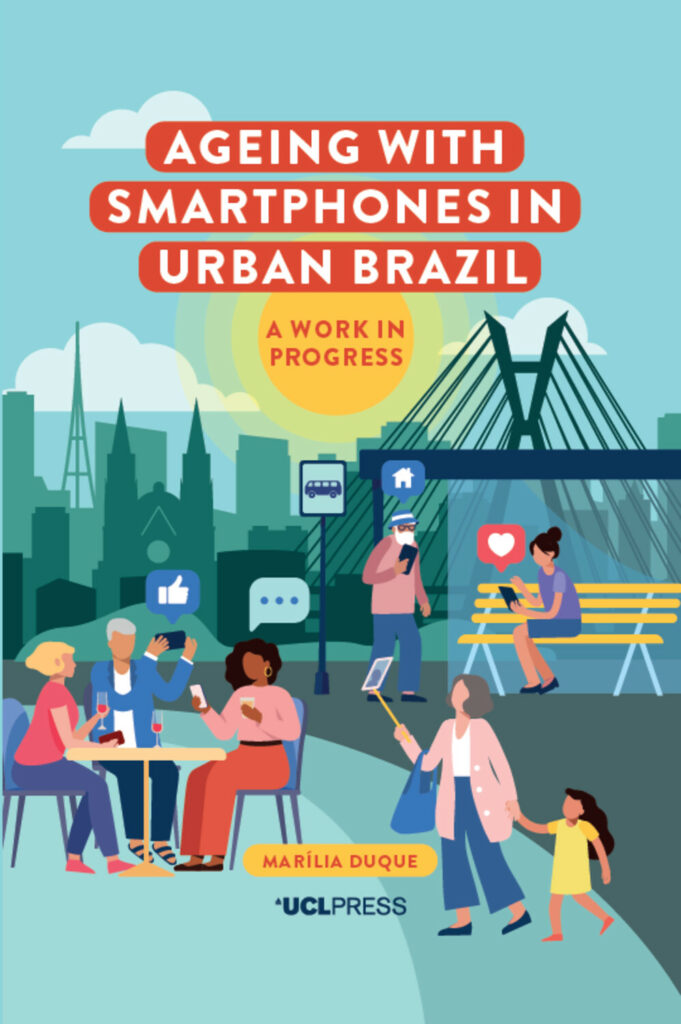
Ageing with Smartphones in Urban Brazil

With people living longer all over the world, ageing has been framed as a socio-economic problem. In Brazil, older people are expected to remain healthy and autonomous while actively participating in society. Based on ethnographic research in São Paulo, Ageing with Smartphones in Urban Brazil shows how older people in a middle-class neighbourhood conciliate these expectations with the freedom and pleasures reserved for the Third Age. Work is what bonds this community together, providing a sense of dignity and citizenship.

Smartphones have become of great importance to the residents as they search for and engage in new forms of work and hobbies. Connected by a digital network, they work as content curators, sharing activities that fill their schedule. Managing multiple WhatsApp groups is a job in itself, as well as a source of solidarity and hope. Friendship groups help each to download new apps, search for medical information and guidance, and navigate the city. Together, they are reinventing themselves as volunteers, entrepreneurs and influencers, or they are finding a new interest that gives their later life a purpose. The smartphone, which enables the residents to share and discuss their busy lives, is also helping them, and us, to rethink the very representation of ageing.

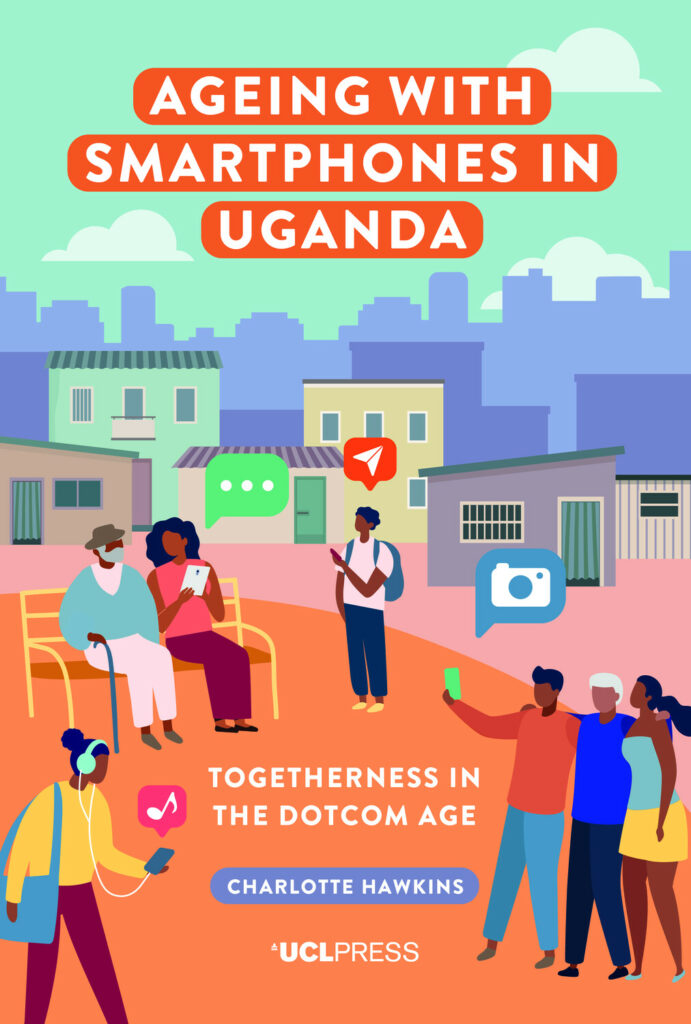
Ageing with Smartphones in Uganda

Ageing with Smartphones in Uganda is based on a 16-month ethnography about experiences of ageing in a neighbourhood in a diverse neighbourhood in Kampala, Uganda. It examines the impact of smartphones and mobile phones on older people’s health and everyday lives as part of the global ‘Anthropology of Smartphones and Smart Ageing’ project.

In taking the lens of the smartphone to understand experiences of ageing in this context, the monograph presents the articulation and practice of ‘togetherness in the dotcom age’. Taking a ‘convivial’ approach, which celebrates multiple ways of knowing about social life, Charlotte Hawkins draws from these expressions about cooperative morality and modernity to consider the everyday mitigation of profound social change. ‘Dotcom’ is understood to encompass everything from the influence of social media to urban migration and lifestyles in the city, to shifts in ways of knowing and relating. At the same time, dotcom tools such as mobile phones and smartphones facilitate elder care through, for example, regular mobile money remittances.

This book explores how dotcom relates to older people’s health, in particular their care norms, social standing, values of respect and relatedness, and intergenerational relationships – both political and personal. It also re-frames the youth-centricity of research on the city and work, new media and technology, politics and service provision in Uganda. Through ethnographic consideration of everyday life and self-formation in this context, the monograph seeks to contribute to an ever-incomplete understanding of how we relate to each other and to the world around us.

Ageing with Smartphones in Ireland

There are not many books about how people get younger. It doesn’t happen very often. But Ageing with Smartphones in Ireland documents a radical change in the experience of ageing.

Based on two ethnographies, one within Dublin and the other from the Dublin region, the book shows that people, rather than seeing themselves as old, focus on crafting a new life in retirement. Our research participants apply new ideals of sustainability both to themselves and to their environment. They go for long walks, play bridge, do yoga and keep as healthy as possible. As part of Ireland’s mainstream middle class, they may have more time than the young to embrace green ideals and more money to move to energy-efficient homes, throw out household detritus and protect their environment.

The smartphone has become integral to this new trajectory. For some it is an intimidating burden linked to being on the wrong side of a new digital divide. But for most, however, it has brought back the extended family and old friends, and helped resolve intergenerational conflicts though facilitating new forms of grandparenting. It has also become central to health issues, whether by Googling information or looking after frail parents. The smartphone enables this sense of getting younger as people download the music of their youth and develop new interests.

This is a book about acknowledging late middle age in contemporary Ireland. How do older people in Ireland experience life today?

Sign up to our newsletter

Don't miss out!
Subscribe to the UCL Press newsletter for the latest open access books,
journal CfPs, news and views from our authors and much more!