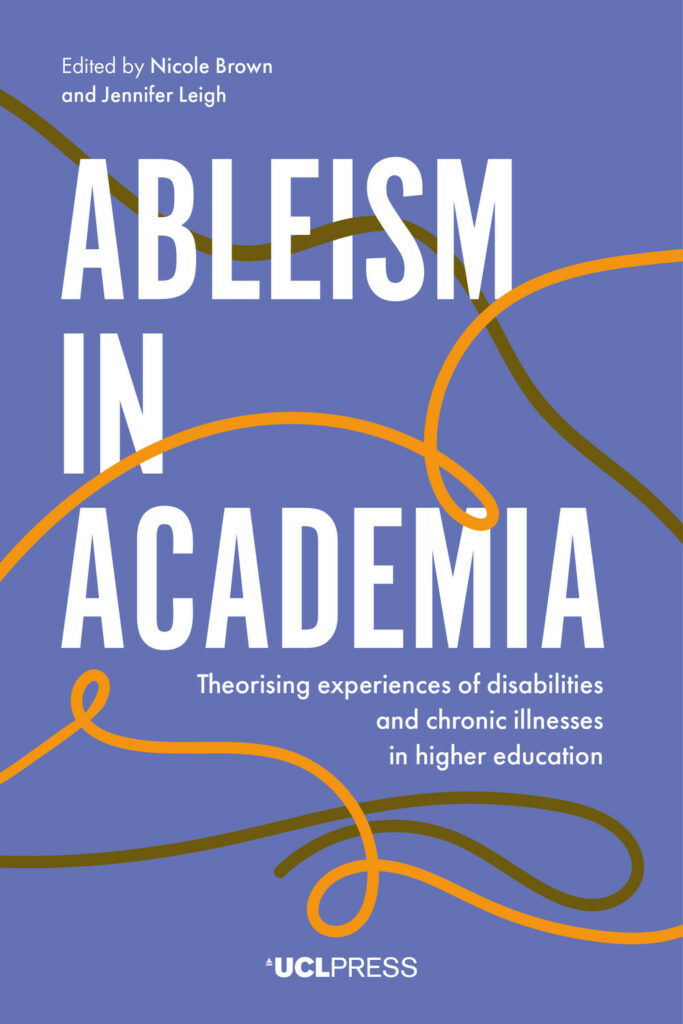
Myanmar’s Education Reforms

This book reviews the state of education in Myanmar over the past decade and a half as the country is undergoing profound albeit incomplete transformation. Set within the context of Myanmar’s peace process and the wider reforms since 2012, Marie Lall’s analysis of education policy and practice serves as a case study on how the reform programme has evolved. Drawing on over 15 years of field research carried out across Myanmar, the book offers a cohesive inquiry into government and non-government education sectors, the reform process, and how the transition has played out across schools, universities and wider society. It casts scrutiny on changes in basic education, the alternative monastic education, higher education and teacher education, and engages with issues of ethnic education and the debate on the role of language and the local curriculum as part of the peace process. In so doing, it gives voice to those most affected by the changing landscape of Myanmar’s education and wider reform process: the students and parents of all ethnic backgrounds, teachers, teacher trainees and university staff that are rarely heard. Marie Lall argues that, despite a commitment to greater equality and equity expressed in the Ministry of Education’s policy documents, Myanmar has missed a historic opportunity to make use of education reform to engage with deep-seated social injustices. Inequalities persist in the long-term outcomes for poorer sections of society and between the majority Bamars and ethnic nationality communities. This is the portrait of a country constrained by internal tensions and competing international priorities that serve to divert the professed course towards social justice.

Praise for Myanmar’s Education Reforms
‘A cohesive inquiry into multiple reform processes of government and non-government education sectors and how this education reform played out across schools and universities around Myanmar.’
Sojourn: Journal of Social Issues in Southeast Asia

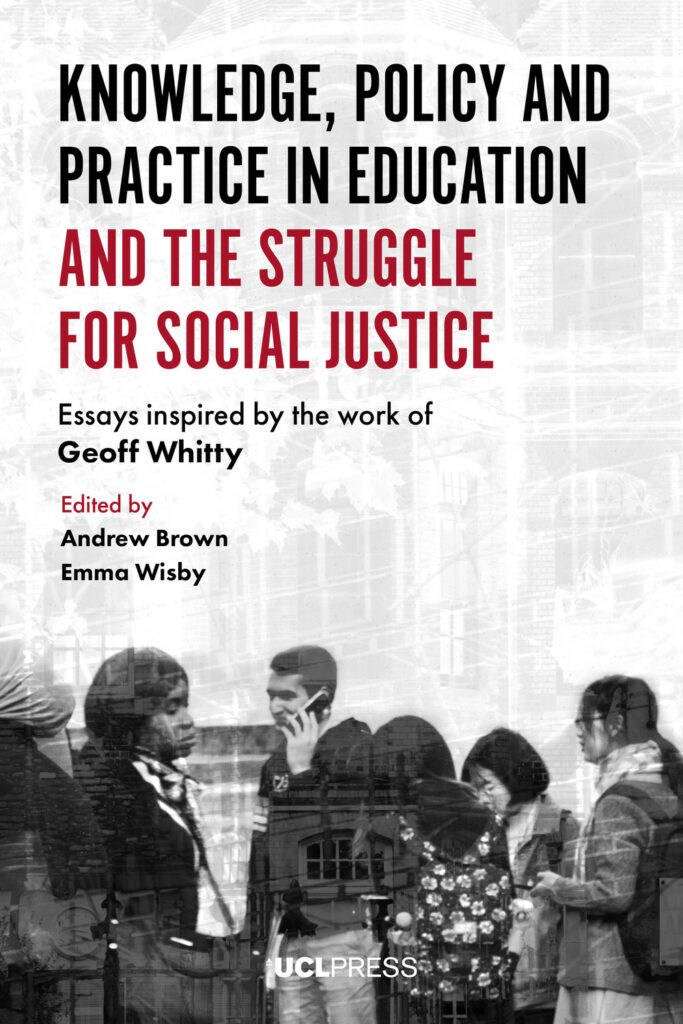
Knowledge, Policy and Practice in Education and the Struggle for Social Justice

For 50 years, educator and sociologist Geoff Whitty resolutely pursued social justice through education, first as a classroom teacher and ultimately as the Director of the Institute of Education in London.

The essays in this volume – written by some of the most influential authors in the sociology of education and critical policy studies – take Whitty’s work as the starting point from which to examine key contemporary issues in education and the challenges to social justice that they present. Set within three themes of knowledge, policy and practice in education, the chapters tackle the issues of defining and accessing ‘legitimate’ knowledge, the changing nature of education policy under neoliberalism and globalization, and the reshaping of teacher workplaces and professionalism – as well as attempts to realize more emancipatory practice. Whitty’s scholarship on what constitutes quality and impact in educational research is also explored.

Together, the essays open a window on a life in the sociology of education, the scholarly community of which it was part, and the facets of education policy, practice and research that they continue to reveal and challenge in pursuit of social justice. They celebrate Whitty as one of the foremost sociologists of education of his generation, but also as a friend and colleague. And they highlight the continued relevance of his contribution to those seeking to promote fairer and more inclusive education systems.

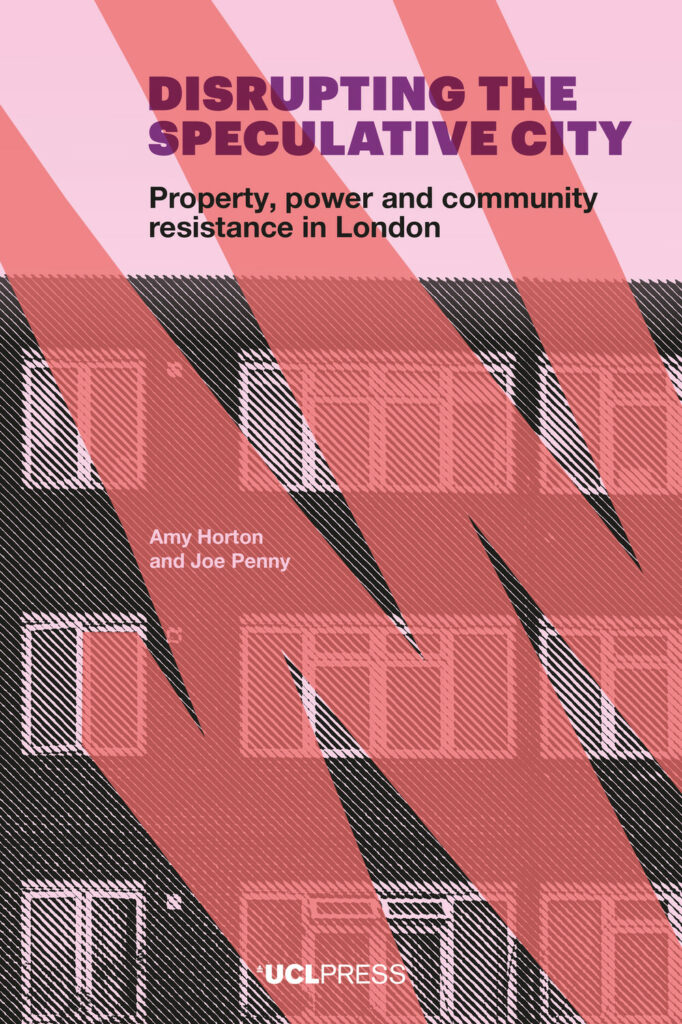
Disrupting the Speculative City

In 2011, police violence triggered an uprising in Tottenham that laid bare decades of neglect and state violence against the area’s racialised communities. In its aftermath, local leaders and corporate developers devised an aggressive redevelopment agenda that would have demolished the homes, workspaces and communities of thousands of council tenants, private renters and traders. Their plan was to transform Tottenham and surrounding areas from a diverse working-class place to a space for wealthy investors, residents and consumers.

Available as a free open access download and in print, Disrupting the Speculative City tells the story of how a community coalition defeated one of the most ambitious programmes of state-led gentrification in London. Known as the ‘Haringey Development Vehicle’ (HDV), it would have been executed through an undemocratic and speculative joint venture between the local council and the notorious international developer Lendlease. Thanks to the political creativity, tactical nous and extraordinary commitment of ordinary people, the HDV was scrapped by the local council in 2018. Drawing on the accounts of those at the heart of the struggle and analysing crucial developments in property investment, local statecraft and grassroots organising, this book explores a significant and inspirational success for campaigners in London, where social cleansing has become the default outcome of redevelopment.

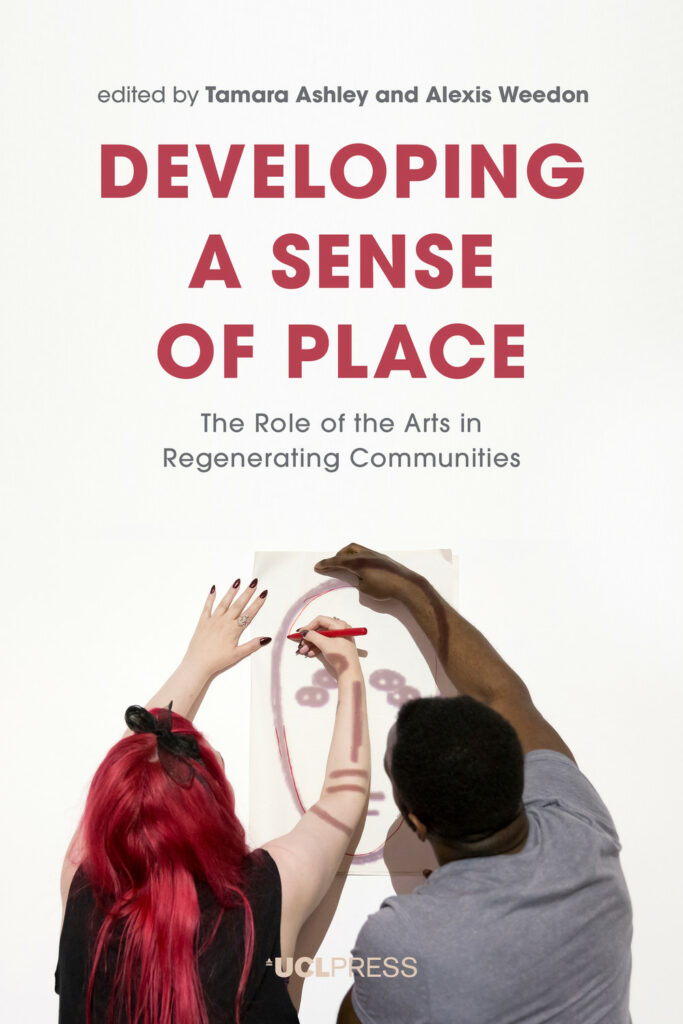
Developing a Sense of Place

How do cultural planners and policymakers work through the arts to create communities? What do artists need to build a sense of place in their community? To discuss these issues, Developing a Sense of Place brings together new models and case studies, each drawn from a specific geographical or socio-cultural context.

Selected for their lasting effect in their local community, the case studies explore new models for opening up the relationship between the university and its regional partners, explicitly connecting creative, critical and theoretical approaches to civic development. The volume has three sections: Case Studies of Place-Making; Models and Methods for Developing Place-Making Through the Arts; and Multidisciplinary Approaches to Place and Contested Identities. The sections cover regions in the UK such as Bedford, East Anglia, Edinburgh, Manchester, London, Plymouth and Wakefield, and internationally in countries such as Brazil, Turkey and Zimbabwe.

Developing a Sense of Place offers a range of viewpoints from, for example, the arts strategist, the academic, the practice-researcher and the artist. Through its innovative models, from performing arts to architectural design, the volume will serve the needs and interests of arts and cultural policy managers, master planners and arts workers, as well as students of Human Geography, Cultural Planning, Business and the Creative Industries, and Arts Administration, at undergraduate and postgraduate level.
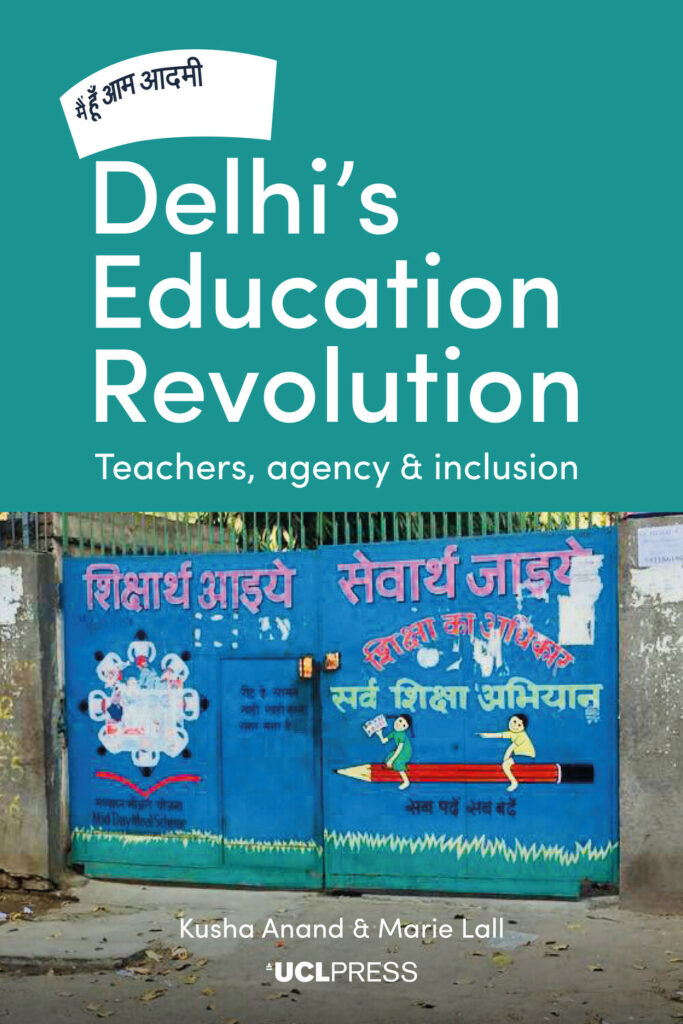
Delhi’s Education Revolution

In 2015, the Aam Aadmi Party (AAP) was elected to govern Delhi promising to improve public services, including education through government schools that would be the equal of private-school provision. Media reports, along with the party’s re-election in 2020, suggest strong public confidence that AAP are delivering on that promise. But is this success reflected by experience in schools?

Delhi’s Education Revolution offers a critical evaluation of the AAP’s education reforms by exploring policy and practice through the eyes of one key group: the government-school teachers tasked with making the AAP’s pledge a reality. Drawing on 110 research interviews conducted via Zoom during the Covid pandemic in the summer of 2020, teachers explain how the reforms have changed their profession and practice, and whether education really has improved for children of all backgrounds. Analysis of views about critical issues such as inclusion and the pressure of achievement targets in classrooms that often contain more than 50 students, informs their observations about the reform programme itself. The study paints a more qualified picture of success than suggested elsewhere and makes a valuable contribution to the understanding of education reforms in India, and most especially, in Delhi.

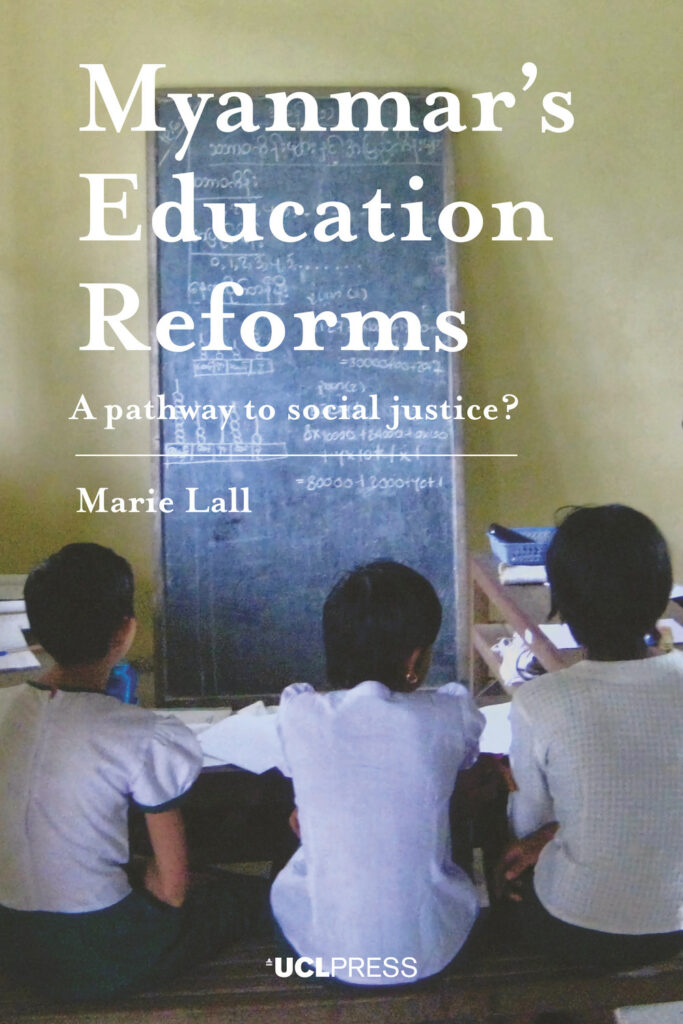
Ableism in Academia

Rather than embracing difference as a reflection of wider society, academic ecosystems seek to normalise and homogenise ways of working and of being a researcher. As a consequence, ableism in academia is endemic. However, to date no attempt has been made to theorise experiences of ableism in academia.

Ableism in Academia provides an interdisciplinary outlook on ableism that is currently missing. Through reporting research data and exploring personal experiences, the contributors theorise and conceptualise what it means to be/work outside the stereotypical norm. The volume brings together a range of perspectives, including feminism, post-structuralism, such as Derridean and Foucauldian theory, crip theory and disability theory, and draw on the width and breadth of a number of related disciplines. Contributors use technicism, leadership, social justice theories and theories of embodiment to raise awareness and increase understanding of the marginalised; that is those academics who are not perfect. These theories are placed in the context of neoliberal academia, which is distant from the privileged and romanticised versions that exist in the public and internalised imaginations of academics, and used to interrogate aspects of identity, aspects of how disability is performed, and to argue that ableism is not just a disability issue.

This timely collection of chapters will be of interest to researchers in Disability Studies, Higher Education Studies and Sociology, and to those researching the relationship between theory and personal experience across the Social Sciences.

Sign up to our newsletter

Don't miss out!
Subscribe to the UCL Press newsletter for the latest open access books,
journal CfPs, news and views from our authors and much more!