We are currently upgrading our shopping cart; in the interim all orders are being diverted to Waterstones. If you would like to redeem a promotional code, or are an author wanting to place an order, please email us.

Contact us

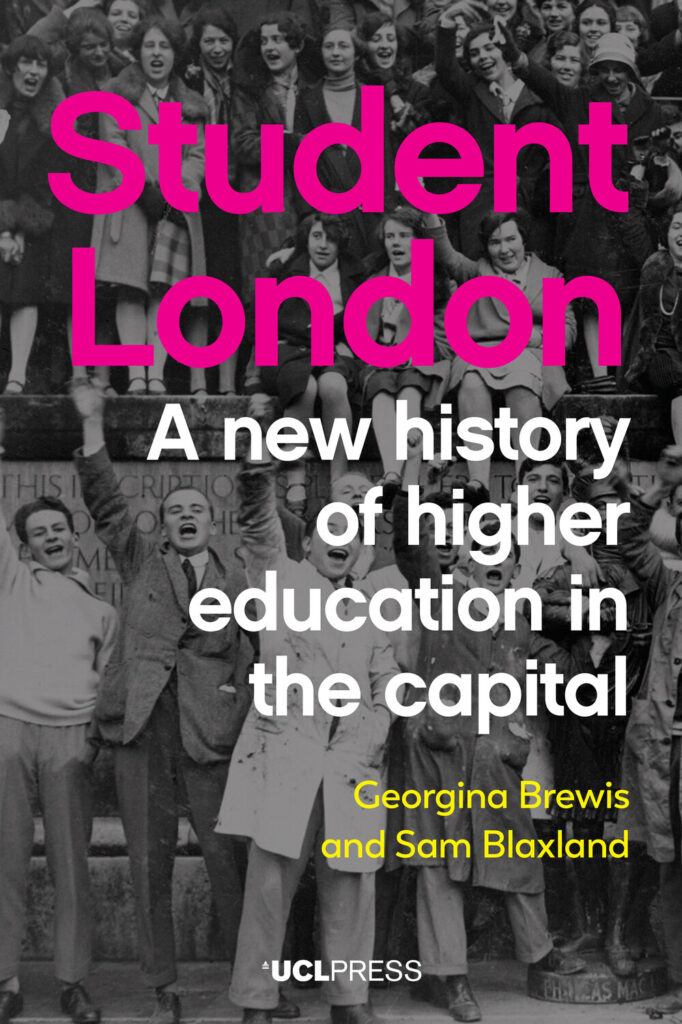
Student London

Students have formed a significant part of London’s population since the foundation of its first university in 1826, and Student London centres their experiences in the city’s history. To tell the 200-year story of student life in the capital this book draws on a rich source base that ranges from institutional records to college magazines, court reports to secret service files, and many hundreds of student memoirs and oral histories. It offers a detailed examination of life at the original London University (known as University College London since 1836) alongside many other institutions that eventually joined with UCL. Student London captures a diverse range of higher education experiences across medical schools, teacher training colleges and specialist institutes. A sweeping history of an ever-changing city, the book engages in much greater depth with London’s imperial history than earlier studies of higher education. It examines students’ everyday lives, fees and funding, collegiate cultures, social and political engagement, physical and mental health, recreation, sports and leisure. In doing so, it charts changing student attitudes to class, race, gender, sex and sexuality across two centuries.
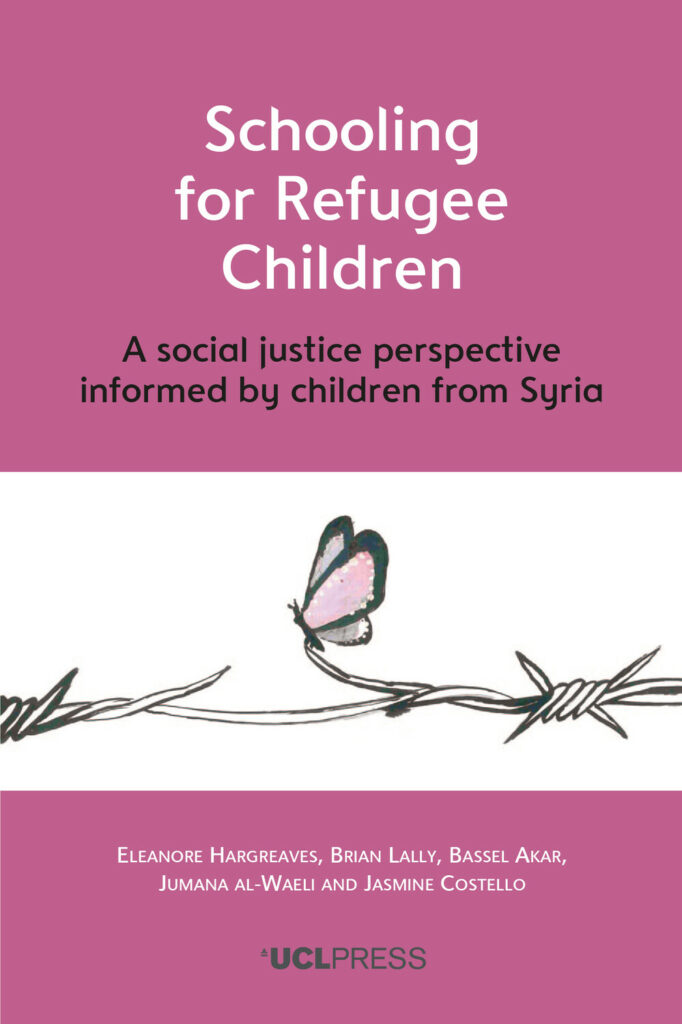
Schooling for Refugee Children

Schooling for Refugee Children is a collaboration between five authors who explore their interactions with refugee children displaced from Syria to the Lebanese borders and London. Through a programme of carefully tailored research activities, they analyse the children’s representations of their personal journeys and current circumstances, especially with regard to ongoing schooling. The children’s experiences are expressed through their own words and drawings, disrupting the stereotype of children as ‘receivers’ rather than empowered actors, and challenging traditional solutions for improving schooling. Throughout, the children are eloquent about their schooling in the context of displacement. Their views and illustrations depict a keen awareness of social justice issues, including on the distribution of wealth, recognition of status and representation of voice. These are framed by the authors within Nancy Fraser’s concept of social justice as parity-of-participation. In this way, the book brings to light important representations of some empowering experiences lived through by refugee children from Syria, as well as their thoughts on what has helped their learning and what can be done better. The children’s need for care and a sense of belonging in their schools and new communities is given particular emphasis throughout the book, represented by one child, who simply requested, ‘Add some more love!’

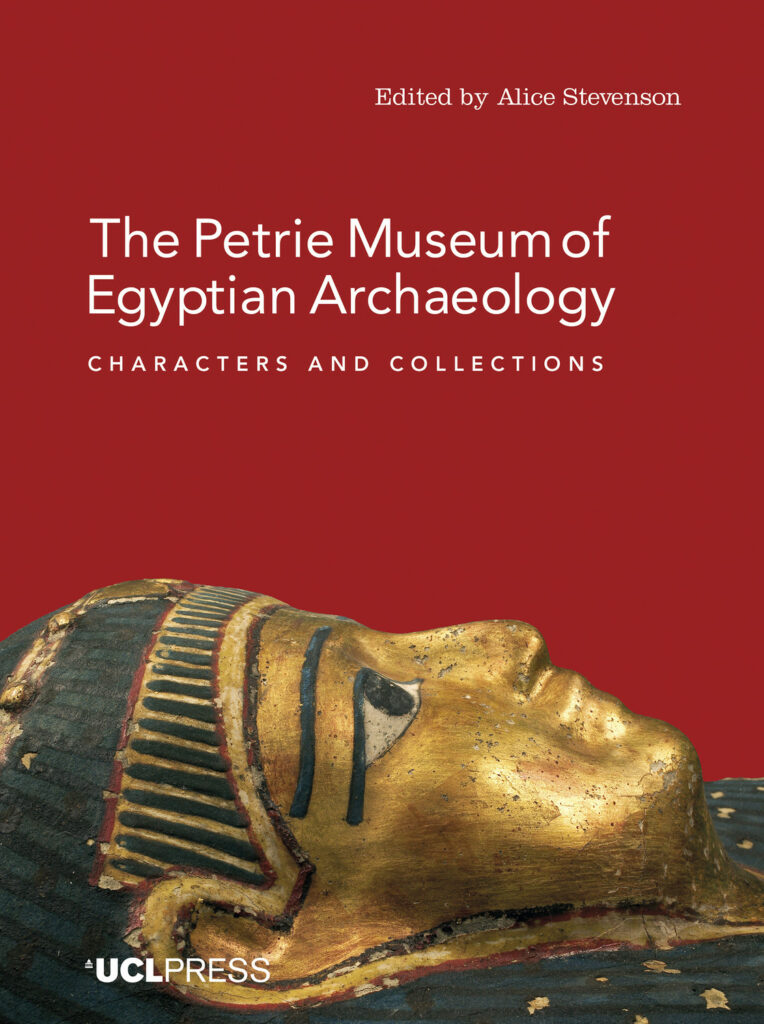
The Petrie Museum of Egyptian Archaeology

The Petrie Museum of Egyptian Archaeology first opened its doors in 1915, and since then has attracted visitors from all over the world as well as providing valuable teaching resources. Named after its founder, the pioneering archaeologist Flinders Petrie, the Museum holds more than 80,000 objects and is one of the largest and finest collections of Egyptian and Sudanese archaeology in the world. Richly illustrated and engagingly written, the book moves back and forth between recent history and the ancient past, between objects and people. Experts discuss the discovery, history and care of key objects in the collections such as the Koptos lions and Roman era panel portraits. The rich and varied history of the Petrie Museum is revealed by the secrets that sit on its shelves.

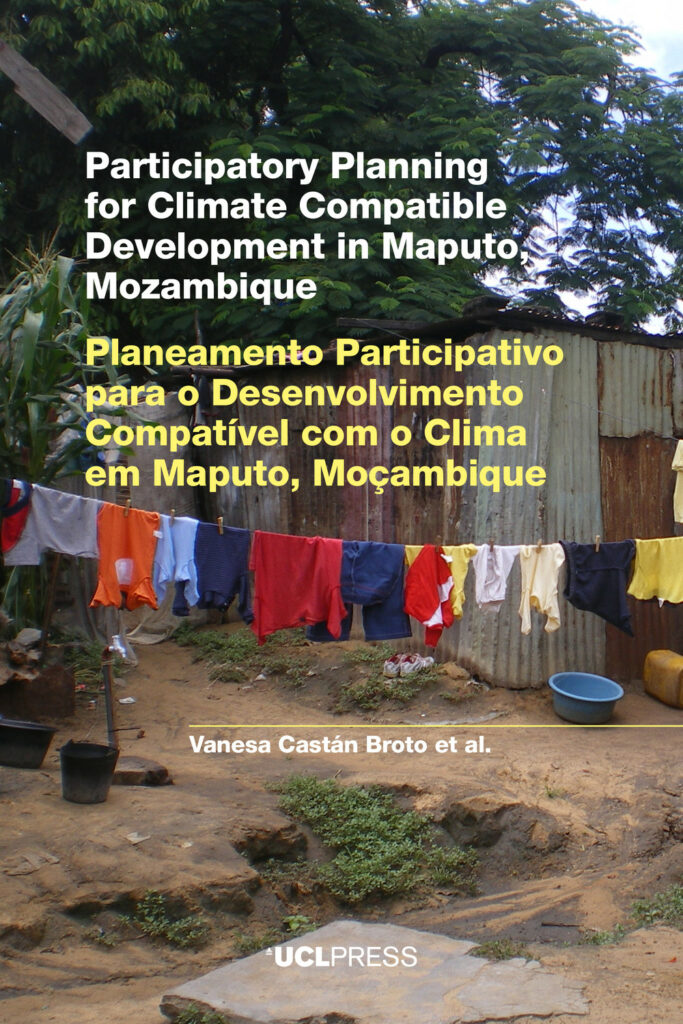
Participatory Planning for Climate Compatible Development in Maputo, Mozambique

Participatory Planning for Climate Compatible Development in Maputo, Mozambique is a practitioners’ handbook that builds upon the experience of a pilot project that was awarded the United Nations ‘Lighthouse Activity’ Award.

Building upon a long scholarly tradition of participatory planning, this dual-language (English/Portuguese) book addresses crucial questions about the relevance of citizen participation in planning for climate compatible development and argues that citizens have knowledge and access to resources that enable them to develop a sustainable vision for their community. In order to do so, the author proposes a Participatory Action Planning methodology to organise communities, and also advances mechanisms for institutional development through partnerships.

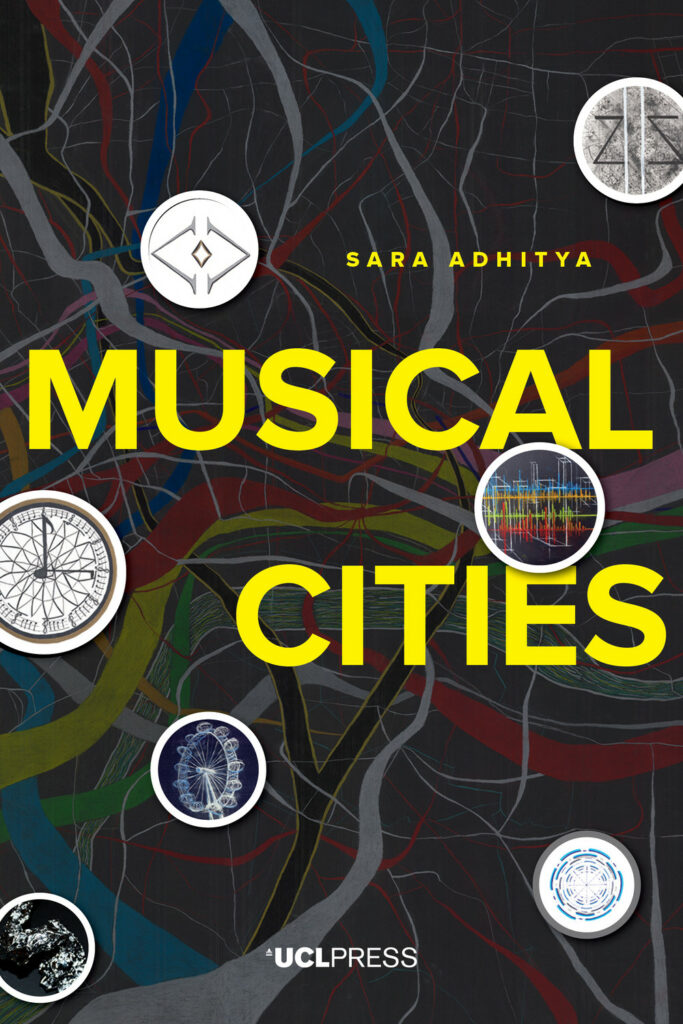
Musical Cities

Musical Cities represents an innovative approach to scholarly research and dissemination. A digital and interactive ‘book’, it explores the rhythms of our cities, and the role they play in our everyday urban lives, through the use of sound and music.

Sara Adhitya first discusses why we should listen to urban rhythms in order to design more liveable and sustainable cities, before demonstrating how we can do so through various acoustic communication techniques. Using audio-visual examples, Musical Cities takes the ‘listener’ on an interactive journey, revealing how sound and music can be used to represent, compose, perform and interact with the city. Through case studies of urban projects developed in Paris, Perth, Venice and London, Adhitya demonstrates how the power of music, and the practice of listening, can help us to compose more accessible, inclusive, engaging, enjoyable, and ultimately more sustainable cities.

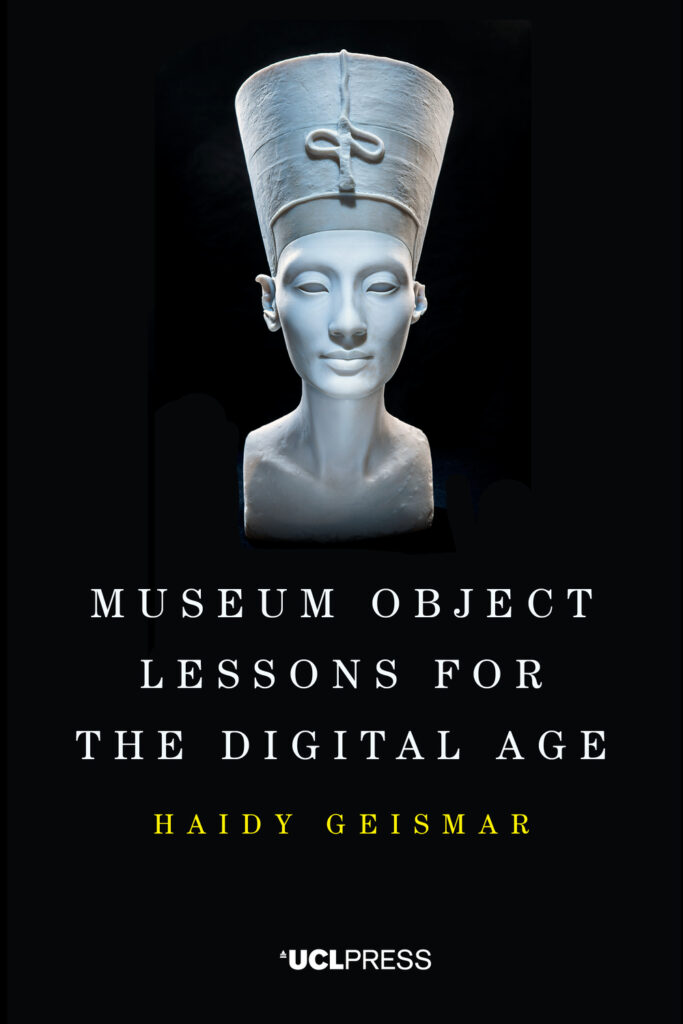
Museum Object Lessons for the Digital Age

Museum Object Lessons for the Digital Age explores the nature of digital objects in museums, asking us to question our assumptions about the material, social and political foundations of digital practices. Through four wide-ranging chapters, each focused on a single object – a box, pen, effigy and cloak – this short, accessible book explores the legacies of earlier museum practices of collection, older forms of media (from dioramas to photography), and theories of how knowledge is produced in museums on a wide range of digital projects. Swooping from Ethnographic to Decorative Arts Collections, from the Google Art Project to bespoke digital experiments, Haidy Geismar explores the object lessons contained in digital form and asks what they can tell us about both the past and the future.

Drawing on the author’s extensive experience working with collections across the world, Geismar argues for an understanding of digital media as material, rather than immaterial, and advocates for a more nuanced, ethnographic and historicised view of museum digitisation projects than those usually adopted in the celebratory accounts of new media in museums. By locating the digital as part of a longer history of material engagements, transformations and processes of translation, this book broadens our understanding of the reality effects that digital technologies create, and of how digital media can be mobilised in different parts of the world to very different effects.

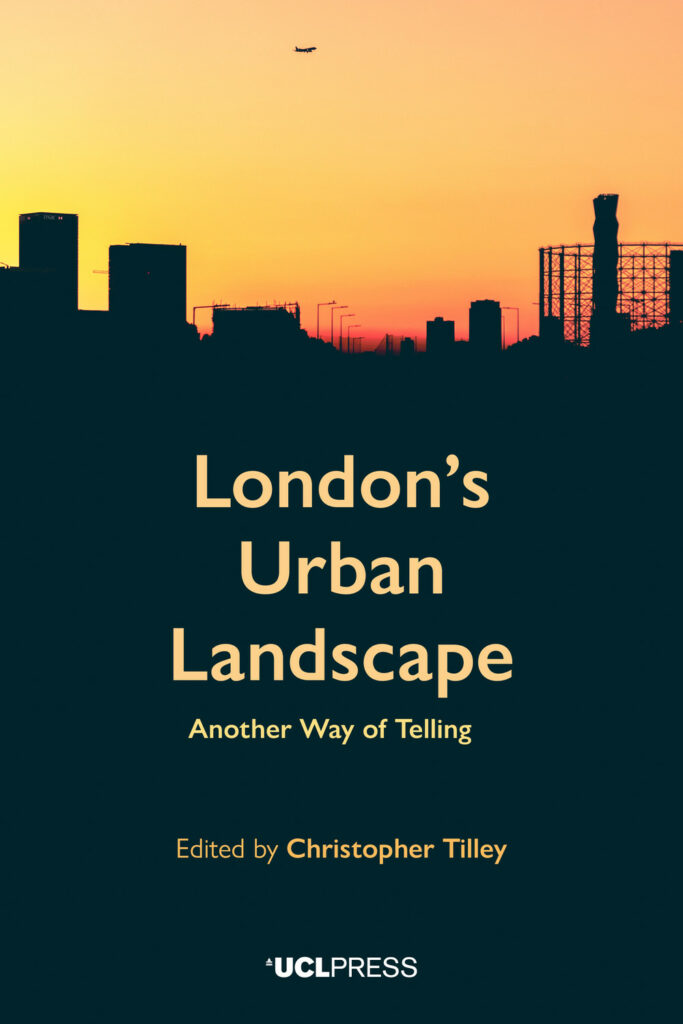
London’s Urban Landscape

London’s Urban Landscape is the first major study of a global city to adopt a materialist perspective and stress the significance of place and the built environment to the urban landscape. Edited by Christopher Tilley, the volume is inspired by phenomenological thinking and presents fine-grained ethnographies of the practices of everyday life in London. In doing so, it charts a unique perspective on the city that integrates ethnographies of daily life with an analysis of material culture.The first part of the volume considers the residential sphere of urban life, discussing in detailed case studies ordinary residential streets, housing estates, suburbia and London’s mobile ‘linear village’ of houseboats. The second part analyses the public sphere, including ethnographies of markets, a park, the social rhythms of a taxi rank, and graffiti and street art.

London’s Urban Landscape returns us to the everyday lives of people and the manner in which they understand their lives. The deeply sensuous character of the embodied experience of the city is invoked in the thick descriptions of entangled relationships between people and places, and the paths of movement between them. What stories do door bells and house facades tell us about contemporary life in a Victorian terrace? How do antiques acquire value and significance in a market? How does living in a concrete megastructure relate to the lives of the people who dwell there? These and a host of other questions are addressed in this fascinating book that will appeal widely to all readers interested in London or contemporary urban life.

Feminism and the Politics of Childhood

Feminism and the Politics of Childhood offers an innovative and critical exploration of perceived commonalities and conflicts between women and children and, more broadly, between various forms of feminism and the politics of childhood. This unique collection of 18 chapters brings into dialogue authors from a range of geographical contexts, social science disciplines, activist organisations, and theoretical perspectives. The wide variety of subjects include refugee camps, care labour, domestic violence and childcare and education.

Chapter authors focus on local contexts as well as their global interconnections, and draw on diverse theoretical traditions such as poststructuralism, psychoanalysis, posthumanism, postcolonialism, political economy, and the ethics of care. Together the contributions offer new ways to conceptualise relations between women and children, and to address injustices faced by both groups.

Sign up to our newsletter

Don't miss out!
Subscribe to the UCL Press newsletter for the latest open access books,
journal CfPs, news and views from our authors and much more!