The Modernist Bestiary

The Modernist Bestiary centres on *{::}Le Bestiaire ou Cortège d’Orphée (1911), a multimedia collaborative work by French-Polish poet Guillaume Apollinaire and French artist Raoul Dufy, and its homonym, *The Bestiary or Procession of Orpheus (1979), by British artist Graham Sutherland. Rather than reconstructing the lineage of these two compositions, the book uncovers the aesthetic and intellectual processes involved that operate in different times, places and media. The Apollinaire and Dufy Bestiary is an open-ended collaboration, a feature that Sutherland develops in his re-visiting, and this book shows how these neglected works are caught up in many-faceted networks of traditions and genres. These include Orphic poetry from the past, contemporary musical settings, and bestiary writing from its origins to the present. The nature of productive dialogue between thought and art, and the refracted light they throw on each other are explored in each of the pieces in the book, and the aesthetic experience emerges as generative rather than reductive or complacent.

The contributors’ encounters with these works take the form of poetry and essays, all moving freely between different disciplines and practices, humanistic and posthumanist critical dimensions, as well as different animals and art forms. They draw on disciplines ranging from music, art history, translation, Classical poetry and French poetry, and are nurtured by approaches including phenomenology, cultural studies, sound studies, and critical animal studies. Collectively the book shows that the aesthetic encounter, by nature affective, is by nature also interdisciplinary and motivating, and that it spurs the critical in addressing the complex issues of ‘humananimality’.
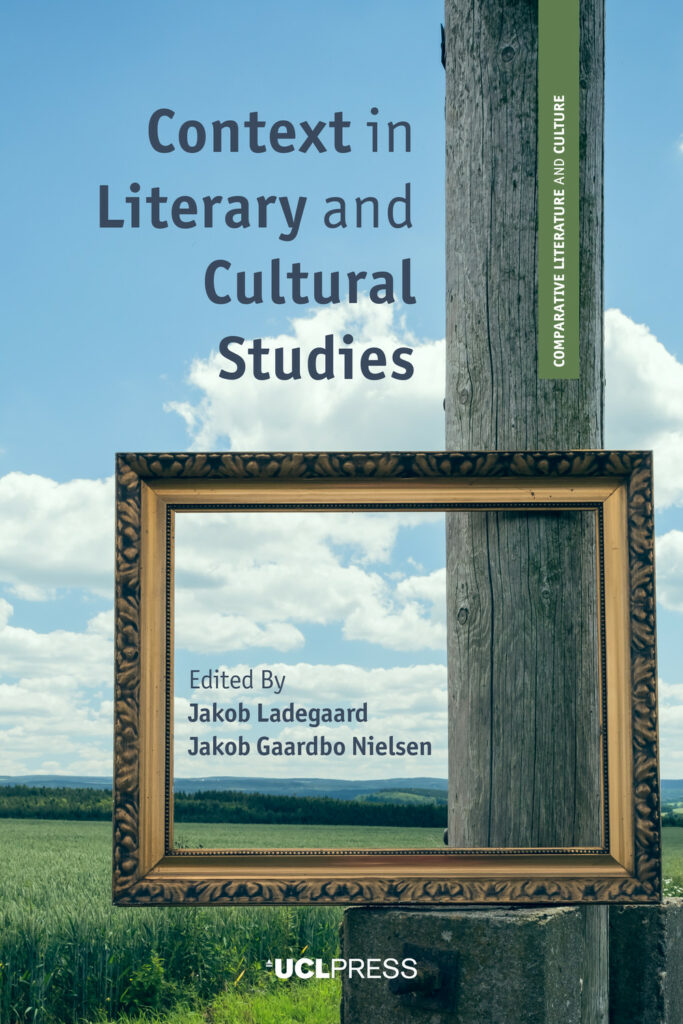
Context in Literary and Cultural Studies

Context in Literary and Cultural Studies is an interdisciplinary volume that deals with the challenges of studying works of art and literature in their historical context today. The relationship between art works and context has long been a central concern for aesthetic and cultural disciplines, and the question of context has been asked anew in all eras. Developments in contemporary culture and technology, as well as new theoretical and methodological orientations in the humanities, once again prompt us to rethink context in literary and cultural studies. This volume takes up that challenge.

Introducing readers to new developments in literary and cultural theory, Context in Literary and Cultural Studies connects all disciplines related to these areas to provide an interdisciplinary overview of the challenges different scholarly fields today meet in their studies of art works in context. Spanning a number of countries, and covering subjects from nineteenth-century novels to rave culture, the chapters together constitute an informed, diverse and wide-ranging discussion.

The volume is written for scholarly readers at all levels in the fields of Literary Studies, Comparative Literature, Cultural Studies, Art History, Film, Theatre Studies and Digital Humanities.

Fragmented Illuminations

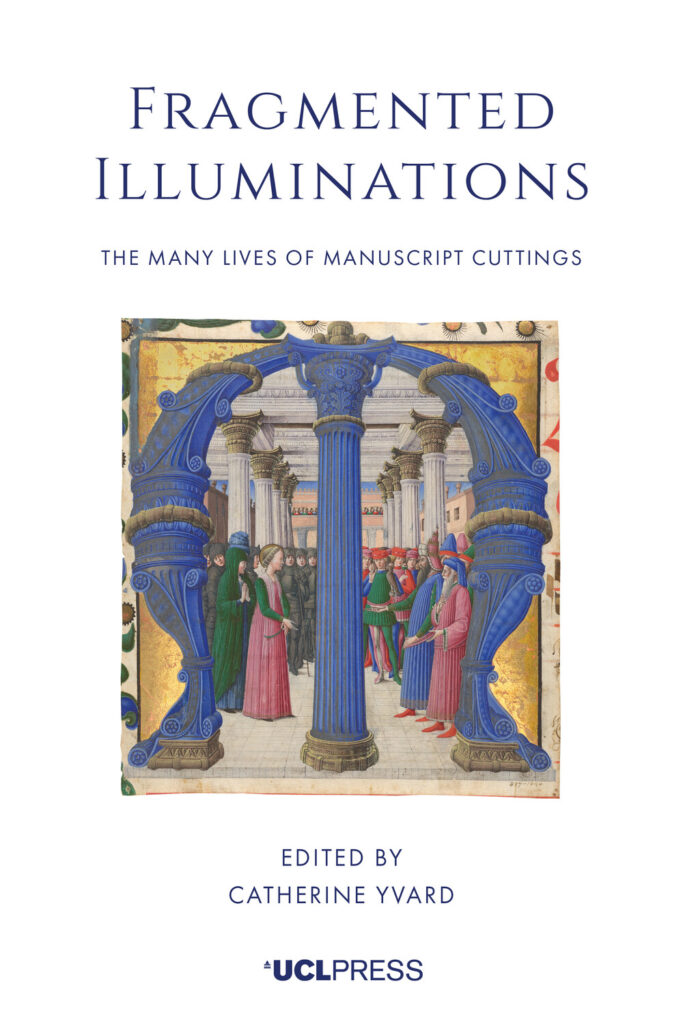
Sweeping secularisation of Catholic Church property across Europe in the late 18th and early 19th centuries brought countless medieval and Renaissance manuscripts into private hands. While the text of these books was often obsolete, their jewel-like illuminations appealed to collectors and the market for single leaves, miniatures, initials or ornamented borders cut out of illuminated manuscripts took off in the mid-1820s. Today, thousands of manuscript cuttings can be found in collections around the world: a global jigsaw.

With over 2,000 examples, the V&A has one of the largest collections of this kind, originally assembled to form a visual sourcebook for contemporary artists and craftspeople. Using this collection as a guiding thread, Fragmented Illuminations seeks to contextualise cuttings and chart their changing meanings and functions from the time of their making to their unexpected afterlives in the hands of private collectors and Europe’s museums of applied arts. To complete the picture, new interdisciplinary research revives the books they came from, alongside the artists and patrons involved in their making. In sum, the book demonstrates how these complex objects can only be understood by mobilising knowledge from many disciplines, including art history, codicology, liturgiology, musicology, and provenance research.

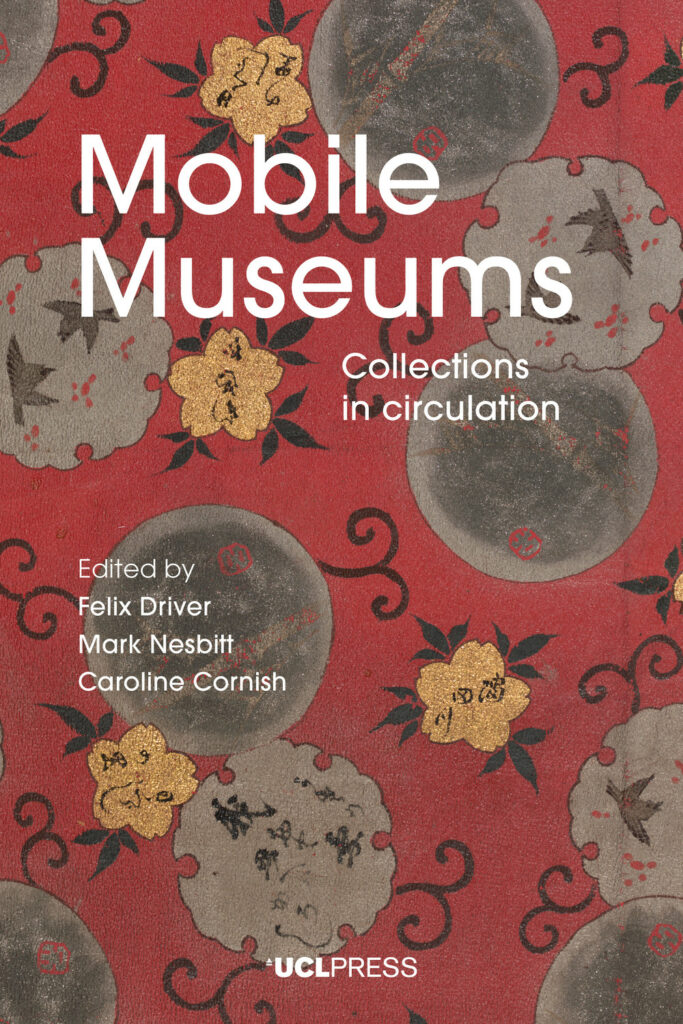
Mobile Museums

Mobile Museums presents an argument for the importance of circulation in the study of museum collections, past and present. It brings together an impressive array of international scholars and curators from a wide variety of disciplines – including the history of science, museum anthropology and postcolonial history – to consider the mobility of collections. The book combines historical perspectives on the circulation of museum objects in the past with contemporary accounts of their re-mobilisation, notably in the context of Indigenous community engagement. Contributors seek to explore processes of circulation historically in order to re-examine, inform and unsettle common assumptions about the way museum collections have evolved over time and through space.

By foregrounding questions of circulation, the chapters in Mobile Museums collectively represent a fundamental shift in the understanding of the history and future uses of museum collections. The book addresses a variety of different types of collection, including the botanical, the ethnographic, the economic and the archaeological. Its perspective is truly global, with case studies drawn from South America, West Africa, Oceania, Australia, the United States, Europe and the UK. Mobile Museums helps us to understand why the mobility of museum collections was a fundamental aspect of their history and why it continues to matter today.

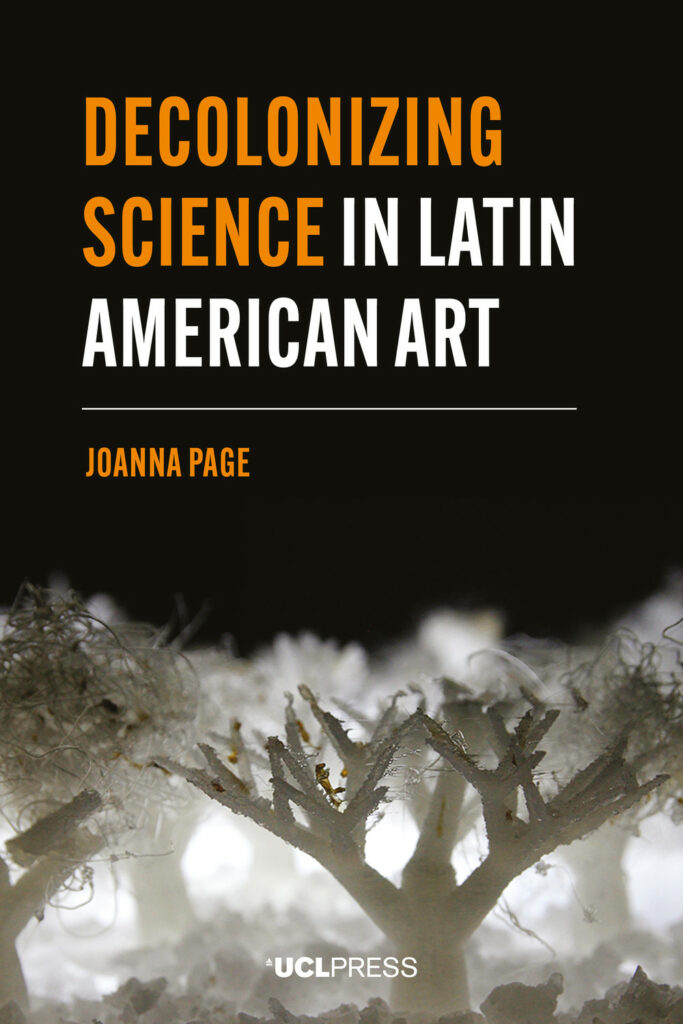
Decolonizing Science in Latin American Art

Projects that bring the ‘hard’ sciences into art are increasingly being exhibited in galleries and museums across the world. In a surge of publications on the subject, few focus on regions beyond Europe and the Anglophone world. Decolonizing Science in Latin American Art assembles a new corpus of art-science projects by Latin American artists, ranging from big-budget collaborations with NASA and MIT to homegrown experiments in artists’ kitchens.

While they draw on recent scientific research, these art projects also ‘decolonize’ science. If increasing knowledge of the natural world has often gone hand-in-hand with our objectification and exploitation of it, the artists studied here emphasize the subjectivity and intelligence of other species, staging new forms of collaboration and co-creativity beyond the human. They design technologies that work with organic processes to promote the health of ecosystems, and seek alternatives to the logics of extractivism and monoculture farming that have caused extensive ecological damage in Latin America. They develop do-it-yourself, open-source, commons-based practices for sharing creative and intellectual property. They establish critical dialogues between Western science and indigenous thought, reconnecting a disembedded, abstracted form of knowledge with the cultural, social, spiritual, and ethical spheres of experience from which it has often been excluded.

Decolonizing Science in Latin American Art interrogates how artistic practices may communicate, extend, supplement, and challenge scientific ideas. At the same time, it explores broader questions in the field of art, including the relationship between knowledge, care, and curation; nonhuman agency; art and utility; and changing approaches to participation. It also highlights important contributions by Latin American thinkers to themes of global significance, including the Anthropocene, climate change and environmental justice.

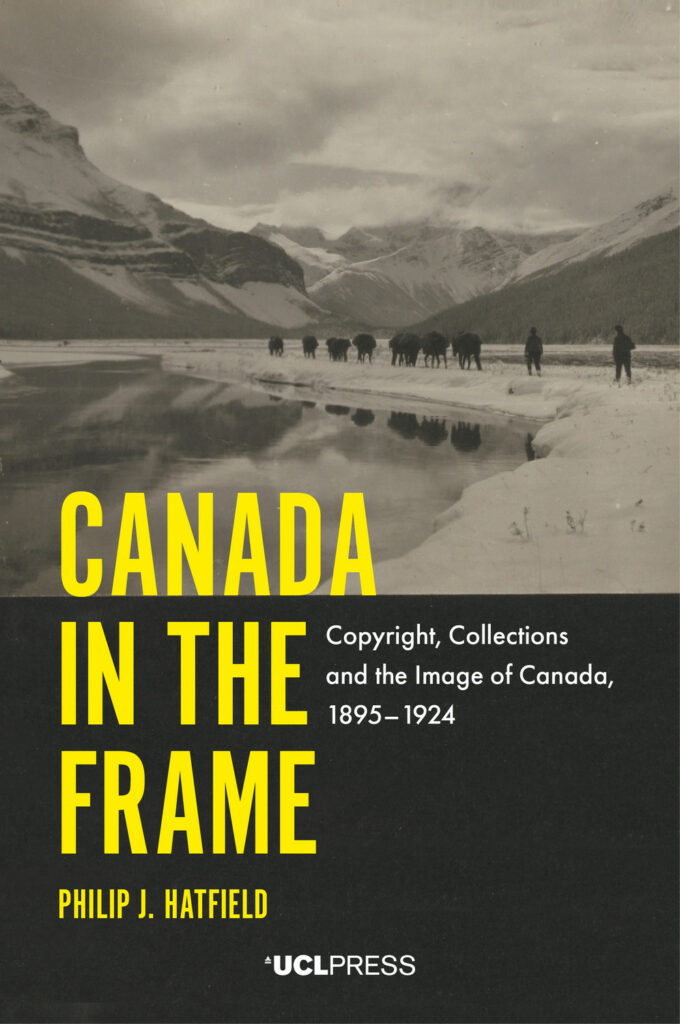
Canada in the Frame

Canada in the Frame explores a photographic collection held at the British Library that offers a unique view of late nineteenth century and early twentieth century Canada. The collection, which contains in excess of 4,500 images, taken between 1895 and 1923, covers a dynamic period in Canada’s national history and provides a variety of views of its landscapes, developing urban areas and peoples. Colonial Copyright Law was the driver by which these photographs were acquired; unmediated by curators, but rather by the eye of the photographer who created the image, they showcase a grass-roots view of Canada during its early history as a Confederation.

Canada in the Frame describes this little-known collection and includes over 100 images from the collection. The author asks key questions about what it shows contemporary viewers of Canada and its photographic history, and about the peculiar view these photographs offer of a former part of the British Empire in a post-colonial age, viewed from the old ‘Heart of Empire’. Case studies are included on subjects such as urban centres, railroads and migration, which analyse the complex ways in which photographers approached their subjects, in the context of the relationship between Canada, the British Empire and photography.

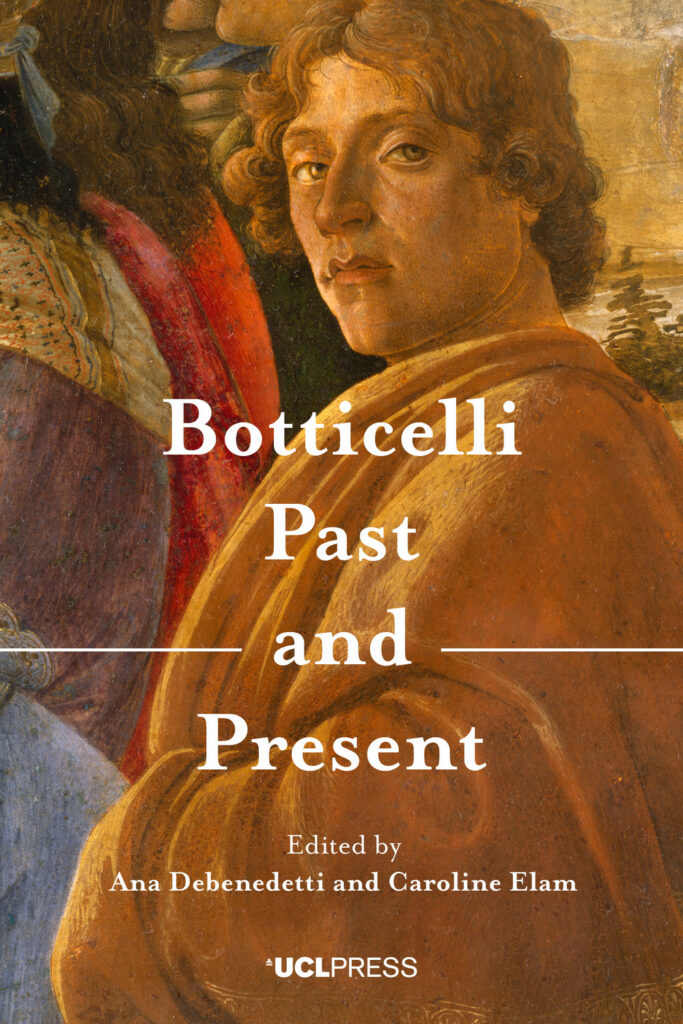
Botticelli Past and Present

The recent exhibitions dedicated to Botticelli around the world show, more than ever, the significant and continued debate about the artist. Botticelli Past and Present – based on the proceedings of an international conference held at the Victoria and Albert Museum in 2016 in conjunction with an exhibition exploring the reception of Botticelli’s art from its inception to the present day – engages with this debate. The book comprises four thematic chapters, spanning four centuries of Botticelli’s artistic fame and reception from the fifteenth century. Each chapter comprises a number of essays and includes a short introduction which positions them within the wider scholarly literature on Botticelli. The chapters are organised chronologically beginning with discussion of the artist and his working practice in his own time, moving onto the progressive rediscovery of his work from the late eighteenth to the turn of the twentieth century, through to his enduring impact on contemporary art and design. Expertly written by researchers and eminent art historians and richly illustrated throughout, the broad range of essays in this book make a valuable contribution to Botticelli studies.

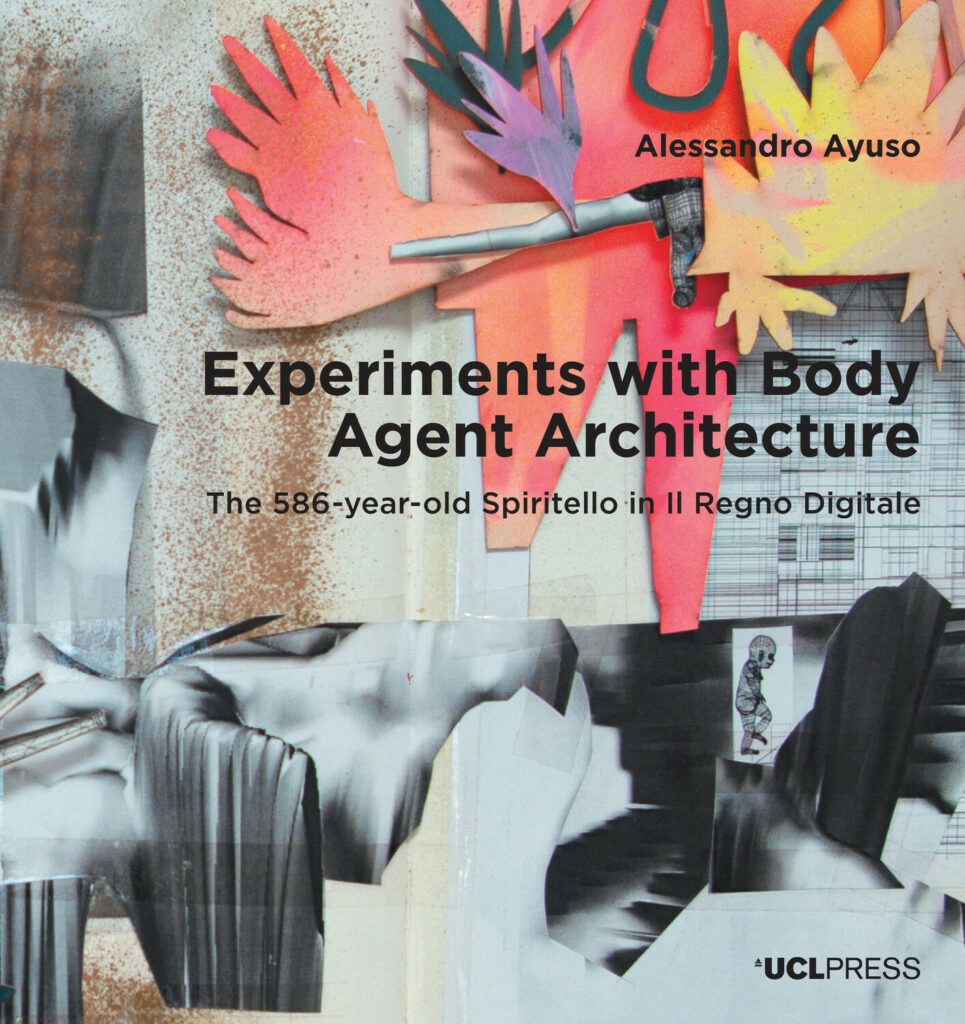
Experiments with Body Agent Architecture

Experiments with Body Agent Architecture puts forward the notion of body agents: non-ideal, animate and highly specific figures integrated with design to enact particular notions of embodied subjectivity in architecture. Body agents present opportunities for architects to increase imaginative and empathic qualities in their designs, particularly amidst a posthuman condition.

Beginning with narrative writing from the viewpoint of a body agent, an estranged ‘quattrocento spiritello’ who finds himself uncomfortably inhabiting a digital milieu (or, as the spiritello calls it, ‘Il Regno Digitale’), the book combines speculative historical fiction and original design experiments. It focuses on the process of creating the multi-media design experiments, moving from the design of the body itself as an original prosthetic to architectural proposals emanating from the body.

A fragmented history of the figure in architecture is charted and woven into the designs, with chapters examining Michelangelo’s enigmatic figures in his drawings for the New Sacristy in the early sixteenth century, Gian Lorenzo Bernini’s physically ephemeral ‘putti’ adorning chapels and churches in the seventeenth century, and Austrian artist-architect Walter Pichler’s personal and prescient figures of the twentieth century.

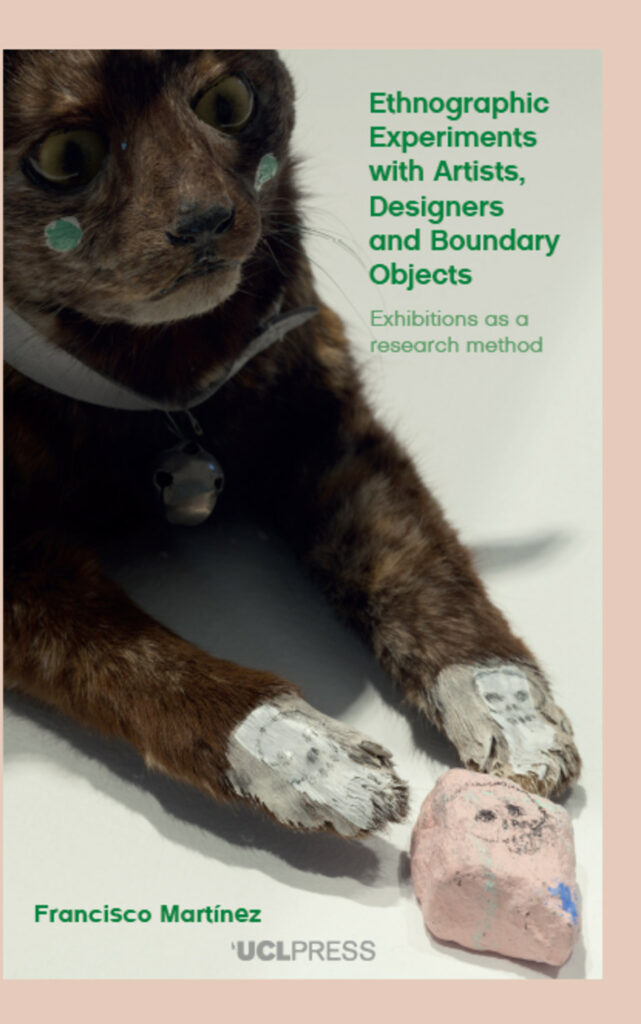
Ethnographic Experiments with Artists, Designers and Boundary Objects

Ethnographic Experiments with Artists, Designers and Boundary Objects is a lively investigation into ethnographic practice. Richly illustrated, it invites the reader to reflect on the skills of collaboration and experimentation in fieldwork and in gallery curation, thereby expanding our modes of knowledge production.

Francisco Martínez increases our understanding of the relationship between contemporary art, design and anthropology, imagining creative ways to engage with the contemporary world and developing research infrastructures across disciplines. He opens up a vast field of methodological explorations, providing a language to reconsider ethnography and objecthood while producing knowledge with people of different backgrounds.

At the heart of this study are the possibilities for transdisciplinary collaborations, the opportunity to use exhibitions as research devices, and the role of experimentation in the exhibition process. It is critical reading for researchers of Anthropology, Material Culture and Museum Studies, and for any reader with an interest in ethnographic methods.

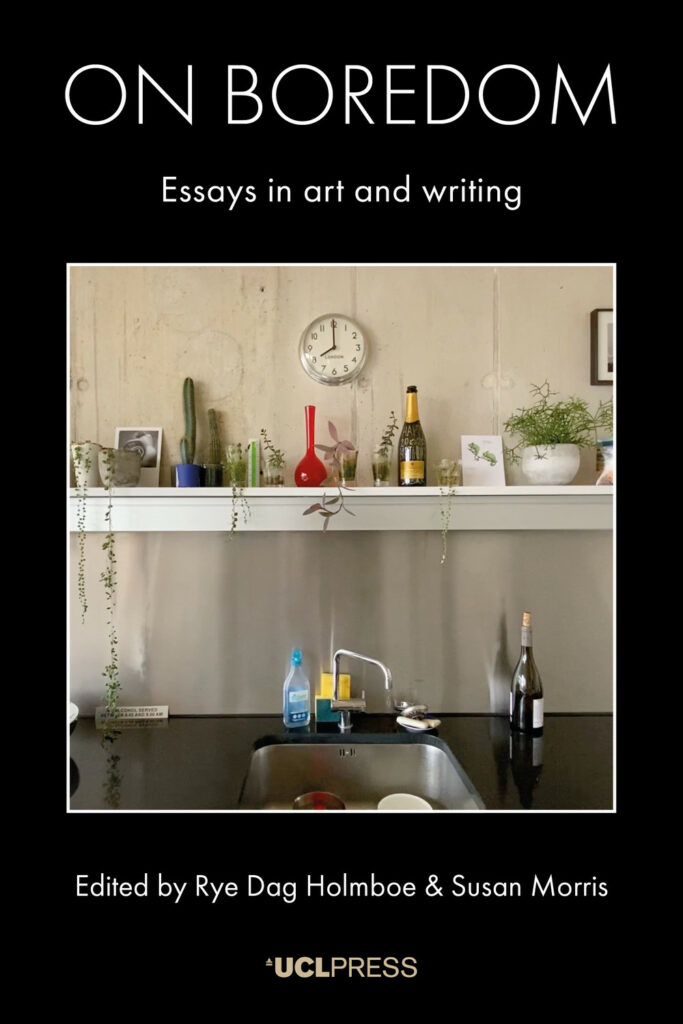
On Boredom

What do we mean when we say that we are bored? Or when we find a subject boring? Contributors to On Boredom: Essays in art and writing, which include artists, art historians, psychoanalysts and a novelist, examine boredom in its manifold and uncertain reality. Each part of the book takes up a crucial moment in the history of boredom and presents it in a new light, taking the reader from the trials of the consulting room to the experience of hysteria in the nineteenth century. The book pays particular attention to boredom’s relationship with the sudden and rapid advances in technology that have occurred in recent decades, specifically technologies of communication, surveillance and automation.

On Boredom is idiosyncratic for its combination of image and text, and the artworks included in its pages – by Mathew Hale, Martin Creed and Susan Morris – help turn this volume into a material expression of boredom itself. With other contributions from Josh Cohen, Briony Fer, Anouchka Grose, Rye Dag Holmboe, Margaret Iversen, Tom McCarthy and Michael Newman, the book will appeal to readers in the fields of art history, literature, cultural studies and visual culture, from undergraduate students to professional artists working in new media.

Sign up to our newsletter

Don't miss out!
Subscribe to the UCL Press newsletter for the latest open access books,
journal CfPs, news and views from our authors and much more!