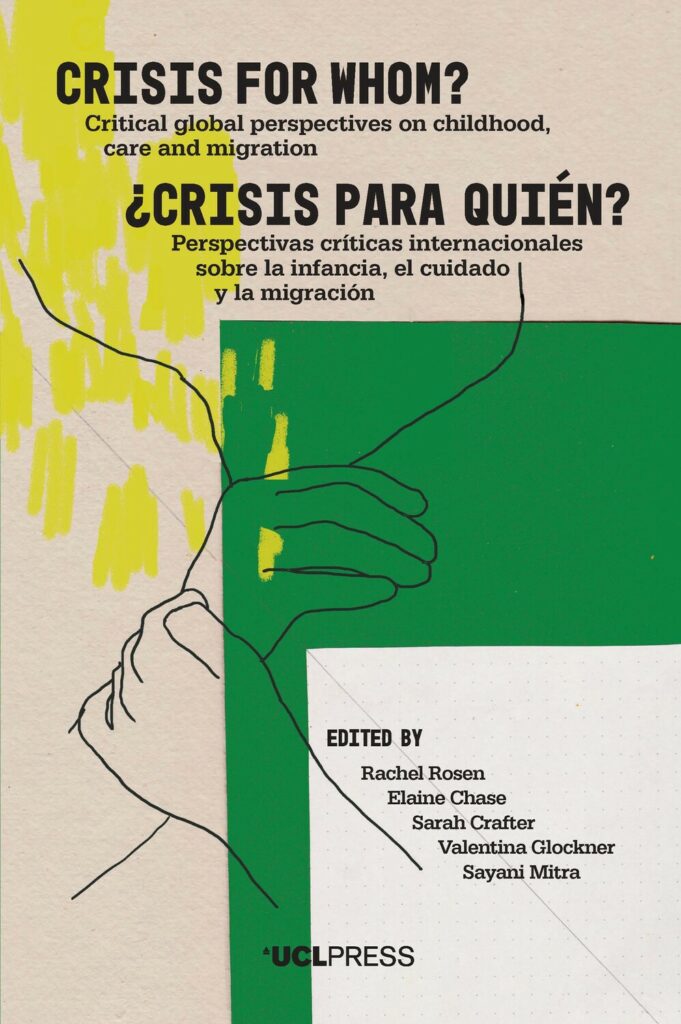
Crisis for Whom?

Children feature centrally in the ubiquitous narratives of ‘migration crises’. They are often depicted as essentially vulnerable and in need of special protections, or suspiciously adult-like and a threat to national borders. At the same time, many voices, experiences, and stories are rarely heard, especially about children on the move within the global South. This bilingual book, written in English and Spanish, challenges simplistic narratives to enrich perspectives and understanding. Drawing on collaborations between young (im)migrants, researchers, artists and activists, this collection asks new questions about how crises are produced, mobility is controlled, and childhood is conceptualised. Answers to these questions have profound implications for resources, infrastructures, and relationships of care. Authors offer insights from diverse global contexts, painting a rich and insightful tapestry about childhood (im)mobility. They stress that children are more than recipients of care and that the crises they face are multiple and stratifying, with long historical roots. Readers are invited to understand migration as an act of concern and love, and to attend to how the solidarities between citizens and ‘others’, adults and children, and between children, are understood and forged.

La niñez ocupa un lugar central en las narrativas omnipresentes de las “crisis migratorias”. A menudo ésta es representada como esencialmente vulnerable y necesitada de protección especial, como sospechosamente parecida a los adultos, o como una amenaza para las fronteras nacionales. Al mismo tiempo, existen muchas voces, experiencias e historias que rara vez son escuchadas, especialmente aquellas que hablan sobre las infancias en movimiento dentro del Sur global. ‘Este libro bilingüe, escrito en inglés y español, desafía las narrativas simplistas para enriquecer nuestra perspectivas y comprensión. Basada en colaboraciones entre jóvenes (in)migrantes, investigadores, artistas y activistas, esta colección plantea nuevas preguntas sobre cómo se producen las crisis, cómo se controla la movilidad y cómo se conceptualiza a la infancia y la niñez. Las respuestas a estas preguntas tienen profundas implicaciones para la distribución de recursos, la infraestructura y las prácticas de cuidado. Las y los autores ofrecen perspectivas que surgen de diversos contextos globales, construyendo un rico y detallado tapiz sobre la (in)movilidad infantil. Destacan que niñas y niños son mucho más que simples receptores de cuidados y que las crisis que enfrentan son múltiples y estratificadas, con profundas raíces históricas. Se invita a las/os lectoras/es a entender la migración como un acto de concientización y amor, y a poner atención en cómo se entienden y forjan las solidaridades entre ciudadanos y aquellos que son percibidos como “otros”; entre adultos y niñas/os, y entre las/os niñas/os mismas/os.
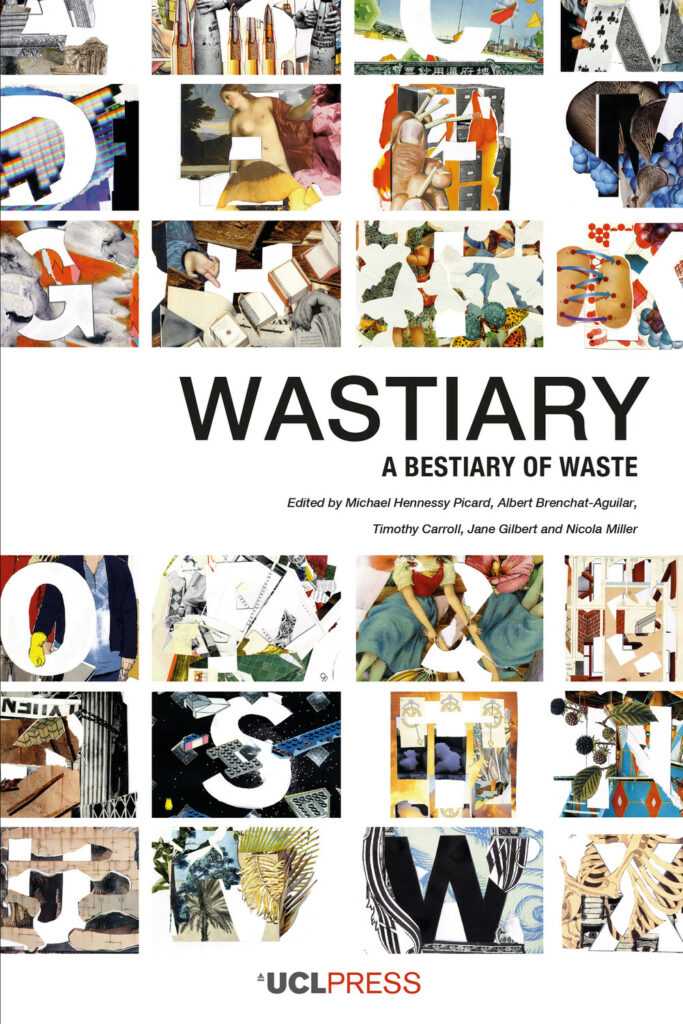
Wastiary

Wastiary, or Bestiary of Waste, is a creative exercise that occupies letters, numbers, and symbols of Western academic language to compose a list of 35 short entries on the uncomfortable but pressing topic of waste in the contemporary world. The collection is richly illustrated with artwork, photography, collage and mixed media.
The book is a heterodox compendium of ‘beasts of waste’, playfully re-imagining the medieval treatise on various kinds of animal. It conveys the message that various forms of waste and pollution have achieved a beast-like or untameable quality, at times pungently transferring to considerations of ‘the human’, or humans treated as waste.

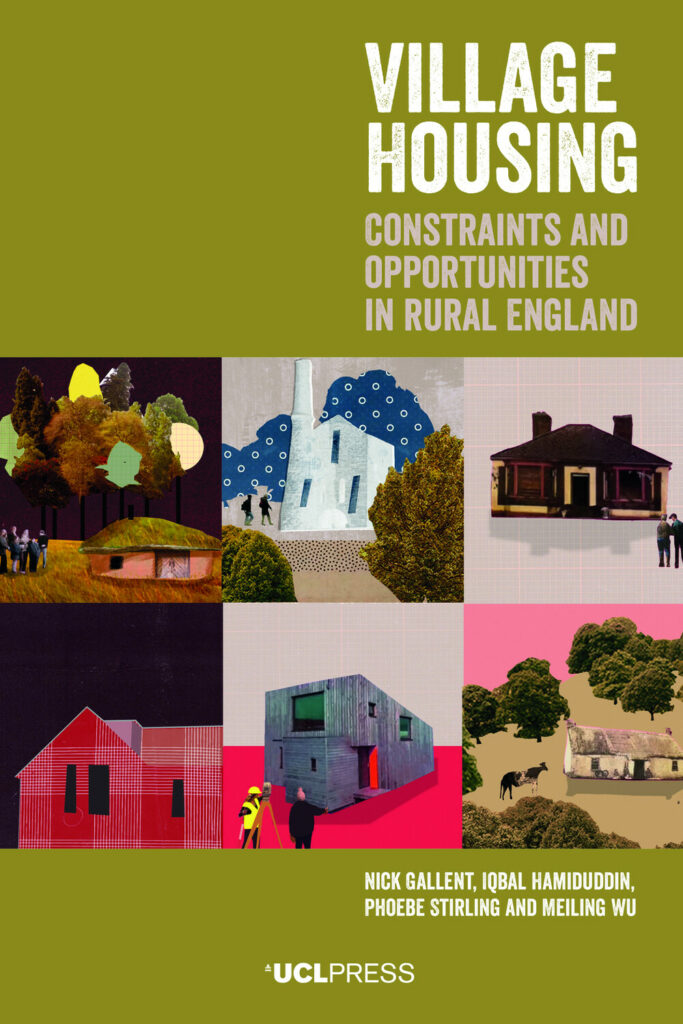
Village Housing

Village Housing explores the housing challenge faced by England’s amenity villages, rooted in post-war counter-urbanisation and a rising tide of investment demand for rural homes. It tracks solutions to date and considers what further actions might be taken to increase the equity of housing outcomes and thereby support rural economies and alternate rural futures.

Examining past, current and future intervention, the book’s authors look firstly at the interwar reliance on landowners to provide tied housing and post-war diversification of responses to rising housing access difficulties, including from the public and third sectors; secondly, at recent responses that are community-led or rely on flexibilities in the planning system; and thirdly, at actions that disrupt established production processes: self-build, low impact development and a re-emergence of council provision.

These responses to the village housing challenge are set against a broader backcloth of structural constraint – rooted in a planning-land-tax-finance nexus – and opportunities, through reform, to reduce that constraint. Village Housing makes the case for planning, land and tax reforms that can broader the social inclusivity and diversity of villages, supporting their economic function and allowing them to play their part in post-carbon rural futures. It aims to contribute greater understanding of the village housing problem – framed by the wider cost crisis afflicting advanced economies – and offer glimpses of alternative relationships with planning and land.

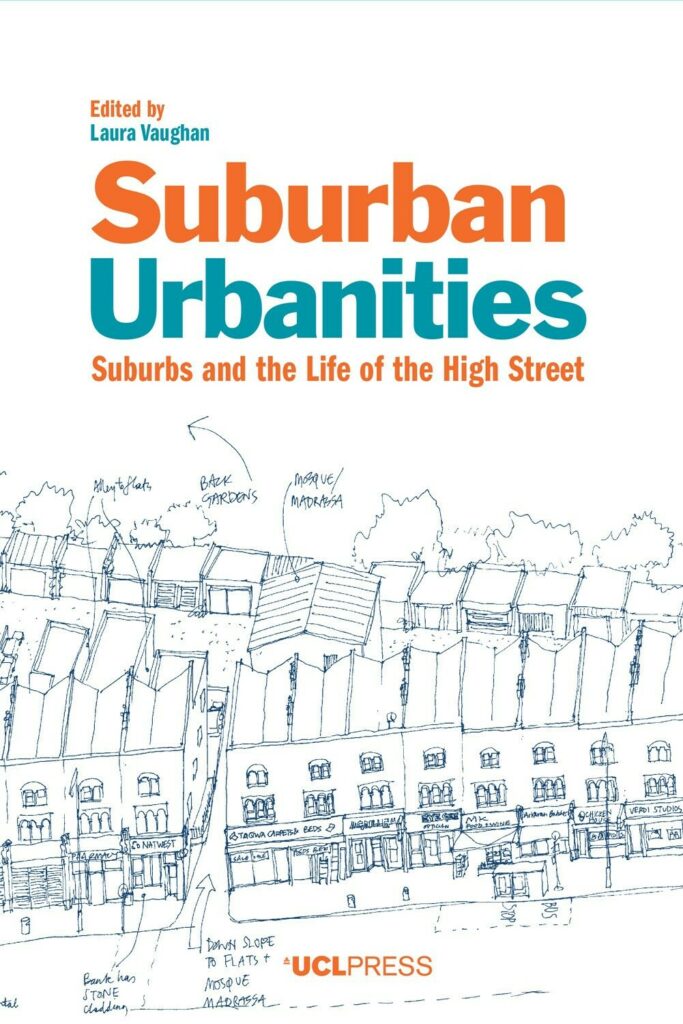
Suburban Urbanities

Suburban space has traditionally been understood as a formless remnant of physical city expansion, without a dynamic or logic of its own. Suburban Urbanities challenges this view by defining the suburb as a temporally evolving feature of urban growth.

Anchored in the architectural research discipline of space syntax, this book offers a comprehensive understanding of urban change, touching on the history of the suburb as well as its current development challenges, with a particular focus on suburban centres. Studies of the high street as a centre for social, economic and cultural exchange provide evidence for its critical role in sustaining local centres over time. Contributors from the architecture, urban design, geography, history and anthropology disciplines examine cases spanning Europe and around the Mediterranean.

By linking large-scale city mapping, urban design scale expositions of high street activity and local-scale ethnographies, the book underscores the need to consider suburban space on its own terms as a specific and complex field of social practice.

Studying Diversity, Migration and Urban Multiculture

Anti-migrant populism is on the rise across Europe, and diversity and multiculturalism are increasingly presented as threats to social cohesion. Yet diversity is also a mundane social reality in urban neighbourhoods. With this in mind, Studying Diversity, Migration and Urban Multiculture explores how we can live together with and in difference. What is needed for conviviality to emerge and what role can research play? This volume demonstrates how collaboration between scholars, civil society and practitioners can help to answer these questions.

Drawing on a range of innovative and participatory methods, each chapter examines conviviality in different cities across the UK. The contributors ask how the research process itself can be made more convivial, and show how power relations between researchers, those researched, and research users can be reconfigured – in the process producing much needed new knowledge and understanding about urban diversity, multiculturalism and conviviality. Examples include embroidery workshops with diverse faith communities, arts work with child language brokers in schools, and life story and walking methods with refugees.

Studying Diversity, Migration and Urban Multiculture is interdisciplinary in scope and includes contributions from sociologists, anthropologists and social psychologists, as well as chapters by practitioners and activists. It provides fresh perspectives on methodological debates in qualitative social research, and will be of interest to scholars, students, practitioners, activists, and policymakers who work on migration, urban diversity, conviviality and conflict, and integration and cohesion.

Self-Build Homes

Self-Build Homes connects the burgeoning interdisciplinary research on self-build with commentary from leading international figures in the self-build and wider housing sector. Through their focus on community, dwelling, home and identity, the chapters explore the various meanings of self-build housing, encouraging new directions for discussions about self-building and calling for the recognition of the social dimensions of this process, from consideration of the structures, policies and practices that shape it, through to the lived experience of individuals and households.

Divided into four parts – Discourse, Rationale, Meaning; Values, Lifestyles, Imaginaries; Community and Identity; and Perspectives from Practice – the volume comes at a time of renewed focus from policy managers and practitioners, as well as prospective builders themselves, on self-build as a means for producing homes that are more stylised, affordable and appropriate for the specific needs of households. It responds to recent advances in housing and planning policy, while also bringing this into conversation with interdisciplinary perspectives from across the social sciences on housing, home and homemaking. In this way, the book seeks to update understandings of self-build and to account for housing as a distinctly social process.

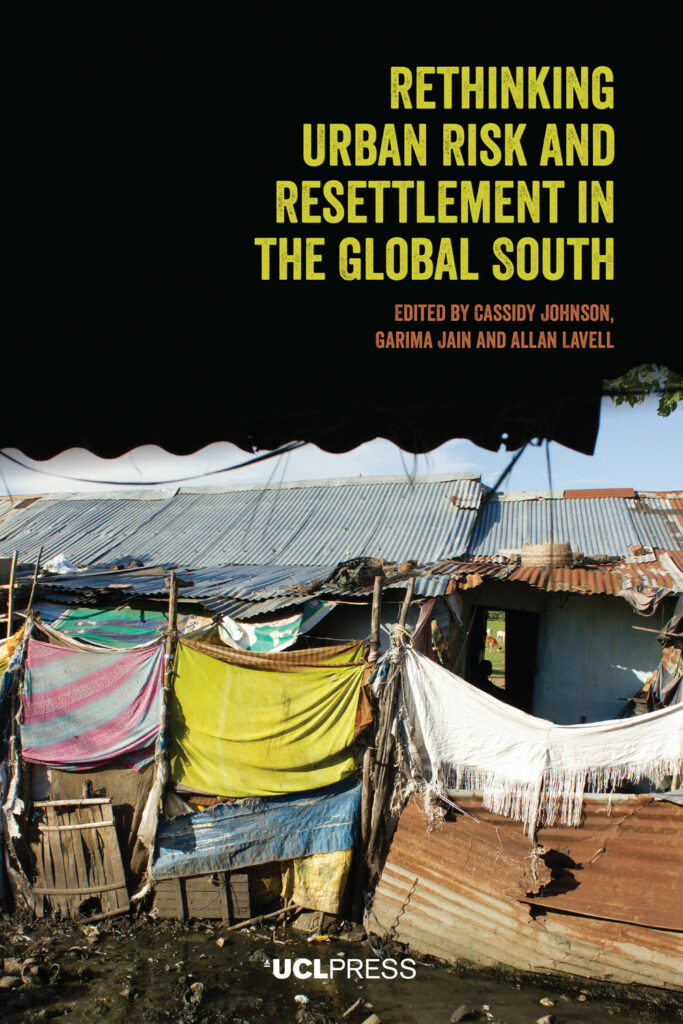
Rethinking Urban Risk and Resettlement in the Global South

Environmental changes have significant impacts on people’s lives and livelihoods, particularly the urban poor and those living in informal settlements. In an effort to reduce urban residents’ exposure to climate change and hazards such as natural disasters, resettlement programmes are becoming widespread across the Global South. While resettlement may reduce a region’s future climate-related disaster risk, it often increases poverty and vulnerability, and can be used as a reason to evict people from areas undergoing redevelopment.

A collaboration between the Bartlett Development Planning Unit at UCL, the Indian Institute for Human Settlements and the Latin American Social Science Faculty, Rethinking Urban Risk and Resettlement in the Global South collates the findings from ‘Reducing Relocation Risks’, a research project that studied urban areas across India, Uganda, Peru, Colombia and Mexico. The findings are augmented with chapters by researchers with many years of insight into resettlement, property rights and evictions, who offer cases from Monserrat, Cambodia, Philippines and elsewhere.

The contributors collectively argue that the processes for making and implementing decisions play a large part in determining whether outcomes are socially just, and examine various value systems and strategies adopted by individuals versus authorities. Considering perceptions of risk, the volume offers a unique way to think about economic assessments in the context of resettlement and draws parallels between different country contexts to compare fully urbanised areas with those experiencing urban growth. It also provides an opportunity to re-think how disaster risk management can better address the accumulation of urban risks through urban planning.

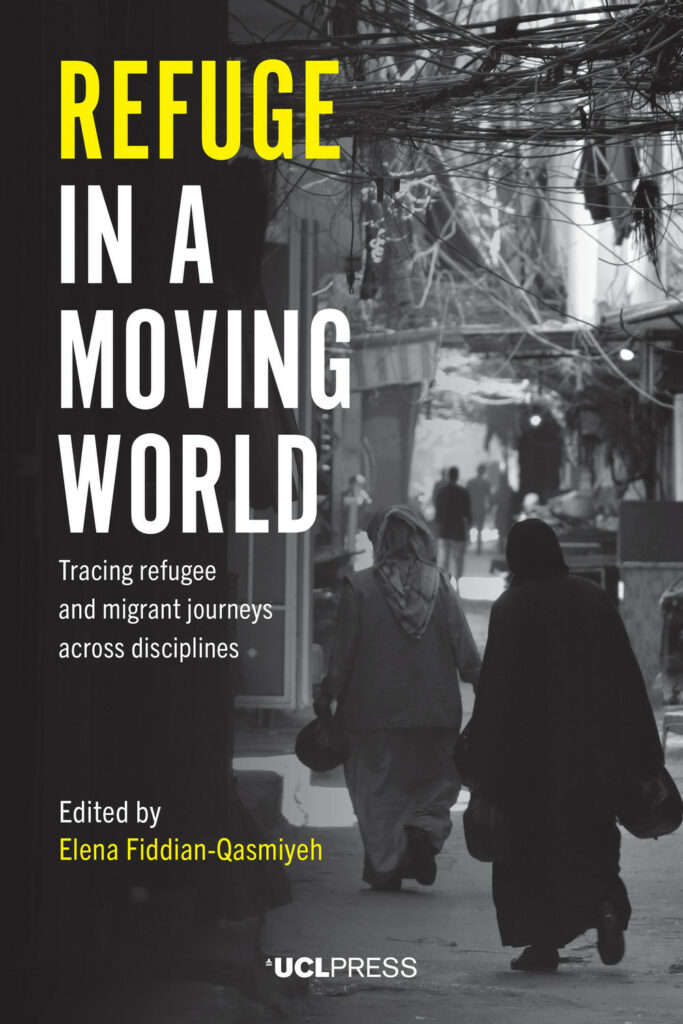
Refuge in a Moving World

Refuge in a Moving World draws together more than thirty contributions from multiple disciplines and fields of research and practice to discuss different ways of engaging with, and responding to, migration and displacement.

The volume combines critical reflections on the complexities of conceptualizing processes and experiences of (forced) migration, with detailed analyses of these experiences in contemporary and historical settings from around the world. Through interdisciplinary approaches and methodologies – including participatory research, poetic and spatial interventions, ethnography, theatre, discourse analysis and visual methods – the volume documents the complexities of refugees’ and migrants’ journeys. This includes a particular focus on how people inhabit and negotiate everyday life in cities, towns, camps and informal settlements across the Middle East and North Africa, Southern and Eastern Africa, and Europe.

A key dynamic documented throughout the book is the multiple ways that responses to displacement are enacted by people with personal or family experiences of (forced) migration. These people appear in many roles: researchers, writers and artists, teachers, solidarians, first responders, NGO practitioners, neighbours and/or friends. Through the application of historically and spatially sensitive, intersectional and interdisciplinary lenses, the contributors explore the ways that different people – across axes of religion, sexuality, gender and age – experience and respond to their own situations and to those of other people, in the context of diverse power structures and structural inequalities on the local, national and international level.

Ultimately, Refuge in a Moving World argues that working collaboratively through interdisciplinary approaches and methodologies has the potential to develop nuanced understandings of processes of migration and displacement, and, in turn, to encourage more sustainable modes of responding to our moving world.

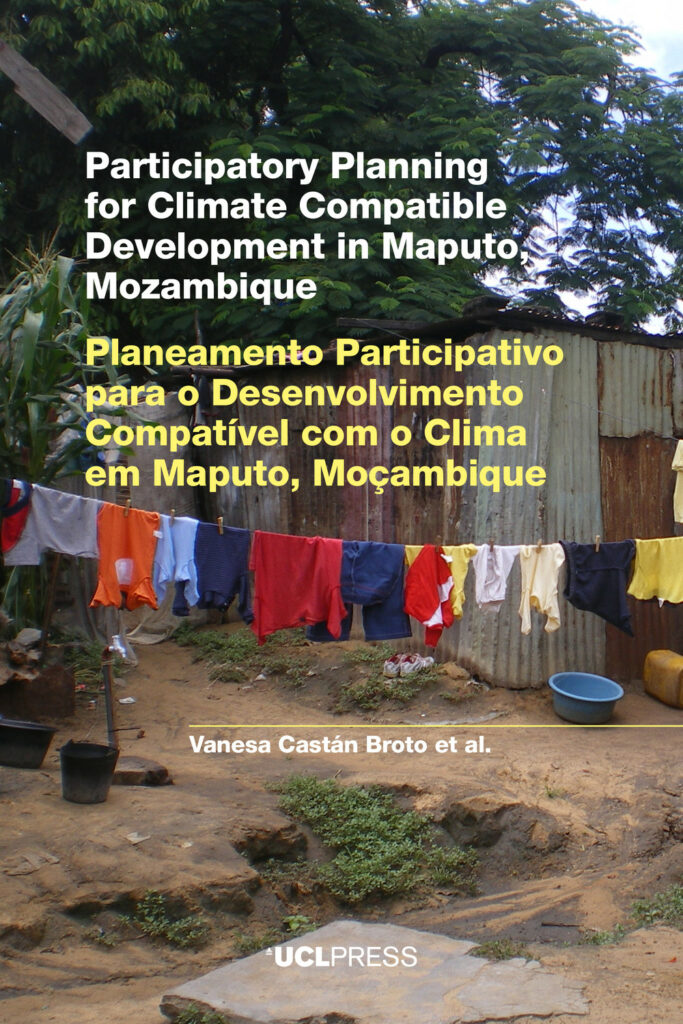
Participatory Planning for Climate Compatible Development in Maputo, Mozambique

Participatory Planning for Climate Compatible Development in Maputo, Mozambique is a practitioners’ handbook that builds upon the experience of a pilot project that was awarded the United Nations ‘Lighthouse Activity’ Award.

Building upon a long scholarly tradition of participatory planning, this dual-language (English/Portuguese) book addresses crucial questions about the relevance of citizen participation in planning for climate compatible development and argues that citizens have knowledge and access to resources that enable them to develop a sustainable vision for their community. In order to do so, the author proposes a Participatory Action Planning methodology to organise communities, and also advances mechanisms for institutional development through partnerships.

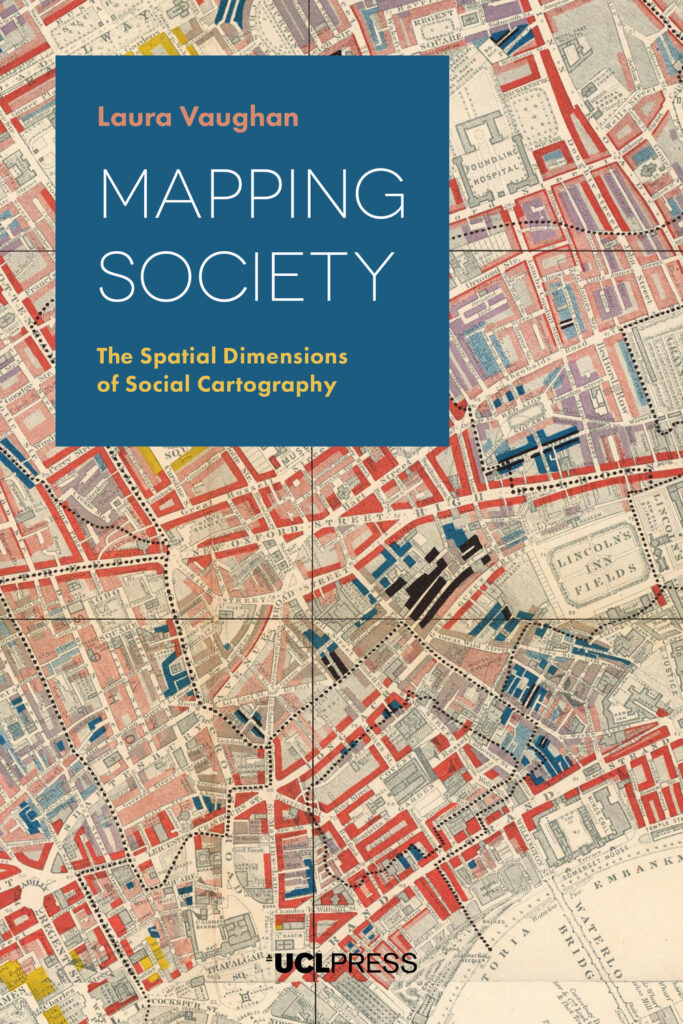
Mapping Society

From a rare map of yellow fever in eighteenth-century New York, to Charles Booth’s famous maps of poverty in nineteenth-century London, an Italian racial zoning map of early twentieth-century Asmara, to a map of wealth disparities in the banlieues of twenty-first-century Paris, Mapping Society traces the evolution of social cartography over the past two centuries. In this richly illustrated book, Laura Vaughan examines maps of ethnic or religious difference, poverty, and health inequalities, demonstrating how they not only serve as historical records of social enquiry, but also constitute inscriptions of social patterns that have been etched deeply on the surface of cities.

The book covers themes such as the use of visual rhetoric to change public opinion, the evolution of sociology as an academic practice, changing attitudes to physical disorder, and the complexity of segregation as an urban phenomenon. While the focus is on historical maps, the narrative carries the discussion of the spatial dimensions of social cartography forward to the present day, showing how disciplines such as public health, crime science, and urban planning, chart spatial data in their current practice. Containing examples of space syntax analysis alongside full colour maps and photographs, this volume will appeal to all those interested in the long-term forces that shape how people live in cities.

Sign up to our newsletter

Don't miss out!
Subscribe to the UCL Press newsletter for the latest open access books,
journal CfPs, news and views from our authors and much more!