We are currently upgrading our shopping cart; in the interim all orders are being diverted to Waterstones. If you would like to redeem a promotional code, or are an author wanting to place an order, please email us.

Contact us

Architecture as a Way of Seeing and Learning

At the beginning of 2020, 66 long-term refugee camps existed along the East African Rift. Millions of young children have been born at the camps and have grown up there, yet it is unknown how their surrounding built environments affect their learning and development.

Architecture as a Way of Seeing and Learning presents an architect’s take on questions many academics and humanitarians ask. Is it relevant to look at camps through an urban lens and focus on their built environment? Which analytical benefits can architectural and design tools provide to refugee assistance and specifically to young children’s learning? And which advantages can assemblage thinking and situated knowledges bring about in analysing, understanding and transforming long-term refugee camps?

Responding to the extreme lack of information about East African camps, Nerea Amorós Elorduy has built contextualised knowledge – nuanced, situated and participatory – to describe, study and transform the East African long-term camps, and uncover hidden agencies in refugee assistance. She uses architecture as a means to create new knowledge collectively, include more local voices and speculate on how to improve the educational landscape for young children.

With this book, Amorós Elorduy brings nuance, contextualisation and empathy to the study and management of long-term refugee camps in East Africa. It is empathy, she argues, that will help change mindsets, decolonise humanitarian refugee assistance and its study. Crossing architecture, humanitarian aid and early career development, this book offers many practical learnings.

Sustainable Food Systems

Faced with a global threat to food security, it is perfectly possible that society will respond, not by a dystopian disintegration, but rather by reasserting co-operative traditions. **This book, by a leading expert in urban agriculture, offers a genuine solution to today’s global food crisis. By contributing more to feeding themselves, cities can allow breathing space for the rural sector to convert to more organic sustainable approaches.

Biel’s approach connects with current debates about agroecology and food sovereignty, asks key questions, and proposes lines of future research. He suggests that today’s food insecurity – manifested in a regime of wildly fluctuating prices – reflects not just temporary stresses in the existing mode of production, but more profoundly the troubled process of generating a new one. He argues that the solution cannot be implemented at a merely technical or political level: the force of change can only be driven by the kind of social movements which are now daring to challenge the existing unsustainable order.

Drawing on both his academic research and teaching, and 15 years’ experience as a practicing urban farmer, Biel brings a unique interdisciplinary approach to this key global issue, creating a dialogue between the physical and social sciences.

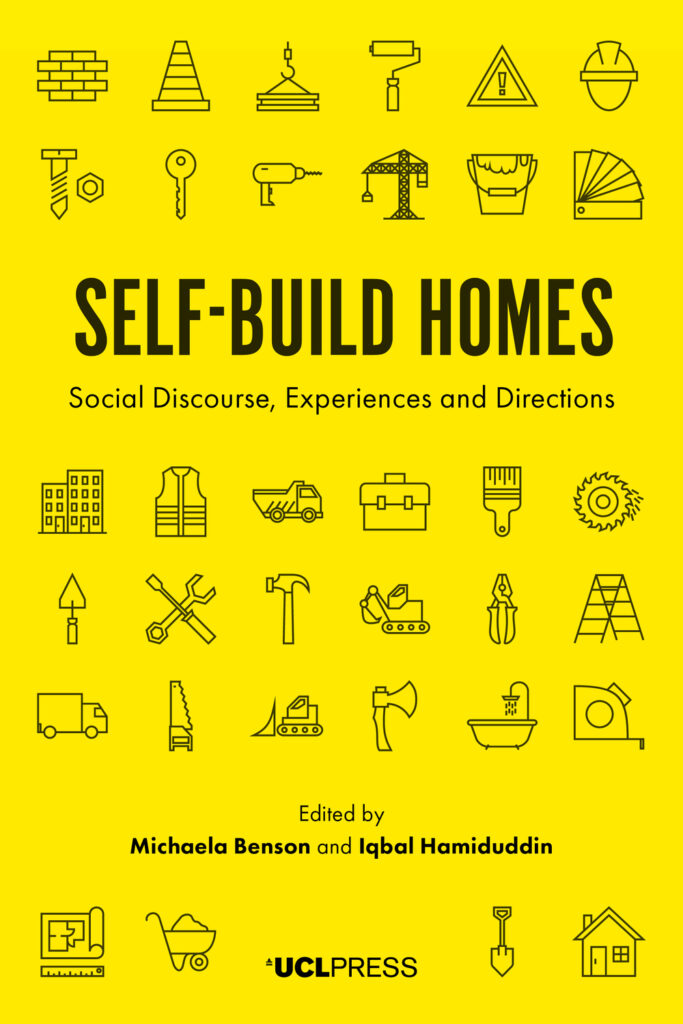
Self-Build Homes

Self-Build Homes connects the burgeoning interdisciplinary research on self-build with commentary from leading international figures in the self-build and wider housing sector. Through their focus on community, dwelling, home and identity, the chapters explore the various meanings of self-build housing, encouraging new directions for discussions about self-building and calling for the recognition of the social dimensions of this process, from consideration of the structures, policies and practices that shape it, through to the lived experience of individuals and households.

Divided into four parts – Discourse, Rationale, Meaning; Values, Lifestyles, Imaginaries; Community and Identity; and Perspectives from Practice – the volume comes at a time of renewed focus from policy managers and practitioners, as well as prospective builders themselves, on self-build as a means for producing homes that are more stylised, affordable and appropriate for the specific needs of households. It responds to recent advances in housing and planning policy, while also bringing this into conversation with interdisciplinary perspectives from across the social sciences on housing, home and homemaking. In this way, the book seeks to update understandings of self-build and to account for housing as a distinctly social process.

The Research University in Today’s Society

In this topical lecture, investor and philanthropist Gerald Chan examines the role of philanthropy in the rapidly changing higher education environment. He proposes that society will be short-changed if the purpose of universities is seen as human resource rather than humanity. Dr Chan argues that the independence of universities is crucial for maintaining the balance between their dual role as engines of the economy and places of curiosity-driven research, and that a philanthropic public private partnership is vital to that. ‘Higher education is not cheap; but what is more expensive to society are the consequences of not supporting its universities… In a democratic society, governments come and go, and government funding priorities come and go, but a properly managed endowment endures.’ Dr Chan’s thought-provoking lecture ranges from pre-Enlightenment beliefs to the invention by Steve Jobs of the first Apple Macs, to demonstrate the vital role of universities to humanity.

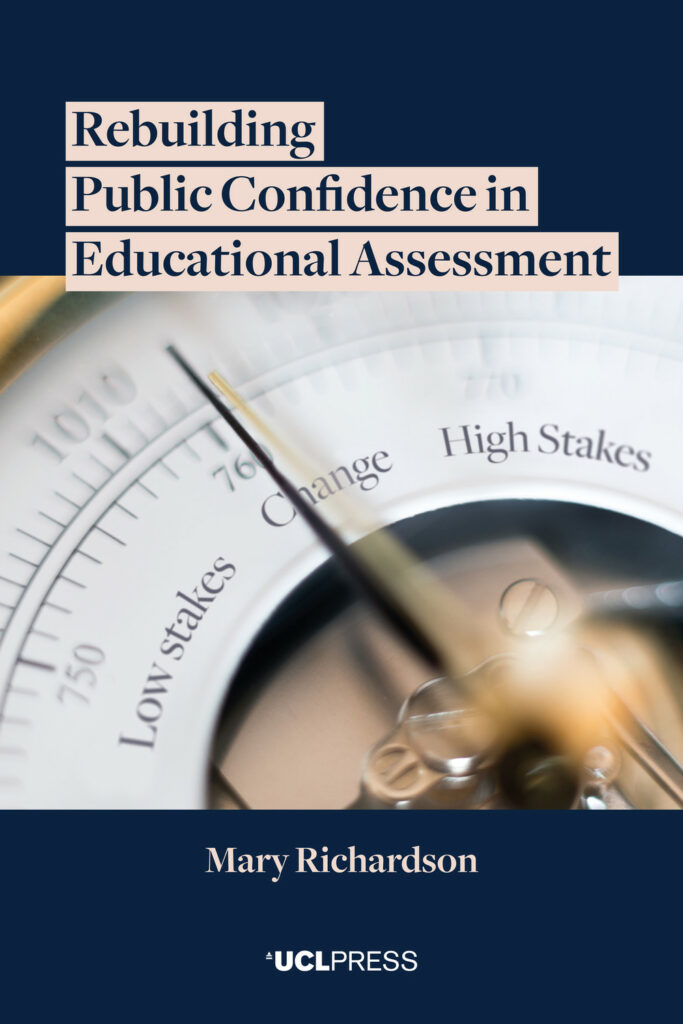
Rebuilding Public Confidence in Educational Assessment

Educational assessment is important. But in the twenty-first century it is easy to feel that schooling and other phases of education are shaped entirely by certain assessments, and that assessment is only about exam results. The idea that test grades can accurately describe the aims and outcomes of education is unfair and reductive. Yet it is a pervasive and persuasive discourse. This book is about such discourses – the stories we tell each other – and how they impact public trust and confidence in educational assessment. It explains the roots and nature of assessment discourses, and proposes a restructuring of the debates in order to rebuild public confidence. It aims to challenge dominant assessment discourses and demands a more nuanced, informed debate about what happens in and beyond schools, and how this influences public thinking.

Questioning the status quo needs buy-in from policymakers, teachers, parents and students, and from the broader public: from journalists, you, me, our friends and our children. Using examples from international settings to explore the nature of trust in assessment discourses, Rebuilding Public Confidence in Educational Assessment shows how these discourses can be reframed so that all aspects of the assessment system – policymaking, school planning, home practice with students – can be undertaken with confidence.

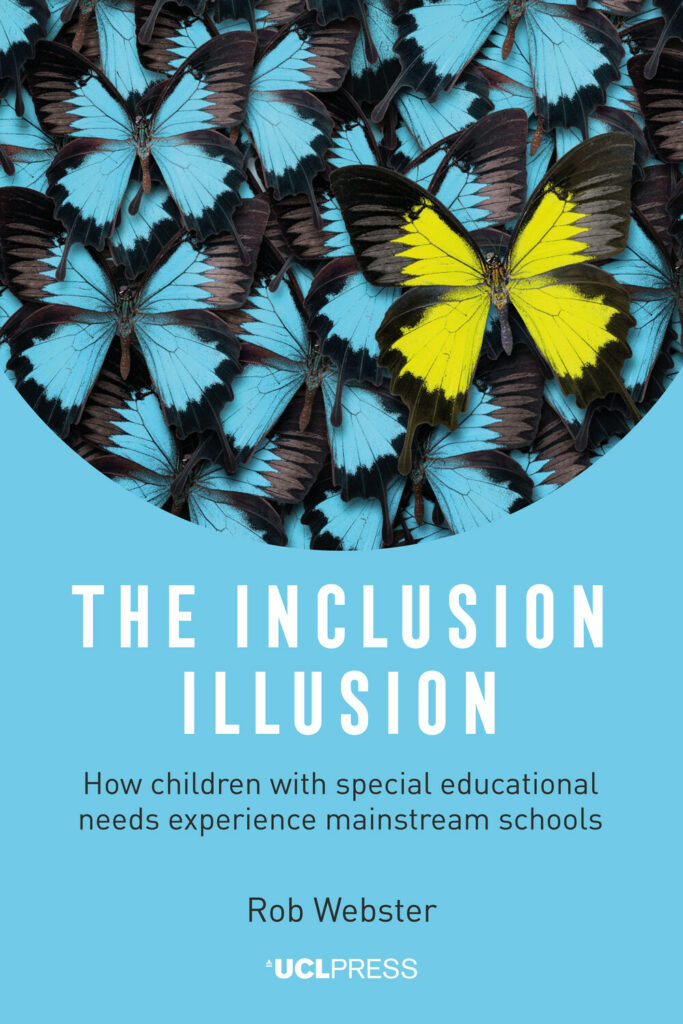
The Inclusion Illusion

Inclusion conjures images of children with special educational needs and disabilities (SEND) learning in classes alongside peers in a mainstream school. For pupils in the UK with high-level SEND, who have an Education, Health and Care Plan (formerly a Statement), this implies an everyday educational experience similar to that of their typically-developing classmates. Yet in vital respects, they are worlds apart.

Based on the UK’s largest observation study of pupils with high-level SEND, The Inclusion Illusion exposes how attendance at a mainstream school is no guarantee of receiving a mainstream education. Observations of nearly 1,500 lessons in English schools show that their everyday experience of school is characterised by separation and segregation. Furthermore, interviews with nearly 500 pupils, parents and school staff reveal the effect of this marginalisation on the quality of their education. The way schools are organised and how classrooms are composed creates a form of ‘structural exclusion’ that preserves mainstream education for typically-developing pupils and justifies a diluted pedagogical offer for pupils with high-level SEND. Policymakers, not mainstream schools, are indicted over this state of affairs. This book prompts questions about what we think inclusion is and what it looks like. Ultimately, it suggests why a more authentic form of inclusion is needed, and how it might be achieved.

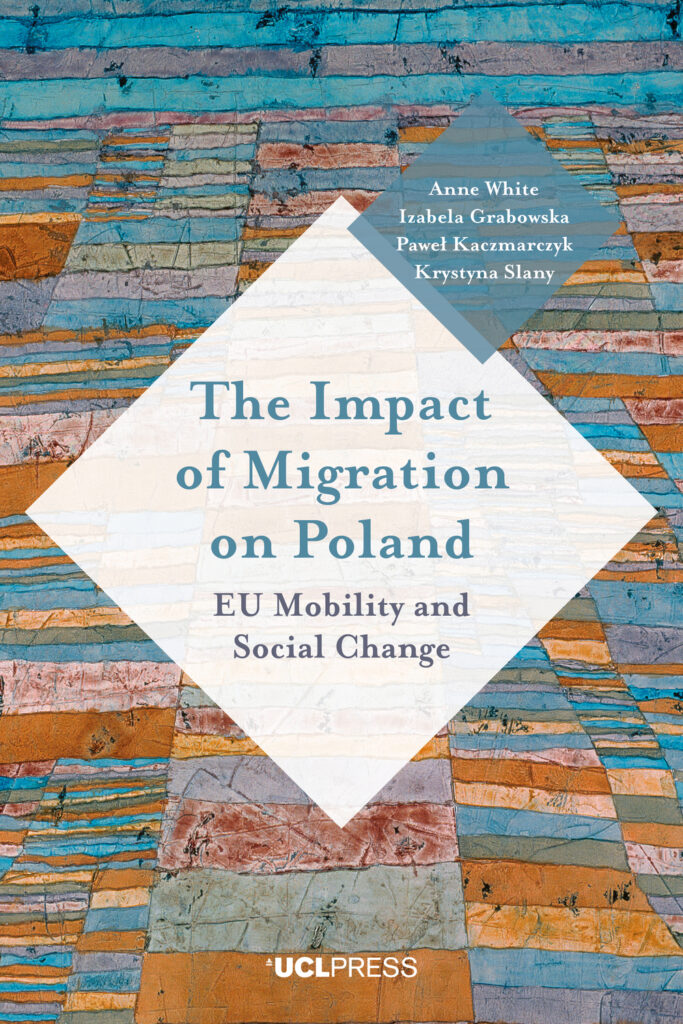
The Impact of Migration on Poland

How has the international mobility of Polish citizens intertwined with other influences to shape society, culture, politics and economics in contemporary Poland?

The Impact of Migration on Poland offers a new approach for understanding how migration affects sending countries and provides a wide-ranging analysis of how Poland has changed, and continues to change, since EU accession in 2004. The authors explore an array of social trends and their causes before using in-depth interview data to illustrate how migration contributes to those causes. They address fundamental questions about whether and how Polish society is becoming more equal and more cosmopolitan, arguing that for particular segments of society migration does make a difference, and can be seen as both leveller and eye-opener. While the book focuses mainly on stayers in Poland, and their multiple contacts with Poles in other countries, Chapter 9 analyses ‘Polish society abroad’, a concept that is a far more accurate description than ‘community’ in countries such as the UK.

The book is written in a lively and accessible style, and will be important reading for anyone interested in the influence of migration on society, as well as students and scholars researching EU mobility, migration theory and methodology, and issues facing contemporary Europe.

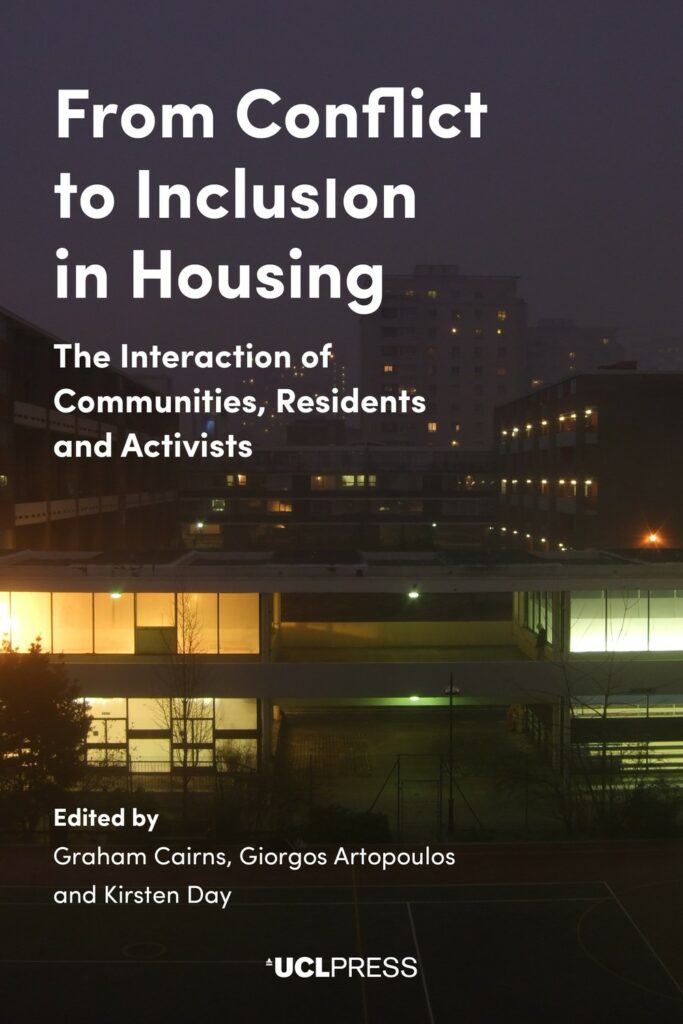
From Conflict to Inclusion in Housing

Socio-political views on housing have been brought to the fore in recent years by global economic crises, a notable rise of international migration and intensified trans-regional movement phenomena. Adopting this viewpoint, From Conflict to Inclusion in Housing maps the current terrain of political thinking, ethical conversations and community activism that complements the current discourse on new opportunities to access housing. Its carefully selected case studies cover many geographical contexts, including the UK, the US, Brazil, Australia, Asia and Europe.

Importantly, the volume presents the views of stakeholders that are typically left unaccounted for in the process of housing development, and presents them with an interdisciplinary audience of sociologists, planners and architects in mind. Each chapter offers new interpretations of real-world problems, local community initiatives and successful housing projects, and together construct a critique on recent governmental and planning policies globally. Through these studies, the reader will encounter a narrative that encompasses issues of equality for housing, the biopolitics of dwelling and its associated activism, planning initiatives for social sustainability, and the cohabitation of the urban terrain.

The Education System in Mexico

Over the last three decades, a significant amount of research has sought to relate educational institutions, policies, practices and reforms to social structures and agencies. A number of models have been developed that have become the basis for attempting to understand the complex relation between education and society. At the same time, national and international bodies tasked with improving educational performances seem to be writing in a void, in that there is no rigorous theory guiding their work, and their documents exhibit few references to groups, institutions and forces that can impede or promote their programmes and projects. As a result, the recommendations these bodies provide to their clients display little to no comprehension of how and under what conditions the recommendations can be put into effect.

The Education System in Mexico directly addresses this problem. By combining abstract insights with the practicalities of educational reforms, policies, practices and their social antecedents, it offers a long overdue reflection of the history, effects and significance of the Mexican educational system, as well as presenting a more cogent understanding of the relationship between educational institutions and social forces in Mexico and around the world.

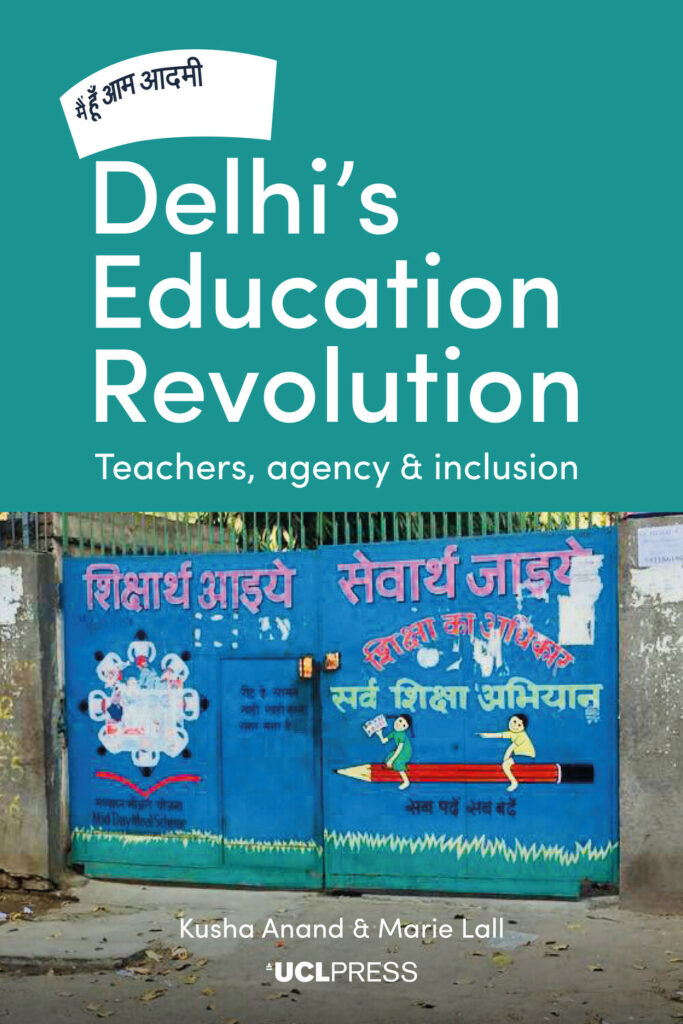
Delhi’s Education Revolution

In 2015, the Aam Aadmi Party (AAP) was elected to govern Delhi promising to improve public services, including education through government schools that would be the equal of private-school provision. Media reports, along with the party’s re-election in 2020, suggest strong public confidence that AAP are delivering on that promise. But is this success reflected by experience in schools?

Delhi’s Education Revolution offers a critical evaluation of the AAP’s education reforms by exploring policy and practice through the eyes of one key group: the government-school teachers tasked with making the AAP’s pledge a reality. Drawing on 110 research interviews conducted via Zoom during the Covid pandemic in the summer of 2020, teachers explain how the reforms have changed their profession and practice, and whether education really has improved for children of all backgrounds. Analysis of views about critical issues such as inclusion and the pressure of achievement targets in classrooms that often contain more than 50 students, informs their observations about the reform programme itself. The study paints a more qualified picture of success than suggested elsewhere and makes a valuable contribution to the understanding of education reforms in India, and most especially, in Delhi.

Sign up to our newsletter

Don't miss out!
Subscribe to the UCL Press newsletter for the latest open access books,
journal CfPs, news and views from our authors and much more!