We are currently upgrading our shopping cart; in the interim all orders are being diverted to Waterstones. If you would like to redeem a promotional code, or are an author wanting to place an order, please email us.

Contact us

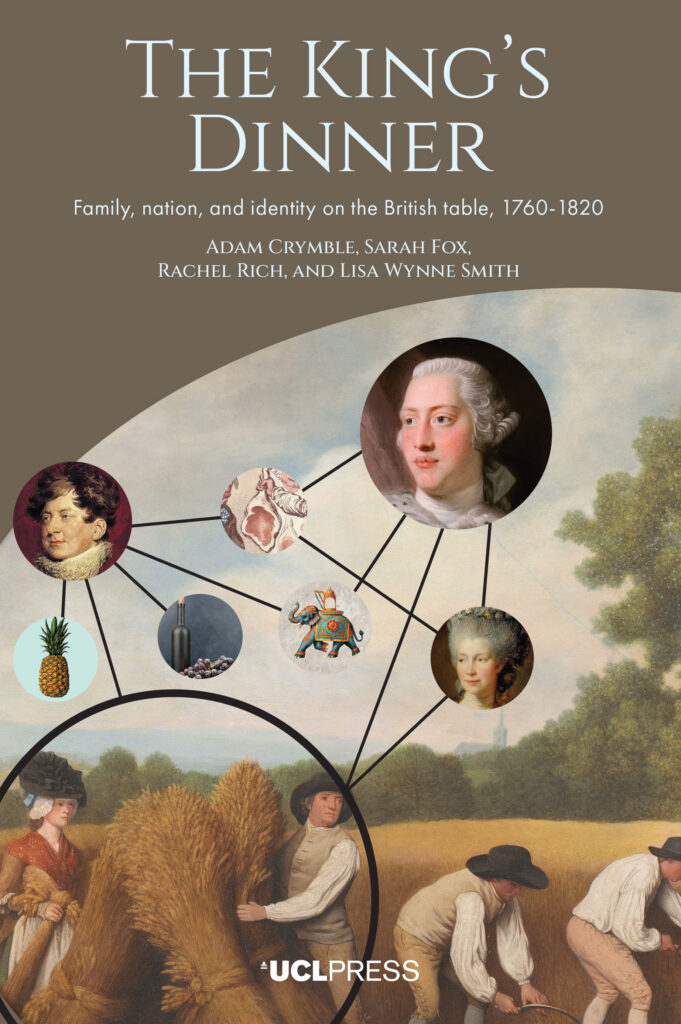
The King’s Dinner

The King’s Dinner is about what it meant to be British at the end of the eighteenth century. Drawing on the vast kitchen ledgers of two royal households made newly available to research through digitisation, the authors study the role and influence of food in understanding British identity. Analysing trade routes, migration, agricultural changes, recipes, and flavours they argue that Britishness was more complex and more multicultural than previously recognised.

Starting at George III’s Kew Palace and the Prince Regent’s Carlton House, then moving in ever wider circles, the book considers the significance of food for understanding the royal family, the wider British population, their European neighbours, and the British and colonised people in the Atlantic world and the Indian subcontinent. With a growing overseas empire, Britain was an increasingly powerful nation, and the ability to choose was one of the ways this power was exercised. The cuisine that emerged was complex, with wealthy Britons adopting, adapting, or rejecting the foods of European enemies and allies or colonised peoples and places. ‘Britishness’ was an ever-shifting balance of European multiculturalism, imperial ambition, tradition and experimentation, a messy mix that reveals the entanglement of cultures and cuisines, continually changed by the people who cook and eat the food.

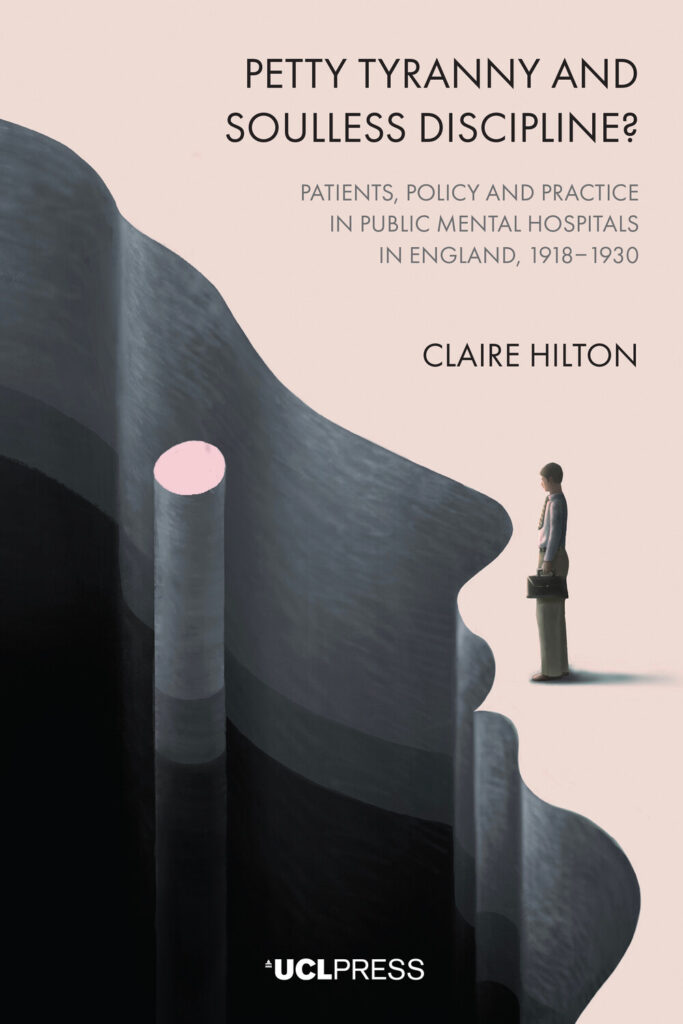
Petty Tyranny and Soulless Discipline?

High expectations for a better world followed the First World War. Many changes took place aligned with ‘progress’, but in England the poorest benefited little from them. This was all too evident in the nation’s public mental hospitals. Patients were their raison d’ȇtre, yet their experiences show that they sat at the foot of the country’s priorities.

Petty Tyranny and Soulless Discipline? places patients at its centre to explore their daily lives, including their admission, care, treatment, discharge and after-care, or death. These narratives, drawn from a range of primary sources, are contextualised in an historical analysis of how and why a mixture of stagnating and changing knowledge, attitudes and ideals affected patients’ experiences. The Lunacy Act 1890 underpinned life in the mental hospitals by setting out their organisation, regulation and funding. A variety of professionals, campaigners for reform, central government departments, local authorities, trades unions and voluntary organisations, often with competing agendas, influenced what happened to patients. There was also new medical knowledge, from Britain and beyond. This book weaves these strands into a coherent whole, to reveal the complexity of mental health provision in the past and enable reflection that might inform debate today.

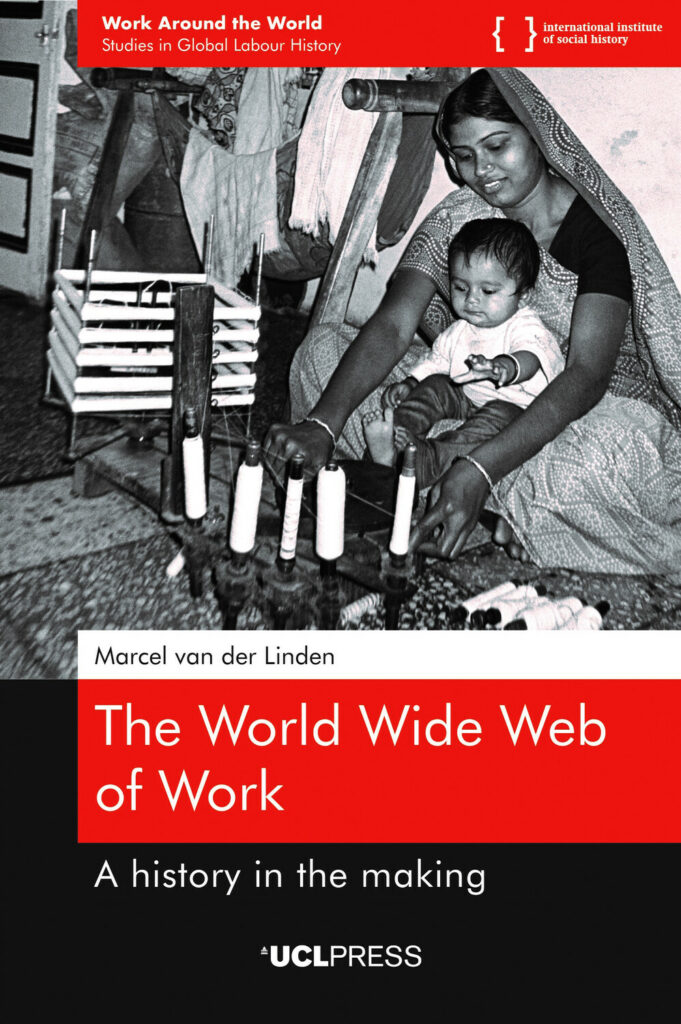
The World Wide Web of Work

Global Labour History has rapidly gained ground as a field of study in the 21st century, attracting interest in the Global South and North alike. Scholars derive inspiration from the broad perspective and the effort to perceive connections between global trends over time in work and labour relations, incorporating slaves, indentured labourers and sharecroppers, housewives and domestic servants.

Casting this sweeping analytical gaze, The World Wide Web of Work discusses the core concepts ‘capitalism’ and ‘workers’, and refines notions such as ‘coerced labour’, ‘household strategies’ and ‘labour markets’. It explores in new ways the connections between labourers in different parts of the world, arguing that both ‘globalisation’ and modern labour management originated in agriculture in the Global South and were only later introduced in Northern industrial settings. It reveals that 19th-century chattel slavery was frequently replaced by other forms of coerced labour, and it reconstructs the laborious 20th-century attempts of the International Labour Organisation to regulate labour standards supra-nationally. The book also pays attention to the relational inequality through which workers in wealthy countries benefit from the exploitation of those in poor countries. The final part addresses workers’ resistance and acquiescence: why collective actions often have unanticipated consequences; why and how workers sometimes organise massive flights from exploitation and oppression; and why ‘proletarian revolutions’ took place in pre-industrial or industrialising countries and never in fully developed capitalist societies.

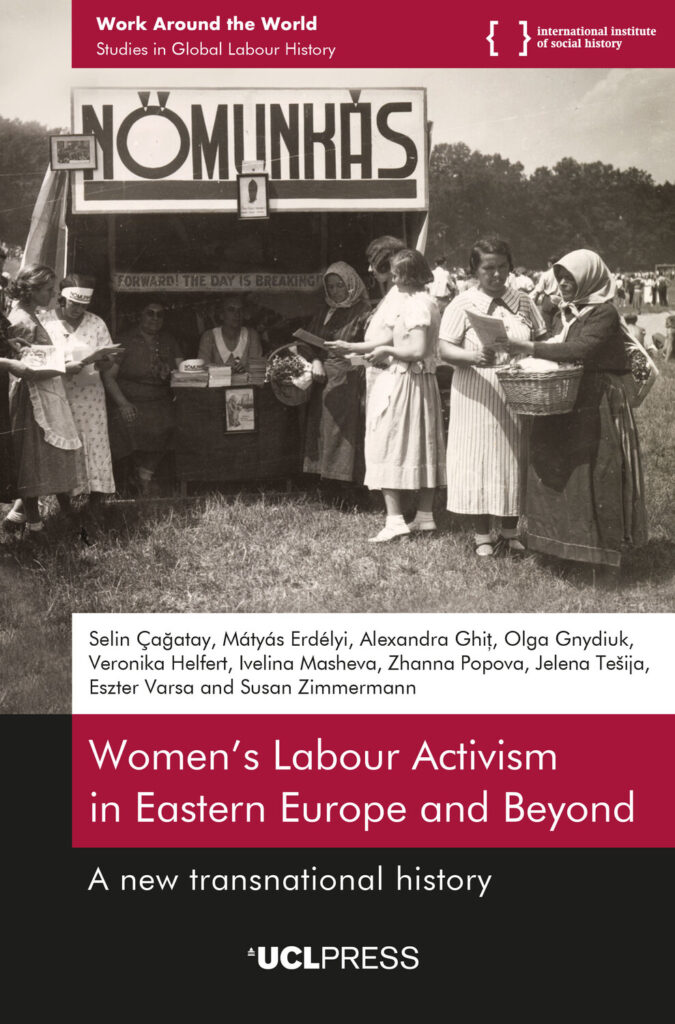
Women’s Labour Activism in Eastern Europe and Beyond

This collaborative monograph presents a deeply researched, inclusive history of women’s labour activism in Eastern Europe, Austria, Turkey and transnationally, from the age of empires to the late twentieth century. It explores women’s activism and organizing to improve the working conditions and living circumstances of lower-income and working-class women and their communities in the region and internationally.

Moving beyond the celebratory or partisan perspectives of many classical and some feminist labour histories, Women’s Labour Activism in Eastern Europe and Beyond provides a careful historicization of women’s actions in a multiscalar perspective. Through a study of diverse contexts, the authors follow women aligned with a wide range of political persuasions, highlighting unexpected elements and continuities of women’s labour activism. Women’s activities are seen in the workplace, in the everyday, within and across social movements and organizations, and inside the state, all presented through a framing that spotlights long-term developments and bridges the divide between the literatures on state socialist and capitalist societies concerning gendered labour politics and activism. Combining a regional focus and transnational perspectives, the authors examine the sources of women’s labour activism in the region and the role of activists from the region within international women’s, labour and inter-state organizations. Moving women’s labour activism from the margins of labour, gender and European history to the centre of historical study, the volume makes an innovative contribution to the new global histories of labour and gender.

Thomas Cranmer’s Register

Thomas Cranmer’s Register records turbulent change in England and Wales between 1533 and 1553. The crown abolished Roman jurisdiction, and the first steps towards the creation of a Protestant state were made. As archbishop of Canterbury, Thomas Cranmer was a seminal figure in these developments, and his register is a key Reformation document.

The physical register at Lambeth Palace has been out of reach for many scholars. Paul Ayris’s extraordinary edition makes more of the text available to readers than ever before, with transcriptions and editorial introductions that illuminate the sometimes cryptic sixteenth-century text. Here, the appointment of Cranmer to Canterbury (at the hands of the papacy) in 1533 is recorded. Commissions and letters reveal how the crown assumed authority over the church and, through Thomas Cromwell as vicegerent in spirituals, supplanted the role of the archbishop as the principal minister of the king’s spiritual jurisdiction. The work suggests a new explanation for the inclusion/exclusion of the stipulation in the 1536 royal Injunctions concerning the Bible in English. Moreover, unpublished records for the diocese of Norwich in 1550 reveal that the order for removing altars in English churches emanated from Thomas Cranmer not, as is usually thought, from the bishop of London, Nicholas Ridley. This edition will be a touchstone reference for global scholars of the Tudor period.

Published in association with the Canterbury and York Society
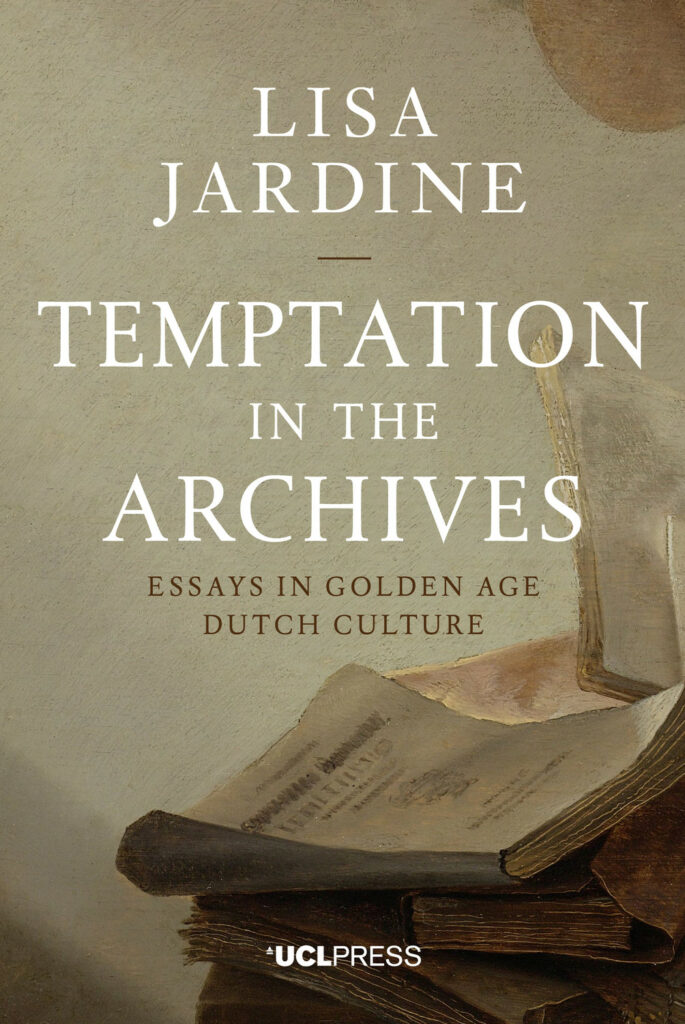
Temptation in the Archives

Temptation in the Archives is a collection of essays by Lisa Jardine, that takes readers on a journey through the Dutch Golden Age. Through the study of such key figures as Sir Constantjin Huygens, a Dutch polymath and diplomat, we begin to see the Anglo-Dutch cultural connections that formed during this period against the backdrop of unfolding political events in England. Temptation in the Archives paints a picture of a unique relationship between the Netherlands and England in the 17th century forged through a shared experience – and reveals the lessons we can learn from it today.

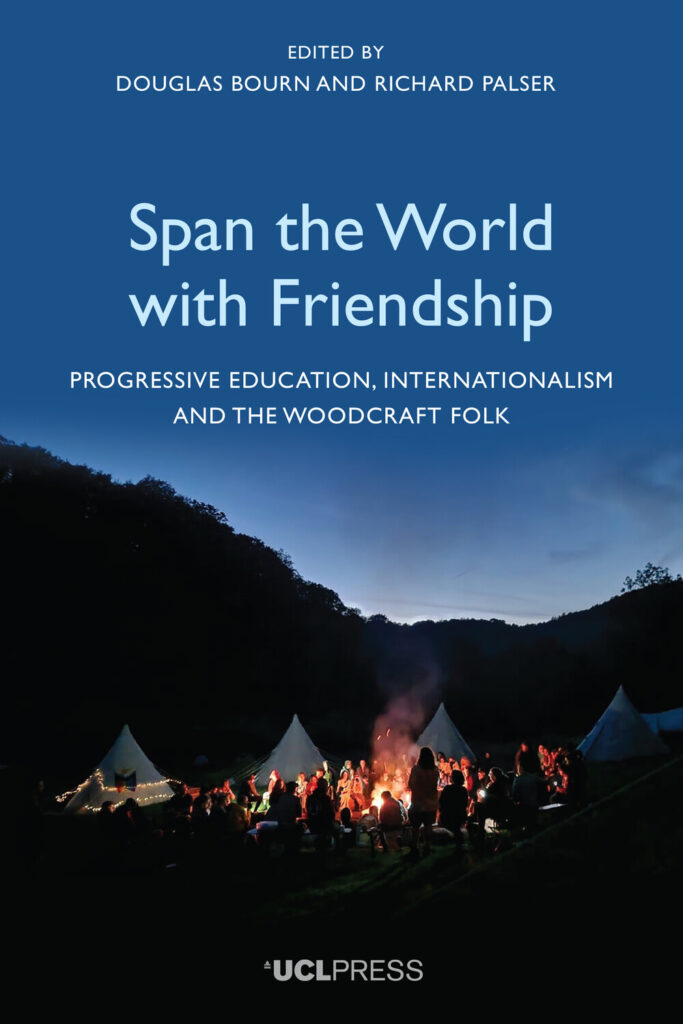
Span the World with Friendship

Within the histories of progressive educational movements and youth work, one organisation that rarely gets a mention is the Woodcraft Folk. Founded in 1925, it has been consistently at the forefront of promoting radical social change through education. It played a role in breaking down the barriers between East and West during the Cold War, in promoting a co-educational and cooperative based approach to learning, and in encouraging environmental activism at a time when it was unfashionable.

The Woodcraft Folk’s evolving approach to education for social change is explored in Span the World with Friendship from a range of disciplinary perspectives, including political and social theory, cultural history, anthropology, educational theory and youth work theory. Through investigation of published and primary sources, including letters, meeting records and oral testimonies, contributors bring scholarship to a narrative that has often been uncritical. Beginning with a biography of founder Leslie Paul, chapters study the Folk’s relationship to debates in the labour movement, the extent to which the eugenics movement influenced its ideas and practices, and how the folk songs and dances used within the organisation reflected wider social and cultural trends. Internationalism is a key theme running through this book which concludes with a focus on how the Woodcraft Folk’s progressive nature is moving it increasingly towards being a youth-led movement.

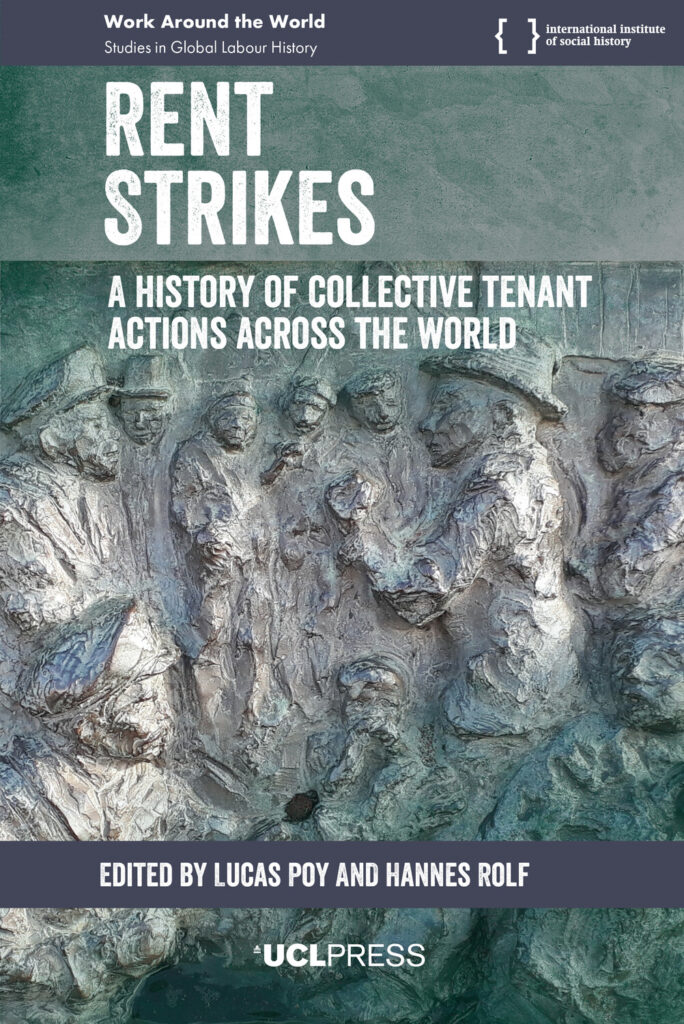
Rent Strikes

Since the nineteenth century, working-class families have predominantly relied on tenements for housing, with rents often consuming a large portion of their household budgets. There is a long and contested history of tenants taking collective action across time and in many contexts, including their involvement in rent strikes, but international comparisons have been scarce. Rent Strikes: A history of collective tenant actions across the world is a collaborative effort by 16 contributors from diverse countries to identify common patterns and global trajectories in the rich history of tenants’ strikes, spanning a period of almost 120 years from the early twentieth century to the Covid-19 pandemic. It brings together local, national and comparative case studies to illustrate the history of tenant mobilisation for the general public, connecting with existing scholarship and laying the groundwork for future research. Adopting a transnational perspective, it examines episodes of tenant struggles in North and Latin America, Northern and Southern Europe, and Oceania. In doing so, the book explores a range of actions, including petitions, demonstrations, boycotts and legal actions, and has a special focus on the part played by women in these movements. The contributors examine the role of ethnic, national and gender differences between tenants and landlords, while situating their studies within a broader historical context and addressing the larger questions posed in the first chapter.

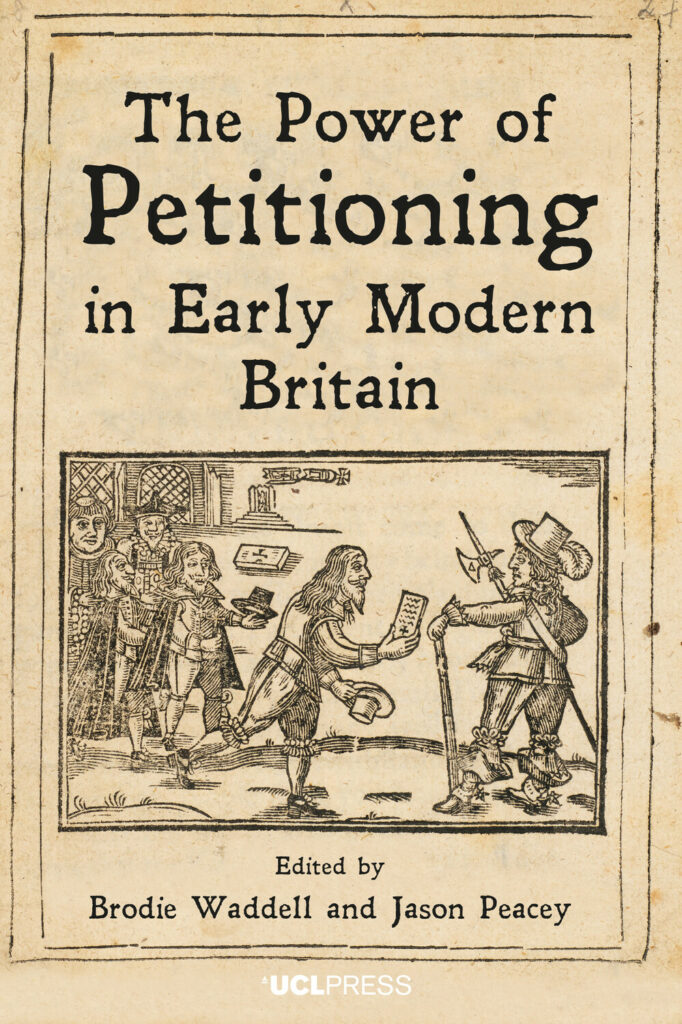
The Power of Petitioning in Early Modern Britain

The ‘humble petition’ was ubiquitous in early modern society and featured prominently in crucial moments such as the outbreak of the civil wars and in everyday local negotiations about taxation, welfare and litigation. People at all levels of society – from noblemen to paupers – used petitions to make their voices heard and these are valuable sources for mapping the structures of authority and agency that framed early modern society.

The Power of Petitioning in Early Modern Britain offers a holistic study of this crucial topic in early modern British history. The contributors survey a vast range of sources, showing the myriad ways people petitioned the authorities from the sixteenth to the eighteenth centuries. They cross the jurisdictional, sub-disciplinary and chronological boundaries that have otherwise constrained the current scholarly literature on petitioning and popular political engagement. Teasing out broad conclusions from innumerable smaller interventions in public life, they not only address the aims, attitudes and strategies of those involved, but also assesses the significance of the processes they used. This volume makes it possible to rethink the power of petitioning and to re-evaluate broad trends regarding political culture, institutional change and state formation.

Sign up to our newsletter

Don't miss out!
Subscribe to the UCL Press newsletter for the latest open access books,
journal CfPs, news and views from our authors and much more!