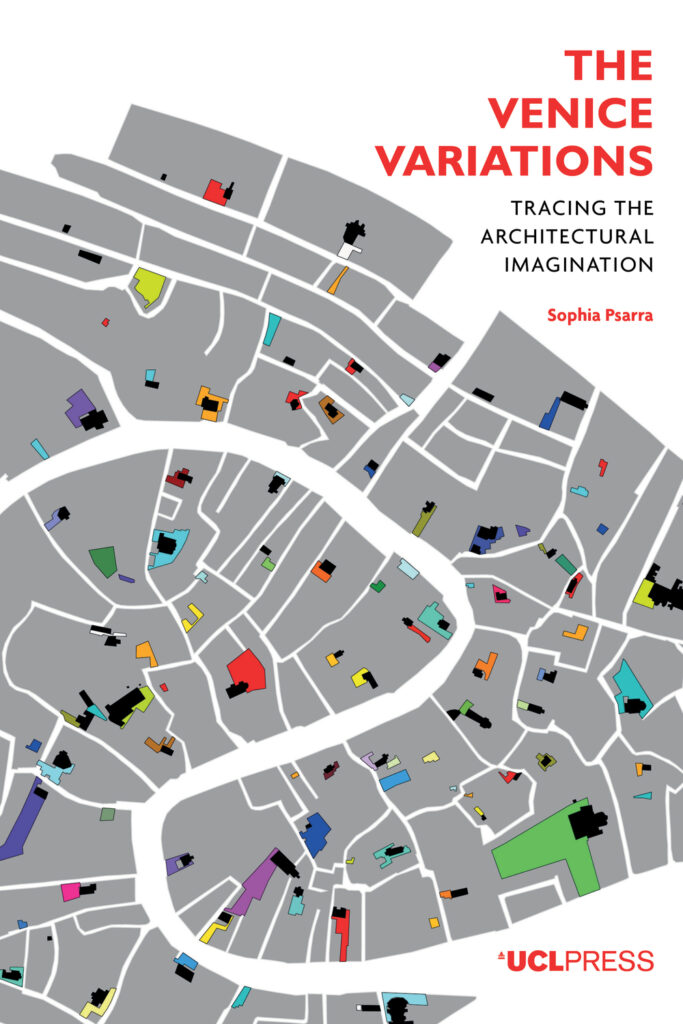
The Venice Variations

From the myth of Arcadia through to the twenty-first century, ideas about sustainability – how we imagine better urban environments – remain persistently relevant, and raise recurring questions. How do cities evolve as complex spaces nurturing both urban creativity and the fortuitous art of discovery, and by which mechanisms do they foster imagination and innovation? While past utopias were conceived in terms of an ideal geometry, contemporary exemplary models of urban design seek technological solutions of optimal organisation. The Venice Variations explores Venice as a prototypical city that may hold unique answers to the ancient narrative of utopia. Venice was not the result of a preconceived ideal but the pragmatic outcome of social and economic networks of communication. Its urban creativity, though, came to represent the quintessential combination of place and institutions of its time.

Through a discussion of Venice and two other works owing their inspiration to this city – Italo Calvino’s Invisible Cities and Le Corbusier’s Venice Hospital – Sophia Psarra describes Venice as a system that starts to resemble a highly probabilistic ‘algorithm’. The rapidly escalating processes of urban development around our big cities share many of the motivations for survival, shelter and trade that brought Venice into existence. Rather than seeing these places as problems to be solved, we need to understand how urban complexity can evolve, as happened from its unprepossessing origins in the marshes of the Venetian lagoon to the ‘model city’ enduring a 1000 years. This book frees Venice from stereotypical representations, revealing its generative capacity to inform potential other ‘Venices’ for the future.
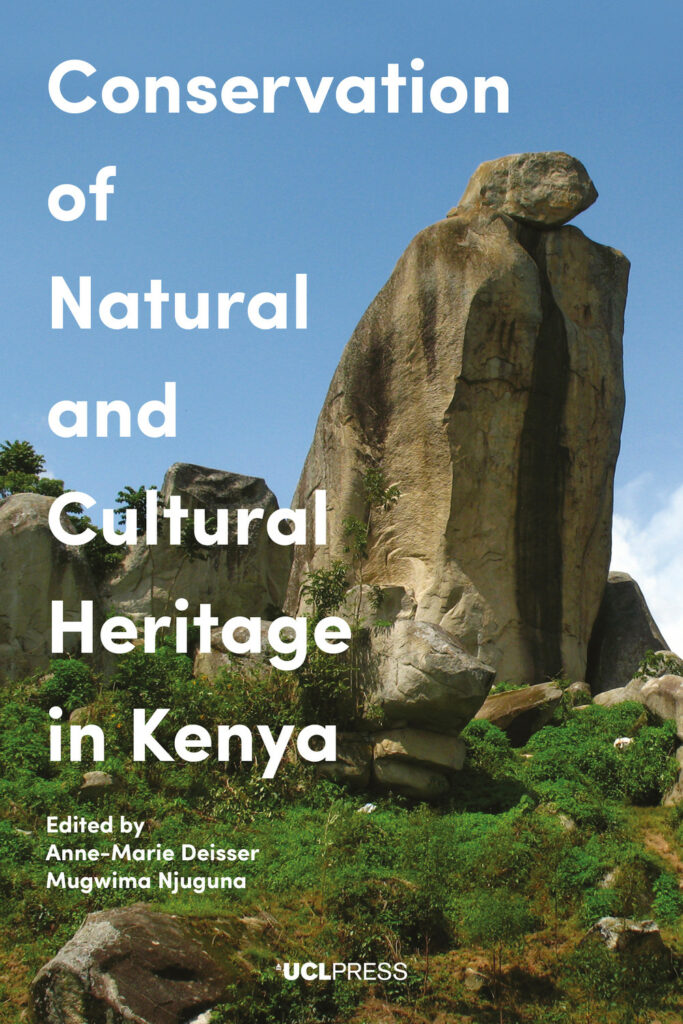
Conservation of Natural and Cultural Heritage in Kenya

In Kenya, cultural and natural heritage has a particular value. Its pre-historic heritage not only tells the story of man’s origin and evolution but has also contributed to the understanding of the earth’s history: fossils and artefacts spanning over 27 million years have been discovered and conserved by the National Museums of Kenya (NMK). Alongside this, the steady rise in the market value of African art has also affected Kenya. Demand for African tribal art has surpassed that for antiquities of Roman, Byzantine, and Egyptian origin, and in African countries currently experiencing conflicts, this activity invariably attracts looters, traffickers and criminal networks.

This book brings together essays by heritage experts from different backgrounds, including conservation, heritage management, museum studies, archaeology, environment and social sciences, architecture and landscape, geography, philosophy and economics to explore three key themes: the underlying ethics, practices and legal issues of heritage conservation; the exploration of architectural and urban heritage of Nairobi; and the natural heritage, landscapes and sacred sites in relation to local Kenyan communities and tourism. It thus provides an overview of conservation practices in Kenya from 2000 to 2015 and highlights the role of natural and cultural heritage as a key factor of social-economic development, and as a potential instrument for conflict resolution.

Co-curating the City

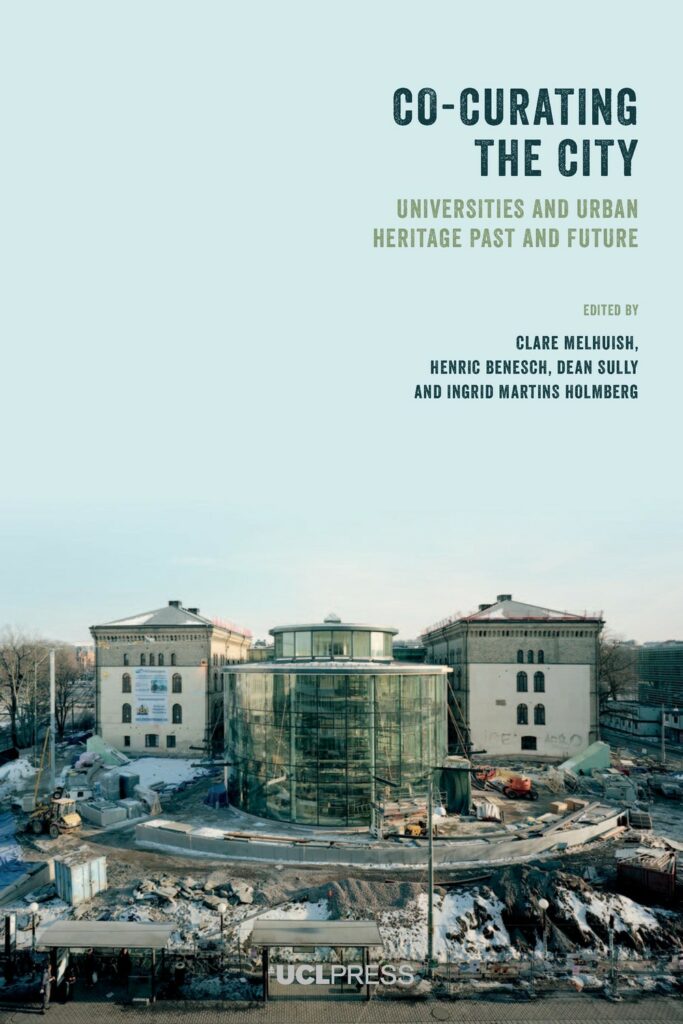
Co-curating the City explores the role of universities in the construction and mobilisation of heritage discourses in urban development and regeneration processes, with a focus on six case study sites: University of Gothenburg (Sweden), UCL East (London), University of Lund (Sweden). Roma Tre university (Rome), American University of Beirut, and Federal University of São Paulo, Brazil.

The aim of the book is to expand the field of critical heritage studies in the urban domain, by examining the role of institutional actors both in the construction of urban heritage discourses and in how those discourses influence urban planning decisions or become instrumentalised as mechanisms for urban regeneration. It proposes that universities engage in these processes in a number of ways: as producers of urban knowledge that is mobilised to intervene in planning processes; as producers of heritage practices that are implemented in development contexts in the urban realm; and as developers engaged in campus construction projects that both reference heritage discourses as a mechanism for promoting support and approval by planners and the public, and capitalise on heritage assets as a resource.

The book highlights the participatory processes through which universities are positioning themselves as significant institutions in the development of urban heritage narratives. The case studies investigate how universities, as mixed communities of interest dispersed across buildings and urban sites, engage in strategies of engagement with local people and neighbourhoods, and ask how this may be contributing to a re-shaping of ideas, narratives, and lived experience of urban heritage in which universities have a distinctive agency. The authors cross disciplinary and cultural boundaries, and bridge academia and practice.

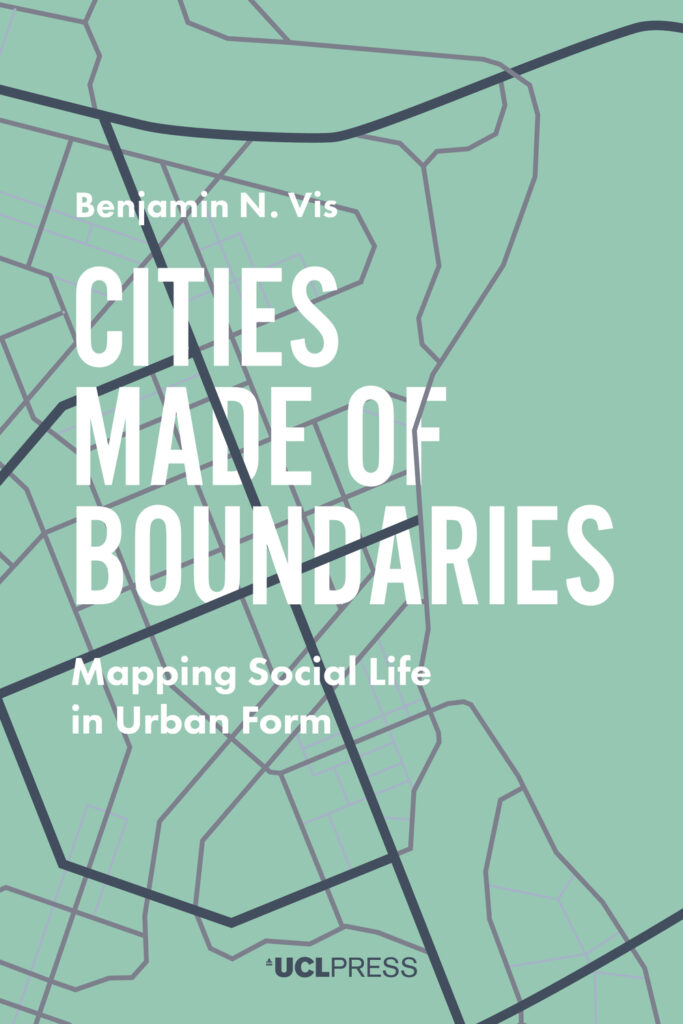
Cities Made of Boundaries

Cities Made of Boundaries presents the theoretical foundation and concepts for a new social scientific urban morphological mapping method, Boundary Line Type (BLT) Mapping. Its vantage is a plea to establish a frame of reference for radically comparative urban studies positioned between geography and archaeology. Based in multidisciplinary social and spatial theory, a critical realist understanding of the boundaries that compose built space is operationalised by a mapping practice utilising Geographical Information Systems (GIS).

Benjamin N. Vis gives a precise account of how BLT Mapping can be applied to detailed historical, reconstructed, contemporary, and archaeological urban plans, exemplified by sixteenth- to twenty-first century Winchester (UK) and Classic Maya Chunchucmil (Mexico). This account demonstrates how the functional and experiential difference between compact western and tropical dispersed cities can be explored.

The methodological development of Cities Made of Boundaries will appeal to readers interested in the comparative social analysis of built environments, and those seeking to expand the evidence-base of design options to structure urban life and development.

Supplementary materials for this book are available to download from [http://discovery.ucl.ac.uk/10055955/6/Supplement-BLT-table.pdf][1]

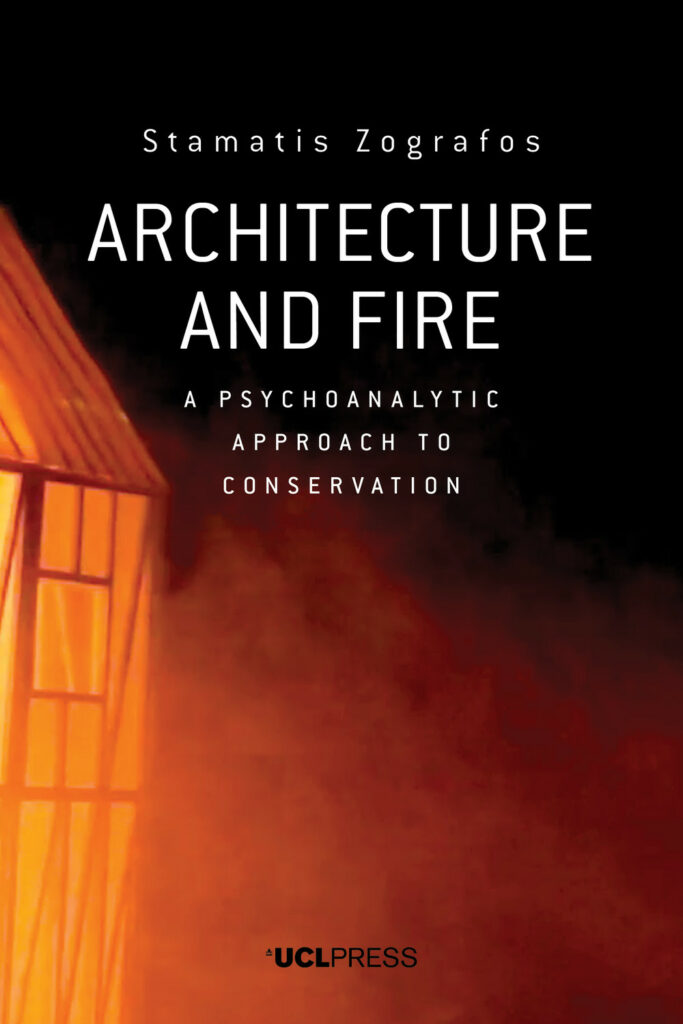
Architecture and Fire

Architecture and Fire develops a conceptual reassessment of architectural conservation through the study of the intimate relationship between architecture and fire. Stamatis Zografos expands on the general agreement among many theorists that the primitive hut was erected around fire – locating fire as the first memory of architecture, at the very beginning of architectural evolution.

Following the introduction, Zografos analyses the archive and the renewed interest in the study of archives through the psychoanalysis of Jacques Derrida. He moves on to explore the ambivalent nature of fire, employing the conflicting philosophies of Gaston Bachelard and Henri Bergson to do so, before discussing architectural conservation and the relationship between listed buildings, the function of archives, and the preservation of memories from the past. The following chapter investigates how architecture evolves by absorbing and accommodating fire, while the penultimate chapter examines the critical moment of architectural evolution: the destruction of buildings by fire, with a focus on the tragic disaster at London’s Grenfell Tower in 2017. Zografos concludes with thoughts on Freud’s drive theory. He argues the practice of architectural conservation is an expression of the life drive and a simultaneous repression of the death drive, which suggests controlled destruction should be an integral part of the conservation agenda.

Architecture and Fire is founded in new interdisciplinary research navigating across the boundaries of architecture, conservation, archival theory, classical mythology, evolutionary theory, thermodynamics, philosophy and psychoanalysis. It will be of interest to readers working in and around these disciplines.

Sign up to our newsletter

Don't miss out!
Subscribe to the UCL Press newsletter for the latest open access books,
journal CfPs, news and views from our authors and much more!