We are currently upgrading our shopping cart; in the interim all orders are being diverted to Waterstones. If you would like to redeem a promotional code, or are an author wanting to place an order, please email us.

Contact us

St Peter-On-The-Wall

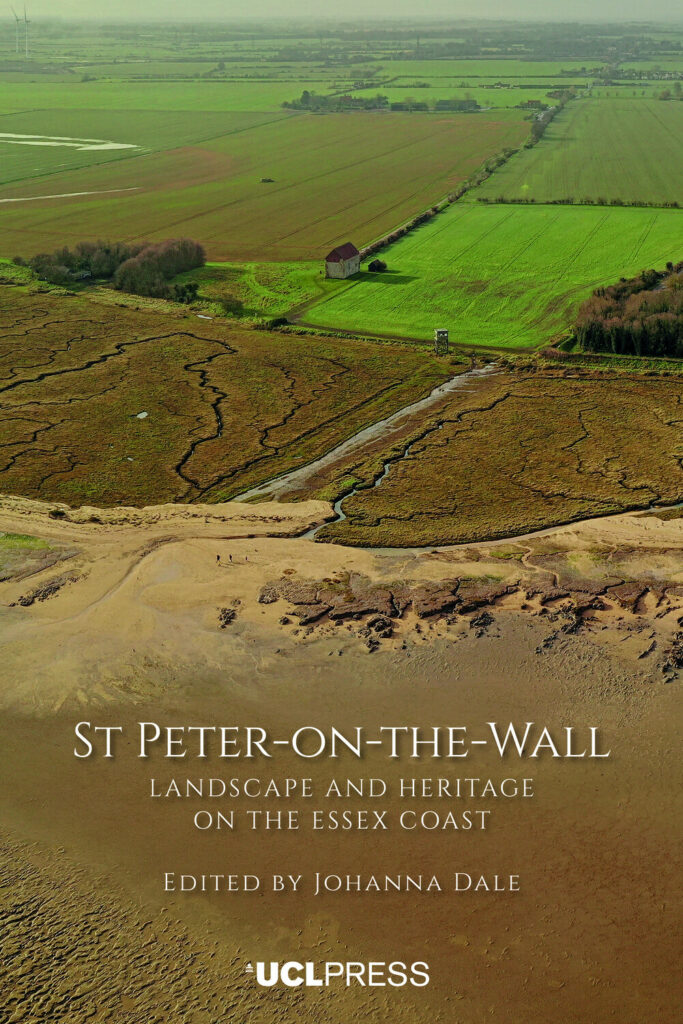
The Chapel of St Peter-on-the-Wall, built on the ruins of a Roman fort, dates from the mid-seventh century and is one of the oldest largely intact churches in England. It stands in splendid isolation on the shoreline at the mouth of the Blackwater Estuary in Essex, where the land meets and interpenetrates with the sea and the sky. This book brings together contributors from across the arts, humanities and social sciences to uncover the pre-modern contexts and modern resonances of this medieval building and its landscape setting.
The impetus for this collection was the recently published designs for a new nuclear power station at Bradwell on Sea, which, if built, would have a significant impact on the chapel and its landscape setting. St Peter-on-the-Wall highlights the multiple ways in which the chapel and landscape are historically and archaeologically significant, while also drawing attention to the modern importance of Bradwell as a place of Christian worship, of sanctuary and of cultural production. In analysing the significance of the chapel and surrounding landscape over more than a thousand years, this collection additionally contributes to wider debates about the relationship between space and place, and particularly the interfaces between both medieval and modern cultures and also heritage and the natural environment.
Beards and Texts

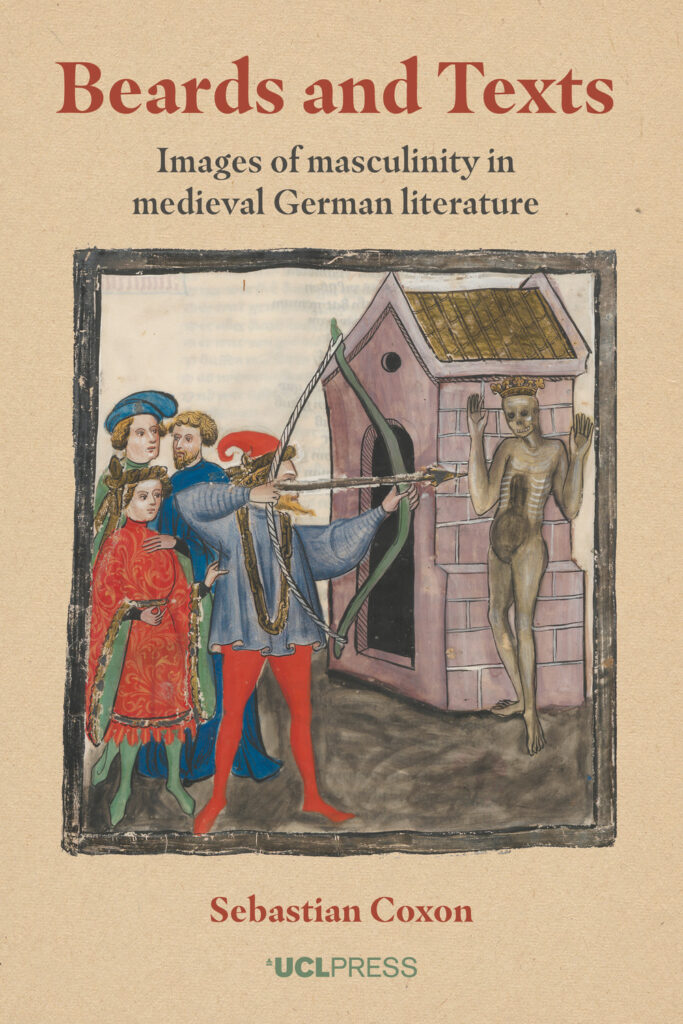
Beards and Texts explores the literary portrayal of beards in medieval German texts from the mid-twelfth to the early sixteenth centuries. It argues that as the pre-eminent symbol for masculinity the beard played a distinctive role throughout the Middle Ages in literary discussions of such major themes as majesty and humanity. At the same time beards served as an important point of reference in didactic poetry concerned with wisdom, teaching and learning, and in comedic texts that were designed to make their audiences laugh, not least by submitting various figure-types to the indignity of having their beards manhandled.

Four main chapters each offer a reading of a work or poetic tradition of particular significance (Pfaffe Konrad’s Rolandslied; Wolfram von Eschenbach’s Willehalm; ‘Sangspruchdichtung’; Heinrich Wittenwiler’s Ring), before examining cognate material of various kinds, including sources or later versions of the same story, manuscript variants and miniatures and further relevant beard-motifs from the same period. The book concludes by reviewing the portrayal of Jesus in vernacular German literature, which represents a special test-case in the literary history of beards. As the first study of its kind in medieval German studies, this investigation submits beard-motifs to sustained and detailed analysis in order to shed light both on medieval poetic techniques and the normative construction of masculinity in a wide range of literary genres.

Sign up to our newsletter

Don't miss out!
Subscribe to the UCL Press newsletter for the latest open access books,
journal CfPs, news and views from our authors and much more!