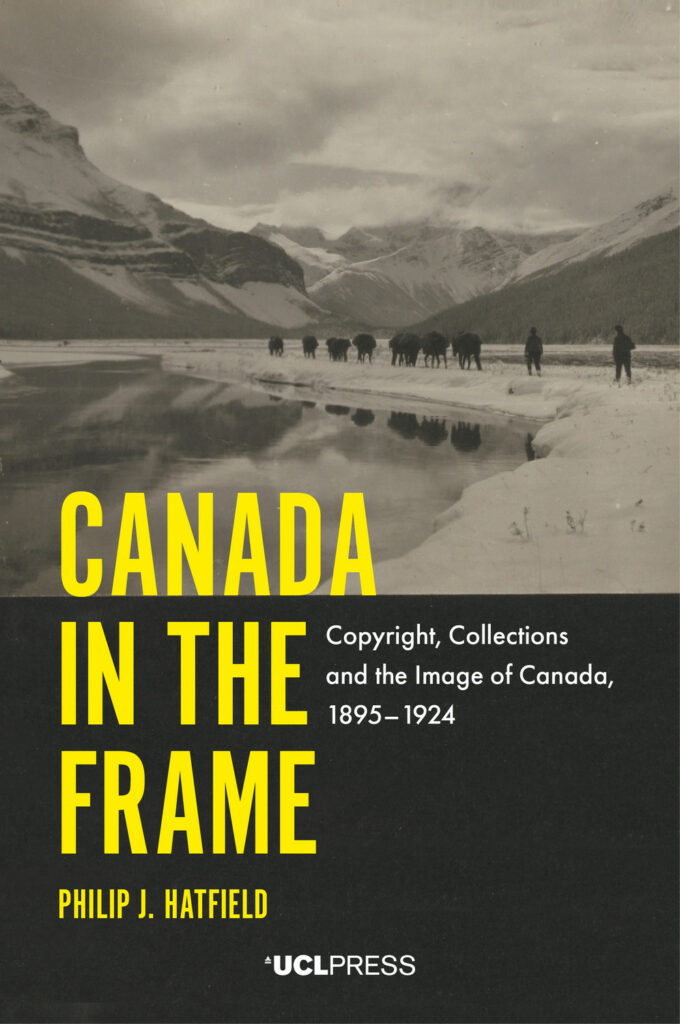
Canada in the Frame

Canada in the Frame explores a photographic collection held at the British Library that offers a unique view of late nineteenth century and early twentieth century Canada. The collection, which contains in excess of 4,500 images, taken between 1895 and 1923, covers a dynamic period in Canada’s national history and provides a variety of views of its landscapes, developing urban areas and peoples. Colonial Copyright Law was the driver by which these photographs were acquired; unmediated by curators, but rather by the eye of the photographer who created the image, they showcase a grass-roots view of Canada during its early history as a Confederation.

Canada in the Frame describes this little-known collection and includes over 100 images from the collection. The author asks key questions about what it shows contemporary viewers of Canada and its photographic history, and about the peculiar view these photographs offer of a former part of the British Empire in a post-colonial age, viewed from the old ‘Heart of Empire’. Case studies are included on subjects such as urban centres, railroads and migration, which analyse the complex ways in which photographers approached their subjects, in the context of the relationship between Canada, the British Empire and photography.
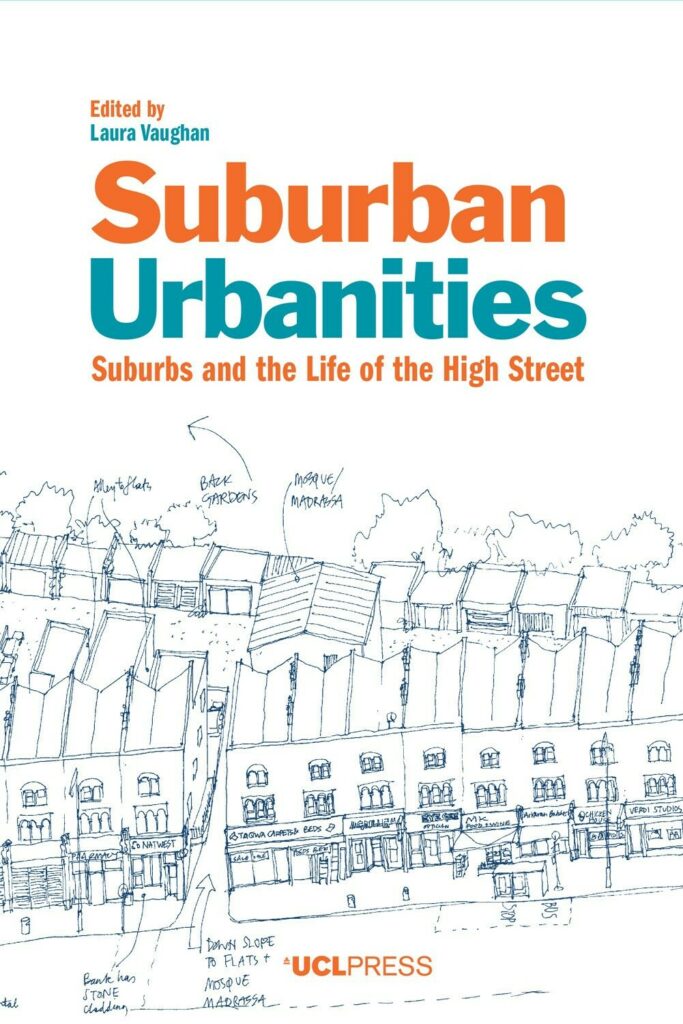
Suburban Urbanities

Suburban space has traditionally been understood as a formless remnant of physical city expansion, without a dynamic or logic of its own. Suburban Urbanities challenges this view by defining the suburb as a temporally evolving feature of urban growth.

Anchored in the architectural research discipline of space syntax, this book offers a comprehensive understanding of urban change, touching on the history of the suburb as well as its current development challenges, with a particular focus on suburban centres. Studies of the high street as a centre for social, economic and cultural exchange provide evidence for its critical role in sustaining local centres over time. Contributors from the architecture, urban design, geography, history and anthropology disciplines examine cases spanning Europe and around the Mediterranean.

By linking large-scale city mapping, urban design scale expositions of high street activity and local-scale ethnographies, the book underscores the need to consider suburban space on its own terms as a specific and complex field of social practice.

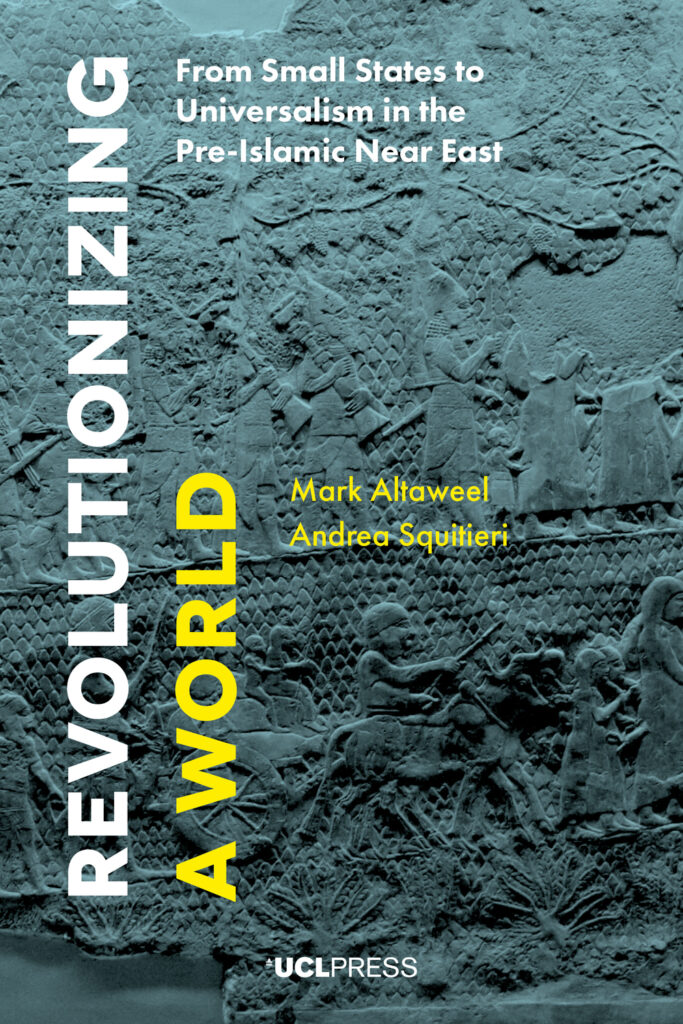
Revolutionizing a World

This book investigates the long-term continuity of large-scale states and empires, and its effect on the Near East’s social fabric, including the fundamental changes that occurred to major social institutions. Its geographical coverage spans, from east to west, modern-day Libya and Egypt to Central Asia, and from north to south, Anatolia to southern Arabia, incorporating modern-day Oman and Yemen. Its temporal coverage spans from the late eighth century BCE to the seventh century CE during the rise of Islam and collapse of the Sasanian Empire.

The authors argue that the persistence of large states and empires starting in the eighth/seventh centuries BCE, which continued for many centuries, led to new socio-political structures and institutions emerging in the Near East. The primary processes that enabled this emergence were large-scale and long-distance movements, or population migrations. These patterns of social developments are analysed under different aspects: settlement patterns, urban structure, material culture, trade, governance, language spread and religion, all pointing at movement as the main catalyst for social change. This book’s argument is framed within a larger theoretical framework termed as ‘universalism’, a theory that explains many of the social transformations that happened to societies in the Near East, starting from the Neo-Assyrian period and continuing for centuries.

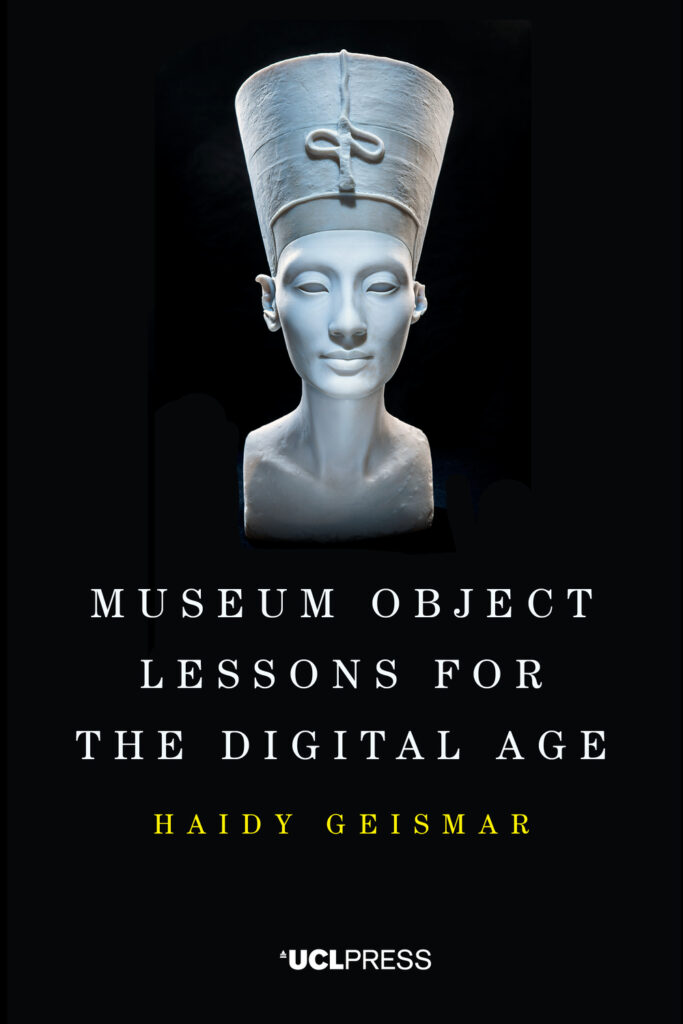
Museum Object Lessons for the Digital Age

Museum Object Lessons for the Digital Age explores the nature of digital objects in museums, asking us to question our assumptions about the material, social and political foundations of digital practices. Through four wide-ranging chapters, each focused on a single object – a box, pen, effigy and cloak – this short, accessible book explores the legacies of earlier museum practices of collection, older forms of media (from dioramas to photography), and theories of how knowledge is produced in museums on a wide range of digital projects. Swooping from Ethnographic to Decorative Arts Collections, from the Google Art Project to bespoke digital experiments, Haidy Geismar explores the object lessons contained in digital form and asks what they can tell us about both the past and the future.

Drawing on the author’s extensive experience working with collections across the world, Geismar argues for an understanding of digital media as material, rather than immaterial, and advocates for a more nuanced, ethnographic and historicised view of museum digitisation projects than those usually adopted in the celebratory accounts of new media in museums. By locating the digital as part of a longer history of material engagements, transformations and processes of translation, this book broadens our understanding of the reality effects that digital technologies create, and of how digital media can be mobilised in different parts of the world to very different effects.

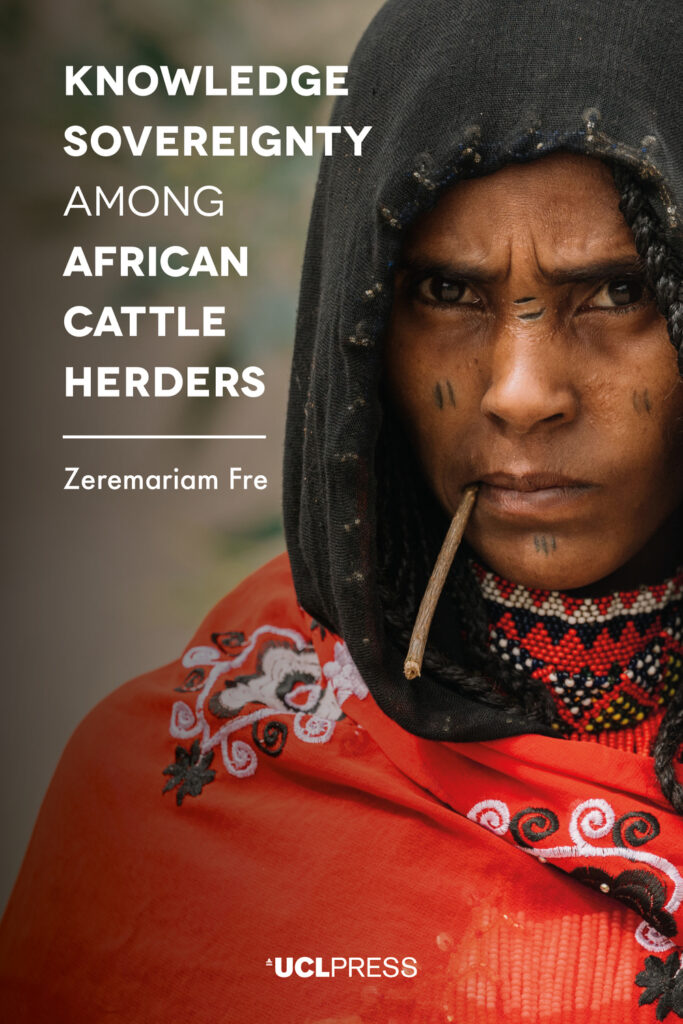
Knowledge Sovereignty among African Cattle Herders

Beni-Amer cattle owners in the western part of the Horn of Africa are not only masters in cattle breeding, they are also knowledge sovereign, in terms of owning productive genes of cattle and the cognitive knowledge base crucial to sustainable development. The strong bonds between the Beni-Amer, their animals, and their environment constitute the basis of their ways of knowing, and much of their knowledge system is built on experience and embedded in their cultural practices.

In this book, the first to study Beni-Amer practices, Zeremariam Fre argues for the importance of their knowledge, challenging the preconceptions that regard it as untrustworthy when compared to scientific knowledge from more developed regions. Empirical evidence suggests that there is much one could learn from the other, since elements of pastoralist technology, such as those related to animal production and husbandry, make a direct contribution to our knowledge of livestock production. It is this potential for hybridization, as well as the resilience of the herders, at the core of the indigenous knowledge system.

Fre also argues that indigenous knowledge can be viewed as a stand-alone science, and that a community’s rights over ownership should be defended by government officials, development planners and policy makers, making the case for a celebration of the knowledge sovereignty of pastoralist communities.

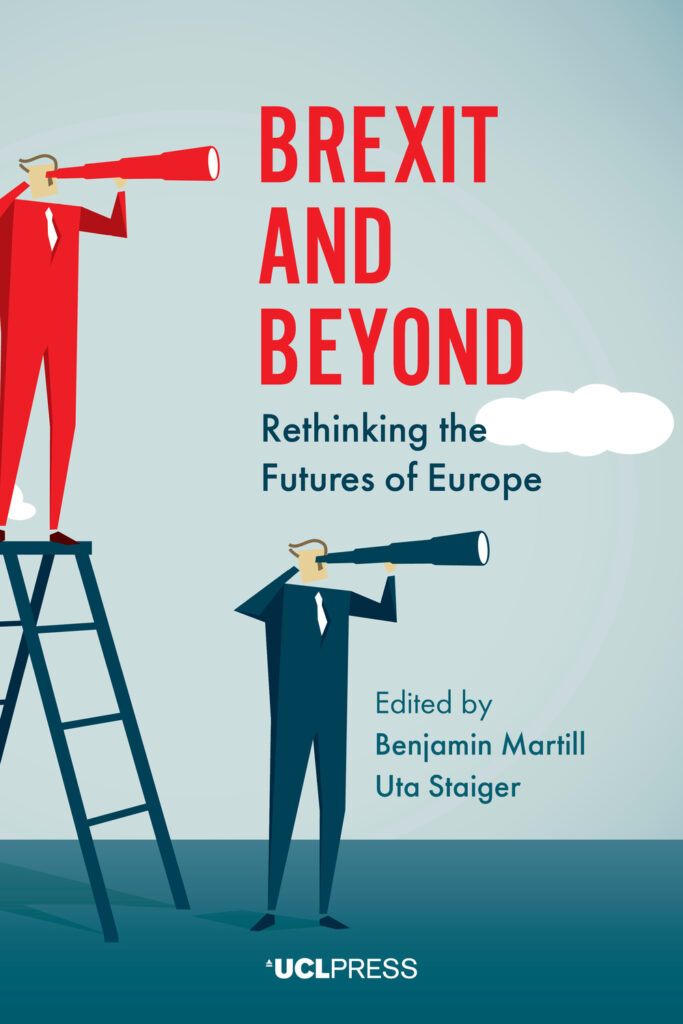
Brexit and Beyond

Brexit will have significant consequences for the country, for Europe, and for global order. And yet much discussion of Brexit in the UK has focused on the causes of the vote and on its consequences for the future of British politics. This volume examines the consequences of Brexit for the future of Europe and the European Union, adopting an explicitly regional and future-oriented perspective missing from many existing analyses.

Drawing on the expertise of 28 leading scholars from a range of disciplines, Brexit and Beyond offers various different perspectives on the future of Europe, charting the likely effects of Brexit across a range of areas, including institutional relations, political economy, law and justice, foreign affairs, democratic governance, and the idea of Europe itself. Whilst the contributors offer divergent predictions for the future of Europe after Brexit, they share the same conviction that careful scholarly analysis is in need – now more than ever – if we are to understand what lies ahead for the EU.

Sign up to our newsletter

Don't miss out!
Subscribe to the UCL Press newsletter for the latest open access books,
journal CfPs, news and views from our authors and much more!