We are currently upgrading our shopping cart; in the interim all orders are being diverted to Waterstones. If you would like to redeem a promotional code, or are an author wanting to place an order, please email us.

Contact us

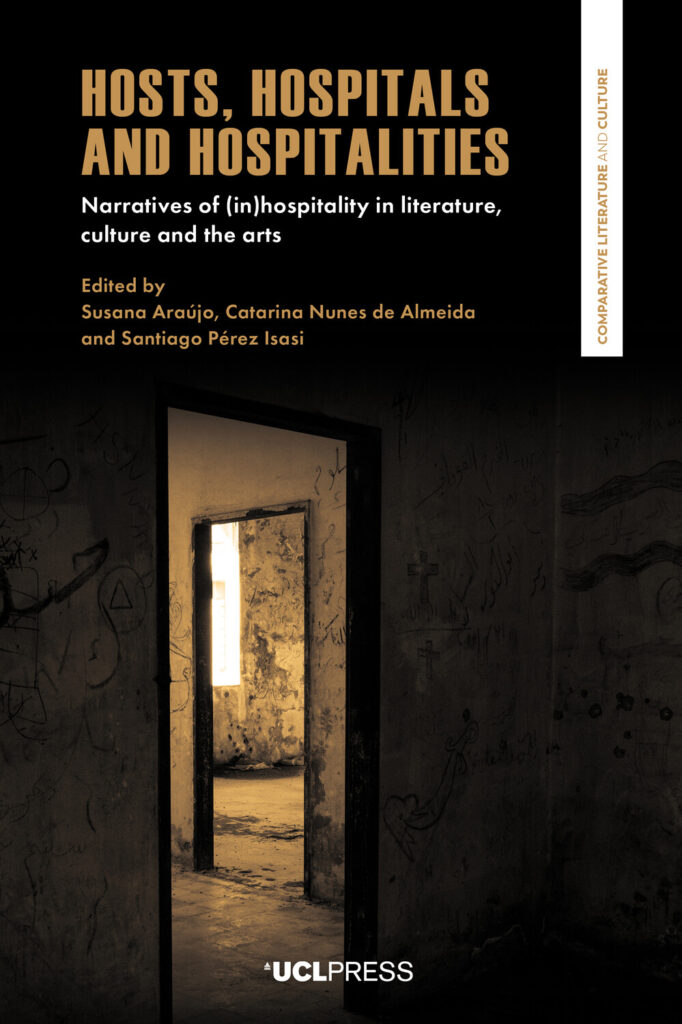
Hosts, Hospitals and Hospitalities

Current historical and political issues, such as the refugee crisis or climate emergency, are deeply intertwined with notions, images and narratives of (in)hospitality. Departing from seminal works such as those by Kant and Derrida on these subjects, the chapters in this volume engage with these issues and examine how new postcolonial, gender, environmental and medical perspectives reshape current approaches to hospitality in literature, culture and the arts.

Through a comparison of case studies from multiple national backgrounds, Hosts, Hospitals and Hospitalities shows how the concept of hospitality shapes the way in which we relate with the Other in diverse – as well as changing – cultural, political, social and environmental contexts. By examining the issues of hospitality from a post-pandemic standpoint, which revised the roles of our private and public spaces in the aftermath of Covid 19, by dwelling on novel issues of climate emergency and by focusing on current developments in terms of migration and displacement, the book adds new light and significant theoretical and methodological perspectives to previous debates about hospitality.
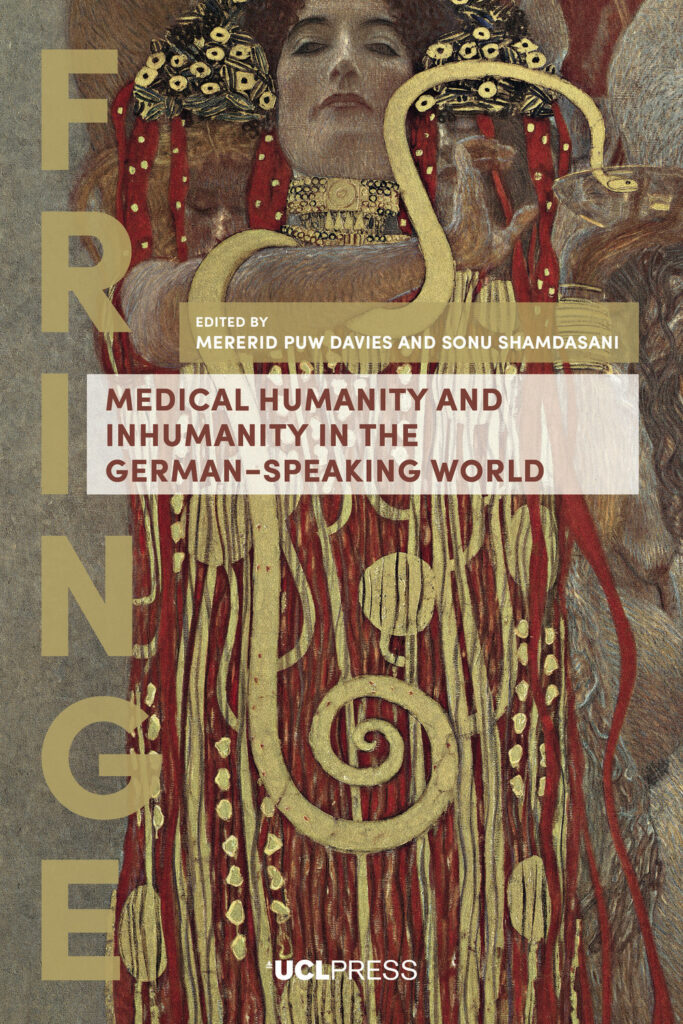
Medical Humanity and Inhumanity in the German-Speaking World

Medical Humanity and Inhumanity in the German-Speaking World is the first volume dedicated to exploring the interface of medicine, the human and the humane in the German-speaking lands.

The volume tracks the designation and making through medicine of the human and inhuman, and the humane and inhumane, from the Middle Ages to the present day. Eight individual chapters undertake explorations into ways in which theories and practices of medicine in the German-speaking world have come to define the human, and highlight how such theories and practices have consolidated, or undermined, notions of humane behaviour. Cultural analysis is central to this investigation, foregrounding the reflection, refraction and indeed creation of these theories and practices in literature, life-writing and other discourses and media.Contributors bring to bear perspectives from literary studies, film studies, critical theory, cultural studies, history, and the history of medicine and psychiatry. Thus, this collection is historical in the most expansive sense, for it debates not only what historical accounts bring to our understanding of this topic. It encompasses too investigation of life-writing, documentary, and theory and literary works to bring to light elusive, paradoxical, underexplored – yet vital – issues in history and culture.

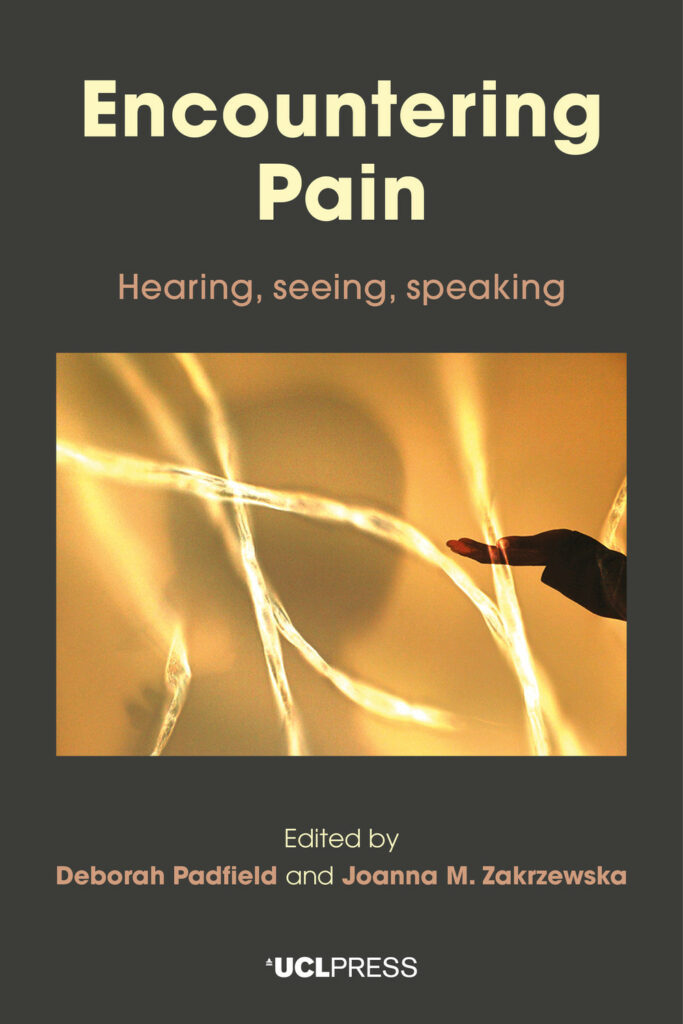
Encountering Pain

What is persistent pain? How do we communicate pain, not only in words but in visual images and gesture? How do we respond to the pain of another, and can we do it better? Can explaining how pain works help us handle it? This unique compilation of voices addresses these and bigger questions.

Defined as having lasted over three months, persistent pain changes the brain and nervous system so pain no longer warns of danger: it seems to be a fault in the system. It is a major cause of disability globally, but it remains difficult to communicate, a problem both to those with pain and those who try to help. Language struggles to bridge the gap, and it raises ethical challenges in its management unlike those of other common conditions.

Encountering Pain shares leading research into the potential value of visual images and non-verbal forms of communication as means of improving clinician–patient interaction. It is divided into four sections: hearing, seeing, speaking, and a final series of contributions on the future for persistent pain. The chapters are accompanied by vivid photographs co-created with those who live with pain.

The volume integrates the voices of leading scientists, academics and contemporary artists with poetry and poignant personal testimonies to provide a manual for understanding the meanings of pain, for healthcare professionals, pain patients, students, academics and artists. The voices and experiences of those living with pain are central, providing tools for discussion and future research, shifting register between creative, academic and personal contributions from diverse cultures and weaving them together to offer new understanding, knowledge and hope.

Sign up to our newsletter

Don't miss out!
Subscribe to the UCL Press newsletter for the latest open access books,
journal CfPs, news and views from our authors and much more!