We are currently upgrading our shopping cart; in the interim all orders are being diverted to Waterstones. If you would like to redeem a promotional code, or are an author wanting to place an order, please email us.

Contact us

Passages

The study of literature and culture is marked by various distinct understandings of passages – both as phenomena and critical concepts. These include the anthropological notion of rites of passage, the shopping arcades (Passagen) theorized by Walter Benjamin, the Middle Passage of the Atlantic slave trade, present-day forms of migration and resettlement, and understandings of translation and adaptation. Whether structural, semiotic, spatial/geographic, temporal, existential, societal or institutional, passages refer to processes of (status) change. They enable entrances and exits, arrivals and departures, while they also foster moments of liminality and suspension. They connect and thereby engender difference.

This volume is an exploration of passages as contexts and processes within which liminal experiences and encounters are situated. It aims to foster a concept-based, interdisciplinary dialogue on how to approach and theorize such a term. Based on the premise that concepts travel through times, contexts and discursive settings, a conceptual approach to passages provides the authors of this volume with the analytical tools to (re-)focus their research questions and create a meaningful exchange across disciplinary, national and linguistic boundaries.

Contributions from senior scholars and early-career researchers whose work focuses on areas such as cultural memory, performativity, space, media, (cultural) translation, ecocriticism, gender and race utilize specific understandings of passages and liminality, reflecting on their value and limits for their research.
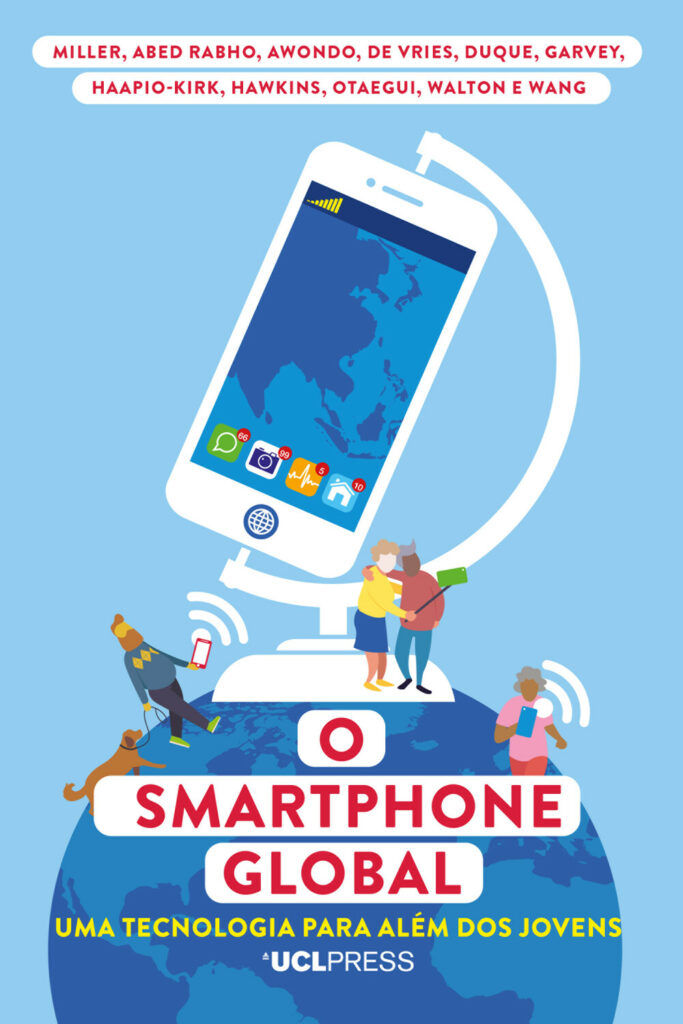
O Smartphone Global: Uma tecnologia para além dos jovens

O smartphone está tão frequentemente debaixo de nosso nariz, que assumimos saber o que ele é. Mas sabemos mesmo? Para descobrir, 11 antropólogos realizaram pesquisa de campo de 16 meses em países da África, Ásia, Europa e América do Sul, tendo como foco pessoas mais velhas.

O livro O Smartphone Global apresenta perspectivas inéditas a partir desta pesquisa comparativa. A primeira descoberta é: os smartphones não são mais uma tecnologia restrita aos jovens, estando nas mãos de todos, independente da idade. Além disso, observou-se uma grande ambivalência entre aquilo que as pessoas falam sobre os smartphones e os modos como elas os usam na prática. Os smartphones se tornaram tanto um lugar em que vivemos, como apetrechos que providenciam um tipo de “oportunismo perpétuo”, por estarem sempre conosco. Vão além de um “repositório de aplicativos”. São um dispositivo sem precedentes em termos de potencial de transformação, assimilando rapidamente valores pessoais. Para compreender esse processo, considerou-se um leque de nuances nacionais e culturais, como a comunicação visual na China e no Japão, o dinheiro móvel em Camarões e Uganda, e acesso a informação sobre saúde no Chile e na Irlanda – juntamente com trajetórias variadas em relação ao envelhecimento em Al-Quds, no Brasil e na Itália. É dessa perspectiva global, e a partir do mapeamento de contextos diversos, que o livro se propõe a responder à pergunta O que é um smartphone? e a analisar suas consequências.

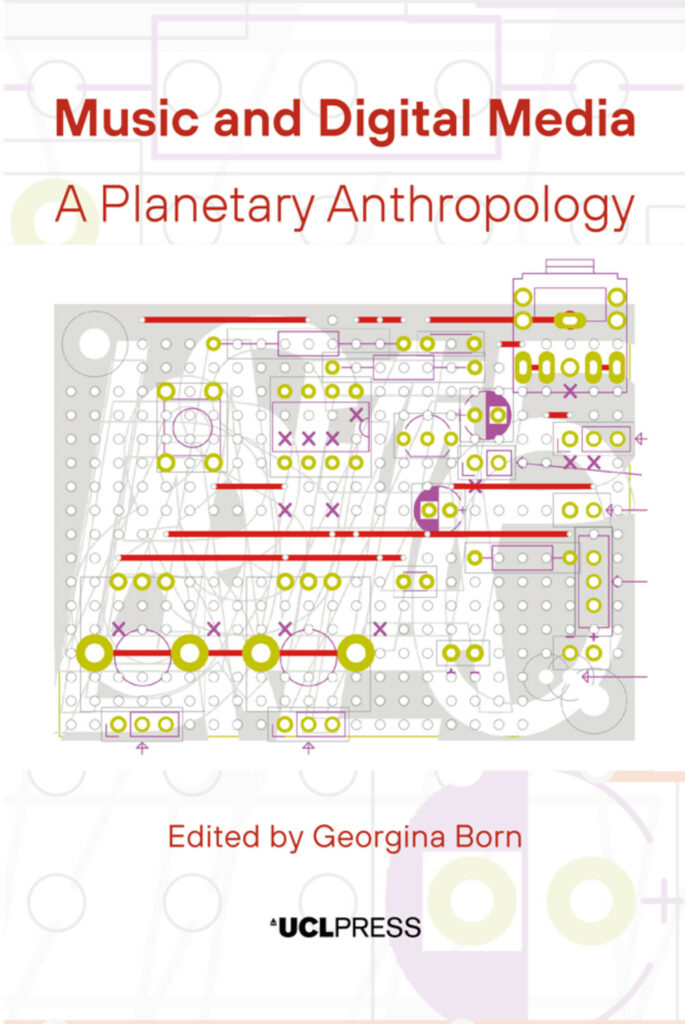
Music and Digital Media

Anthropology has neglected the study of music. Music and Digital Media shows how and why this should be redressed. It does so by enabling music to expand the horizons of digital anthropology, demonstrating how the field can build interdisciplinary links to music and sound studies, digital/media studies, and science and technology studies.

Music and Digital Media is the first comparative ethnographic study of the impact of digital media on music worldwide. It offers a radical and lucid new theoretical framework for understanding digital media through music, showing that music is today where the promises and problems of the digital assume clamouring audibility. The book contains ten chapters, eight of which present comprehensive original ethnographies; they are bookended by an authoritative introduction and a comparative postlude. Five chapters address popular, folk, art and crossover musics in the global South and North, including Kenya, Argentina, India, Canada and the UK. Three chapters bring the digital experimentally to the fore, presenting pioneering ethnographies of an extra-legal peer-to-peer site and the streaming platform Spotify, a series of prominent internet-mediated music genres, and the first ethnography of a global software package, the interactive music platform Max.

The book is unique in bringing ethnographic research on popular, folk, art and crossover musics from the global North and South into a comparative framework on a large scale, and creates an innovative new paradigm for comparative anthropology. It shows how music enlarges anthropology while demanding to be understood with reference to classic themes of anthropological theory.

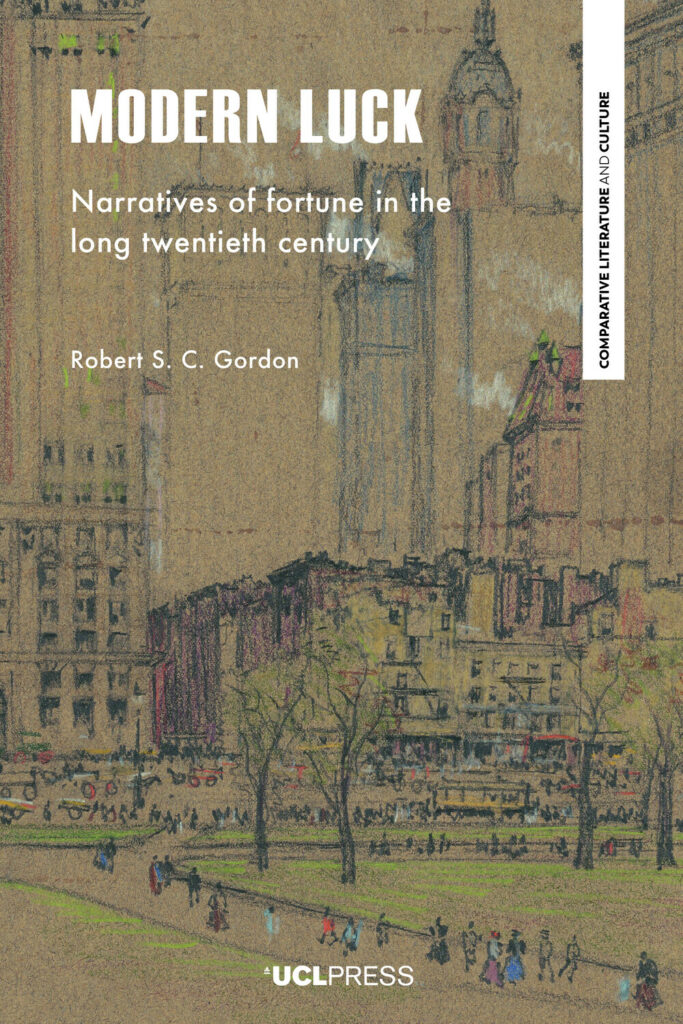
Modern Luck

Beliefs, superstitions and tales about luck are present across all human cultures, according to anthropologists. We are perennially fascinated by luck and by its association with happiness and danger, uncertainty and aspiration. Yet it remains an elusive, ungraspable idea, one that slips and slides over time: all cultures reimagine what luck is and how to tame it at different stages in their history, and the modernity of the ‘long twentieth century’ is no exception to the rule. Apparently overshadowed by more conceptually tight, scientific and characteristically modern notions such as chance, contingency, probability or randomness, luck nevertheless persists in all its messiness and vitality, used in our everyday language and the subject of studies by everyone from philosophers to psychologists, economists to self-help gurus.
Modern Luck sets out to explore the enigma of luck’s presence in modernity, examining the hybrid forms it has taken on in the modern imagination, and in particular in the field of modern stories. Indeed, it argues that modern luck is constituted through narrative, through modern luck stories. Analysing a rich and unusually eclectic range of narrative taken from literature, film, music, television and theatre – from Dostoevsky to Philip K. Dick, from Pinocchio to Cimino, from Curtiz to Kieślowski – it lays out first the usages and meanings of the language of luck, and then the key figures, patterns and motifs that govern the stories told about it, from the late nineteenth century to the present day.

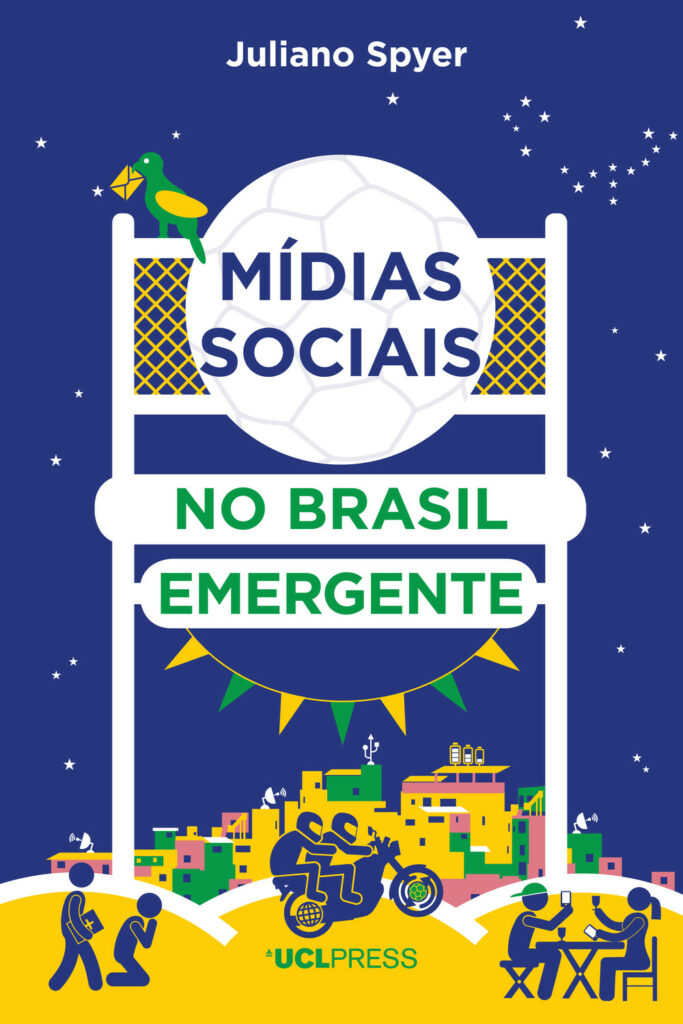
Mίdias sociais no Brasil emergente

Mesmo tendo menor escolaridade e menos dinheiro, os brasileiros das classes populares ajudaram a pagar por sua inclusão digital. Quando os brasileiros de baixa renda começaram a acessar redes sociais, pessoas de alto poder aquisitivo ridicularizaram o conhecimento tecnológico limitado, o gosto diferente e a baixa escolaridade desses usuários mais pobres, mas isso não os intimidou, e eles continuaram a expandir sua presença nos serviços on-line. Jovens criaram perfis para parentes mais velhos, quase analfabetos, e os ensinaram a navegar em plataformas como Facebook e WhatsApp.

Juliano Spyer procura entender por que brasileiros de baixa renda investiram tanto tempo e dinheiro para incorporar o uso das mídias sociais a seu cotidiano. Explora essa questão por uma variedade de temas, incluindo educação, relacionamentos, trabalho e política e argumenta que o uso das mídias sociais reflete valores e motivações contraditórias. Brasileiros de baixa renda abraçam as mídias sociais para exibir sua crescente escolaridade e mobilidade social, mas a mesma tecnologia também fortalece redes de apoio mútuo tradicionais que rejeitam atitudes individualistas.

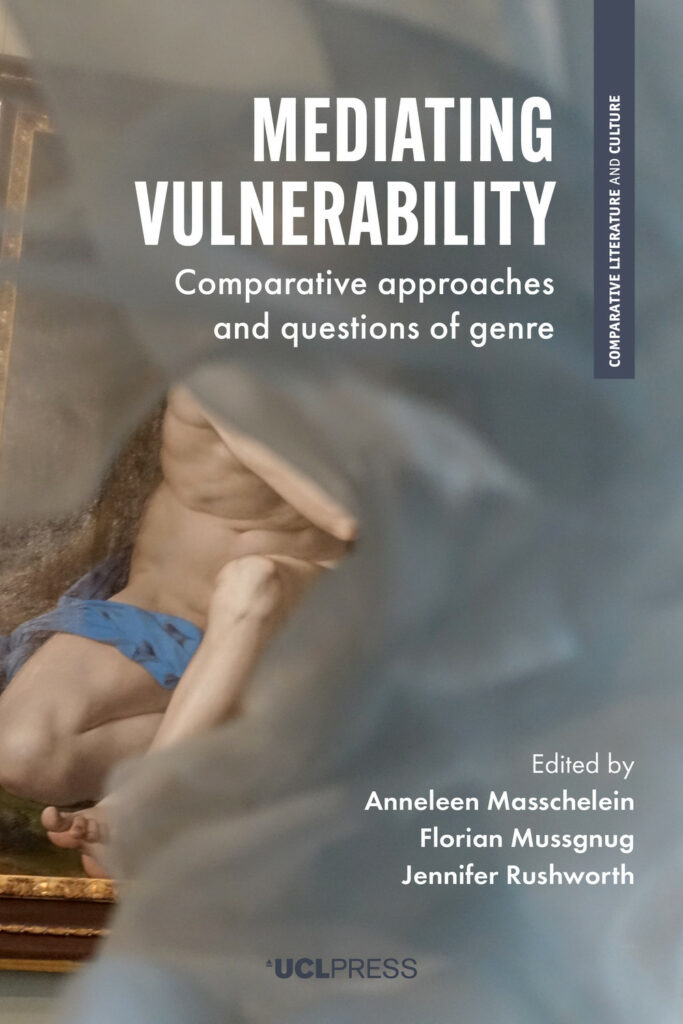
Mediating Vulnerability

Mediating Vulnerability examines vulnerability from a range of connected perspectives. It responds to the vulnerability of species, their extinction but also their transformation. This tension between extreme danger and creativity is played out in literary studies through the pressures the discipline brings to bear on its own categories, particularly those of genre. Extinction and preservation on the one hand, transformation, adaptation and (re)mediation on the other. These two poles inform our comparative and interdisciplinary project. The volume is situated within the particular intercultural and intermedial context of contemporary cultural representation. Vulnerability is explored as a site of potential destruction, human as well as animal, but also as a site of potential openness.

This is the first book to bring vulnerability studies into dialogue with media and genre studies. It is organised in four sections: ‘Human/Animal’; Violence/Resistance’; ‘Image/Narrative’; and ‘Medium/Genre’. Each chapter considers the intersection of vulnerability and genre from a comparative perspective, bringing together a team of international contributors and editors. The book is in dialogue with the reflections of Judith Butler and others on vulnerability, and it questions categories of genre through an interdisciplinary engagement with different representational forms, including digital culture, graphic novels, video games, photography and TV series, in addition to novels and short stories. It offers new readings of high-profile contemporary authors of fiction including Margaret Atwood and Cormac McCarthy, as well as bringing lesser-known figures to the fore.

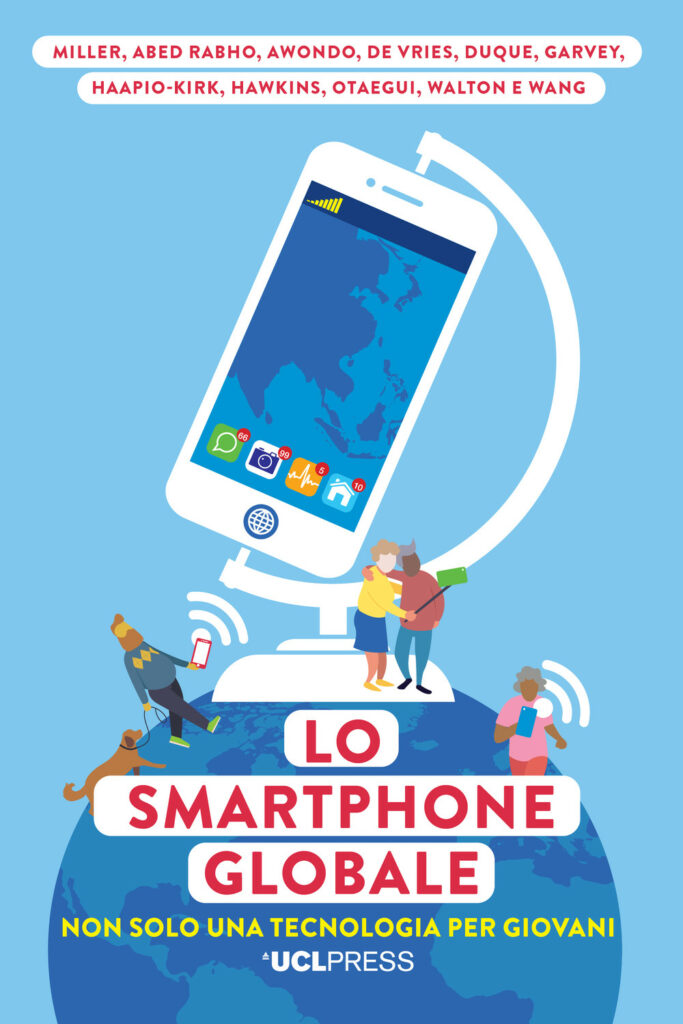
Lo Smartphone Globale: Non solo una tecnologia per giovani

Se c’è una cosa che abbiamo sempre, letteralmente, sotto il naso, è lo smartphone. Ed è normale credere, dunque, che sappiamo cosa sia. Ma è davvero così? Per scoprirlo, 11 antropologi hanno trascorso 16 mesi in varie comunità in Africa, Asia, Europa e Sud America per osservare il modo in cui gli anziani utilizzano lo smartphone, e la loro ricerca ha rivelato che si tratta di una tecnologia rivolta a tutti, non solo ai giovani.

Lo smartphone globale presenta i risultati frutto di questo progetto di ricerca comparativa di respiro globale. Gli smartphone sono diventati tanto un luogo in cui viviamo, quanto un dispositivo di ‘opportunismo perpetuo’ da cui non ci separiamo mai. Gli autori hanno dimostrato che lo smartphone è molto più di un ‘contenitore di app’, concentrandosi sulle differenze tra ciò che le persone dicono sugli smartphone e il modo in cui li usano.

Nessun dispositivo aveva mai raggiunto un tale livello di ‘trasformabilità’ – trasformabilità che si concretizza nella capacità di assimilare rapidamente i nostri valori personali. Per poterlo comprendere, dunque, dobbiamo tener presente un’ampia gamma di sfumature nazionali e culturali, quali la comunicazione visiva in Cina e Giappone, i trasferimenti di denaro sotto forma di credito telefonico in Camerun e in Uganda, e l’accesso a informazioni mediche in Cina e Irlanda, oltre alle diverse traiettorie della terza età ad Al Quds, in Brasile e in Italia. Solo allora potremo sapere davvero cos’è uno smartphone e capire appieno l’impatto che ha sulla vita delle persone in tutto il mondo.

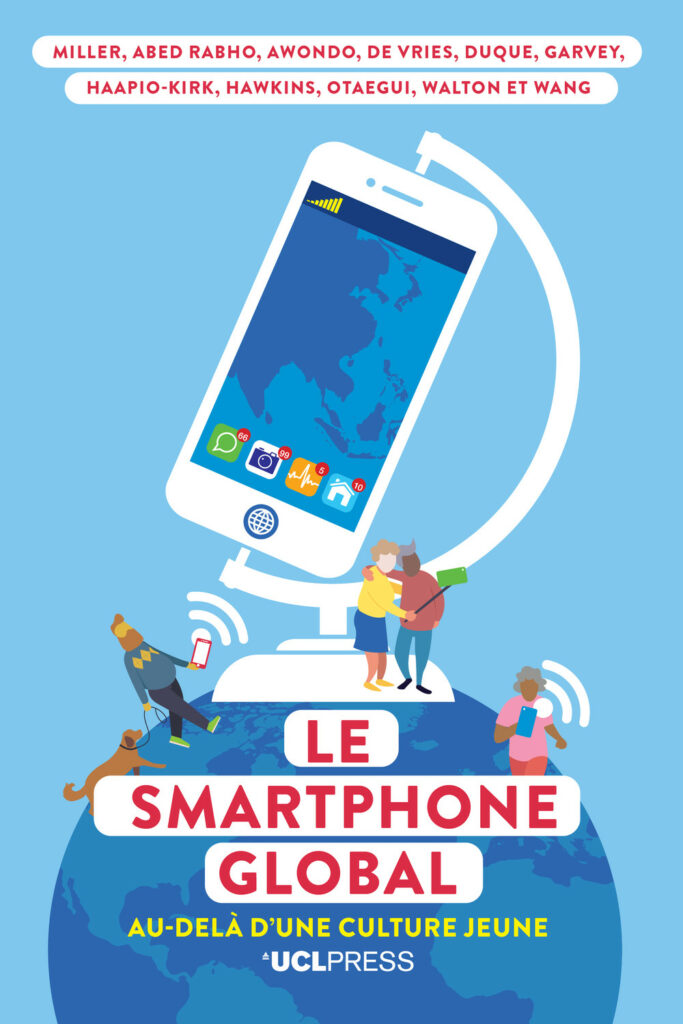
Le Smartphone Global: Au-delà d’une culture jeune

Le smartphone est généralement sous notre nez au point où l’on pense tout savoir de lui. Mais savons-nous réellement ce que c’est ? Pour le comprendre, 11 anthropologues ont passé chacun 16 mois dans des communautés en Afrique, en Asie, en Europe et en Amérique du Sud pour analyser l’utilisation des smartphones par les personnes âgées. Leur recherche montre que les smartphones sont une technologie pour tous, qui n’est pas seulement dédiée aux jeunes.

Le Smartphone Global présente une série de perspectives originales qui découle de ce projet de recherche international et comparatif. Les smartphones sont devenus autant un lieu de vie qu’un appareil que nous utilisons pour un « opportunisme permanent », parce que nous les portons toujours avec nous. Les auteurs démontrent que le smartphone est plus qu’un dispositif pour des applications et explorent les différences entre ce que disent les gens à propos du smartphone et la façon dont ils l’utilisent.

Le smartphone est sans pareil dans la mesure où nous pouvons le transformer. Par conséquent, il est rapidement assimilé aux valeurs personnelles. Pour le comprendre, nous devons prendre en compte une gamme de nuances nationales et culturelles, notamment la communication visuelle en Chine et au Japon, le transfert d’argent au Cameroun et en Ouganda et l’accès aux informations sanitaires au Chili et en Irlande, ainsi que diverses trajectoires de vieillissement à Al-Quds, au Brésil et en Italie. Ce n’est qu’au terme de cela que nous pouvons cerner la nature d’un smartphone et comprendre ses conséquences sur les vies humaines dans le monde.

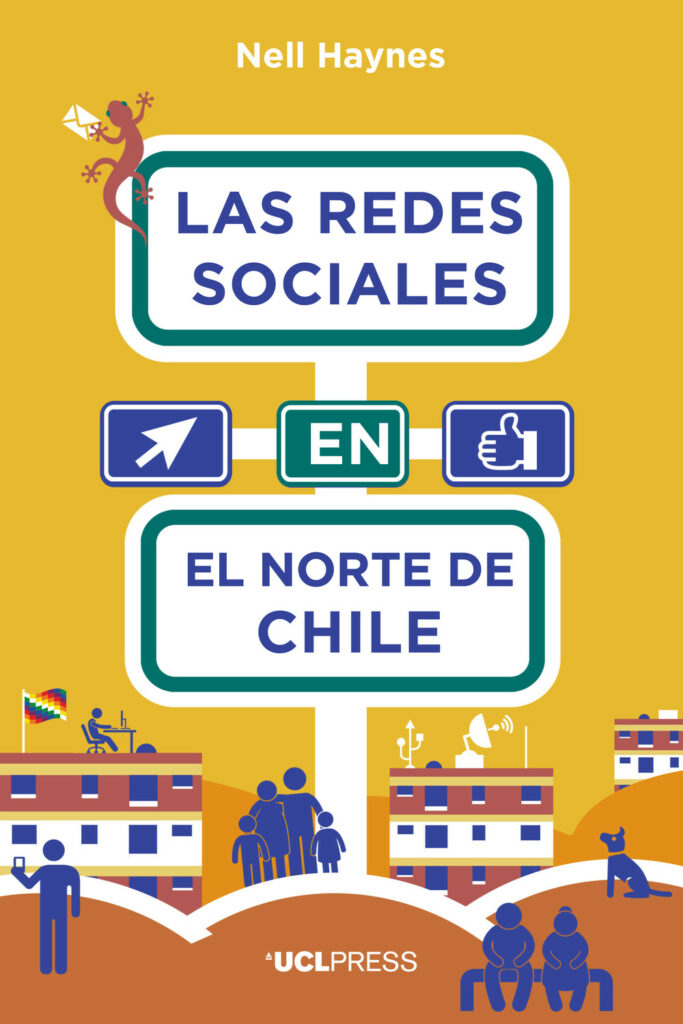
Las Redes Sociales en el Norte de Chile

Este libro, que está basado en 15 meses de investigación etnográfica en la ciudad de Alto Hospicio en el norte de Chile, describe cómo sus habitantes usan las redes sociales y los efectos en sus vidas diarias. Nell Haynes sostiene que las redes sociales son un lugar donde los residentes de Alto Hospicio, u hospiceños, expresan sus sentimientos de marginación como resultado de vivir en una ciudad lejos de la capital nacional y con una calidad de vida notoriamente baja en comparación con otras áreas urbanas en Chile.

Al alejarse de manera activa de los habitantes de ciudades como Santiago, los hospiceños se identifican como ciudadanos marginados y expresan un nuevo tipo de norma social. Sin embargo, Haynes descubre que al contrastar sus propias experiencias vividas con las de las personas en áreas metropolitanas, los Hospiceños están fortaleciendo su propio sentido de comunidad y el sentimiento de normatividad que da forma a su cotidianidad. Esta emocionante conclusión se basa en la variedad de publicaciones en las redes sociales, particularmente Facebook, sobre relaciones personales, política y ciudadanía nacional.

Sign up to our newsletter

Don't miss out!
Subscribe to the UCL Press newsletter for the latest open access books,
journal CfPs, news and views from our authors and much more!