We are currently upgrading our shopping cart; in the interim all orders are being diverted to Waterstones. If you would like to redeem a promotional code, or are an author wanting to place an order, please email us.

Contact us

Knowledge and Knowing in Media and Film Studies

For traditional subjects such as History, Art and Science, debate about the nature of knowledge in the school curriculum has produced a growing literature on the relationship between disciplinary knowledge and what is taught in schools. For newer subjects, however, the path is less clear.

Knowledge and Knowing in Media and Film Studies is the first book to grapple with the question for these two related subjects. Steve Connolly argues that, while Media and Film Studies each have a clear epistemological base, consideration of craft skills alongside factual knowledge and criticality has led to the development of different criteria for what constitutes valuable knowledge than in traditional school subjects. The book problematises this difference through a genealogy of both subjects as they appear in the English school curriculum, charting their historical and disciplinary origins within that system. In so doing it finds that, far from being ‘new’ subjects, Media and Film Studies have parallel histories with more established subjects. Using a range of primary and secondary data, including interviews with media and film teachers, case studies and historical sources, the book provides an account of knowledge and knowing in school Media Studies and Film Studies, which both consolidates existing views and proposes some new perspectives.
दुनिया ने जैसे सामाजिक मीडिया को बदल दिया

दुनिया ने जैसे सामाजिक मीडिया को बदल दिया, हम क्यों पोस्ट करते हैं ग्रन्थ श्रृंखला का पहला ग्रन्थ है जो उन नौ मानवविज्ञानियों के निष्कर्षों पर जाँच करता है जिन्होंने दुनिया भर के समूहों में १५ महीने तक बिताया जिसमे शामिल है ब्राज़ील, चिली, चीन, इंग्लैंड, भारत, इटली, ट्रिनिडाड और टर्की. यह ग्रन्थ एक तुलनात्मक विश्लेषण को प्रदान करता है जो अनुसंधान के परिणाम को संक्षेप में प्रस्तुत करता है और राजनीति और लिंग, शिक्षा और व्यापार पर सामाजिक मीडिया के प्रभाव का पता लगाता है. दृश्य संचार पर बढ़ते हुए ज़ोर का परिणाम क्या है? क्या हम अधिक व्यक्तिगत या सामाजिक बनते हैं? क्यों सार्वजनिक सामाजिक मीडिया अधिक रूढ़िवादी होता है? क्यों ऑनलाइन समानता ऑफलाइन असमानता को बदलने में असफल होता है? कैसे मिमी इंटरनेट के नैतिक पुलिस बन गए?

परियोजना के शैक्षिक ढाँचा और सैद्धांतिक शर्तों, जो निष्कर्षों के उत्तरदायी होने में मदद करते हैं, के परिचय से समर्थित होकर यह ग्रन्थ तर्क करता है कि सामाजिक मीडिया जैसे अन्तरंग और सर्वव्यापक वास्तु को समझने और मूल्यांकन करने का एक ही रास्ता पोस्ट करनेवाले लोगों के जीवन में तल्लीन होकर रहना है. तभी हम पता लगा सकते हैं कि दुनिया भर के लोगों ने जैसे सामाजिक मीडिया को अभी तक अप्रत्याशित तरीकों से बदल दिया हैं और उनके परिणाम पर आकलन कर सकते हैं.

உலகம் சமூக ஊடகங்களை எப்படி மாற்றியிருக்கிறது

ஒன்பது மானுடவியலாளர்கள் பிரேசில், சீனா, இந்தியா, துருக்கி, இங்கிலாந்து, சிலி, டிரினிடாட், இத்தாலி போன்ற ஒன்பது வெவ்வேறு சமூகங்களில் 15 மாதங்களை தங்கியிருந்து நடத்திய ஆய்வின் கண்டுபிடிப்புகளை ஆராயும் “நாம் ஏன் பதிவிடுகிறோம்” என்ற புத்தக வரிசையின் முதல் புத்தகம் தான் உலகம் சமூக ஊடகங்களை எப்படி மாற்றியிருக்கிறது என்ற இந்தப் புத்தகம். இது மேற்கூறிய ஆராய்ச்சியின் முடிவுகளை தொகுத்து வழங்கியும், அரசியல், கல்வி, பாலினம், வணிகம் ஆகியவற்றின் மீது சமூக ஊடகங்களின் தாக்கத்தைப் பற்றி ஆராய்ந்தும், ஒரு ஒப்பீட்டு ஆய்வினை வழங்குகிறது. காட்சிக்குரிய தகவல் பரிமாற்றத்தின் மீதான அதிக முக்கியத்துவத்தின் விளைவுகள் என்ன? நாம் அதிக தனிமையானவர்களாக ஆகிவருகிறோமா அல்லது அதிக சமூகமயமானவர்களாக ஆகிவருகிறோமா? பொதுநோக்கிய சமூக ஊடகங்கள் ஏன் மிகவும் பழமைவாதம் நிறைந்ததாக இருக்கிறது? நிகழ்நிலையில் உள்ள சமத்துவத்தால், இயல்புநிலையில் உள்ள சமத்துவமின்மையை ஏன் மாற்ற முடியவில்லை? மீம்கள் எப்படி இணையத்தின் மரபுக் காவலர்களாக மாறின? போன்றவை தான் அவை.

செயல்திட்டத்தை கல்விக் கட்டமைப்பு மற்றும் கண்டுபிடிப்புகளுக்கு பொறுப்பேற்க உதவும் கருத்தியல் கூறுகள் ஆகியவற்றிற்கான அறிமுகவுரையின் துணையுடன், இந்தப் புத்தகம், சமூக ஊடகங்கள் போன்ற எங்குமுளத்தன்மையுள்ள, மிகவும் நெருக்கமான ஒன்றை புரிந்து கொண்டு பாராட்ட ஒரே வழி, அதில் பதிவிடும் மக்களின் வாழ்வில் மூழ்கிப் பார்ப்பது தான் என்று வாதிடுகிறது. அப்போது தான் நம்மால், உலகெங்கிலும் உள்ள மக்கள் சமூக ஊடகங்களை எவ்வாறு எதிர்பாராத வழிகளில் மாற்றியிருக்கின்றனர் என்று கண்டறிந்து அதன் விளைவுகளை எடைபோட முடியும்.

டேனியல் மில்லர் UCL-ல் மானுடவியல் பேராசிரியராக இருக்கிறார். எலிசபெட்டா கோஸ்டா, அங்காராவின் பிரிட்டிஷ் கல்வி நிறுவனத்தில் (British Institute at Ankara (BIAA)) முதுகலை முனைவு ஆராய்ச்சி உதவியாளராக (Postdoctoral Research Fellow) இருக்கிறார். நெல் ஹெய்ன்ஸ் சாண்டியாகோவில் உள்ள Pontificia Universidad Católica de Chile-யில் முதுகலை முனைவு கூட்டாளியாக (Postdoctoral Fellow) இருக்கிறார். டாம் மெக்டொனால்ட், ஹாங்காங் பல்கலைக்கழகத்தின், சமூகவியல் துறையில், உதவிப்பேராசிரியராக இருக்கிறார். ரஸ்வான் நிகோலஸ்கு, UCL-ல், ஆராய்ச்சி உதவியாளராக இருக்கிறார். அவர் 2013-ல் தனது முனைவர் பட்டத்தை இங்கிருந்து தான் பெற்றார். ஜோலின்னா சினனன், ராயல் மெல்போர்ன் தொழில்நுட்ப கல்விநிறுவனத்தில் (Royal Melbourne Institute of Technology (RMIT)) துணைவேந்தரின் முதுகலை முனைவு ஆராய்ச்சி உதவியாளராக (Postdoctoral Research Fellow) இருக்கிறார். ஜூலியானோ ஸ்பையர், ஸ்ரீராம் வெங்கட்ராமன் மற்றும் க்சின்யுவான் வாங் ஆகியோர், UCL-ல் மானுடவியல் துறையில் முனைவு மாணவர்களாக இருக்கின்றனர்.

தென்னிந்தியாவில் சமூக ஊடகங்கள்

தென்னிந்தியாவில் சமூக ஊடகங்கள், தமிழ்நாட்டு மக்களின் அன்றாட வாழ்வில் சமூக ஊடகங்களின் பயன்பாடு பற்றிய புரிதலை தீவிர மாற்றமடைந்து வரும் ஒரு பிராந்தியத்தில் நடத்தப்பட்ட முதல் மக்கள் இன அமைப்பியல் ஆய்வின் மூலம் நமக்களித்திருக்கிறது. கடந்த பத்தாண்டுகளில் ஐடி நிறுவனங்களின் வருகை, முன்பு விவசாய பகுதியாக இருந்த ஒரு இடத்தை வளர்ந்து கொண்டேயிருக்கும் அறிவார்ந்த பொருளாதாரம் மற்றும் பாரம்பரிய கிராம வாழ்வு ஆகியவற்றின் பக்க அணிமை நிலையாக ஆக்கியிருக்கிறது. இந்த பக்க அணிமை நிலையால் ஒருசில வர்க்க பேதங்கள் காணப்பட்டபோதும், இந்த பிராந்தியத்தில் நடத்தப்பட்ட சமூக ஊடக ஆய்வு, ஒற்றுமைகளும் இருந்திருப்பதற்கான சான்றளிக்கிறது. குறிப்பாக பழைய மற்றும் புதிய குடியிருப்பாளர்களிடையே பணி மற்றும் வாழ்வின் இடையேயான தேய்ந்து வரும் எல்லைகளில் இது காணப்படுகிறது.

வெங்கட்ராமன், வீடுகள், பணியிடங்கள் மற்றும் பள்ளிகளில் சமூக ஊடகங்களின் பாதிப்புகளை ஆராய்ந்து, இனம், வர்க்கம், வயது பாலினம் ஆகியவற்றின் தாக்கத்தையும் அலசி, எந்த வகையான சமூக ஊடகத்தளங்கள் எந்தெந்த சூழல்களில் பயன்படுத்தப்படுகின்றன என்பதை ஆராய்ந்திருக்கிறார். இந்த காரணிகள், சமூக ஊடக பயன்பாட்டின் மீது குறிப்பிடத்தக்க பாதிப்பை ஏற்படுத்தியிருப்பதாக கூறும் அவர், தென்னிந்தியாவில் சமூக ஊடகங்கள், சமுதாய மாற்றத்தை தூண்டியிருப்பது போல தோன்றினாலும், அவை உண்மையில், உள்ளூர் பாரம்பரியங்கள் மற்றும் நடைமுறைகளால் கட்டுண்டு இருக்கின்றன என்றும் குறிப்பிடுகிறார்.

दक्षिण भारत में सामाजिक मीडिया

दक्षिण भारत पर सामाजिक मीडिया, जो तमिलनाडु में लोगों के दैनिक जीवन में सामाजिक मीडिया के उपयोग पर अन्वेषण करनेवाले पहले के नृवंशवैज्ञानिक अध्ययनों पर एक है, तेज़ी परिवर्तन का अनुभव करनेवाले एक क्षेत्र में इस विषय का ज्ञान प्रदान करता है. जो एक समय कृषि से हावी किया गया था, उस क्षेत्र पर पिछले दशक में आईटी कंपनियों का प्रवेश, एक उद्विकासी ज्ञान अर्थव्यवस्था और ग्रामीण जीवन की परिपाटी के बीच एक जटिल मुकाबला का कारण बन गया है. जबकि इस मुकाबले के उत्तरक्रिया के रूप में कुछ वर्गीय तनाव प्रकट हुए हैं, इस क्षेत्र के सामाजिक मीडिया पर अध्ययन इसका प्रस्ताव करता है कि समरूपता का भी पता चलता है, जो पुराने और नए निवासियों के काम और जीवन की सीमाओं के धुंधुला होने से अधिक स्पष्ट रूप से अवलोकन किया जाता है.

वेंकटरामन घर, काम और स्कूल पर सामाजिक मीडिया के प्रभाव पर अन्वेषण करते हैं और वर्ग, जाति, उम्र और लिंग के प्रभाव पर इसका विश्लेशण करते हैं कि जैसे और जो सामाजिक मीडिया के मंच विभिन्न सन्दर्भों पर उपयोग किये जाते हैं. वे ऐसा तर्क करते हैं कि ये कारक के सामाजिक मीडिया के उपयोग पर महत्वपूर्ण प्रभाव होता है और इसका प्रस्ताव करते हैं दक्षिण भारत में सामाजिक मीडिया, यद्यपि सामाजिक परिवर्तन को प्रेरित करने लगता है, वास्तव में सामाजिक परिपाटी और प्रयोग से सीमित हैं.

Visualising Facebook

Since the growth of social media, human communication has become much more visual. This book presents a scholarly analysis of the images people post on a regular basis to Facebook. By including hundreds of examples, readers can see for themselves the differences between postings from a village north of London, and those from a small town in Trinidad. Why do women respond so differently to becoming a mother in England from the way they do in Trinidad? How are values such as carnival and suburbia expressed visually? Based on an examination of over 20,000 images, the authors argue that phenomena such as selfies and memes must be analysed in their local context. The book aims to highlight the importance of visual images today in patrolling and controlling the moral values of populations, and explores the changing role of photography from that of recording and representation, to that of communication, where an image not only documents an experience but also enhances it, making the moment itself more exciting.

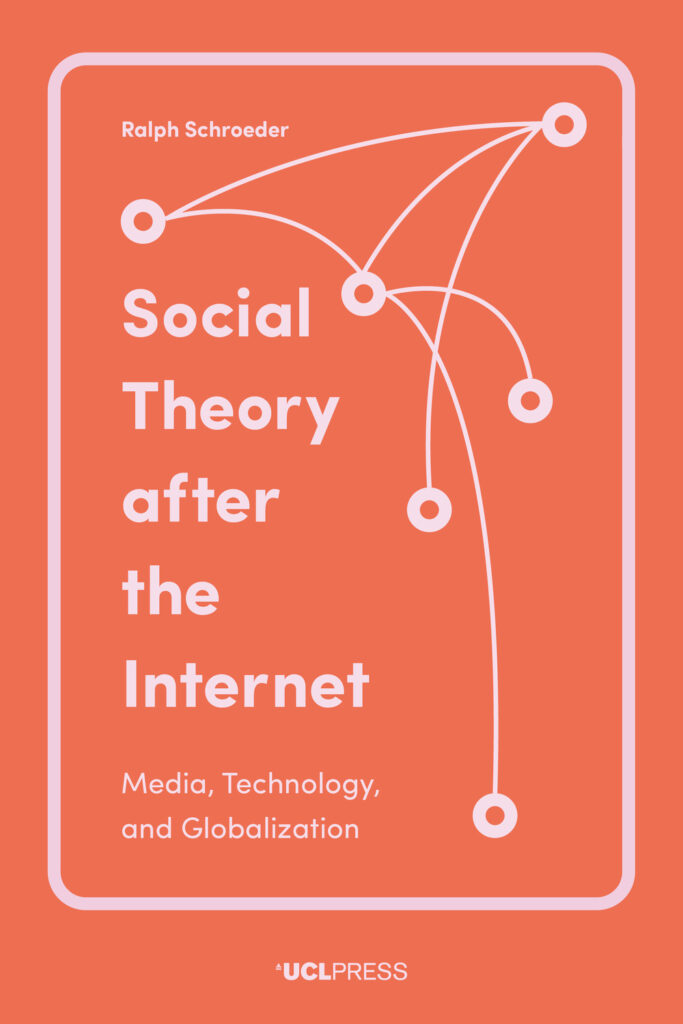
Social Theory after the Internet

The internet has fundamentally transformed society in the past 25 years, yet existing theories of mass or interpersonal communication do not work well in understanding a digital world. Nor has this understanding been helped by disciplinary specialization and a continual focus on the latest innovations. Ralph Schroeder takes a longer-term view, synthesizing perspectives and findings from various social science disciplines in four countries: the United States, Sweden, India and China. His comparison highlights, among other observations, that smartphones are in many respects more important than PC-based internet uses.

Social Theory after the Internet focuses on everyday uses and effects of the internet, including information seeking and big data, and explains how the internet has gone beyond traditional media in, for example, enabling Donald Trump and Narendra Modi to come to power. Schroeder puts forward a sophisticated theory of the role internet plays, and how both technological and social forces shape its significance. He provides a sweeping and penetrating study, theoretically ambitious and at the same time always empirically grounded.

The book covers key contemporary debates in a clear and accessible way. It will be of great interest to students and scholars of digital media and society, the internet and politics, and the social implications of big data.

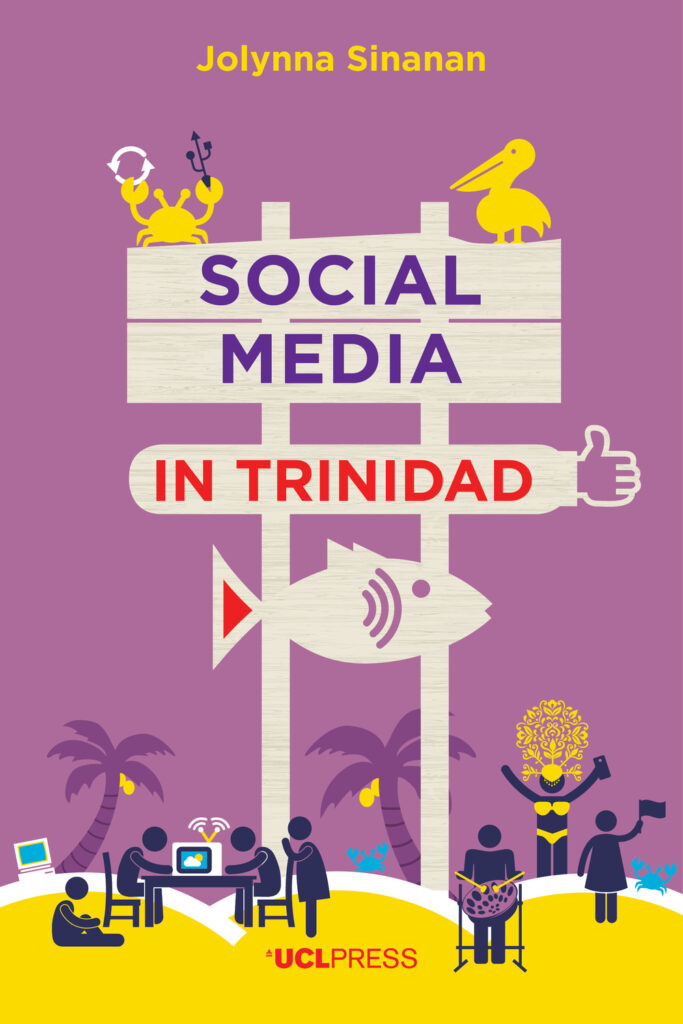
Social Media in Trinidad

Drawing on 15 months of ethnographic research in one of the most under-developed regions in the Caribbean island of Trinidad, this book describes the uses and consequences of social media for its residents. Jolynna Sinanan argues that this semi-urban town is a place in-between: somewhere city dwellers look down on and villagers look up to. The complex identity of the town is expressed through uses of social media, with significant results for understanding social media more generally.

Not elevating oneself above others is one of the core values of the town, and social media becomes a tool for social visibility; that is, the process of how social norms come to be and how they are negotiated. Carnival logic and high-impact visuality is pervasive in uses of social media, even if Carnival is not embraced by all Trinidadians in the town and results in presenting oneself and association with different groups in varying ways. The study also has surprising results in how residents are explicitly non-activist and align themselves with everyday values of maintaining good relationships in a small town, rather than espousing more worldly or cosmopolitan values.

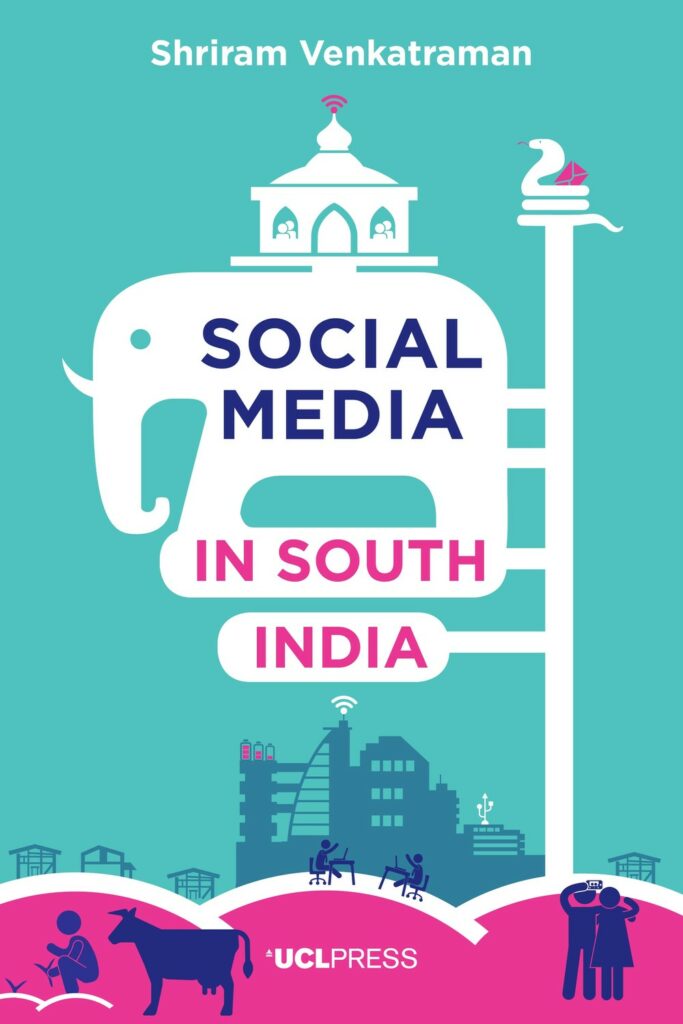
Social Media in South India

One of the first ethnographic studies to explore use of social media in the everyday lives of people in Tamil Nadu, Social Media in South India provides an understanding of this subject in a region experiencing rapid transformation. The influx of IT companies over the past decade into what was once a space dominated by agriculture has resulted in a complex juxtaposition between an evolving knowledge economy and the traditions of rural life. While certain class tensions have emerged in response to this juxtaposition, a study of social media in the region suggests that similarities have also transpired, observed most clearly in the blurring of boundaries between work and life for both the old residents and the new.

Venkatraman explores the impact of social media at home, work and school, and analyses the influence of class, caste, age and gender on how, and which, social media platforms are used in different contexts. These factors, he argues, have a significant effect on social media use, suggesting that social media in South India, while seeming to induce societal change, actually remains bound by local traditions and practices.

Sign up to our newsletter

Don't miss out!
Subscribe to the UCL Press newsletter for the latest open access books,
journal CfPs, news and views from our authors and much more!